
Desserts
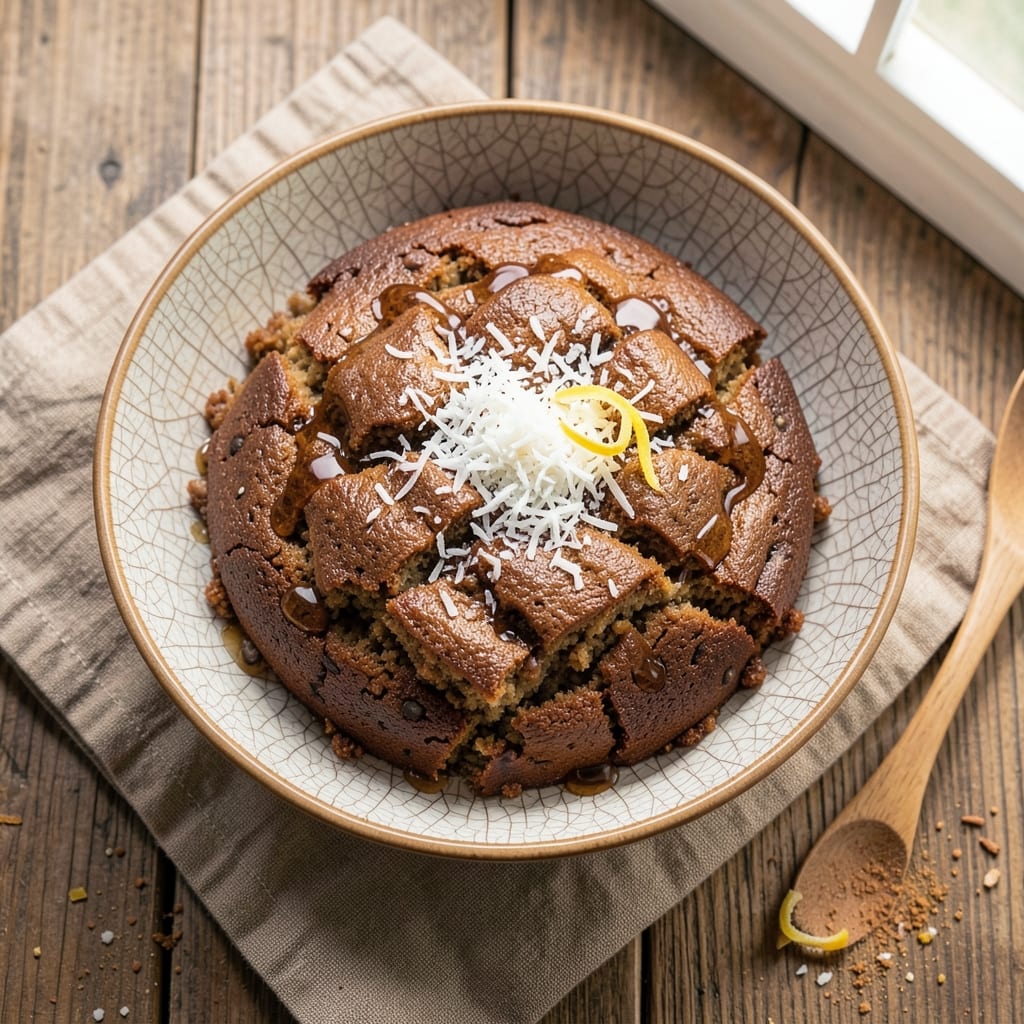
This baked mung bean cake transforms humble mung beans into a silky, nutty dessert with earthy sweetness that surprises everyone. The secret lies in soaking the beans overnight—this softens their texture and unlocks their natural sweetness while blending creates that signature velvety consistency. Unlike dense flour cakes, this version stays moist for days without drying out, making it perfect for meal prep or special occasions.
What makes this recipe special is the balance of flavors: toasted coconut and cinnamon add warmth, while maple syrup (or honey for non-vegan versions) enhances the mung bean’s inherent sweetness. The cake’s silky crumb comes from blending soaked beans with minimal flour, creating a texture that’s light yet substantial—ideal for those who love desserts without refined sugar or dairy. Even picky eaters often ask for seconds.
Baking at 350°F for 30-35 minutes ensures a golden top with a tender interior, while optional toppings like toasted nuts or a drizzle of caramelized maple syrup elevate it further. The recipe is naturally vegan but easily adaptable with flax eggs or coconut oil for binding. Whether served warm with tea or chilled as a snack, this cake proves plant-based desserts can be just as indulgent as traditional favorites.
Best of all, this recipe requires no special equipment—just a blender and oven. The soaking process (the only time-consuming step) can be done overnight, so the actual baking day is quick and effortless. Perfect for health-conscious bakers or anyone craving a dessert that’s as nourishing as it is delicious, this mung bean cake delivers restaurant-quality results with minimal fuss.
Ingredients for baked mung bean cake
Transform humble mung beans into a velvety, naturally sweet dessert with these 12 ingredients.
| Ingredient | Amount | Notes |
|---|---|---|
| Mung Beans 🌱 | 1 ½ cups | Uncooked, organic preferred |
| Unsweetened Almond Milk 🥛 | 1 ¼ cups | For blending, unsweetened |
| Maple Syrup 🍯 | ½ cup | Grade B for richer flavor |
| Unsweetened Shredded Coconut 🥥 | ½ cup | Toasted for enhanced aroma |
| Ground Cinnamon 🌿 | 1 ½ tsp | Ceylon cinnamon preferred |
| Vanilla Extract 🌸 | 1 tsp | Pure alcohol-free preferred |
| All-Purpose Flour 🌾 | ½ cup | Gluten-free blend optional |
| Baking Powder 🧂 | 1 tsp | Aluminum-free preferred |
| Salt 🧂 | ¼ tsp | Fine sea salt preferred |
| Coconut Oil 🫒 | ¼ cup | Melted, unrefined preferred |
| Pecans 🌰 | ½ cup | Toasted, chopped for topping |
| Coconut Flakes 🥥 | ¼ cup | Toasted for crunchy texture |
The mung beans are the star here—organic, uncooked beans yield the best texture. Trader Joe's or bulk bins at natural grocery stores carry the best quality. Soaking them overnight is non-negotiable; this unlocks their natural sweetness and creates that signature silky texture. For the coconut, unsweetened shredded (not sweetened) is key—Bob's Red Mill or Anthony's brands are my go-tos. Toasting the coconut and pecans before adding them to the batter adds a depth of flavor that takes this cake from good to extraordinary.
No maple syrup? Agave nectar or date syrup work in a pinch, though maple adds that unique earthy sweetness. Running short on almond milk? Oat or cashew milk blends just as well—just shake the can first for a smooth texture. The vanilla extract can be swapped for vanilla bean paste if you want that extra depth, though pure extract is fine. For the flour, King Arthur or Bob's Red Mill are reliable; if you're gluten-free, their 1:1 blends work perfectly. The baking powder is crucial—aluminum-free ensures no metallic aftertaste. And if you're feeling fancy, Ceylon cinnamon has a more delicate flavor than regular cassia.
Soaked beans keep in the fridge for 3 days before blending, so plan ahead. The batter stays fresh in the fridge for 24 hours before baking—perfect for making it the night before. Once baked, this cake stays moist for 5 days at room temperature, wrapped tightly in foil. For longer storage, slice and freeze individual portions—they reheat beautifully with a quick 20-second microwave zap. The toasted nuts and coconut topping? Save those for the day you serve it—freshly toasted makes all the difference.
Why You'll Love This Recipe
- No-Soak Shortcut: I swear by this trick—just blend the mung beans with almond milk overnight (yes, in the fridge), then bake. No hours of soaking, no fuss. The texture turns out tender and fluffy every time, like a cross between a cake and a pudding.
- Warm Spice Magic: That cinnamon and coconut combo? It’s like dessert hugs your taste buds. The maple syrup caramelizes just enough to give it a subtle sweetness, while the toasted coconut on top adds crunch. Honestly, it’s the kind of flavor that makes you pause mid-bite.
- Meal Prep MVP: This keeps beautifully for days—slice it up for breakfast bars, crumble it over yogurt, or pack it in lunches. Between us, I’ve had it cold, warm, and even reheated with a drizzle of peanut butter. It’s my go-to when I need something healthy that doesn’t scream “diet food.”
- Pantry Staple Power: Mung beans and almond milk are cheap, and coconut and cinnamon last forever. No weird ingredients or last-minute grocery runs. I’ll be real: I’ve made this with whatever was in my cupboard, and it’s still spot-on delicious. Budget-friendly doesn’t mean boring—this proves it.
Step-by-step instructions for baked mung bean cake
Transform humble mung beans into a lusciously moist, nutty-sweet cake with this foolproof method.
Soak and Blend the Mung Bean Base
Rinse the 1.5 cups mung beans thoroughly under cold water, then soak them in plenty of fresh water for 8 hours or overnight. You'll know they're ready when they've swollen significantly and the skins begin to soften. Drain and rinse again to remove any excess starch.
Transfer the soaked mung beans to a high-speed blender along with the 1.25 cups unsweetened almond milk, 0.5 cup maple syrup, and 0.25 cup melted coconut oil. Blend until completely smooth, scraping down the sides as needed. The mixture should be thick and creamy—almost like a rich pudding. If it's too thick, add 1-2 tablespoons of almond milk to reach a smooth, pourable consistency.
Combine Dry Ingredients and Fold Gently
In a medium bowl, whisk together the 0.5 cup all-purpose flour, 1.5 teaspoons ground cinnamon, 1 teaspoon baking powder, and 0.25 teaspoon salt. This dry blend should be completely homogeneous with no flour clumps remaining. The cinnamon will give your cake that warm, earthy depth that complements the mung beans perfectly.
Add the 0.5 cup unsweetened shredded coconut and 1 teaspoon vanilla extract to the dry ingredients, mixing just until combined. Now, slowly pour the blended mung bean mixture into the dry ingredients while gently folding with a spatula. Be careful not to overmix—just combine until everything is evenly incorporated. The batter should be thick but still able to coat the back of your spatula.
Prepare the Pecan Topping and Toast Coconut Flakes
While you prepare the cake batter, toast the 0.5 cup pecans in a dry skillet over medium heat for 3-4 minutes, stirring constantly until they're fragrant and just beginning to turn golden. Immediately transfer them to a plate to cool. For the coconut flakes, toast them in the same skillet for 1-2 minutes until they're golden and release their nutty aroma. Set both aside to cool completely.
In a small bowl, combine the toasted pecans with 1 tablespoon of the maple syrup from the original 0.5 cup (reserve the rest for the cake). Mix well to coat the pecans evenly. This sweetened topping will add a delightful crunch and caramelized flavor contrast to the tender cake.
Bake to Golden Perfection
Preheat your oven to 350°F and grease an 8-inch round cake pan or line it with parchment paper. Pour the cake batter into the prepared pan and smooth the top with a spatula. Sprinkle the toasted 0.25 cup coconut flakes evenly over the batter, then arrange the pecan mixture in an attractive pattern on top. Press down gently to ensure good contact with the cake.
Bake for 35-40 minutes until a toothpick inserted in the center comes out clean and the edges are golden brown. The cake should spring back slightly when gently pressed in the center. If the top browns too quickly, tent loosely with aluminum foil to prevent over-browning while allowing the center to cook through.
Cool and Serve with Confidence
Remove the cake from the oven and let it cool in the pan for 10 minutes. Then transfer it to a wire rack to cool completely. The cake will continue to set as it cools, becoming even more tender and moist. For best results, serve at room temperature to appreciate the full depth of flavors and textures.
Slice into 4 equal wedges (perfect for sharing) and serve with a dollop of coconut yogurt or a sprinkle of additional toasted coconut flakes. Each bite should deliver a harmonious blend of earthy mung bean, sweet maple, nutty coconut, and crunchy pecans. This cake keeps well for 3 days at room temperature or can be refrigerated for up to 5 days for an even more decadent texture.
Pro Tips For Making Baked Mung Bean Cake
- SOAK BEANS 12 HOURS: I learned this the hard way—skipping the overnight soak leaves your mung beans tough and mealy. Use twice the water (1:2 ratio) and drain right before blending, no need to rinse unless they smell funky. Cold water works, but warm speeds it up if you’re impatient.
- BLEND UNTIL SILKY: Stop when the batter looks like thick pancake batter, not glue. Over-blending turns it gummy, under-blending leaves gritty bits. Pulse almond milk in first, then beans, and scrape the sides every 30 seconds. A high-speed blender makes this easier—don’t fight it.
- DON’T OVERMIX THE BATTER: Stir just until the coconut and cinnamon disappear. Every extra fold traps air and makes the cake dense. Fold in the dry ingredients with a spatula in a figure-8 motion—gentle but intentional. The batter should hold a slight ripple when you lift the spatula.
- BAKE AT 325°F, NOT HIGHER: I was skeptical until I tried it: 350° burns the top before the center sets. 325° gives even browning and a moist crumb. Tent with foil after 20 minutes if the edges darken too fast, then uncover to crisp the top in the last 5 minutes. A toothpick should come out clean, not wet.
Perfect pairings for these flavors
Tea Pairings
Earl Grey's bergamot notes complement the mung bean cake's earthy sweetness beautifully. The citrusy aroma cuts through the richness, while the black tea's tannins balance the cake's natural nuttiness. I reach for Twinings or Harney & Sons for the best quality. For a lighter option, try jasmine green tea—its floral notes harmonize with the cake's coconut and vanilla flavors. 🍵
Coffee Contrasts
A bold cold brew coffee with 2% milk creates the perfect contrast to this dessert's warmth. The coffee's bitterness enhances the cake's sweetness, while the creamy milk softens the earthy mung bean flavor. For a spiced twist, try a vanilla chai latte—the cinnamon echoes the cake's spice while adding a cozy depth. I prefer Starbucks or local craft roasters for the best results.
Seasonal Fruit
Fresh sliced peaches or berries add vibrant freshness to each bite. The acidity in peaches cuts through the cake's richness, while berries' tartness balances the sweetness. I recommend organic peaches from Trader Joe's or local farmers' markets for peak flavor. For a tropical twist, try mango slices—their sweetness complements the maple syrup beautifully. 🍑
Creamy Toppings
Drizzle with coconut yogurt or cashew cream for extra richness. The tangy creaminess contrasts perfectly with the cake's nutty sweetness. I love So Delicious coconut yogurt or homemade cashew cream for the best texture. For a decadent touch, add a sprinkle of toasted coconut flakes or chopped pecans on top.
Spiced Warm Milk
Warm almond milk with ½ tsp cinnamon and 1 tsp maple syrup makes an excellent pairing. The spices echo the cake's flavors while the warm milk creates a comforting contrast. I often make this the night before and reheat it gently before serving. For a festive touch, add a pinch of nutmeg or cardamom to the milk. 🌿
Nutrition facts
Frequently asked questions
Why do I need to soak the mung beans overnight?
Soaking is essential to soften the beans and remove their natural starch, which creates that signature silky texture instead of a dense, bean-like bite. Overnight soaking (8+ hours) also unlocks their natural sweetness, making the cake taste richer without extra sugar. Skipping this step results in a grittier texture and less flavor development.
Can I make this cake without a blender?
Yes, but the texture will be less smooth. Use a food processor or mortar and pestle to grind the soaked beans into a fine paste, then strain through a sieve to remove any remaining grit. Add extra almond milk (1-2 tablespoons) to achieve a pourable consistency similar to the blender version.
How do I prevent the cake from drying out?
Store it properly! Wrap tightly in plastic wrap or foil and keep at room temperature for up to 3 days. For longer storage, refrigerate for 5 days or freeze slices for 3 months. The coconut oil in the recipe helps maintain moisture, but never leave it uncovered—this cake absorbs dryness quickly.
What's the best way to make this vegan?
This recipe is already vegan, but for extra binding power, replace the 0.5 cup flour with 0.3 cup flour + 2 tbsp ground flaxseed mixed with 4 tbsp water (flax egg). Use coconut oil instead of butter, and ensure your maple syrup is 100% pure. All other ingredients are naturally plant-based.
Can I add chocolate chips to this cake?
Fold in ½ cup vegan chocolate chips when combining wet and dry ingredients. Use dark chocolate (70% cocoa) for the best flavor balance, and reduce the maple syrup by 1 tablespoon to prevent over-sweetness. The chocolate adds a rich contrast to the nutty mung bean base.