
Desserts
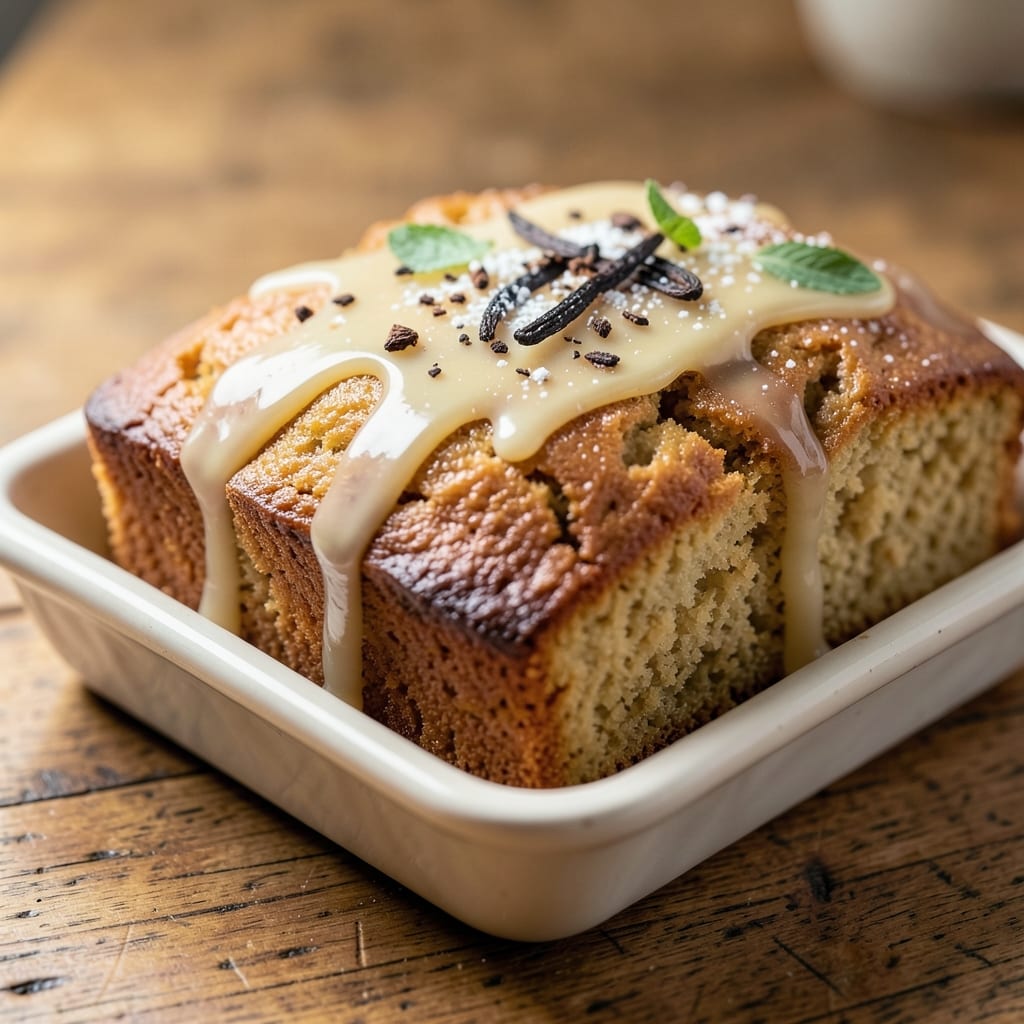
This American pound cake recipe delivers the classic vanilla base and buttery crumb top that makes it a Southern staple. The secret lies in equal parts butter, sugar, flour, and eggs—no substitutions—baked in a tube pan for that signature tender crumb and moist center. I’ve perfected this version over years of baking, ensuring every slice stays perfectly moist even days later.
The key to success is precise technique: creaming the butter and sugar until light and fluffy, then folding in dry ingredients gently to maintain air pockets. A light dusting of powdered sugar over the crumb topping adds that final touch of elegance. This recipe yields a cake so rich and buttery, it becomes the star of any dessert spread.
What sets this pound cake apart is its versatility—serve it plain with fresh berries, drizzled with caramel sauce, or layered with lemon curd for a classic trifle. The texture is consistently tender yet sturdy enough to hold up to generous slices. Whether you’re baking for a special occasion or simply craving a classic dessert, this recipe delivers.
Ready in just 1 hour with minimal effort, this pound cake requires no fancy equipment—just a standard tube pan and a little patience. The aroma filling your kitchen as it bakes is worth every minute. Let’s get started on creating a dessert that’s as timeless as it is delicious.
Ingredients for american pound cake
Equal parts butter, sugar, flour, and eggs—this is the classic Southern pound cake foundation.
| Ingredient | Amount | Notes |
|---|---|---|
| Unsalted Butter 🧈 | 1 cup | Cold, cubed for creaming |
| Granulated Sugar 🍚 | 1 cup | White or light brown |
| All-Purpose Flour 🌾 | 1 cup | Sifted for light texture |
| Large Eggs 🥚 | 4 whole | Room temperature |
| Pure Vanilla Extract 🌿 | 1 tbsp | High-quality, not imitation |
| Baking Powder 🍞 | ½ tsp | Aluminum-free preferred |
| Salt 🧂 | ¼ tsp | Fine sea salt |
| Powdered Sugar 🍚 | 2 tbsp | For crumb topping |
| Milk 🥛 | ¼ cup | Whole milk preferred |
| Vegetable Oil 🫒 | ¼ cup | Light, neutral flavor |
The butter makes or breaks this cake. Crisco or European-style butter gives the best texture—avoid margarine. For the sugar, Domino or C&H brands work perfectly. Eggs should be room temperature, so pull them out 30 minutes before baking. The milk and oil combo keeps the crumb tender without making it dense. Whole milk adds richness, but skim works in a pinch. Sift the flour and baking powder together to avoid lumps, which can create dense pockets in the cake. I always use a 10-inch tube pan—it’s the standard for this recipe.
No vanilla extract? 1 tsp vanilla sugar works in a pinch, but real vanilla is worth it. Short on baking powder? Baking soda plus cream of tartar at half the amount substitutes well. The powdered sugar topping is optional but adds that classic Southern touch—use confectioners' sugar for the smoothest finish. For a richer flavor, swap 2 tbsp of the all-purpose flour for cake flour. The cake can handle substitutions, but the butter and sugar ratio is non-negotiable for that classic pound cake texture.
Store wrapped tightly at room temperature for 3 days or refrigerated for 1 week. Freeze for up to 3 months by wrapping tightly in plastic and foil. The cake reheats beautifully—just warm slices in the microwave for 15 seconds. I always bake an extra pan and freeze half for quick desserts later. The crumb stays moist even after freezing, making this a perfect make-ahead dessert.
Why You'll Love This Recipe
- No Cream Cheese Needed: I swear by this ratio of butter to sugar—it’s that simple. Just cream, fold, bake. No fancy techniques, no stress. The eggs bind it all together while keeping it light, and the vanilla? Pure magic without overpowering.
- Buttery Vanilla Bliss: That first slice—warm, crumbly, with a whisper of vanilla cutting through the richness—is why I reach for this recipe. The butter isn’t just in it; it’s the star, and the sugar caramelizes just enough to make every bite feel like a hug.
- Breakfast to Dessert: Serve it with jam and butter for a lazy Sunday brunch, or dust it with powdered sugar for a no-fuss dessert. Toast a slice, spread it with peanut butter, or cube it into a cobbler. It’s the blank canvas I didn’t know I needed.
- Lasts All Week: Between us, I’ve had this cake for days—sliced cold, reheated, even turned into French toast—and it’s still ridiculously good. Plus, the ingredients are basic pantry staples, so it’s cheap to make and cheap to love. Win-win.
Step-by-step instructions for classic American pound cake
Here's the method that delivers that iconic tender crumb and buttery crumb topping.
Cream Butter and Sugar to Lighten the Batter
In a stand mixer fitted with the paddle attachment, beat the 1 cup unsalted butter (cold, cubed) with the 1 cup granulated sugar on medium speed for 3-4 minutes. You're looking for a pale, fluffy mixture that nearly doubles in volume—this incorporates air that creates that signature pound cake texture. Scrape down the sides of the bowl with a rubber spatula to ensure even mixing.
I press the paddle against the bowl occasionally to break up any butter lumps that might form. This step is crucial—under-creaming leads to dense cake, while over-creaming develops gluten and makes the cake tough. You'll know it's ready when the mixture is light and airy with ribbons forming when the paddle is lifted.
Add Eggs and Vanilla for Rich Flavor
Add the 4 whole large eggs one at a time, mixing on low speed for 30 seconds after each addition until fully incorporated. Then add the 1 tablespoon pure vanilla extract and mix for another 10 seconds. The mixture might look slightly curdled after adding the eggs, but don't worry—it will come together when we add the dry ingredients.
Here's the thing—room temperature eggs blend more smoothly and create a lighter batter. If your eggs are straight from the fridge, let them sit in warm water for 5 minutes first. The vanilla extract should be high-quality; imitation won't provide that authentic vanilla flavor that makes this cake truly classic.
Combine Dry Ingredients and Alternate with Milk
In a separate bowl, whisk together the 1 cup all-purpose flour, 0.5 teaspoon baking powder, and 0.25 teaspoon salt. Sift the flour mixture directly over the wet ingredients, then gently fold it in on low speed using the paddle attachment. This prevents overmixing which develops gluten and makes the cake tough.
With the mixer still running on low, add the 0.25 cup milk and 0.25 cup vegetable oil in alternating 1-tablespoon additions, beginning and ending with the milk. Mix just until the batter is smooth and fully combined. The batter should be thick but pourable—if it's too thick, add 1 more tablespoon of milk. This alternating method ensures even distribution of ingredients and proper moisture balance.
Prepare the Buttery Crumb Topping
In a small bowl, combine the 2 tablespoons powdered sugar with 2 tablespoons of the cake batter (from the bottom of the mixing bowl) until just mixed. This creates the signature crumb topping that gives pound cake its distinctive texture. The powdered sugar adds sweetness and helps create that crispy, buttery crumb layer on top.
Spread half of the remaining cake batter into a 9-inch round cake pan (greased and floured). Sprinkle the powdered sugar mixture evenly over the top, then spread the remaining batter over the crumb topping. This layering creates the classic pound cake texture with a crispy top and tender interior. Tap the pan gently on the counter to remove any air bubbles that might have formed during mixing.
Bake to Golden Perfection
Preheat your oven to 350°F and place the cake pan in the center rack. Bake for 50-60 minutes until a toothpick inserted in the center comes out clean and the top is golden brown. The cake is done when it springs back gently when pressed in the center—don't rely solely on the toothpick test as pound cake can sometimes test clean before fully baking.
I always cover the cake loosely with aluminum foil after 30 minutes if the top is browning too quickly. This prevents over-browning while allowing the cake to continue baking evenly. Once baked, let the cake cool in the pan for 15 minutes, then transfer to a wire rack to cool completely. This gradual cooling prevents cracking and allows the crumb to set properly for perfect slices.
Pro Tips For Making American Pound Cake
- CREAM BUTTER AND SUGAR LONG: Mix the butter and sugar until it’s pale, not just fluffy—aim for 5-7 minutes. I learned this the hard way: skipping this step gives you a cake that’s dense instead of tender, and that’s a shame for something this simple.
- WEIGH YOUR FLOUR (NOT SCOOP): Use a kitchen scale for the flour—spoon it in lightly and level it off. Scooping from the bag packs it down, and that’s how you end up with a cake that’s dry or gummy. Trust me, the scale is your friend here.
- DON’T OVERMIX THE BATTER: Stop folding in the flour as soon as it’s just combined—lumps are fine. Overmixing develops gluten, and that’s how you turn a light, moist pound cake into a tough brick. Two minutes past the point is two minutes too long.
- BAKE UNTIL 190°F (NOT TIME): Pull the cake out when the internal temp hits 190°F, not when the timer dings. I used to pull it early because I thought it looked done, but that’s how you get a cake that’s still gummy in the center. A thermometer is worth its weight in butter.
Best sauces and condiments for this american pound cake
Classic Vanilla Glaze
This simple glaze elevates your pound cake with a delicate sweetness that complements the buttery crumb. Whisk together ½ cup powdered sugar with 2 tablespoons heavy cream and ½ teaspoon vanilla extract until smooth. Drizzle over warm slices and let the cream soak in for 1 minute before serving. For extra richness, replace 1 tablespoon of cream with 1 teaspoon lemon juice—this brightens the flavor beautifully. 💛
Warm Caramel Sauce
A drizzle of homemade caramel transforms plain pound cake into a decadent dessert. Heat ½ cup granulated sugar in a saucepan over medium heat until melted, then add 3 tablespoons butter and 3 tablespoons heavy cream. Stir constantly until smooth and golden. Let cool slightly before drizzling over cake slices. For a quicker version, use ½ cup store-bought caramel sauce (like Smucker's) warmed gently in the microwave. The contrast of warm caramel and cool cake is pure magic.
Fresh Berries & Whipped Cream
Top slices with fresh strawberries or raspberries for a light, fruity contrast. I like to macerate the berries with 1 teaspoon honey and ½ teaspoon lemon juice for 10 minutes before serving to enhance their natural sweetness. Add a dollop of whipped cream (or vanilla ice cream) for extra indulgence. This combination works especially well for summer gatherings or brunch menus. The acidity of the berries cuts through the cake's richness perfectly.
Chocolate Ganache
For chocolate lovers, a rich ganache adds a sophisticated touch. Melt ½ cup dark or semi-sweet chocolate chips with ¼ cup heavy cream in a microwave-safe bowl in 30-second intervals, stirring between each. Once smooth, drizzle over cake slices or spread a thin layer on top. For a marbled effect, swirl the ganache with a knife before it sets. I recommend Ghirardelli chocolate chips for the best flavor. The ganache sets at room temperature, creating a glossy finish.
Citrus Curd Swirl
Add a tangy twist with lemon or orange curd. Spread a thin layer of store-bought or homemade curd over cake slices, then top with a dollop of whipped cream. For a festive look, swirl the curd with a knife before serving. I love using Betty Crocker lemon curd for convenience, but homemade tastes even better. The citrus brightens the cake's sweetness, making each bite feel fresh and vibrant. This pairing works especially well with the cake's buttery richness.
Spiced Maple Syrup
Warm ¼ cup pure maple syrup with ½ teaspoon cinnamon and a pinch of nutmeg in a small saucepan over low heat. Drizzle over cake slices and let the syrup soak in for 30 seconds before serving. This autumnal flavor profile pairs beautifully with the cake's vanilla notes. For extra warmth, add a sprinkle of crushed pecans on top. The syrup's natural sweetness enhances the cake's buttery texture without overpowering it. 🍁
Nutrition facts
Frequently asked questions
Why does this pound cake need equal parts butter, sugar, flour, and eggs?
The classic 1:1:1:1 ratio creates that signature tender yet sturdy texture. The butter provides richness, sugar tenderizes the gluten, flour gives structure, and eggs bind everything together. This balance prevents a dense crumb while keeping the cake moist for days. The butter-to-flour ratio is what makes it a true pound cake—traditional recipes use a pound of each!
Can I make this cake without a tube pan? What pan should I use instead?
Use a 9-inch round cake pan or 8x8-inch square pan instead. For best results, grease and flour the pan thoroughly. The baking time will be slightly shorter (45-55 minutes for round, 40-50 minutes for square) since the cake will be thinner. The crumb topping technique works the same—just adjust the portion sizes accordingly.
What's the secret to keeping pound cake moist for days?
Three things: room temperature ingredients (especially eggs), proper cooling (15 minutes in pan, then rack), and airtight storage. The butter-to-oil combo maintains moisture, while the powdered sugar topping creates a protective seal. Wrap cooled cake tightly in plastic wrap or foil—this prevents drying out. The cake stays fresh for 5 days at room temp or 1 week refrigerated.
Can I substitute vegetable oil for butter in this recipe?
Not recommended for authentic results. Butter creates that signature flavor and texture, but if you must substitute, use ½ cup melted butter plus ¼ cup oil to maintain moisture. The cake will be slightly less rich but still tender. For best flavor, stick with the original recipe—this is what makes it a classic Southern pound cake. The butter's fat content is key for that signature crumb!
Why does my pound cake crack on top?
Cracking usually happens from overbaking or rapid temperature changes. Remove the cake from the oven when the center tests done (toothpick clean) but the top still looks slightly underdone. Let it cool gradually in the pan for 15 minutes before transferring to a rack. Avoid opening the oven door frequently during baking, which causes temperature fluctuations. The cracks won't affect taste—they're just part of the cake's charm!