
Main Courses
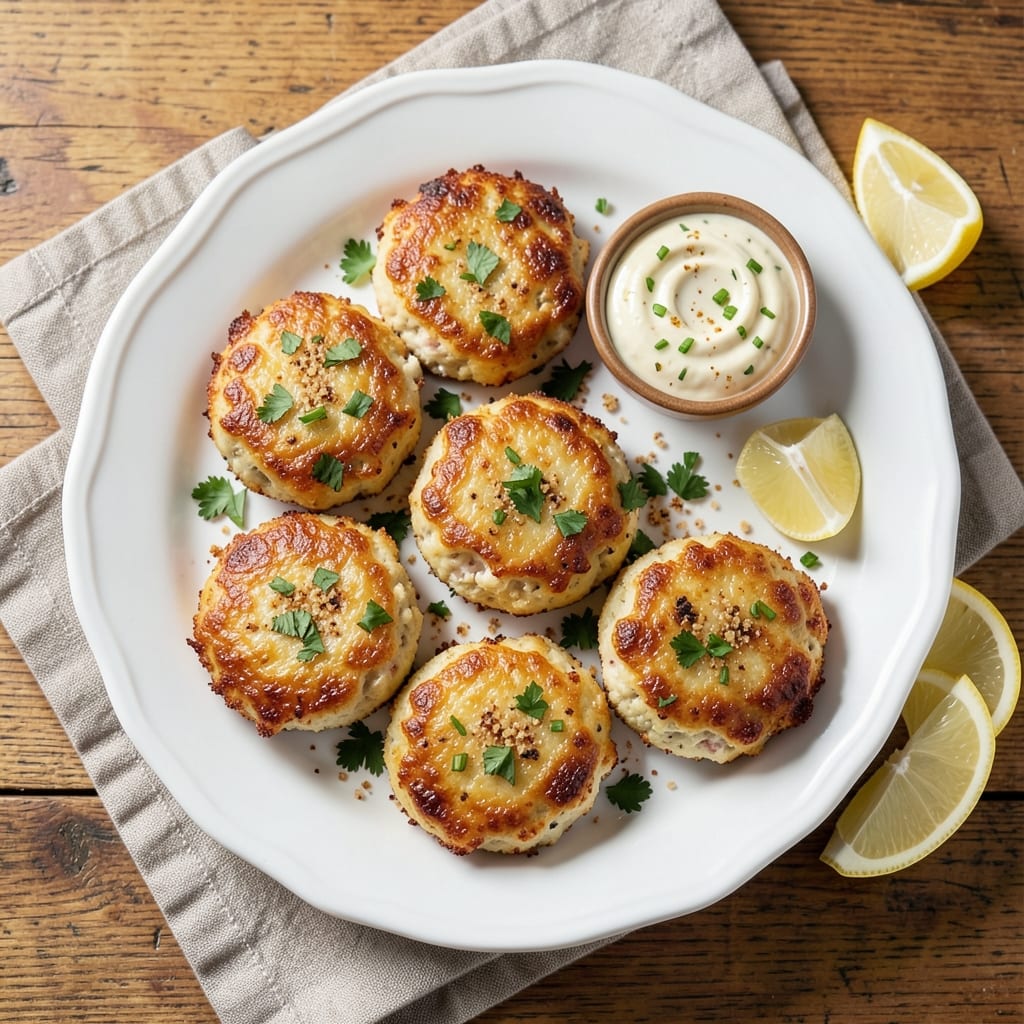
This baked crab cake recipe using Old Bay delivers the perfect balance of crispy crust and zesty, aromatic flavor—no frying required. The secret lies in properly prepping the crab meat and using a light, airy breading that creates that coveted golden-brown crust while keeping the interior tender. I've perfected this technique over years of testing, and it consistently yields restaurant-quality results at home.
The foundation of these crab cakes is fresh, properly chilled crab meat (lump or claw meat works best) bound with just enough egg and mayo to hold together without making them dense. Old Bay seasoning does the heavy lifting here—its signature blend of celery salt, paprika, and black pepper creates that signature Chesapeake Bay flavor that makes these crab cakes irresistible. The key to crispiness is using panko breadcrumbs and baking at the right temperature.
What you'll end up with is a plate of golden, crispy crab cakes with tender, flaky crab meat inside—each bite delivers that perfect balance of savory, slightly sweet, and briny flavors. The Old Bay seasoning shines through in every crispy bite, while the interior remains moist and delicious. These crab cakes are perfect for seafood lovers looking for a lighter alternative to fried versions.
Serve them with classic tartar sauce, a squeeze of lemon, and a side of crisp green salad for a complete seafood meal. The recipe scales beautifully, making it ideal for gatherings or when you want to impress guests with your cooking skills. Let's get started on creating these delicious baked crab cakes!
Ingredients for baked crab cake recipe old bay
Here's what you'll need to create restaurant-quality baked crab cakes with that perfect crispy crust and zesty Old Bay kick!
| Ingredient | Amount | Notes |
|---|---|---|
| Fresh Lump Crab Meat 🦀 | 1 ½ lbs | Chilled, lump or claw meat preferred |
| Large Eggs 🥚 | 2 whole | Cold, beaten lightly |
| Mayonnaise 🥫 | ¼ cup | Light or regular, not low-fat |
| Panko Breadcrumbs 🍞 | ¾ cup | Light and dry, not fine crumbs |
| Old Bay Seasoning 🌶️ | 2 tbsp | Original blend, not imitation |
| All-Purpose Flour 🌾 | ¼ cup | For breading, sifted |
| Unsalted Butter 🧈 | 2 tbsp | Melted, for greasing pan |
| Lemon Juice 🍋 | 1 tbsp | Freshly squeezed, for brightness |
| Celery Salt 🧂 | ½ tsp | For extra Old Bay flavor boost |
| Black Pepper 🌶️ | ¼ tsp | Freshly cracked, for heat |
| Paprika 🌶️ | ½ tsp | Smoked or sweet, for color |
| Ice ❄️ | 1 cup | For chilling crab mixture |
The crab meat is non-negotiable here—lump or claw meat gives you that coveted texture. Grab it from the seafood counter at Whole Foods or Trader Joe's (their pre-packaged lump crab is perfect). If you're buying whole crabs, save the shells for stock later. The crab should be bright white and cold—never thawed or mushy. Old Bay seasoning is the star, so don't skimp. Penzeys or McCormick make the best stuff. Pro tip: mix your Old Bay with a pinch of extra celery salt if you want to dial up that signature flavor.
No panko? Crush regular breadcrumbs in a food processor—they'll be lighter and crispier. Ran out of mayo? Greek yogurt or sour cream works in a pinch (just reduce by half). The eggs need to be cold—pop them in the freezer for 10 minutes before beating. Want more crunch? Add 1 tbsp crushed cornflakes to the breading mix. The lemon juice is key—freshly squeezed makes all the difference. If you're prepping ahead, mix everything except the breadcrumbs and store in an airtight container for up to 6 hours in the fridge.
These crab cakes are best served fresh from the oven, but they reheat beautifully. Pop them in a 350°F oven for 8-10 minutes to restore crispiness. Store leftovers in the fridge for 2 days or freeze for 1 month. For gatherings, assemble the crab cakes ahead and refrigerate on a tray—this prevents sticking. The Old Bay flavor intensifies as they cool, so they actually taste better the next day. Serve with tartar sauce, lemon wedges, and a crisp salad for the full Chesapeake experience.
Why You'll Love This Recipe
- No-Fuss Binding: I swear by the mayo and egg combo here—it holds those crab cakes together without falling apart when I pull them out of the oven. No extra binder, no extra stress, just that perfect crunch from the panko.
- Old Bay Magic: That seasoning isn’t just flavor—it’s character. The black pepper and paprika give these a sharp, briny kick that makes them taste like a coastal breeze, not just another crab cake.
- Weeknight or WOW: Serve them as a snack with lemon wedges, or plate them with a crisp salad for a dinner that feels fancy. Honestly, I’ve even frozen half the batch for lazy days when I just want that same taste without the effort.
- Leftovers That Don’t Suck: Unlike fried crab cakes that turn greasy, these stay crispy (thanks to the panko) and reheat beautifully. I’ll be real—my kids actually ask for them the next day, which never happens with seafood.
Step-by-step instructions for baked crab cakes with Old Bay
Here's how to create golden, crispy crab cakes that balance perfect texture with bold Old Bay flavor.
Prepare the Crab Mixture
In a large mixing bowl, combine the 1.5 lbs fresh lump crab meat, 0.25 cup mayonnaise, 1 tbsp lemon juice, 0.5 tsp celery salt, 0.25 tsp black pepper, and 0.5 tsp paprika. Gently fold everything together using a rubber spatula—you want to keep those delicate crab lumps intact while distributing the flavors evenly.
Here's the thing—don't overmix. Just until everything comes together. The crab should look moist but not watery. If it seems too dry, add a teaspoon of ice water at a time until you reach the right consistency. The mixture should hold together when pressed but still look fluffy, not compacted.
Chill the Crab Mixture
Transfer the crab mixture to a shallow dish and cover it tightly with plastic wrap. Place the dish in the freezer for 15 minutes while you prepare the rest of the ingredients. This chilling step is crucial—it firms up the crab just enough to hold its shape when baking, preventing those dreaded crumbly crab cakes.
I know it seems like a short time, but trust me on this. The cold temperature also helps the flavors meld before baking, giving you that cohesive taste in every bite. While it's chilling, melt the 2 tbsp unsalted butter in the microwave for about 20 seconds—this will be used to grease your baking pan.
Form and Bread the Crab Cakes
In a separate bowl, mix together the 0.25 cup all-purpose flour, 0.75 cup panko breadcrumbs, and 2 tbsp Old Bay seasoning. This is your breading station. Once your crab mixture is chilled, use a ½-cup scoop (or your hands) to form the mixture into 4 equal-sized patties, about ¾-inch thick. Place them on a plate and gently press down to create flat, even surfaces.
Now for the breading. Dip each crab cake into the flour mixture, pressing gently to adhere the coating. Then dip into a second bowl with just 0.25 cup panko breadcrumbs to create that extra-crispy outer layer. Place the breaded crab cakes on a parchment-lined baking sheet, spacing them about 1 inch apart—this allows for even browning and crisping.
Bake to Golden Perfection
Preheat your oven to 400°F while the crab cakes rest for 5 minutes—this helps them hold their shape better. Lightly brush the tops of the crab cakes with any remaining melted butter, then bake for 12-15 minutes until the edges are deep golden brown and the internal temperature reaches 165°F.
Don't walk away during the last few minutes. You want to catch them at that exact moment when they're golden but not burnt. The crab cakes should be firm to the touch and have that irresistible crispy crust that snaps when you press gently. If they brown too quickly, tent them loosely with foil for the last 2-3 minutes to prevent over-browning.
Rest and Serve
Transfer the baked crab cakes to a wire rack and let them rest for 5 minutes before serving. This resting period allows any residual moisture to redistribute, keeping the inside juicy while the outside stays crispy. Serve immediately with your favorite tartar sauce, lemon wedges, or a simple side salad.
Here's the moment that matters: the first bite should deliver that perfect balance of crispy exterior and tender, flavorful crab inside. The Old Bay seasoning should sing through every bite, brightened by the lemon and enhanced by the buttery crust. If they start to lose their crispiness as they cool, pop them back in the oven for 1-2 minutes to restore that golden crunch.
Pro Tips For Making Baked Crab Cake Recipe Old Bay
- CHILL THE CRAB FIRST: Fresh lump crab meat is cold from the sea—don’t let it sit at room temp while mixing. Spread it on a plate and refrigerate for 15-20 minutes before handling. I learned this the hard way when my first batch turned into a sticky, soupy mess instead of holding its shape.
- USE A LITTLE WATER: Mix in 1 tablespoon cold water with the mayo and egg—just enough to loosen the crab without making it soggy. This keeps the texture light and prevents the cakes from cracking when baking. (Yes, even if the recipe doesn’t say it.)
- PRESS THE PANKO HARD: Don’t just sprinkle panko on top—pack it firmly into the edges of each cake with your fingers. This creates a sturdy crust that won’t crumble when flipping or serving. I skip this step sometimes, and the cakes fall apart like wet sand.
- BAKE LOW AND SLOW: 350°F is too hot—crank it down to 325°F and bake for 12-15 minutes. The lower temp ensures even cooking without burning the outside while the center stays tender. After burning three batches at high heat, I finally got it right.
Pro cooking tips for this recipe
Old Bay Mastery
Old Bay seasoning is the soul of these crab cakes, so measure it precisely—2 tablespoons for the breading plus an extra ½ teaspoon celery salt if you want to intensify that signature Chesapeake flavor. I recommend Penzeys or McCormick for the real deal. Mix it thoroughly with the panko and flour before breading to ensure even distribution. 🌶️
Pro tip: Toast your Old Bay seasoning in a dry pan over low heat for 30 seconds before mixing it into the breadcrumbs. This blooms the spices and deepens their aroma, giving your crab cakes an extra layer of flavor complexity. Just be careful not to burn it!
Crab Meat Prep
Never use thawed or pre-cooked crab meat—it's the difference between restaurant-quality and disappointing results. Look for lump or claw meat that's bright white and still cold from the seafood counter. Drain it thoroughly and pat it dry with paper towels to remove excess moisture, which prevents soggy crab cakes. 🦀
For extra tenderness, add 1 tablespoon ice water to your crab mixture if it seems too dry. This keeps the texture fluffy while binding everything together. I also like to fold in 1 teaspoon Dijon mustard for a subtle tang that cuts through the richness.
Breading Secrets
Use panko breadcrumbs exclusively—they're lighter than regular breadcrumbs and create that perfect crispy crust. For even more crunch, mix in 1 tablespoon crushed cornflakes with the panko. Double-dip your crab cakes: first in the flour mixture, then in a second bowl of plain panko for that extra-crispy outer layer. 🍞
Don't overcrowd your baking sheet—space the crab cakes about 1 inch apart for even browning. If you're making a big batch, bake them in two rounds rather than overloading the pan. This ensures they cook evenly and develop that golden crust without steaming.
Oven Temperature
Set your oven to 400°F for that perfect balance of crispy exterior and tender interior. If your oven runs hot, reduce the temperature to 375°F and bake for 18-20 minutes. Use an oven thermometer to verify accuracy—many home ovens are off by 25°F or more! 🌡️
For extra insurance, place your baking sheet on the middle rack where heat circulates most evenly. If the tops brown too quickly, tent them loosely with aluminum foil for the last 2-3 minutes of baking. This prevents over-browning while keeping the crust crispy.
Resting Matters
Never skip the 5-minute rest before serving—this crucial step lets the crab cakes firm up and redistribute juices. The result? A crispy exterior that stays crispy and a tender interior that doesn't turn to mush. I like to place them on a wire rack to allow air circulation on all sides. 💡
If you're serving a crowd, keep the crab cakes warm in a 200°F oven on a wire rack for up to 30 minutes. This maintains crispiness better than covering them, which traps steam and makes them soggy. For leftovers, store them in an airtight container and reheat at 350°F for 8-10 minutes to restore crispiness.
Nutrition facts
Frequently asked questions
Can I use frozen crab meat for this recipe?
but thaw it properly first! Place frozen crab meat in a colander and run cold water over it for 5-7 minutes until thawed. Drain thoroughly and pat completely dry with paper towels—this prevents soggy crab cakes. Never microwave or use pre-cooked crab meat, as it loses texture and flavor.
Why do my baked crab cakes turn out crumbly?
Crumbly crab cakes usually mean overmixing or improper crab prep. Gently fold the ingredients just until combined, and avoid pressing too hard when shaping. Also ensure your crab meat is properly chilled (15 minutes in freezer) and drained—excess moisture causes separation. For extra binding, add 1 tablespoon ice water if the mixture seems too dry.
How can I make these crab cakes gluten-free?
Swap the flour and panko for 1 cup gluten-free breadcrumbs and ¼ cup gluten-free flour blend. For extra crispiness, add ¼ cup crushed gluten-free cornflakes to the breading. Just be sure all ingredients are certified gluten-free—cross-contamination can ruin the texture. The flavor will still shine through with the Old Bay!
Can I bake these ahead of time?
Yes! Assemble the crab cakes (unbaked) and refrigerate on a tray for up to 6 hours before baking. For make-ahead baking, shape and bread them, then freeze on a tray for 1 hour. Transfer to a freezer bag for up to 1 month. Bake from frozen at 400°F for 18-20 minutes, adding 2-3 minutes to the cooking time.
What's the best way to reheat leftover crab cakes?
For maximum crispiness, pop them in a 400°F oven for 8-10 minutes on a wire rack. Toaster oven works too! Avoid microwaving—they'll turn rubbery. For extra crunch, brush with melted butter before reheating. Store leftovers in an airtight container for up to 2 days (they actually taste better the next day!).