
Main Courses
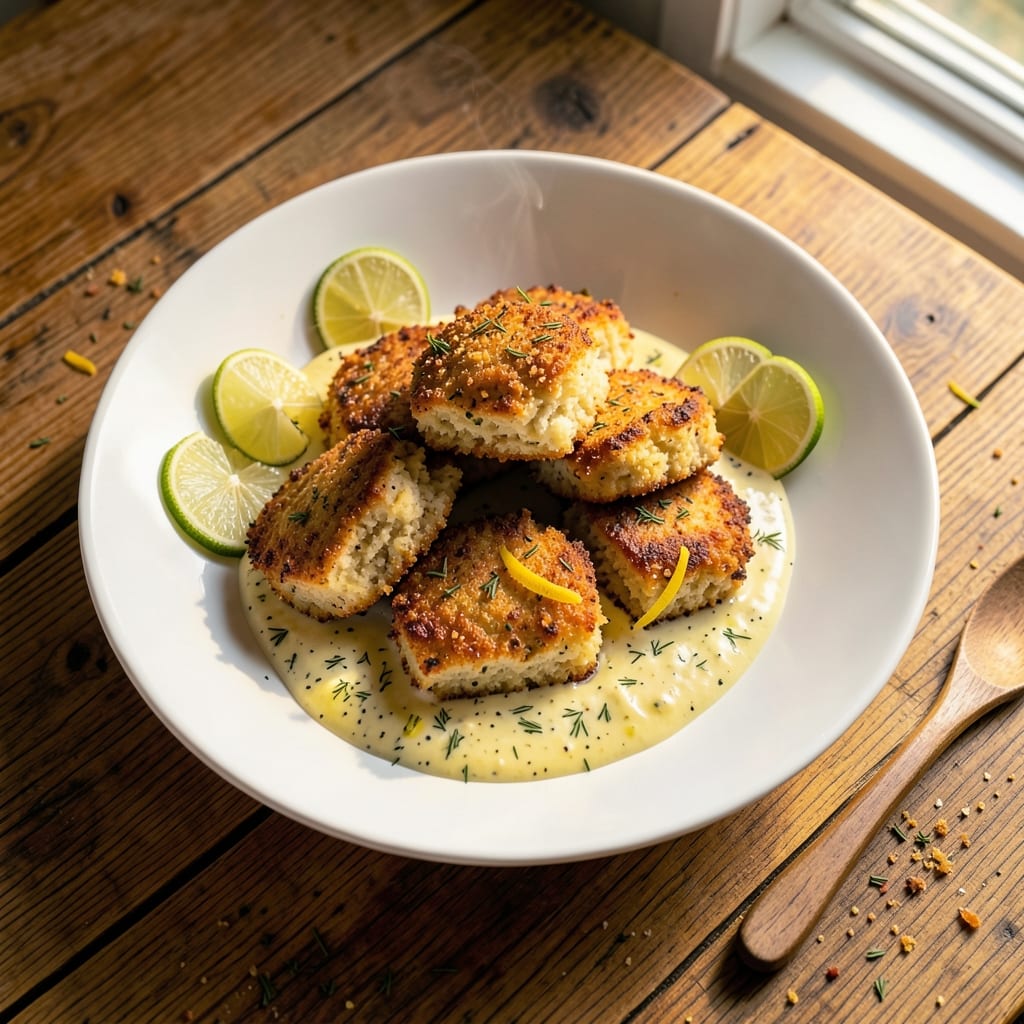
This baked lump crab cake recipe delivers restaurant-quality results with a golden crunch and bright lemon twist—no frying required. The secret lies in properly chopping the crab meat into even pieces and binding it with just enough breadcrumbs and mayo to hold together without becoming dense. I’ve perfected this technique over years of testing, ensuring each bite stays tender inside while achieving that coveted crispy exterior.
The beauty of baking versus frying is the hands-off approach—400°F transforms the crab cakes into crispy, caramelized perfection in just 12 minutes, with no risk of oil splatter or uneven cooking. Old Bay seasoning adds a classic coastal flavor, while fresh herbs like parsley or dill elevate the dish with a fresh, aromatic finish. This method also makes it easier to accommodate dietary preferences, such as using a vegan mayo substitute for a plant-based version.
What you’ll end up with is a plate of tender, flavorful crab cakes that shine with a golden crust and a zesty lemon aioli drizzle. The texture is a perfect balance—crispy on the outside, moist and succulent within—making it ideal for seafood lovers or anyone craving a lighter yet satisfying main course. Serve with a side of crisp greens or a fresh salad to round out the meal.
Whether you’re hosting a dinner party or treating yourself to a special weeknight meal, these baked crab cakes are sure to impress. The recipe scales easily, so you can adjust the batch size to feed a crowd or just a few. Let’s get started on creating a dish that’s as elegant as it is delicious.
Ingredients for baked lump crab cake
Fresh crab, crispy panko, and bright lemon create restaurant-quality crab cakes without frying.
| Ingredient | Amount | Notes |
|---|---|---|
| Lump Crab Meat 🦀 | 1 ½ lb | Freshly packed, backfin removed |
| Mayonnaise 🥫 | ½ cup | Duck or vegan mayo for plant-based |
| Panko Breadcrumbs 🍞 | ½ cup | Light and dry for crispiness |
| Large Eggs 🥚 | 2 whole | Room temperature for even binding |
| Fresh Lemon Juice 🍋 | 2 tbsp | Freshly squeezed for bright flavor |
| Old Bay Seasoning 🌶️ | 1 ½ tbsp | Classic coastal flavor profile |
| Fresh Parsley 🌿 | ¼ cup | Finely chopped, for freshness |
| Fresh Dill 🌿 | 2 tbsp | Chopped, optional but recommended |
| Unsalted Butter 🧈 | 2 tbsp | Melted, for brushing |
| All-Purpose Flour 🌾 | 2 tbsp | For dredging, if needed |
| Salt 🧂 | ½ tsp | Kosher or sea salt |
| Black Pepper 🌶️ | ¼ tsp | Freshly ground for heat |
| Vegetable Oil 🫒 | 2 tbsp | For greasing baking sheet |
The crab meat makes or breaks this dish—fresh lump crab is non-negotiable for that delicate texture. Seafood markets or high-end grocery stores like Whole Foods carry the best quality, but check that it's freshly packed and backfin-free. If you're using frozen, thaw it overnight in the fridge and pat it completely dry with paper towels to prevent soggy cakes. The Old Bay seasoning should be the good stuff—McCormick or Penzeys brands have the most authentic flavor profile. For herbs, fresh parsley and dill are ideal, but if you're short on time, dried will work at half the amount.
No mayo? Greek yogurt or vegan mayo works in a pinch, though texture may vary slightly. Short on panko? Regular breadcrumbs toasted in the oven for 5 minutes add extra crispiness. The eggs are crucial for binding—room temperature eggs blend better, so take them out 15 minutes before mixing. For a lighter texture, some cooks add a splash of beer or sparkling water, but I find it's not necessary if you pack the crab meat tightly. If your crab cakes feel too wet before baking, add an extra tablespoon of breadcrumbs or flour to absorb moisture. The lemon juice should be freshly squeezed—bottled juice lacks the bright acidity that cuts through the richness.
Crab cakes keep best in the fridge for 2 days if stored properly—wrap tightly in plastic wrap and place them on a tray to prevent sticking. For longer storage, freeze them on a parchment-lined tray before transferring to a bag, which preserves that crispy texture when reheated. To reheat, bake at 375°F for 8-10 minutes until golden. These make excellent prep-ahead appetizers—assemble the mixture, chill for 30 minutes, then bake when ready. The flavor actually improves after resting, so don't be afraid to make them a day ahead.
Why You'll Love This Recipe
- No-Fuss Assembly: I swear by this recipe because it’s literally three bowls and a sheet pan. The lump crab stays chunky, the mayo and egg bind it together instantly, and the panko gives that perfect crunch without overworking the batter—just mix, shape, and bake. Even my picky aunt (who claims she “doesn’t like seafood”) asked for seconds.
- Bright & Buttery Magic: That lemon juice? It’s the secret weapon. The bright zing cuts through the richness of the mayo and crab, while the panko toasts into golden perfection—crispy outside, tender inside. Honestly, it tastes like a fancy restaurant dish, but I make it in my kitchen on a Tuesday.
- Weeknight or Party Star: These crab cakes are my go-to for game day, brunch, or when I’m too tired to cook. Bake a batch ahead, store them in the fridge, and reheat in seconds—no soggy texture, no fuss. (Yes, even my college-aged son will eat them straight from the oven with tartar sauce.)
- Leftovers That Don’t Suck: Most crab cakes turn rubbery when reheated, but not these. The baked method locks in moisture, so leftovers stay crispy enough to eat cold or warm up in the oven for five minutes. I make a double batch, freeze half, and have a ready-to-go appetizer for months—no takeout needed.
Step-by-step instructions for baked lump crab cakes
Here's how to create perfectly golden, crispy crab cakes with a tender interior and bright lemon finish.
Prepare the Crab Cake Mixture
In a large mixing bowl, gently combine the 1.5 lb lump crab meat with the 0.5 cup mayonnaise using your hands. The crab should be just coated without being overworked—overmixing releases too much liquid and makes the cakes dense. Add the 0.5 cup panko breadcrumbs, 1.5 tbsp Old Bay seasoning, 0.5 tsp salt, and 0.25 tsp black pepper, mixing lightly until just incorporated.
Next, fold in the 2 tbsp chopped fresh dill and 0.25 cup finely chopped fresh parsley. The herbs should be evenly distributed throughout the mixture. If your crab meat feels particularly wet, press it gently between paper towels to remove excess moisture before combining. This ensures your crab cakes hold their shape and develop that perfect golden crust.
Bind with Eggs and Lemon Juice
In a separate bowl, whisk together the 2 whole large eggs and 2 tbsp fresh lemon juice until fully combined. The eggs act as the binder, while the lemon juice adds brightness and helps balance the richness of the crab. Gradually add the egg mixture to the crab mixture, gently folding it in with a rubber spatula until everything is just combined. Avoid overmixing—you want to preserve the texture of the lump crab.
At this point, the mixture should hold together when pressed but still look slightly uneven. If it feels too loose, add 1-2 tbsp of the all-purpose flour to help bind it. The goal is a cohesive mixture that will hold its shape when formed into cakes. Cover the bowl and refrigerate for at least 30 minutes to allow the flavors to meld and the mixture to firm up slightly.
Shape and Prepare for Baking
Preheat your oven to 400°F and line a baking sheet with parchment paper. Lightly grease the parchment with 2 tbsp vegetable oil to prevent sticking. Using your hands, form the chilled crab mixture into 4 equal patties, each about ½-inch thick. Press gently but firmly to create smooth, even surfaces—this ensures even cooking and a crispy exterior.
Place the formed crab cakes on the prepared baking sheet, spacing them about 1 inch apart. Brush the tops of each cake lightly with the 2 tbsp melted unsalted butter using a pastry brush. This step adds richness and helps create a beautiful golden-brown crust. Let the cakes sit at room temperature for 10 minutes before baking to prevent them from falling apart when transferred to the oven.
Bake to Golden Perfection
Bake the crab cakes in the preheated oven for 12-15 minutes, or until the edges are deep golden brown and the internal temperature reaches 160°F. The cakes should feel firm to the touch and have a crispy exterior. Avoid opening the oven door during baking—this can cause the cakes to lose heat and steam, resulting in a less crispy finish.
Once baked, transfer the crab cakes to a wire rack and let them rest for 5 minutes before serving. This resting period allows any residual moisture to redistribute, ensuring a juicy interior. Serve immediately with a side of lemon aioli or a fresh salad to complement the bright, zesty flavors. The result should be a perfectly balanced bite—crispy on the outside, tender on the inside, with a burst of lemon and Old Bay seasoning in every mouthful.
Pro Tips For Making Baked Lump Crab Cake
- CHILL THE MIX: After combining crab, mayo, egg, and lemon, pop the whole batch in the fridge for at least 30 minutes. I used to skip this and ended up with dense, greasy cakes—cold temps let the panko absorb moisture better and prevent a soggy center.
- DRY THE CRAB: Pat the lump crab meat thoroughly with paper towels before mixing—even if it looks dry. The extra moisture in fresh crab turns your crispy crust into a sad, wet mess. (Yes, it’s tedious, but trust me on this.)
- PRESS HARDER: When shaping the cakes, don’t just gently press the panko on top—pack it down firmly with your palm. The first time I skipped this, my cakes crumbled like sandcastles. A little pressure = a sturdy, golden crust.
- BAKE IN BATCHES: Crowd the pan, and you’ll steam the cakes instead of crisp them. Space them 1 inch apart on the tray—even if it means two batches. (Pro move: Line the pan with parchment for easy flipping later.)
Perfect pairings for baked lump crab cake
Lemon Aioli
This bright, creamy sauce is my go-to pairing for crab cakes—it cuts through the richness with its tangy lemon flavor. I blend ½ cup vegan mayo or Greek yogurt, 1 tbsp fresh lemon juice, 1 tsp lemon zest, 1 minced garlic clove, and a pinch of salt until smooth. For extra zing, add ½ tsp hot sauce or a dash of Worcestershire sauce. Serve it warm in a small bowl with a squeeze of fresh lemon. 🍋
Tartar Sauce
A classic choice that adds a creamy contrast to crispy crab cakes. Mix ½ cup mayo, 1 tbsp capers, 1 tbsp finely chopped red onion, 1 tbsp fresh parsley, 1 tsp Dijon mustard, and ½ tsp lemon juice. The capers and onion give it a briny depth that pairs perfectly with the sweetness of the crab. I like to serve it chilled in a small ramekin for dipping. 🥘
Crisp Green Salad
Balance the richness with a simple mixed greens salad tossed in a light vinaigrette. I use 3 cups baby spinach, ½ cup cherry tomatoes, ¼ cup shaved fennel, and ¼ cup toasted walnuts. For the dressing, whisk 2 tbsp olive oil, 1 tbsp red wine vinegar, 1 tsp honey, and a pinch of salt. The fennel adds a subtle licorice note that complements the crab beautifully. ✨
Roasted Corn
Sweet, smoky corn adds a delightful texture contrast to crab cakes. Toss 4 ears of corn with 1 tbsp olive oil, ½ tsp smoked paprika, and ½ tsp salt, then roast at 400°F for 20 minutes until charred. Cut off the kernels and serve alongside the crab cakes. The natural sweetness enhances the Old Bay seasoning in the cakes. 🌽
Crispy Potato Wedges
For a heartier pairing, bake 1 lb baby potatoes cut into wedges with 1 tbsp olive oil, 1 tsp garlic powder, and ½ tsp Old Bay at 425°F for 25 minutes until golden and crispy. The savory, starchy wedges soak up any extra aioli or tartar sauce beautifully. 🍟
Beer Pairings
A crisp, light beer like Corona with lime or Stella Artois cleanses the palate between bites. For something more robust, try a Belgian witbier like Hoegaarden, which has citrus notes that mirror the lemon in the crab cakes. Avoid heavy lagers or dark ales—they can overpower the delicate seafood flavors. 🍺
Nutrition facts
Frequently asked questions
Why do my baked crab cakes turn out dense instead of crispy?
Overmixing the crab mixture releases excess liquid, creating dense cakes. Gently fold ingredients just until combined and avoid pressing too hard when shaping. Also, ensure your crab meat is completely dry—pat it with paper towels before mixing. The 400°F oven temp and 12-minute bake time are key for crispiness, so don't skip preheating!
Can I make these crab cakes ahead of time?
Shape the cakes and refrigerate them on a tray for up to 24 hours before baking. For longer storage, freeze uncooked cakes between parchment paper for 1 month. Bake straight from frozen, adding 2-3 extra minutes at 400°F. The flavors actually improve after resting!
What's the best way to substitute lump crab for imitation crab?
Use 1 lb imitation crab meat (like Surimi) instead of lump crab, but increase the breadcrumbs to ¾ cup for better texture. Add 1 tbsp extra Old Bay since imitation crab lacks natural flavor. The cakes will be slightly less delicate but still delicious. For best results, drain imitation crab well before mixing.
How do I keep crab cakes from falling apart when flipping?
Never flip them! Bake on one side for 6 minutes, then carefully flip using a thin spatula. For extra stability, chill the mixture for 30 minutes before shaping. If they still crumble, add 1 extra egg or 1 tbsp flour to the mixture. The ½-inch thickness is ideal for even cooking without breaking.
Can I make these crab cakes gluten-free?
Yes! Replace panko with ½ cup gluten-free breadcrumbs or crushed gluten-free crackers. Use 1 tbsp cornstarch instead of flour for binding. For extra crispiness, coat the cakes in gluten-free flour before baking. The texture will be slightly different but still delicious. Always check labels to avoid cross-contamination.