
Main Courses
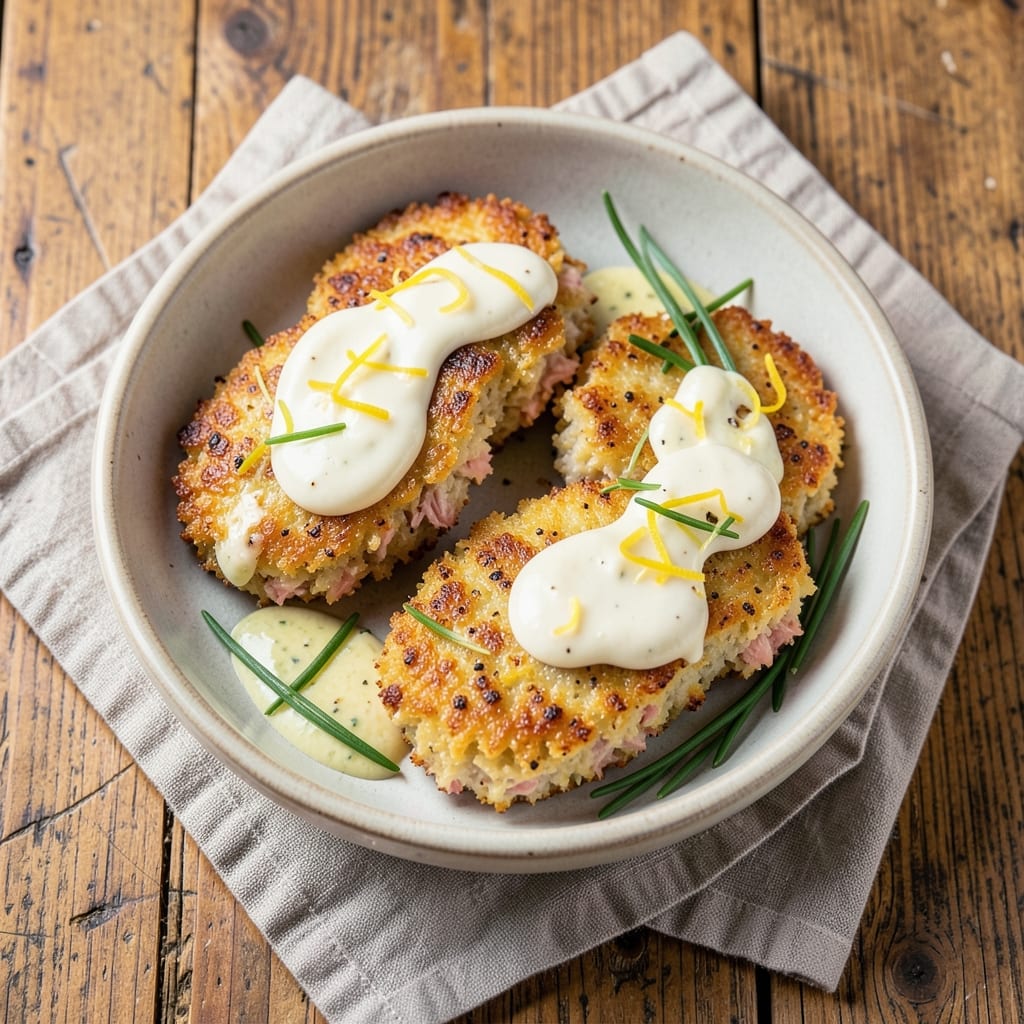
This Aquastar crab cake recipe delivers the perfect balance of crispy shells and fluffy centers that make every bite unforgettable. The secret lies in using premium Aquastar crab meat—sweet, tender, and packed with flavor—paired with a simple yet effective binding of breadcrumbs, mayo, and fresh herbs. What sets these apart is the texture: golden, shatteringly crisp on the outside while staying moist and delicate inside, thanks to a precise cooking technique.
The foundation of great crab cakes starts with the right mix: Aquastar crab meat holds its shape beautifully, but the magic happens in the pan. A light coating of panko breadcrumbs ensures maximum crispiness, while a touch of Dijon mustard and Old Bay seasoning adds depth. The key is cooking them low and slow at first, then finishing with a quick sear to lock in that signature crunch. This method guarantees restaurant-quality results without the fuss.
What you’ll end up with is a plate of crab cakes that look as impressive as they taste—golden brown with just a hint of caramelization, ready to be served with a bright lemon aioli or a sprinkle of microgreens for freshness. The flavor is perfectly balanced: briny from the crab, savory from the seasoning, and creamy from the mayo, all while maintaining that delicate texture that makes crab cakes so special.
These crab cakes shine as a main course for dinner parties or a luxurious lunch, but they’re also simple enough for a weeknight treat. The recipe scales easily, so you can make a batch for four or double it for a crowd. Once you try these, you’ll never go back to store-bought—or even homemade versions that miss the mark on texture.
Ingredients for aquastar crab cake
Premium Aquastar crab meat and crispy panko breadcrumbs create the perfect crab cake texture.
| Ingredient | Amount | Notes |
|---|---|---|
| Aquastar Crab Meat 🦀 | 1 ½ lb | Sweet, lump-style preferred |
| Panko Breadcrumbs 🍞 | ¾ cup | Light and dry for crispiness |
| Mayonnaise 🥫 | ½ cup | Dijon-infused preferred |
| Fresh Lemon Juice 🍋 | 2 tbsp | Freshly squeezed for brightness |
| Dijon Mustard 🍯 | 1 tbsp | For depth of flavor |
| Old Bay Seasoning 🧂 | 1 ½ tsp | Classic crab cake spice blend |
| Fresh Chives 🌿 | 2 tbsp | Finely chopped for garnish |
| Fresh Parsley 🌿 | 2 tbsp | Finely chopped for freshness |
| Large Eggs 🥚 | 1 whole | For binding |
| Unsalted Butter 🧈 | 2 tbsp | For cooking, melted |
| Vegetable Oil 🫒 | ¼ cup | For frying, high smoke point |
| Salt 🧂 | ½ tsp | Kosher or sea salt |
| Black Pepper 🌶️ | ¼ tsp | Freshly ground |
| All-Purpose Flour 🌾 | 1 tbsp | For dredging if needed |
The Aquastar crab meat is non-negotiable for texture—lump-style holds its shape better than ground. Seafood counters at Whole Foods or specialty grocery stores carry it fresh, but frozen works too if labeled lump-style. Look for vibrant color and minimal water content. The panko should be light and dry—if it feels damp, toast it in a dry pan for 2-3 minutes to remove moisture. For the mayo, Hellmann's or Duke's work well, but a homemade Dijon-infused version (just mix 1 tbsp Dijon into regular mayo) adds serious flavor.
No Aquastar? Blue crab or Dungeness crab meat works in a pinch, but expect slightly less sweetness. Short on panko? Regular breadcrumbs toasted in a dry pan do the trick, though they won't be as crispy. The Old Bay is essential—no substitutions—but if you're out, a mix of celery salt, paprika, and cayenne gets close. Fresh herbs can be swapped for dried at one-third the amount, but fresh is ideal. The egg is purely for binding; if you're vegan, flax eggs (1 tbsp ground flax + 3 tbsp water) work perfectly.
Crab meat keeps best in the coldest part of your fridge for up to 2 days once thawed. Panko stays fresh for 3 months in an airtight container. These crab cakes reheat beautifully—2 minutes in a skillet over medium heat restores that crispy exterior. For make-ahead convenience, shape them and refrigerate on a tray for up to 4 hours before frying. Freeze uncooked cakes for 1 month by wrapping individually in parchment.
Why You'll Love This Recipe
- No-Fuss Assembly: I swear by this recipe because it’s about as hands-off as crab cakes get—just mix the Aquastar meat with mayo, mustard, and lemon, then fold in panko. No chopping, no fuss, and no waiting for dough to rise.
- Crispy-Creamy Magic: That golden panko crust meets the tender, buttery crab inside—it’s the kind of contrast that makes you close your eyes mid-bite. The Dijon mustard adds just enough tang to cut through the richness.
- Weeknight to Party: These work just as well for a lazy Tuesday dinner as they do on a fancy charcuterie board. I’ve served them as appetizers, sandwich fillings, and even a quick lunch with greens—no judgment here.
- Budget-Friendly Luxury: Aquastar crab keeps costs down while still feeling special, and the ingredients are all pantry staples. Plus, they reheat beautifully, so you can make a big batch and stretch it across meals without sacrificing flavor.
Step-by-step instructions for Aquastar crab cakes
Here's how to craft restaurant-quality crab cakes with perfect texture every time.
Prepare the Crab Mixture
In a large mixing bowl, gently combine the 1.5 lb Aquastar Crab Meat with the 0.5 cup Mayonnaise, 2 tbsp Fresh Lemon Juice, and 1 tbsp Dijon Mustard. Using your hands, mix just until the ingredients come together—avoid overworking the crab or it will become dense. I like to use my fingers for this step to ensure even distribution without breaking up the crab lumps.
Next, add the 1.5 tsp Old Bay Seasoning, 0.5 tsp Salt, and 0.25 tsp Black Pepper. Fold these in thoroughly, then stir in the 2 tbsp Fresh Chives and 2 tbsp Fresh Parsley. The mixture should be moist but not soupy—if it's too wet, add 1 tbsp All-Purpose Flour to help bind it. The texture should resemble wet sand that holds together when pressed.
Bind with Egg and Panko
In a separate small bowl, lightly beat the 1 whole Large Eggs with a fork until just combined. Add this to the crab mixture and gently fold together. The egg acts as a binder, helping the crab cakes hold their shape during frying. Avoid overmixing—just combine until everything is evenly distributed.
Finally, stir in the 0.75 cup Panko Breadcrumbs. The panko should be evenly distributed throughout the mixture. Here's the thing—don't skip this step. The panko creates that perfect crispy exterior we're after. If you're concerned about the mixture being too wet, add just a bit more panko (about 1-2 tbsp) to ensure proper binding. The mixture should be cool and ready for shaping.
Shape the Crab Cakes
Using your hands, form the mixture into 4 equal patties, each about 1 inch thick. I find it easiest to wet my hands slightly with water to prevent sticking. Press gently but firmly to ensure each patty holds its shape. The edges should be smooth, but don't worry about perfect roundness—rustic shapes work just as well.
Place the shaped crab cakes on a plate and cover with plastic wrap. Refrigerate for at least 30 minutes (up to 2 hours). This chilling step is crucial—it firms up the mixture so it holds together better when frying and prevents them from falling apart in the pan. Real talk: Skipping this step leads to messy, crumbly crab cakes.
Fry to Golden Perfection
Heat 2 tbsp Unsalted Butter and 0.25 cup Vegetable Oil in a large skillet over medium heat until the butter melts and the mixture begins to shimmer—this should take about 2-3 minutes. The oil is ready when a drop of water sizzles and dances on the surface. This ensures a proper sear without burning.
Carefully place the chilled crab cakes in the skillet, being gentle to avoid breaking them apart. Cook for 3-4 minutes per side until they develop a deep golden brown crust. You'll know they're ready when the edges are crispy and the internal temperature reaches 160°F at the thickest part. Don't walk away—keep an eye on them to prevent overcooking, which can make them rubbery.
Serve Immediately
Transfer the fried crab cakes to a paper towel-lined plate to drain any excess oil. Serve them warm, straight from the skillet, while they're still crispy. The contrast between the crispy exterior and fluffy interior is what makes these crab cakes exceptional. If you're serving with a sauce, like tartar or remoulade, add it just before serving to maintain that perfect texture.
Each bite should deliver that satisfying crunch followed by tender, flavorful crab. The Old Bay seasoning and lemon juice brighten the sweetness of the Aquastar Crab Meat, while the panko adds that essential crispiness. Enjoy immediately—they don't hold up well once cooled.
Pro Tips For Making Aquastar Crab Cake
- Drain the Crab Meat Twice: Aquastar crab meat holds more moisture than you’d expect—skip draining it once, and your cakes turn into soggy patties. After opening the package, spread the meat on a paper towel and let it sit for 5 minutes while you prep other ingredients. Then drain it again before mixing. (Yes, it’s extra work, but trust me—your texture will be worth it.)
- Mix Wet Ingredients First: I used to toss everything together dry, and the mayonnaise and lemon juice would clump like wet sand. Instead, whisk the mayo, Dijon, and half the lemon juice first—then fold in the crab and breadcrumbs. This keeps the mixture light and bindable, not dense. (Pro move: reserve 1 teaspoon of lemon juice to brighten the plates before serving.)
- Press the Cakes Firmly: Loose crumbles? That’s how you end up with crumbly, falling-apart cakes. Press the mixture into the pan hard—like you’re trying to make a pancake, not a cloud. Use the back of a spoon to smooth the tops, and don’t skimp on the pressure. (They’ll hold together when fried, I promise.)
- Pan Must Be Ripping Hot: I learned this the hard way—cool oil = greasy, uneven cooking. Heat a nonstick or cast-iron skillet over medium-high until a drop of water sizzles violently, then add about ¼ inch of oil. The cakes should sear golden in 2–3 minutes per side, not steam. (If they’re browning too fast, lower the heat slightly—but don’t walk away.)
Troubleshooting great aquastar crab cake
Crab Meat Too Wet?
If your Aquastar crab mixture feels overly wet, resist the urge to add more panko immediately. Instead, try adding 1 tbsp all-purpose flour first—it absorbs moisture without altering texture. For extra insurance, place the mixture in a fine-mesh strainer over a bowl and gently press with a spatula to remove excess liquid. This works wonders for maintaining that perfect wet sand consistency needed for binding. 💡
Crust Not Crispy?
Undercooked crust happens when heat isn't hot enough or cakes aren't chilled properly. First, ensure your pan is over medium-high heat—test with a drop of water that sizzles vigorously. Second, never skip the 30-minute chill before frying. For extra crispiness, press the cakes firmly into the panko mixture before shaping, creating a thicker crust layer. A quick 1-minute flip at the end also helps set that golden exterior. 🔥
Cakes Falling Apart?
This usually means insufficient binding. The egg is your secret weapon—make sure it's fully incorporated without overmixing. If the mixture still feels unstable, add 1-2 tbsp extra panko or 1 tbsp crushed cornflakes for additional structure. For stubborn cases, use a ring mold to shape the cakes—this provides extra support during frying. Chill again for 15 minutes if needed before attempting to fry. 🧂
Uneven Cooking?
Uneven browning occurs when cakes aren't uniform in thickness or heat isn't distributed properly. Use a kitchen scale to divide the mixture into 4 equal portions (about 0.375 lb each) for consistent sizing. For stubborn hot spots, use a 12-inch cast iron skillet—it distributes heat more evenly than nonstick pans. If one side browns faster, reduce heat slightly or rotate the pan occasionally. A meat thermometer ensures even doneness at 160°F internal temp. ✨
Sauce Soaking In?
Adding sauce too early destroys that perfect crispy texture. Instead, serve your crab cakes immediately after frying and let guests add sauce at the table. For restaurant-style presentation, drizzle sauce just before serving—this maintains the crispy exterior while adding flavor. If you must pre-sauce, place cakes on a wire rack over a paper towel-lined tray to prevent sogginess. 🍋
Storage Issues?
Cooked crab cakes reheat best in a 350°F oven for 5-7 minutes on a wire rack to restore crispiness. For storage, place them in an airtight container with parchment paper between layers to prevent sticking. They keep well in the fridge for 2 days or freeze for 1 month—thaw overnight in the fridge before reheating. Never microwave from frozen, as this creates a rubbery texture. ❄️
Nutrition facts
Frequently asked questions
Can I make these crab cakes ahead of time?
You can absolutely prep them in advance! Shape the crab cakes and refrigerate them on a tray for up to 4 hours before frying. For longer storage, freeze uncooked cakes (wrapped individually in parchment) for 1 month. Just thaw overnight in the fridge before cooking. Never freeze cooked crab cakes—they lose their crispy texture when reheated.
What's the best way to serve these with sauce?
Always serve sauce on the side or drizzle it just before eating to preserve that perfect crispy crust. Lemon aioli, tartar sauce, or remoulade pair beautifully. For restaurant-style presentation, place cakes on a wire rack over paper towels to prevent sogginess. Add sauce tableside for maximum crunch.
Can I use frozen Aquastar crab meat?
Yes, but thaw it completely first in the fridge (overnight) or under cold running water. Drain thoroughly and pat dry with paper towels to remove excess moisture. Frozen crab meat works just as well as fresh, but proper thawing prevents a watery mixture. The key is using lump-style crab—it holds its shape better than ground.
How do I make these gluten-free?
Replace panko with gluten-free breadcrumbs (toasted for extra crispiness) and use a gluten-free flour blend if needed to absorb moisture. For binding, flax eggs (1 tbsp ground flax + 3 tbsp water) work perfectly instead of regular eggs. Test your gluten-free panko first—some brands are denser than traditional panko.
Why do some recipes call for baking instead of frying?
Baking gives a lighter texture but lacks that signature crispy crust. For oven-baked versions, press cakes firmly into a buttered pan and bake at 400°F for 12-15 minutes. However, frying creates that golden, shatteringly crisp exterior that defines great crab cakes. The butter-oil mixture in the pan is key for that restaurant-quality crunch.