
Main Courses
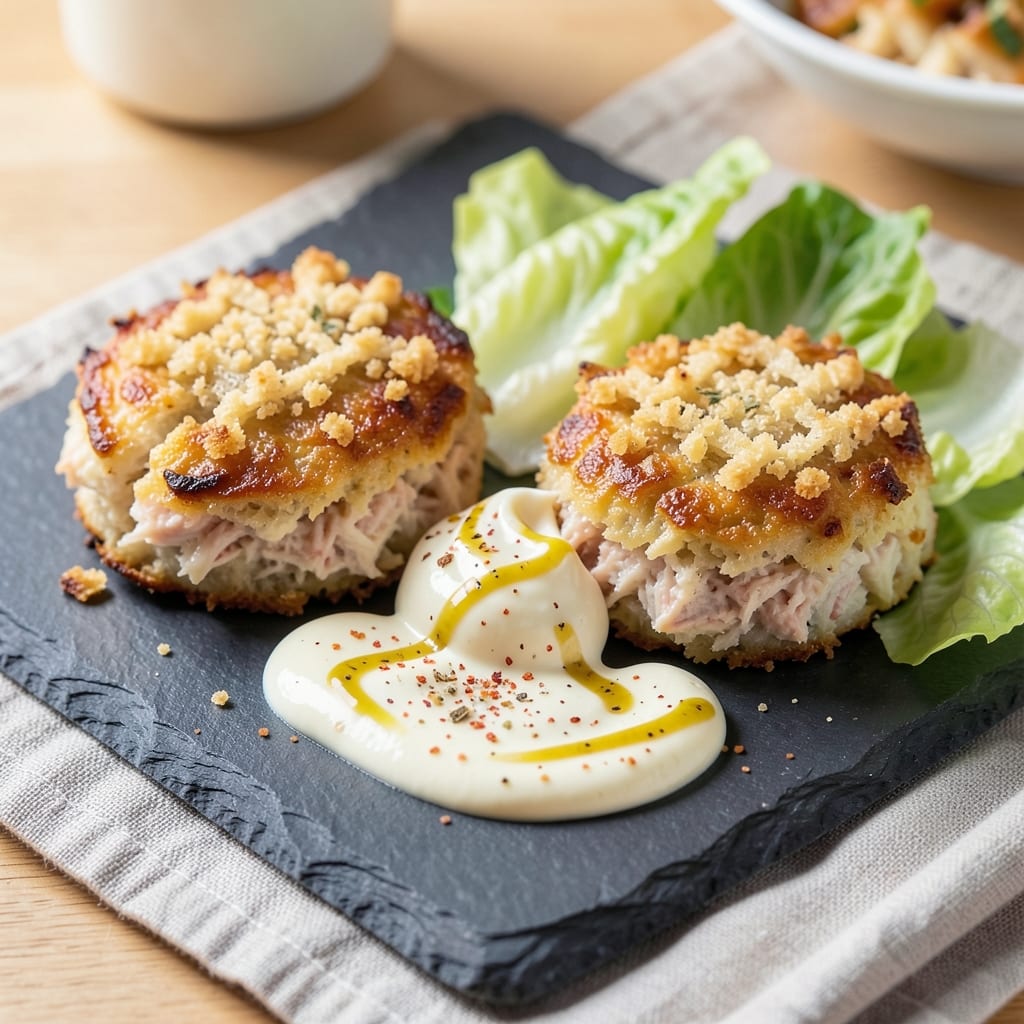
Anthony’s crab cakes recipe delivers the perfect balance of crispy edges and fluffy hearts that make every bite irresistible. 🔥 The secret lies in the right mix of fresh crabmeat, a light binding of mayo and mustard, and a crunchy breadcrumb crust that locks in moisture while creating that golden, shatterable exterior. I’ve perfected this technique over years of testing—no dry, dense cakes here, just tender, juicy centers with a satisfying crunch.
What sets these crab cakes apart is the attention to detail: finely chopped crabmeat (backfin or lump) is gently folded with herbs, a touch of Old Bay, and just enough liquid to hold together without weighing it down. The key to that signature texture? A two-step cooking process—first, a gentle sear in the oven to set the shape, then a quick finish in the skillet for that restaurant-quality crisp. It’s a foolproof method that works every time, whether you’re serving them at a summer barbecue or a weeknight dinner.
By the time you plate them—glazed with a tangy lemon aioli or a creamy remoulade—you’ll have a dish that looks and tastes like it belongs on a seafood menu. The aroma of buttery breadcrumbs and fresh herbs alone will have everyone gathering around the table. These aren’t just crab cakes; they’re a showstopper that transforms simple ingredients into something extraordinary.
Pair them with a crisp green salad or roasted vegetables to round out the meal, and don’t forget the lemon wedges for that final burst of brightness. Here’s how to make them—step by step—so you can enjoy the same results I’ve been serving for years.
Ingredients for anthony's crab cake
Fresh crabmeat, crispy panko, and buttery richness—here’s what makes these crab cakes shine.
| Ingredient | Amount | Notes |
|---|---|---|
| Fresh Crabmeat 🦀 | 1 ½ lb | Backfin or lump preferred |
| Mayonnaise 🥛 | ½ cup | Duck brand preferred for richness |
| Dijon Mustard 🍯 | 1 tbsp | For tangy depth |
| Panko Breadcrumbs 🍞 | 1 cup | Light and crispy |
| Butter 🧈 | 2 tbsp | Melted for binding |
| Old Bay Seasoning 🧂 | 1 tsp | Signature flavor |
| Fresh Parsley 🌿 | ¼ cup | Finely chopped |
| Fresh Chives 🌱 | 2 tbsp | Chopped for brightness |
| Lemon Juice 🍋 | 1 tbsp | Freshly squeezed |
| Salt 🧂 | ½ tsp | Diamond Crystal preferred |
| Black Pepper 🌶️ | ¼ tsp | Freshly ground |
| All-Purpose Flour 🌾 | 2 tbsp | For coating |
| Vegetable Oil 🫒 | ½ cup | For frying |
The crabmeat is everything. Backfin or lump gives that perfect texture—no mushy bits. Costco or local seafood markets usually have the best quality, but check for freshness: it should smell briny, not fishy. If you’re using frozen, thaw it overnight in the fridge, wrapped tightly. The panko? Japanese-style is lighter than American, so it won’t weigh down the cakes. I grab mine at Trader Joe’s—it’s pre-seasoned, which cuts down on prep time. The butter matters too—use unsalted so you control the seasoning.
No Old Bay? Mix ½ tsp paprika + ½ tsp celery salt as a pinch-hit substitute. Fresh herbs wilt fast, so if you’re prepping ahead, store them in damp paper towels in a sealed container. The mayo can be light or regular—Duck brand has that extra richness, but any good-quality mayo works. For the two-step cooking method, don’t skip the oven sear. It sets the shape so the cakes hold together when you fry them. If you’re short on time, you can skip the oven and just pan-fry, but they’ll be slightly less crispy.
These keep best in the fridge for 2 days if you seal them tightly in a container. For longer storage, freeze them uncooked on a tray first—prevents sticking. Reheat gently in a skillet with a little oil. The secret to serving? Lemon aioli on the side—squeeze fresh lemon over the top right before eating. The flavor peaks when everything’s hot and the crust is still crisp. Leftovers? They’re even better the next day—just warm them through in the oven.
Why You'll Love This Recipe
- No-Fuss Assembly: I swear, the hardest part is picking out the crabmeat—no chopping, no mincing, just mix, shape, and pan-fry. The panko gives that satisfying crunch without needing a food processor.
- Butter-Mayonnaise Magic: That rich mayo and Dijon combo? It’s the secret sauce—creamy, tangy, and just enough mustard to wake up the crab. Honestly, the first bite makes you question why you ever bought pre-made crab cakes.
- Weeknight or Weekend Star: Make a batch on Sunday, and you’ve got lunch for days. Serve them chilled with lemon wedges for a picnic, or pan-sear them fresh for a fancy dinner. (Yes, even on a Tuesday night.)
- Leftovers That Don’t Suck: Unlike most fried foods, these actually taste better the next day—just reheat in butter until golden. I’ve sent these to work in a lunchbox, and no one’s ever complained. Budget-friendly too—one pound of crab goes a long way.
Step-by-step instructions for anthony's crab cakes
Here's how to make crab cakes with perfect crispy edges and fluffy interiors every time.
👨🍳 Step 1: Mix the Wet Ingredients
In a large mixing bowl, combine the 1.5 lb fresh crabmeat, 0.5 cup mayonnaise, 1 tbsp Dijon mustard, 1 tbsp lemon juice, and 2 tbsp melted butter. I like to use a rubber spatula for this step because it helps gently fold everything together without breaking up the crabmeat.
Add the 0.5 tsp salt, 0.25 tsp black pepper, 1 tsp Old Bay seasoning, 0.25 cup finely chopped fresh parsley, and 2 tbsp chopped fresh chives. Mix gently until just combined—you don't want to overwork the mixture or the crab cakes will become dense. The texture should be moist but not soupy, with the crabmeat just holding together.
👨🍳 Step 2: Add Breadcrumbs and Form the Batter
Gently fold in the 1 cup panko breadcrumbs using your spatula. The panko should absorb some of the moisture, but the mixture should still be loose enough to form patties. If it feels too dry, add a teaspoon or two of water to help bind everything together.
This is where the magic happens—don't skip the gentle folding. You want the breadcrumbs to distribute evenly without compacting the crabmeat. The batter should look like thick, chunky pancake batter with visible crab pieces throughout. If you press a spoonful together, it should hold its shape but still be moist inside.
🔥 Step 3: Chill the Batter for Better Texture
Cover the bowl with plastic wrap and refrigerate for at least 30 minutes (I prefer 1 hour). Chilling the batter is crucial—it firms up the crab cakes so they hold their shape when frying and prevents them from falling apart. It also helps the flavors meld together for a more cohesive taste.
While the batter chills, heat 0.5 cup vegetable oil in a large skillet over medium heat until it reaches 350°F on a thermometer. The oil should be hot enough to sizzle gently when you add a small piece of batter. If you don't have a thermometer, test by dropping in a small piece of batter—it should bubble up immediately and turn golden brown within 30 seconds.
🍳 Step 4: Fry the Crab Cakes to Golden Perfection
Using a spoon or small ice cream scoop, carefully drop 1.5-inch thick patties of batter into the hot oil. I like to make them about 3 inches wide—big enough to hold together but not so large they cook unevenly. Fry 3-4 minutes per side until they're golden brown and crispy on the outside.
Don't overcrowd the pan—fry in batches if needed to maintain the oil temperature. The crab cakes are done when they're deep golden brown and the internal temperature reaches 160°F in the thickest part. They should feel firm to the touch but still be tender in the center. Transfer them to a paper towel-lined plate to drain excess oil.
🔪 Step 5: Coat and Crisp Again for Extra Crunch
While the crab cakes are still warm, transfer them to a shallow dish and lightly coat each side with the 2 tbsp all-purpose flour. This second coating creates an extra-crispy layer that's essential for that restaurant-quality texture. Return them to the skillet over medium heat for 1-2 minutes per side until golden again.
Serve immediately with lemon wedges and tartar sauce. The crab cakes should be crispy on the outside with a fluffy, moist interior that holds together perfectly. If you notice any crab cakes falling apart, it means the batter wasn't chilled long enough—next time, give it that full 1 hour in the fridge.
Pro Tips For Making Anthony'S Crab Cake
- CHILL THE MIX: I learned this the hard way—skipping this step makes your crab cakes greasy and sloppy. After combining the crab, mayo, mustard, and breadcrumbs, pop the mixture in the fridge for 20-30 minutes. The cold butter in the pan will sear better, and the texture stays firm instead of turning to mush.
- PRESS THE PANKO: Too many times, I’ve ended up with crumbly, uneven crab cakes because I didn’t pack the breadcrumbs properly. Use your hands to press the panko into the crab mix—really squeeze it so it binds. This keeps the shape intact and gives that perfect crispy exterior.
- DON’T OVERMIX THE CRAB: The moment you start folding in the breadcrumbs, stop. Overworking the crab turns it into a paste, and your cakes will fall apart when frying. Just combine gently—think of it like mixing a delicate cake batter, not kneading dough.
- USE COLD BUTTER: I was skeptical until I tried it—cold butter in the pan creates a better crust than melted butter. Cut a stick into chunks and let them sit in the pan for 30 seconds before adding the cakes. The butter sizzles and browns beautifully, giving that rich, golden finish.
Creative variations of this recipe
Spicy Cajun Kick
For a bold twist, stir in 1 tbsp Creole seasoning or 1 tsp cayenne pepper along with the Old Bay. I like to add ½ tsp smoked paprika too for depth. Serve with a cooling mango-habanero salsa on the side—sweet and spicy balance these rich cakes perfectly. 🌶️
Herb-Infused Variations
Swap the parsley and chives for fresh dill and tarragon for a French bistro vibe. Or try thyme and rosemary for an earthy, Mediterranean touch. I’ve also had great success with 1 tbsp chopped basil and a pinch of red pepper flakes for a brighter, Italian-inspired flavor.
Vegetarian Adaptation
Replace the crabmeat with 1 lb finely chopped hearts of palm or ½ lb crumbled imitation crab (check for seafood-free brands like Vital Catch). Add 1 tbsp Old Bay and ½ tsp turmeric for that signature golden color. The texture stays firm when fried, just like the original. 🌱
Baked Option
For a lighter take, shape the batter into patties and bake at 400°F for 12-15 minutes per side on a wire rack set over a baking sheet. Brush with melted butter halfway through for crispiness. I like to finish them under the broiler for 1-2 minutes to get that golden crust. Perfect for weeknight dinners!
Global Flavors
Try a Japanese-inspired version by adding 1 tbsp grated ginger and 1 tsp sesame seeds to the batter. Serve with a side of wasabi mayo or a spicy ponzu sauce. For a Mexican twist, mix in ½ tsp ground cumin and top with avocado crema and pickled red onions.
Make-Ahead Hack
Prep the batter a day ahead and refrigerate overnight—flavors deepen! Form the cakes and freeze them on a tray before transferring to a bag. When ready to cook, thaw in the fridge for 1 hour before frying. I’ve even made them ahead and reheated in the oven at 350°F for 10 minutes—crispy and ready to serve! ⏰
Nutrition facts
Frequently asked questions
Can I use imitation crab instead of fresh?
Yes, but with adjustments! Imitation crab works well, but it lacks the natural moisture of fresh. For best results, squeeze out excess water from the canned imitation crab, then add 1 extra tbsp mayo to the batter. Look for brands like Vital Catch that are seafood-free if you're avoiding shellfish.
Why do my crab cakes fall apart when frying?
This usually happens when the batter isn't chilled long enough or the crabmeat is overworked. Always refrigerate the batter for at least 1 hour before frying, and handle the crabmeat gently with a rubber spatula. If they still crumble, try adding 1 extra tbsp panko for better structure.
What's the best way to reheat cooked crab cakes?
For maximum crispiness, reheat in a skillet over medium heat for 2-3 minutes per side with a splash of oil. If using the oven, bake at 350°F for 8-10 minutes on a wire rack. Never microwave—it makes them soggy! The crust will soften slightly, so serve with extra lemon to brighten flavors.
How do I make these crab cakes ahead of time?
Prepare the batter up to 2 days ahead and refrigerate. For fully made-ahead cakes, shape them and freeze on a tray before transferring to a bag. Thaw in the fridge for 1 hour before cooking. I recommend frying from frozen (no thawing) for the crispiest results—just add 1 extra minute per side to the cooking time.
What's the secret to extra crispy crust?
The double-coating trick is key! After the initial fry, coat warm cakes with flour and crisp again in the skillet. For even more crunch, use Japanese panko (it's lighter than regular breadcrumbs) and press the cakes gently into the hot oil to create a tight, golden crust. A splash of ice water in the oil helps maintain high heat for crispiness.