
Breakfast & Brunch
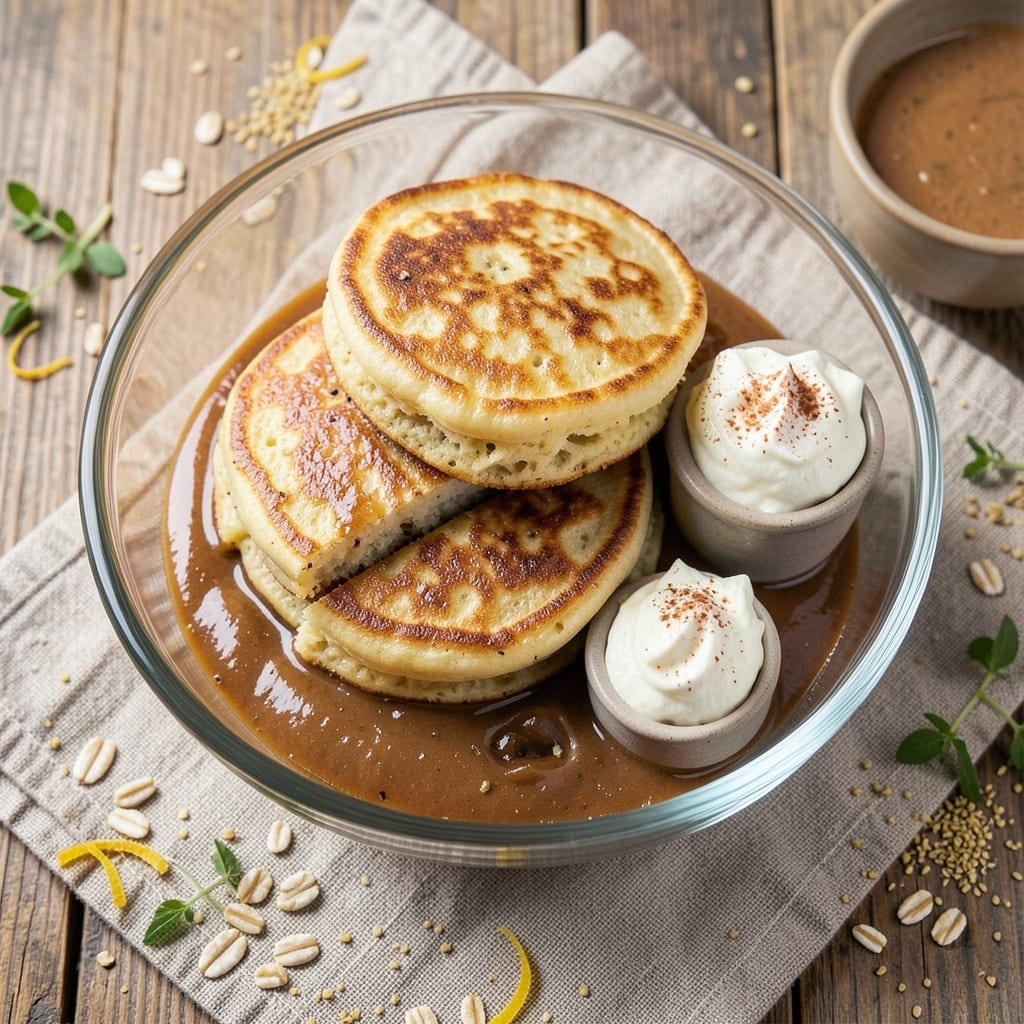
This vegan banana pancake protein powder recipe transforms your morning routine with fluffy stacks that pack 20g of protein per serving—no compromise on taste or nutrition. The secret lies in blending ripe bananas with plant-based protein powder, creating a batter that’s naturally sweet, dense, and perfectly balanced for muscle recovery or meal prep. I’ve tested this recipe with multiple protein brands, and the results are consistently foolproof: crispy edges, tender centers, and a texture that holds up to syrup or nut butter without turning soggy.
The beauty of this recipe is its flexibility—you can adjust the protein powder type (vanilla or unflavored) to suit your taste, and the addition of oats or almond flour ensures the pancakes stay sturdy while cooking. Unlike traditional pancakes, these hold their shape and deliver a satisfying bite, thanks to the protein’s binding properties. No flipping required—just pour, cook, and stack. The banana’s natural sweetness reduces the need for added sugar, making these pancakes a guilt-free indulgence.
What sets these apart is the nutritional punch without sacrificing flavor. Each serving delivers plant-based protein, fiber from the banana and oats, and healthy fats if you add nut butter. Top with fresh berries, a drizzle of maple syrup, or a sprinkle of cinnamon for extra warmth. The pancakes freeze beautifully too, so you can batch-cook for busy mornings. This isn’t just a protein-packed breakfast—it’s a game-changer for anyone balancing health and cravings.
Ready in 15 minutes, this recipe is perfect for meal preppers, fitness enthusiasts, or anyone craving a restaurant-quality stack at home. The key is letting the batter rest for 5 minutes before cooking—this ensures even browning and a lighter texture. Whether you’re fueling up post-workout or starting your day with purpose, these pancakes deliver on both nutrition and satisfaction. Let’s get cooking!
Ingredients for banana pancake protein powder
These protein-packed ingredients create fluffy, restaurant-quality vegan pancakes with 20g protein per serving.
| Ingredient | Amount | Notes |
|---|---|---|
| Ripe Bananas 🍌 | 2 medium | Mashed to no lumps |
| Plant-Based Protein Powder 🥛 | 1 cup | Vanilla or unflavored |
| Quick Oats 🌾 | ¾ cup | Blended into fine powder |
| Almond Milk 🥛 | 1 cup | Unsweetened, vanilla preferred |
| Flaxseed Meal 🌰 | 1 tbsp | For binding, mixed with 3 tbsp water |
| Cinnamon 🌿 | 1 tsp | Ground, for warmth |
| Vanilla Extract 🍯 | 1 tsp | Pure extract preferred |
| Baking Powder 🧂 | ½ tsp | Aluminum-free preferred |
| Salt 🧂 | ¼ tsp | Fine sea salt |
| Coconut Oil 🫒 | 1 tbsp | For cooking, melted |
| Maple Syrup 🍯 | 1 tbsp | For serving, optional |
| Fresh Blueberries 🫐 | ½ cup | For topping, optional |
The bananas are the heart of this recipe—buy slightly overripe for maximum sweetness and creaminess. Trader Joe's and Whole Foods often have the best selection of spotty bananas. The plant-based protein powder matters too—Orgain or Naked Nutrition work perfectly, but any vanilla or unflavored blend will do. For the oats, Bob's Red Mill quick oats blend smoothly, but any quick oats will work. The flaxseed meal is non-negotiable for binding—it replaces eggs beautifully and adds fiber.
No vanilla extract? Almond extract at half the amount works in a pinch. Short on oats? Almond flour at the same quantity keeps the pancakes sturdy. The maple syrup is optional but recommended—Grade B has more flavor than Grade A. For a nutty twist, swap almond milk for cashew milk. The blueberries add freshness, but strawberries or raspberries work just as well. If you're meal prepping, double the batch—they freeze perfectly for up to 3 months.
Store the dry ingredients (protein powder, oats, cinnamon) in airtight containers for up to 6 months. The batter keeps in the fridge for 2 days, but cook it fresh for the best texture. For crispier pancakes, use a nonstick skillet and keep the heat at medium-low. These pancakes reheat beautifully—microwave for 30 seconds with a damp paper towel to restore crispiness.
Why You'll Love This Recipe
- No Blender Needed: I swear by this—just mash those bananas with a fork, stir in the protein powder and oats, and you’re done. No fancy gadgets, no extra steps, just pure simplicity that still delivers.
- Caramelized Banana Magic: That natural sweetness from ripe bananas? It’s like a warm hug for your taste buds, especially when you toast them lightly in the pan. The flaxseed meal adds a nutty depth that rounds it out perfectly.
- Breakfast or Snack Hack: Make a big batch on Sunday—these pancakes reheat beautifully for a quick grab-and-go snack or a post-workout meal. Honestly, I’ve eaten them cold straight from the fridge, and they’re still spot-on.
- Budget Meal Power: Protein powder and oats stretch this recipe into a filling meal without breaking the bank. Between us, I’ve made this for under $1.50 per serving, and it keeps me full for hours.
Step-by-step instructions for banana pancake protein powder recipe
Here's how to create fluffy, protein-packed pancakes that taste indulgent while keeping you fueled.
Create the Flaxseed Egg and Prep Wet Ingredients
In a small bowl, mix the 1 tablespoon flaxseed meal with 3 tablespoons water. Let it sit for 5 minutes until it thickens into a gel-like consistency—this is your egg substitute. Meanwhile, mash the 2 medium ripe bananas in a large bowl until completely smooth with no lumps. The reason for this is to ensure even distribution of the protein powder later.
Add the 1 cup almond milk, 1 tablespoon coconut oil, 1 teaspoon vanilla extract, and 1 tablespoon maple syrup to the mashed bananas. Stir until fully combined. The mixture should be thick but pourable—if it's too thick, add 1-2 tablespoons more almond milk. This step is crucial for achieving the perfect pancake texture without being overly dense.
Blend Oats and Add Dry Ingredients
In a blender or food processor, pulse the 0.75 cup quick oats until they turn into a fine powder. This step ensures your pancakes will be light and fluffy rather than chewy. Transfer the oat flour to your large mixing bowl with the wet ingredients.
Sift in the 1 cup plant-based protein powder, 1 teaspoon cinnamon, 0.5 teaspoon baking powder, and 0.25 teaspoon salt. Gently fold everything together using a spatula until just combined—overmixing will develop gluten and make your pancakes tough. The batter should be thick but still spreadable. If it's too thick, add 1-2 tablespoons more almond milk to reach a consistency similar to heavy pancake batter.
Cook the Pancakes on Medium Heat
Heat a non-stick skillet over medium heat and melt 1 tablespoon coconut oil (or use a light oil spray). Pour ¼ cup batter for each pancake—you should have enough for 4 pancakes. Let the pancakes cook undisturbed for 2-3 minutes until bubbles form on the surface and the edges look set. This is when you'll know they're ready to flip.
Carefully flip each pancake and cook for another 1-2 minutes until golden brown underneath. The pancakes should be cooked through but still tender in the center. If they brown too quickly, reduce the heat slightly. Keep them warm in a 200°F oven while you cook the remaining batter to maintain their warmth and prevent drying.
Assemble and Serve Your Protein Pancakes
Stack your freshly cooked pancakes and top with the 0.5 cup fresh blueberries. Drizzle with an extra 1 tablespoon maple syrup if desired. The blueberries add a burst of freshness that balances the richness of the pancakes while keeping them visually appealing. Serve immediately while they're warm and fluffy—these pancakes are best enjoyed right out of the pan.
For an extra protein boost, you can add a dollop of Greek yogurt or a scoop of your favorite protein powder mixed with a little almond milk on top. Each serving delivers 20g of protein while tasting like a classic breakfast treat—perfect for fueling your morning or post-workout recovery.
Pro Tips For Making Banana Pancake Protein Powder
- Mash Bananas First: I learned this the hard way—dumping whole bananas into the mix makes for lumpy, uneven pancakes. Use a fork to break them down completely before adding anything else, or pulse them briefly in a food processor. The smoother the batter, the lighter the texture.
- Mix Flaxseed Last: Flaxseed meal absorbs moisture like a sponge, and adding it too early turns your batter into a gluey mess. Stir it in just before cooking—this keeps the pancakes tender instead of dense. (Yes, even if you’re impatient like me.)
- Medium Heat Only: Low heat = soggy pancakes. High heat = burnt edges before the center cooks. Crank the stove to medium and adjust as needed—you’re aiming for golden-brown spots in 2-3 minutes per side. No guessing, just patience.
- Prep Protein Early: Plant-based protein powder clumps like crazy if you add it to wet ingredients too quickly. Whisk it into the almond milk first to create a smooth slurry, then mix everything together. This saves you from scraping lumps out of the batter mid-cook.
Essential equipment for this recipe
Non-Stick Skillet
A 10-inch non-stick skillet (like Cuisinart Chef's Classic or Calphalon Nonstick) is my go-to for these pancakes. The non-stick surface prevents sticking, especially when using coconut oil, and ensures even browning. I avoid preheating the skillet too hot—just warm it over medium heat for 1-2 minutes before adding oil. This gentle start keeps the pancakes from burning while cooking through evenly. 🔥
Mixing Bowls
Use a large mixing bowl (at least 2-quart capacity) for combining wet ingredients and a small bowl for the flaxseed egg. I prefer stainless steel or ceramic-coated bowls because they’re durable and easy to clean. The large bowl should comfortably hold all ingredients without overflowing when you fold in the protein powder and oats. A spatula with a flexible edge (like OXO Good Grips) helps gently fold without overmixing.
Blender or Food Processor
For the oats, a high-speed blender (like Ninja BN601) or food processor turns them into a fine powder in 10-15 seconds. Avoid a coffee grinder—it won’t pulverize the oats evenly, leading to chewy pancakes. If you don’t have either, a mortar and pestle works but requires more effort. The goal is fine, flour-like texture—no gritty bits! 🌾
Measuring Tools
Precision matters here! Use a liquid measuring cup for almond milk and coconut oil, and a set of dry measuring spoons (like OXO Stainless Steel) for cinnamon, baking powder, and salt. For the flaxseed egg, a small measuring spoon ensures accuracy—1 tbsp flaxseed meal and 3 tbsp water are critical for proper binding. A digital kitchen scale (like Escali Primo) is optional but helpful for weighing protein powder if you prefer grams.
Oven for Keeping Warm
While cooking, keep pancakes warm in a 200°F oven on the lowest rack. Line a baking sheet with parchment paper for easy transfer. This step prevents sogginess and maintains fluffiness. I use a wire cooling rack on top of the sheet to elevate pancakes slightly—this keeps them crispier longer. If you don’t have a rack, a clean towel works in a pinch. ✨
Optional: Pancake Server
For serving, a pancake server (like OXO Good Grips) makes stacking effortless. It keeps pancakes neat and prevents squishing. No server? Use a slotted spatula to transfer pancakes to a plate, then stack with a tongs for control. A small offset spatula helps drizzle syrup or spread toppings evenly. The key is to work quickly—these pancakes are best served fresh! 🍽️
Nutrition facts
Frequently asked questions
Can I use regular flour instead of oats and protein powder?
Yes, but the texture and protein content will change significantly. For a similar fluffy texture, replace the oats with 1 cup all-purpose flour and reduce the protein powder to ½ cup. The pancakes will be less dense and have about 10g protein per serving instead of 20g. If you want to keep the high-protein benefits, use a 1:1 gluten-free flour blend instead of regular flour.
Why does my batter look too thick or too thin?
If the batter is too thick, add 1-2 tablespoons almond milk at a time until it reaches a pourable consistency—similar to heavy pancake batter. If it's too thin, stir in 1-2 tablespoons more protein powder or oat flour to thicken. The ideal batter should coat the back of a spoon but still flow easily when poured. Overmixing can also make it thicker, so fold gently with a spatula.
How do I make these pancakes gluten-free?
Swap the quick oats for ½ cup gluten-free oat flour (blended from certified GF oats) and use a 1:1 gluten-free flour blend like Bob's Red Mill or King Arthur. Also, ensure your protein powder is certified gluten-free. The flaxseed egg and almond milk are naturally GF, so no other substitutions are needed. Test the batter consistency carefully—GF flours absorb liquids differently.
Can I bake these pancakes instead of pan-frying?
Preheat the oven to 375°F and spray a baking sheet with coconut oil. Pour ¼ cup batter onto the sheet, spreading slightly into 4-inch circles. Bake for 12-15 minutes until golden and set. For extra crispiness, broil for 1-2 minutes at the end. Baked pancakes are perfect for meal prep—they reheat well in the toaster or air fryer.
What’s the best way to store leftovers?
Cool pancakes completely, then stack with parchment paper between each layer. Store in an airtight container in the fridge for 4 days or freeze for up to 3 months. To reheat, microwave for 30-45 seconds with a damp paper towel, or toast in a skillet over medium heat until crispy. Freezing works best when pancakes are fully cooled.