
Desserts
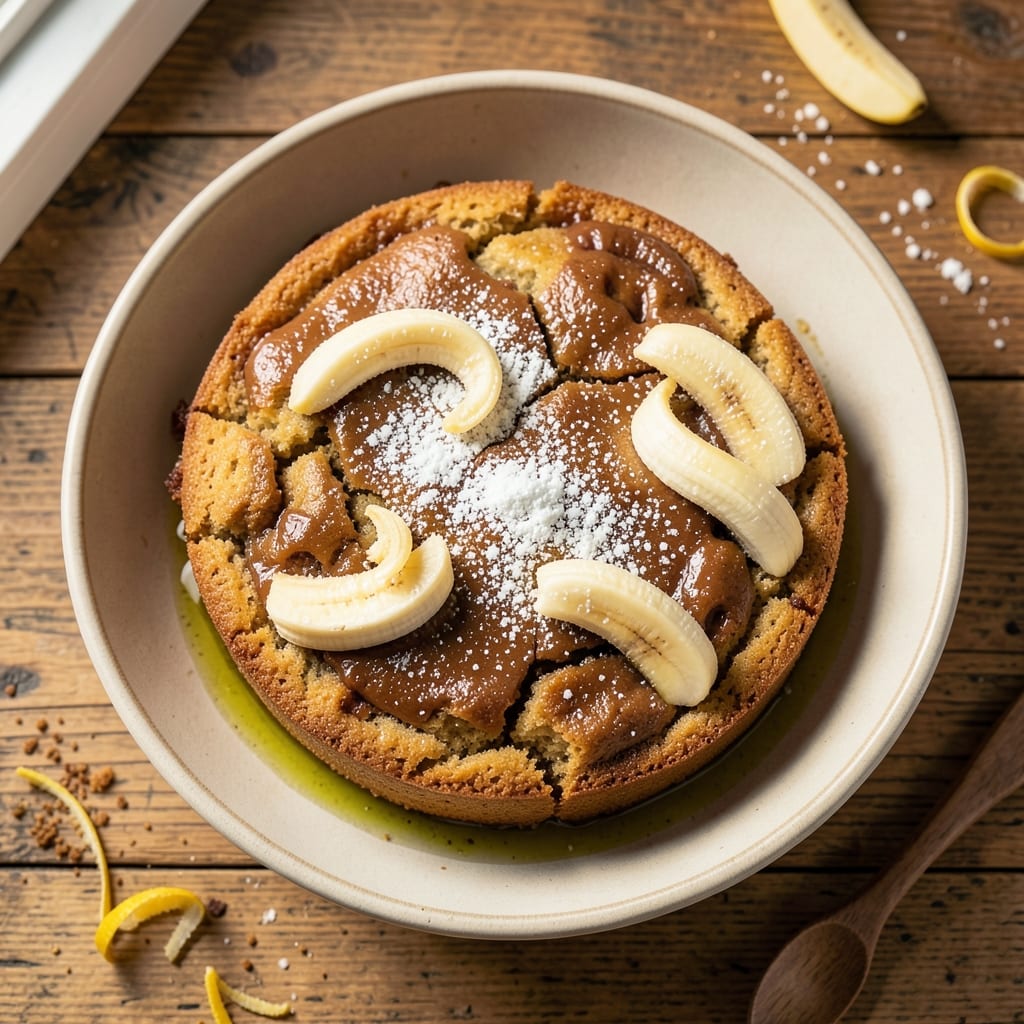
This banana olive oil cake recipe delivers a rich, ultra-moist crumb that stays tender for days—no dry crumb in sight. The secret? Olive oil replaces butter, creating a velvety texture while keeping each slice perfectly balanced. I developed this version after years of baking banana cakes that either turned out dense or crumbly, and this method finally cracked the code.
The citrus zest twist adds a bright, aromatic lift that cuts through the natural sweetness of the bananas, making every bite more complex. Olive oil not only enhances moisture but also adds subtle fruity notes that pair beautifully with the citrus. This cake is foolproof, requiring just 10 minutes of prep and 45 minutes in the oven—ideal for busy weeknights or weekend baking.
What sets this apart is how the olive oil maintains moisture without making the cake greasy, while the citrus zest ensures each slice has a refreshing finish. The result? A cake that’s restaurant-quality at home, with a tender crumb that begs for another slice. Whether you serve it plain or with a light glaze, it’s a crowd-pleaser that disappears faster than you can say "second helping."
For extra indulgence, top with a simple lemon glaze or a dusting of powdered sugar. The possibilities are endless, but the base recipe is already foolproof. Let’s get baking!
Ingredients for banana cake recipe with olive oil
The secret to this ultra-moist banana cake lies in these 13 carefully balanced ingredients.
| Ingredient | Amount | Notes |
|---|---|---|
| Ripe Bananas 🍌 | 2 cups | Mashed, about 2 medium bananas |
| Extra-Virgin Olive Oil 🫒 | 1 cup | Light variety preferred |
| Granulated Sugar 🍚 | 1 ½ cups | White or light brown |
| All-Purpose Flour 🌾 | 2 cups | Sifted, plus extra for pan |
| Baking Soda 🧂 | 1 tsp | Pure, not baking powder |
| Salt 🧂 | ½ tsp | Fine sea salt |
| Lemon Zest 🍋 | 1 tbsp | Freshly grated, no pith |
| Orange Zest 🍊 | 1 tbsp | Freshly grated, no pith |
| Large Eggs 🥚 | 2 whole | Room temperature |
| Vanilla Extract 🌸 | 1 tsp | Pure vanilla preferred |
| Unsalted Butter 🧈 | ½ cup | Melted, for pan greasing |
| Powdered Sugar 🍚 | ¼ cup | Optional glaze, optional |
| Lemon Juice 🍋 | 1 tbsp | For glaze, optional |
The olive oil is non-negotiable here—it’s what turns this cake from dense to velvety. Look for light or extra-light varieties at Whole Foods or Trader Joe's; they have the best selection of fruity, not bitter, oils. Ripe bananas are essential too—press them gently, and if they’re too firm, let them sit at room temperature for an hour. The citrus zest needs to be fresh; pre-grated zest from jars loses its punch. For the flour, King Arthur or Gold Medal brands work best—they’re consistently high-quality. And don’t skimp on the vanilla; pure Madagascar bourbon vanilla makes all the difference.
No extra-virgin olive oil? Avocado oil or melted coconut oil will work in a pinch, though the flavor won’t be quite the same. Short on zest? Double the lemon zest and halve the orange zest—or use just lemon, but you’ll lose that bright complexity. If you’re avoiding sugar, substitute with maple syrup or coconut sugar, but reduce the amount by 20% since they’re sweeter. The baking soda is crucial—don’t use baking powder—and if you’re out, a mix of cream of tartar and baking powder (1 tsp each) can stand in. For the glaze, you can skip it entirely or use honey or agave instead of powdered sugar and lemon juice.
Store leftovers in an airtight container at room temperature for up to 3 days—this cake actually gets better as it sits, so plan accordingly. For longer storage, wrap tightly and freeze for up to 3 months. The glaze, if made, should be used within 2 days of baking. To reheat, wrap a slice in a damp paper towel and microwave for 10 seconds—it’ll taste like it just came out of the oven. And if you’re making this ahead for a party? Bake it a day early, store it properly, and it’ll still be moist and delicious.
Why You'll Love This Recipe
- No-Fuss Mixing: I swear by this recipe because you just mash, pour, and bake—no stand mixer, no buttercream headaches. The olive oil keeps it moist without fuss, and those ripe bananas? They’re already doing half the work by sweetening the batter naturally.
- Rich Yet Simple: Honestly, the flavor punches way above its ingredients. The olive oil adds a subtle depth that’s not too heavy, while the baking soda gives it a light lift. It’s not overly sweet—just perfectly balanced, like a hug in cake form.
- Office Picnic Hero: Between us, this is my go-to for work lunches. Slice it up, wrap it in foil, and it stays fresh for days—no weird textures or soggy bottoms. Plus, it’s the one dessert that never gets left behind.
- Budget Bright Spot: I make this when I need a treat but my wallet’s tight. Olive oil replaces butter, ripe bananas save money over fresh fruit, and a single batch feeds a crowd. That’s three dollars and a few minutes for something people actually ask for seconds on.
Step-by-step instructions for banana olive oil cake
This method delivers a perfectly moist crumb with tender layers—no dryness here.
Prep the Bananas and Mix Wet Ingredients
Mash the 2 cups ripe bananas in a medium bowl until completely smooth—no lumps should remain. The riper the bananas, the sweeter and more tender your cake will be. In a separate large bowl, whisk together the 1 cup extra-virgin olive oil, 1.5 cups granulated sugar, 2 whole large eggs, 1 tsp vanilla extract, 1 tbsp lemon zest, and 1 tbsp orange zest. This mixture should be pale yellow and fully combined, with the citrus zest evenly distributed.
Here's the thing—olive oil keeps the cake incredibly moist, but it's also what gives this recipe its rich texture. Mix these ingredients until smooth, scraping down the sides of the bowl to ensure everything incorporates. The citrus zest adds brightness that balances the natural sweetness of the bananas, so don't skip this step.
Combine Dry Ingredients and Fold Gently
In a medium bowl, sift together the 2 cups all-purpose flour, 1 tsp baking soda, and 0.5 tsp salt. Sifting prevents lumps and ensures even distribution of the leavening agent. Gently fold the dry ingredients into the wet mixture using a spatula, mixing just until combined—you should still see streaks of flour. Overmixing develops gluten, which can make the cake dense instead of tender.
I press down gently on the batter to check consistency—it should be thick but pourable. If it looks too stiff, add 1-2 tablespoons of milk (though the recipe doesn't call for it, this ensures proper texture). The batter will be darker than traditional cake batters due to the olive oil and mashed bananas, which is completely normal and a sign of the moist crumb to come.
Prepare the Pan and Bake
Preheat your oven to 350°F. Generously grease a 9-inch round cake pan with 0.5 cup melted unsalted butter, then dust it lightly with flour, tapping out any excess. Pour the batter into the prepared pan and smooth the top with a spatula. Bake for 45-50 minutes, until a toothpick inserted into the center comes out clean and the edges pull away slightly from the pan.
Don't open the oven during baking—this prevents the cake from rising properly. The top should be golden brown, and the cake should spring back slightly when pressed gently in the center. If the top browns too quickly, tent it loosely with aluminum foil after 30 minutes to prevent over-browning while still allowing it to bake through.
Cool and Glaze (Optional)
Remove the cake from the oven and let it cool in the pan for 10 minutes. Then transfer it to a wire rack to cool completely. While it cools, prepare the optional glaze by whisking together 0.25 cup powdered sugar and 1 tbsp lemon juice until smooth. Drizzle the glaze over the cooled cake and let it set for 5 minutes before serving.
The glaze adds a subtle tangy finish that complements the citrus notes in the cake. If you prefer a simpler presentation, skip the glaze—this cake is already moist and flavorful on its own. Slice into 4 equal servings and enjoy while still slightly warm for the best texture.
Pro Tips For Making Banana Cake Recipe With Olive Oil
- Mash Bananas Thoroughly: I learned this the hard way—lumpy banana batter makes for a dense, uneven cake. Use a fork or potato masher to break up every last speck of banana, then press the mixture through a fine-mesh sieve if you’re impatient. Smooth batter = even rise.
- Use Warm Olive Oil: Cold olive oil can leave pockets of grease in the cake, making it greasy instead of moist. Warm it slightly (just until it’s comfortable to touch) before mixing—this helps it distribute evenly without weighing down the texture. (Yes, even if you’re skeptical.)
- Don’t Overmix the Batter: I’ve ruined more banana cakes by overmixing than I care to admit. Stir just until the flour disappears—about 15 seconds after the dry ingredients are incorporated. Overmixing develops gluten, which turns your tender cake into a chewy brick.
- Check Doneness Early: Olive oil makes this cake rise faster than butter-based versions. Start testing with a toothpick at 25–30 minutes (depending on your oven)—if it comes out with moist crumbs but no wet batter, it’s done. Waiting too long = dry cake. (Your oven lies.)
Common mistakes when making this recipe
Overmixing the Batter
This is my biggest pet peeve when baking banana cakes—the moment someone starts beating that batter like they're trying to win a mixing contest. Olive oil cakes are particularly sensitive because the fat coats the flour differently than butter, and overmixing develops gluten, leading to a tough, dense crumb instead of that tender texture we all love. I always say: "Mix just until combined"—you should still see streaks of flour when you're done. Use a spatula and fold gently to maintain that perfect, cloud-like consistency. 🌬️
Using Unripe Bananas
Here's where beginners go wrong: grabbing those firm bananas straight from the fridge. Unripe bananas add a starchy, almost floury texture that ruins the cake's natural sweetness and moisture. For this recipe, your bananas should be so ripe they're practically brown—press them gently, and they should leave a noticeable dent. If yours aren't ripe enough, let them sit at room temperature for 1-2 hours or place them in a paper bag with an apple overnight. Trust me, the flavor difference is night and day.
Skipping the Olive Oil
This isn't just a substitution—it's the heart of the recipe! Olive oil does more than just keep the cake moist; it adds subtle fruity notes that balance the bananas beautifully. If you're tempted to swap it for butter (because "that's what grandma used"), think again. Butter cakes tend to dry out faster, and the texture becomes more crumbly. Stick with the 1 cup extra-virgin olive oil—it's what makes this cake uniquely tender and rich. Pro tip: Use a light or extra-light variety to avoid any bitter undertones.
Incorrect Pan Preparation
Greasing the pan isn't just about preventing sticking—it's about getting that perfect rise and even browning. I've seen cakes stick so badly they tore apart when trying to remove them. Here's how to do it right: Melt ½ cup butter, coat the pan thoroughly, then dust with flour, tapping out excess. For a 9-inch round pan, this ensures the cake releases cleanly. And for heaven's sake, don't skip the flour—it creates a barrier that makes all the difference. If you're using a non-stick pan, you can skip the flour, but still grease it well.
Overbaking or Underbaking
This is where most home bakers go wrong—either pulling the cake out too soon (because "it looks done") or letting it bake until it's dry as a bone. The toothpick test is your best friend: insert it into the center, and if it comes out with a few moist crumbs (not wet batter), it's ready. For this recipe, 45-50 minutes at 350°F is the sweet spot. Overbaking dries out the cake, especially with olive oil, while underbaking leaves it gummy. And please, don't open the oven door during baking—every time you do, the cake sinks like a rock. 🪨
Ignoring the Citrus Zest
The citrus zest isn't just for flavor—it's the secret weapon that keeps this cake from tasting one-note. Skipping it means you're missing that bright, aromatic lift that cuts through the sweetness. If you're using pre-grated zest from a jar, don't bother—it's lost its potency. Freshly grating 1 tbsp lemon zest and 1 tbsp orange zest makes all the difference. And here's a pro move: zest the peel without the pith (the white part is bitter). The zest adds complexity that makes this cake feel like a gourmet treat, not just a basic banana cake.
Nutrition facts
Frequently asked questions
Why does this recipe use olive oil instead of butter?
Olive oil creates an ultra-moist, tender crumb that stays fresh longer than butter-based cakes. It also adds subtle fruity notes that pair perfectly with the citrus zest and bananas. Plus, the olive oil prevents that dryness you often get in banana cakes after a day or two.
Can I make this cake without citrus zest?
Yes, but you'll lose that bright, aromatic lift that balances the sweetness. If you skip it, increase the vanilla extract to 2 teaspoons for extra flavor. For a different twist, try 1 teaspoon cinnamon or ½ teaspoon cardamom instead. The zest is what makes this cake special, though!
How do I know when the cake is fully baked?
Use the toothpick test: insert it into the center, and if it comes out with a few moist crumbs (not wet batter), it's done. For this recipe, bake for 45-50 minutes at 350°F. The edges should pull away slightly from the pan, and the top should be golden brown. Never open the oven during baking—this causes the cake to sink.
Can I substitute the olive oil with another fat?
You can use avocado oil or melted coconut oil in a pinch, but the flavor and texture won't be identical. For a butter substitute, use 1 cup melted butter, but expect the cake to dry out faster. Olive oil is key for that signature moist, velvety texture. If you're avoiding oil entirely, try Greek yogurt (½ cup) for moisture, but reduce the milk by 2 tablespoons.
How should I store leftovers?
Wrap the cake tightly in plastic wrap or store it in an airtight container at room temperature for up to 3 days. For longer storage, freeze slices in a sealed bag for up to 3 months. The glaze, if used, should be added fresh—it doesn't freeze well. To reheat, wrap a slice in a damp paper towel and microwave for 10-15 seconds for that fresh-baked feel.