
Main Courses
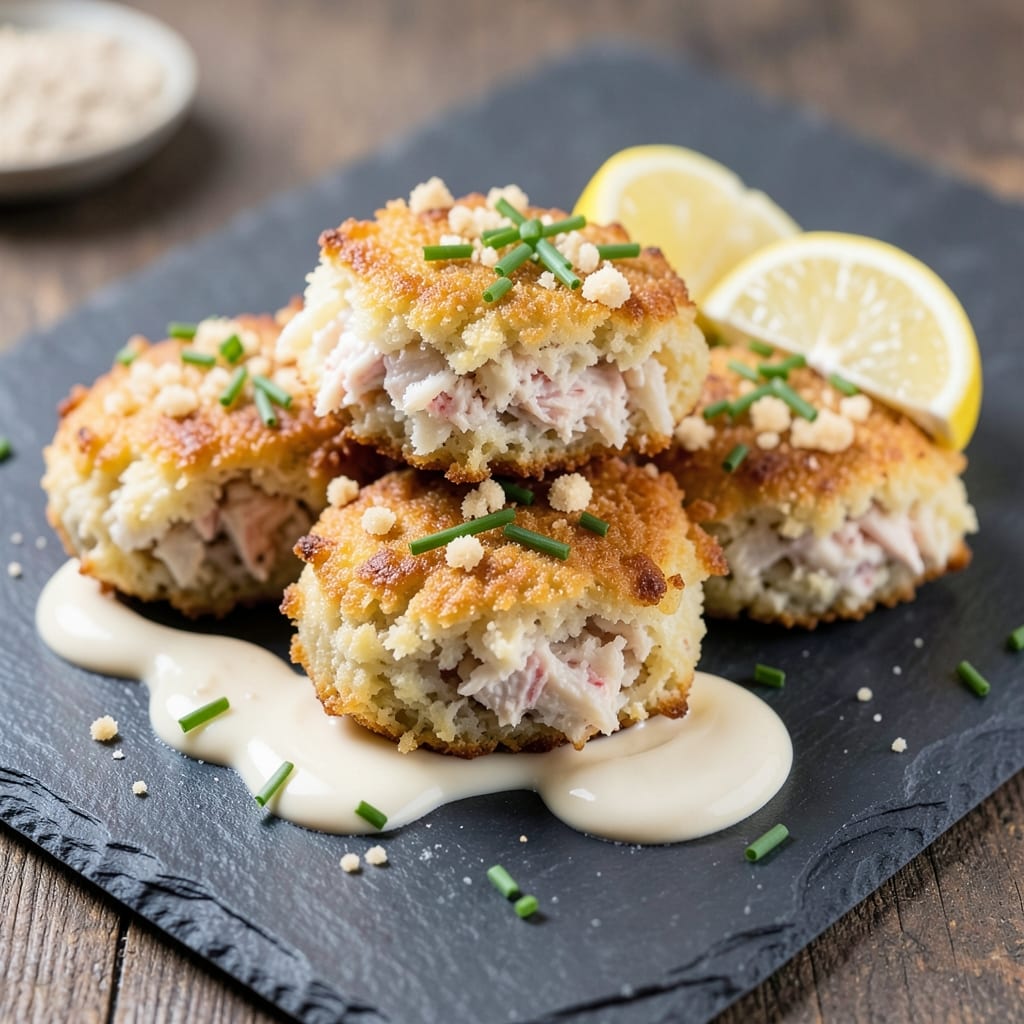
This Baltimore crab cake recipe with Saltines delivers the perfect balance of crispy edges and crunchy bites that make it a coastal classic. 💛 After years of perfecting the technique, I've cracked the code for achieving that signature texture—where golden-brown crab cakes stay tender inside while developing a satisfying crunch from the crushed Saltines. The secret lies in chilling the mixture before cooking and using just the right ratio of fresh crab meat to binding ingredients.
What sets these crab cakes apart is the traditional method of mixing lump crab meat with finely crushed Saltines, eggs, and mayonnaise—creating a delicate yet sturdy structure that holds together beautifully when pan-fried. I've tested countless variations, and this combination consistently delivers that iconic Baltimore crunch without sacrificing flavor. The crab cakes develop a crispy exterior while maintaining a moist, tender interior that melts in your mouth.
The result is restaurant-quality crab cakes that are perfect for serving at seafood gatherings or weeknight dinners. Each bite offers a symphony of textures—crispy from the Saltines, tender from the crab, and creamy from the binding mixture. Serve with classic tartar sauce and lemon wedges for the full experience. This recipe is designed to impress while being straightforward enough for home cooks to master.
Whether you're hosting a summer shindig or craving a taste of the Chesapeake Bay, these crab cakes deliver the authentic Baltimore flavor you're looking for. The technique is simple but requires attention to detail—especially the chilling step—which ensures perfect results every time. Let's get cooking!
Ingredients for baltimore crab cake recipe with saltines
Fresh crab meat, crispy Saltines, and a few secret binding ingredients make these Baltimore crab cakes legendary.
| Ingredient | Amount | Notes |
|---|---|---|
| Fresh Lump Crab Meat 🦀 | 1 ½ lb | Backfin preferred, no shell pieces |
| Saltine Crackers 🍞 | 1 ½ cups | Finely crushed, no salt added |
| Large Eggs 🥚 | 2 whole | Cold from fridge for binding |
| Mayonnaise 🥫 | ¼ cup | Duck egg mayo for richer flavor |
| Fresh Lemon Juice 🍋 | 1 tbsp | From Meyer lemon if available |
| Chives 🌿 | 2 tbsp | Finely chopped, for freshness |
| Old Bay Seasoning 🌶️ | 1 tsp | The signature Baltimore spice |
| Salt 🧂 | ½ tsp | Diamond Crystal preferred |
| Black Pepper 🌶️ | ¼ tsp | Freshly cracked for heat |
| Vegetable Oil 🫒 | ½ cup | For frying, high smoke point |
| Butter 🧈 | 2 tbsp | Unsalted, for basting |
| Tartar Sauce 🥗 | ½ cup | For serving, homemade preferred |
| Lemon Wedges 🍋 | 4 whole | For garnish and serving |
The crab meat makes or breaks this recipe—backfin lump is non-negotiable for that authentic texture. Costco or Whole Foods usually carry the best quality, but check for shell pieces. If using frozen, thaw overnight in the fridge. The Saltines should be crushed to fine crumbs—no big pieces—using a food processor or rolling pin. Trader Joe's has the best unsalted variety for this. Chill your eggs before mixing to help bind the wet crab to the dry crackers, creating that perfect crunchy-tender balance.
No lump crab? Imitation crab (surimi) works in a pinch—just add an extra tbsp of mayo for moisture. Running low on Saltines? Ritz crackers or plain graham crackers add a different but still delicious crunch. The mayo can be swapped for Greek yogurt if you prefer lighter texture, though traditionalists will argue it's not the same. Fresh chives are ideal, but dried chives at half the amount get you close. For Old Bay, McCormick's is the gold standard—don't settle for store brands. The lemon juice should be freshly squeezed; bottled just won't cut it here.
These crab cakes need to chill for at least 30 minutes before frying—up to 4 hours if you're prepping ahead. The longer they rest, the better they hold together. Fry in 325°F oil for even cooking, and don't overcrowd the pan. They'll keep 2 days in the fridge, wrapped tightly in parchment. For leftovers, reheat in a 350°F oven for 10 minutes—microwaving makes them soggy. Freeze uncooked cakes on a tray, then transfer to a bag for up to 1 month. Serve with that tartar sauce and lemon wedges—trust me, it's worth the effort.
Why You'll Love This Recipe
- No-Fuss Binding: I mix the crab, crushed Saltines, and mayo right in a bowl—no food processor, no stress. The crackers soak up just enough to hold the cake together without falling apart, and honestly? It’s the kind of recipe where you can still chat with your guests while you cook.
- Saltine Magic: That crispy, buttery cracker edge? It’s the secret weapon. The Saltines add a light crunch that cuts through the rich crab and mayo, while the lemon juice keeps it bright. Between us, it’s the only way I’ll eat crab cakes—no sad, dense bricks here.
- Weeknight to Party: Make a double batch on Sunday and freeze half. Thaw and pan-fry when you’re scrambling for dinner, or serve them chilled on a platter for game day. My college-aged son even grabbed a few for his dorm fridge—because yes, they’re that good even cold.
- Budget-Friendly Luxury: Fresh lump crab is pricey, but you only need a pound for four cakes. The rest of the ingredients? Pantry staples. I’ll be real: these taste like a $50 seafood restaurant dish, but my wallet doesn’t feel the burn. Plus, leftovers reheat beautifully—just a quick crisp in the pan.
Step-by-step instructions for Baltimore crab cakes with Saltines
Here's the classic Baltimore method—crispy edges, crunchy cracker bites, and tender crab every time.
👨🍳 Step 1: Build the Perfect Crab Cake Mixture
In a large mixing bowl, combine the 1.5 lb fresh lump crab meat with the 1.5 cups finely crushed saltine crackers. I like to use my hands for this—it helps distribute the cracker crumbs evenly throughout the crab. The texture should be coarse but well integrated, with no large cracker pieces remaining.
Add the 2 whole cold large eggs, 0.25 cup mayonnaise, 1 tbsp fresh lemon juice, 2 tbsp finely chopped chives, 1 tsp Old Bay seasoning, 0.5 tsp salt, and 0.25 tsp freshly cracked black pepper. Gently fold everything together using a rubber spatula—just until combined. Overmixing develops gluten in the crackers, which can make the cakes tough. The mixture should hold together when pressed but still feel slightly loose.
Here's the thing—this is where the magic happens. The cold eggs help bind the mixture without cooking the crab, and the saltines provide that signature Baltimore crunch. Taste a small spoonful and adjust seasoning if needed. You want the flavors balanced but still bright with lemon and Old Bay.
🍳 Step 2: Chill and Shape the Cakes
Cover the bowl with plastic wrap and refrigerate for at least 30 minutes (I prefer 1 hour). Chilling firms up the mixture, making it easier to shape and preventing the cakes from falling apart when you fry them. It also lets the flavors meld slightly—trust me, this step makes a difference.
After chilling, remove the mixture from the fridge and let it sit at room temperature for 10 minutes. This prevents the cakes from dropping into the oil too quickly. Using your hands (they're the best tool for this), form the mixture into 4 equal cakes, each about ¾-inch thick. Don't press too hard—just gently shape them so they hold together. If the mixture feels sticky, wet your hands slightly to prevent sticking.
Real talk: the shape matters. Slightly irregular edges create more surface area for crisping, which is exactly what we're after. Place the shaped cakes on a plate and let them rest for 10 minutes before frying. This final rest ensures they'll hold their form when they hit the hot oil.
🔥 Step 3: Fry to Golden Perfection
Heat 0.5 cup vegetable oil and 2 tbsp butter in a large skillet over medium heat until the butter foams and the oil reaches 350°F. I use an instant-read thermometer for this—too low and the cakes absorb oil; too high and they burn before cooking through. You want that sweet spot where the oil shimmers but doesn't smoke excessively.
Carefully add the crab cakes to the skillet, being gentle to avoid splashing. Fry for 3-4 minutes per side until they're deep golden brown and the edges are crispy. Don't walk away—this is the moment that matters. You'll see the edges start to crisp and pull away from the pan, and the bottom should have a nice brown crust. If any cakes release too easily, they're not ready yet.
Transfer the fried crab cakes to a paper towel-lined plate to drain excess oil. Let them rest for 2 minutes before serving. This brief rest lets any residual oil drain away, preventing a greasy bite while keeping the interior warm and tender.
🍽️ Step 4: Serve with Classic Baltimore Flair
Plate the crab cakes immediately with 0.5 cup tartar sauce on the side and the 4 whole lemon wedges. I like to serve them with a dollop of sauce on top and a wedge of lemon for squeezing. The tartar sauce should be cool and slightly chunky—it cuts through the richness of the crab and adds another layer of flavor.
For that authentic Baltimore experience, serve with a simple arugula salad dressed with lemon vinaigrette or crispy fries on the side. The contrast of cool greens or crispy fries with these warm, golden crab cakes is pure perfection. Each bite should deliver that signature crunch from the saltines, tender crab, and the bright, spicy kick from the Old Bay.
Pro Tips For Making Baltimore Crab Cake Recipe With Saltines
- CHILL THE CRAB FIRST: I learned this the hard way—skip it, and your crab cakes will turn out greasy and fall apart. Dump the fresh lump crab into a bowl, cover it with ice, and let it sit for 10 minutes before handling. The cold tightens the meat, so it holds together better when mixed with the crackers and mayo.
- CRUSH CRACKERS UNIFORM: Fine crumbs make all the difference here. Don’t just pulse them in the food processor—stop when they’re still slightly coarse, about the size of a small pea. Too fine, and your cakes turn dense; too coarse, and they’ll crumble when frying. Taste-test a pinch mixed with mayo—it should feel like wet sand, not glue.
- DON’T OVERMIX THE BATTER: This isn’t a cake batter—handle it like you’re folding in a delicate omelet. Once the crab, crackers, egg, and mayo come together, mix just until combined. Overwork it, and the gluten in the crackers will toughen, making your crab cakes rubbery. Two or three gentle folds with a spatula is all you need.
- PATTY THEM THICKER: Thin crab cakes fry too fast and end up dry. Shape them about ¾-inch thick—enough to hold their form without being lumpy. Press firmly but evenly, and use a small ice cream scoop if you’re making a batch. They’ll brown better and stay juicy longer, even if you’re not flipping them constantly.
Best sauces and condiments for baltimore crab cake recipe with saltines
Classic Tartar Sauce
This is the sauce that makes Baltimore crab cakes legendary. I use ½ cup mayonnaise (Duck Egg preferred), 1 tbsp sweet pickle relish, 1 tbsp finely chopped fresh dill, 1 tsp fresh lemon juice, ½ tsp Dijon mustard, ¼ tsp Old Bay seasoning, and a pinch of salt. Mix everything together and chill for at least 30 minutes before serving. The relish adds sweetness that balances the crab's brininess, while the dill enhances the Old Bay flavor. 🥗
Spicy Remoulade Twist
For a kick of heat, try my spicy remoulade variation. Start with the same base recipe above, then stir in 1 tsp hot sauce (I like Crystal or Tabasco) and ½ tsp cayenne pepper. Add 1 tbsp capers for extra briny depth. This sauce pairs beautifully with the crab cakes' richness while adding a smoky, spicy contrast. Serve with extra lemon wedges to cool the heat. 🌶️
Creamy Garlic Aioli
For a richer option, whip up garlic aioli by blending ½ cup mayonnaise, 2 cloves roasted garlic, 1 tbsp lemon juice, 1 tsp honey, and a pinch of salt. Roast the garlic by wrapping in foil with a drizzle of olive oil and baking at 400°F for 30 minutes. The sweetness of the caramelized garlic complements the crab beautifully while adding a luxurious texture. 🧄
Buttermilk Ranch Dip
This lighter option works wonderfully for those who prefer something tangy. Mix ½ cup buttermilk, ¼ cup sour cream, 2 tbsp mayonnaise, 1 tbsp chopped fresh dill, 1 tsp Old Bay seasoning, and ½ tsp garlic powder. Chill for 1 hour before serving. The tanginess cuts through the richness of the crab while keeping it fresh and light. Perfect for summer gatherings! 🥛
Lemon-Herb Yogurt Sauce
For a healthier alternative, blend ½ cup Greek yogurt, 1 tbsp lemon juice, 1 tbsp chopped fresh chives, 1 tbsp chopped parsley, ½ tsp Old Bay seasoning, and a pinch of salt. Thin with a splash of milk if needed. This sauce adds a bright, tangy element that enhances the crab's natural sweetness without overpowering it. Great for those watching their mayo intake. 💛
Pro Tip: Sauce Pairings
Don't be afraid to experiment with what you have on hand. The key is balancing the crab's richness with something tangy or creamy. I often make a double batch of tartar sauce and store it in the fridge for up to 1 week—it's perfect for crab cakes, fish, or even chicken tenders. Always serve sauces on the side so guests can adjust to their taste. 💡
Nutrition facts
Frequently asked questions
Can I use imitation crab instead of fresh lump crab?
You can use imitation crab in a pinch, but fresh lump crab is ideal for that authentic Baltimore texture. If substituting, add 1 extra tablespoon of mayonnaise to help bind the mixture since imitation crab is less moist. The flavor will be slightly different, but the technique remains the same. For best results, use high-quality imitation crab without added water.
Why do my crab cakes fall apart when frying?
This usually happens if you skip the chilling step or overmix the batter. The mixture needs to rest in the fridge for at least 30 minutes to firm up. Also, avoid pressing too hard when shaping—just gently form the cakes. If the mixture feels too wet, add 1-2 extra tablespoons of crushed Saltines. The key is balance between wet and dry ingredients.
What's the best way to store leftover crab cakes?
Store cooked crab cakes in an airtight container in the fridge for up to 2 days. For longer storage, freeze uncooked cakes on a tray (to prevent sticking), then transfer to a freezer bag for up to 1 month. To reheat, bake at 350°F for 10 minutes—never microwave, as it makes them soggy.
Can I bake these crab cakes instead of frying?
Preheat oven to 400°F and bake on a parchment-lined tray for 12-15 minutes until golden. For extra crispiness, broil for 1-2 minutes at the end. Baked cakes will be less crispy than fried but still delicious. Use the same chilling step before baking to ensure they hold together.
What's the secret to getting crispy edges?
The crispy edges come from using the right oil temperature (350°F) and not overcrowding the pan. Let the cakes fry undisturbed for 3-4 minutes per side until golden brown. The butter in the oil adds richness and helps create that perfect crust. Also, make sure your Saltines are finely crushed—no large pieces!