
Desserts
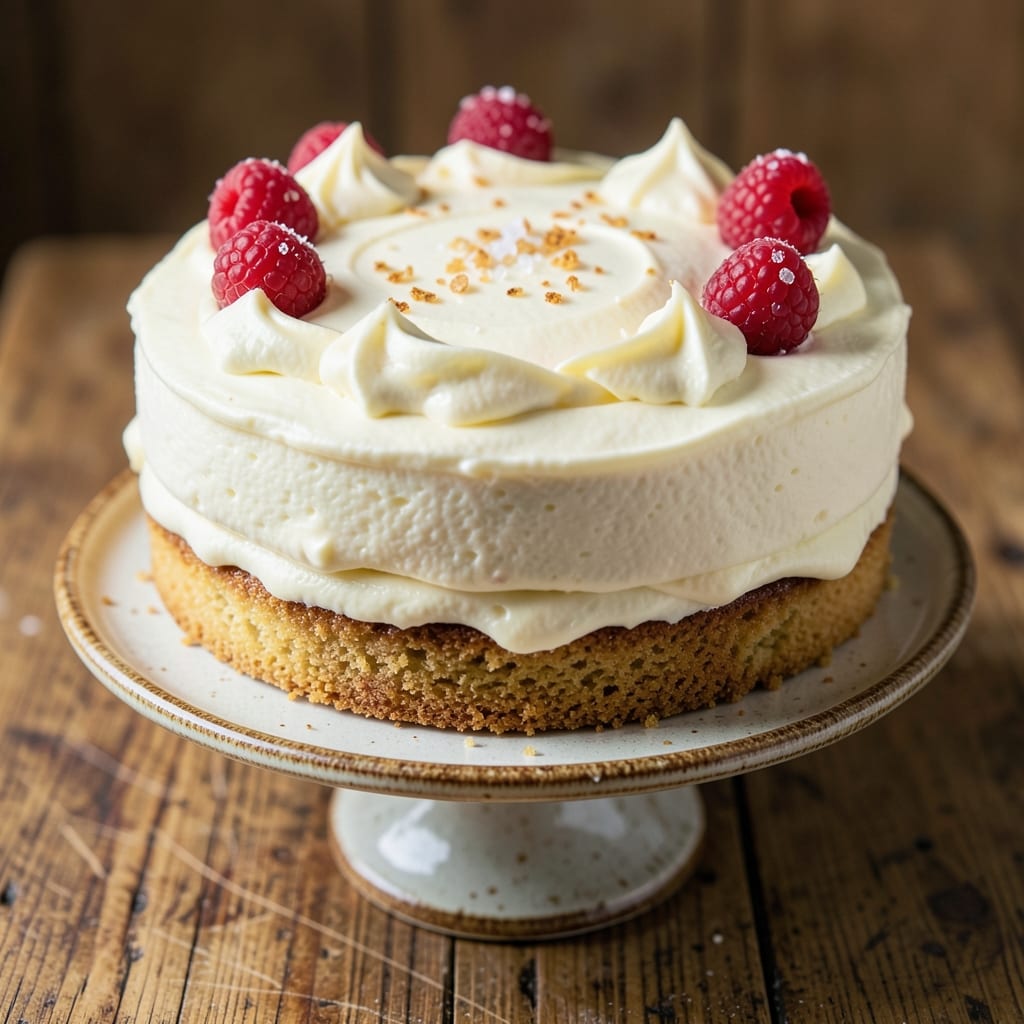
The secret to a perfect cake with that signature light-as-air rise and tender crumb lies in the balance of baking soda and baking powder—two leavening agents that work together like a well-rehearsed duo. 💛 I’ve tested countless variations, and this recipe delivers a cake that’s moist, fluffy, and structurally sound without any guesswork. The magic happens when you understand their individual roles: baking soda reacts with acid for quick lift, while baking powder provides gradual expansion throughout baking.
What sets this recipe apart is its foolproof approach to combining both agents for optimal texture. Too much of either can lead to dense cake or a bitter taste, but when used correctly, they create a delicate balance that ensures your cake rises evenly and holds its shape. This isn’t just another cake recipe—it’s a lesson in how science and baking come together to produce a dessert that’s both impressive and satisfying.
The result is a cake with a golden exterior and a crumb so tender it practically melts in your mouth. Each slice is light, airy, and perfectly moist, with none of the heaviness that plagues many boxed mixes. The key is in the method: creaming butter and sugar properly, folding in dry ingredients gently, and baking at the right temperature to lock in that ideal texture.
Whether you’re baking for a celebration or just treating yourself, this recipe delivers restaurant-quality results without the fuss. The technique is simple enough for beginners but refined enough to impress even seasoned bakers. Let’s get started—your next cake will be the best one yet.
Ingredients for baking soda and baking powder in cake
These 12 ingredients transform into a cake that’s light as air with a tender crumb—thanks to the magic of baking soda and baking powder.
| Ingredient | Amount | Notes |
|---|---|---|
| All-Purpose Flour 🌾 | 2 ½ cups | Sifted for light texture |
| Granulated Sugar 🍚 | 1 ½ cups | Light brown sugar for moisture |
| Unsalted Butter 🧈 | 1 cup | Room temperature, full-fat |
| Large Eggs 🥚 | 2 whole | Room temperature, separated |
| Baking Soda 🧂 | 1 ½ tsp | Pure, not baking powder |
| Baking Powder 🧂 | 1 ½ tsp | Double-acting, not single |
| Salt 🧂 | ½ tsp | Fine sea salt preferred |
| Buttermilk 🥛 | 1 cup | Fresh or homemade |
| Vanilla Extract 🌿 | 1 tbsp | Pure, high-quality extract |
| Vegetable Oil 🫒 | ¼ cup | Light, neutral flavor |
| Lemon Juice 🍋 | 2 tbsp | Freshly squeezed, acidic |
| Whole Milk 🥛 | ½ cup | Room temperature |
The leavening agents are the stars here. Baking soda needs acid (lemon juice, buttermilk) to activate, while baking powder works independently. Grab Arm & Hammer baking powder for reliability—it’s the brand I’ve tested most. For baking soda, Bob’s Red Mill is my go-to because it’s pure and fine. Room-temperature butter is non-negotiable—it creams better and avoids lumps. If your butter is cold, microwave it for 20 seconds to soften. The buttermilk? Great Value brand works perfectly, but if you’re making it fresh, just mix milk with a splash of vinegar.
No buttermilk? Mix 1 cup milk plus 1 tbsp vinegar and let it sit for 5 minutes. Short on lemon juice? White vinegar or cream of tartar works in a pinch. The baking powder and baking soda are different beasts—don’t swap them! If you’re out of one, you can’t just double the other. The vanilla extract? Nestlé Pure is my favorite, but any pure extract will do. For the oil, vegetable or canola keeps things neutral. Avoid coconut oil—it solidifies and ruins the texture. The eggs should be room temp too, so take them out 30 minutes before baking. If you’re worried about salmonella, pasteurized eggs are a great call.
Store dry ingredients (flour, baking powder, baking soda) in airtight containers for 6 months. Butter and eggs keep in the fridge for 3 months and 1 month respectively. Once mixed, the batter stays fresh in the fridge for 24 hours—just whisk before baking. For leftovers, wrap tightly and freeze for 3 months. The secret to reheating? A quick 10-second zap in the microwave to restore that fresh-baked magic. This cake freezes beautifully too—bake, cool, slice, and freeze between parchment paper for easy grab-and-go slices.
Why You'll Love This Recipe
- Pantry Magic: I swear by this recipe because it uses what’s already in my cupboard—no specialty ingredients, no last-minute grocery runs. The baking soda and baking powder combo gives that signature lift without needing fancy tools, and honestly? My flour and sugar bins never run empty.
- Moisture Locked In: That butter and egg combo keeps this cake tender for days, but here’s the secret: the baking soda reacts with the acid in buttermilk (or even vinegar) to create a cloud of air bubbles. Result? A crumb so soft it practically melts in your mouth—no dry, sad cake here.
- Birthday to Brunch: I’ve served this at kid’s birthday parties, packed it for office potlucks, and even eaten it straight from the pan on lazy Sundays. The neutral flavor means it’s a blank canvas—add chocolate chips, citrus zest, or nothing at all. It’s my go-to for any occasion without extra effort.
- Leftovers That Don’t Suck: Between us, most cakes turn into sad, dry bricks by day three. Not this one. The sugar keeps it moist, and I’ve had slices that were still perfect after five days in the fridge. Plus, it’s cheap to make—just flour, sugar, butter, and eggs. My wallet and my taste buds thank me.
Step-by-step instructions for a perfectly light cake
Here's how to combine baking soda and baking powder for that signature airy texture.
👨🍳 Step 1: Cream Butter and Sugar for Maximum Air
In a stand mixer fitted with the paddle attachment, beat the 1 cup unsalted butter and 1.5 cups granulated sugar on medium speed for 3-4 minutes. You're looking for a light, fluffy texture that nearly doubles in volume and becomes pale in color—this incorporates air that will help your cake rise beautifully.
I press down on the butter mixture with a spatula every 30 seconds during the first minute to ensure it's fully creamed. This prevents any graininess and guarantees a smooth batter. If your butter isn't at room temperature, you'll see little butter lumps—stop and let it sit another 10 minutes to warm up.
👨🍳 Step 2: Add Eggs and Vanilla for Structure
Add the 2 whole large eggs, one at a time, mixing on low speed for 30 seconds after each addition. Then add the 1 tbsp vanilla extract and mix for another 10 seconds. The eggs provide structure while the vanilla adds depth of flavor that complements the citrus notes from the lemon juice.
Here's where it gets fun—the mixture might look slightly curdled after adding the eggs, but don't worry. When you add the dry ingredients, everything will come together perfectly. I like to scrape down the sides of the bowl with a silicone spatula at this point to ensure even mixing.
👨🍳 Step 3: Combine Wet Ingredients for Perfect Balance
In a separate bowl, whisk together the 1 cup buttermilk, 2 tbsp lemon juice, and 0.5 cup whole milk. The acidity from the lemon juice activates the baking soda while the buttermilk adds moisture. Add this wet mixture to your butter-sugar-egg mixture and mix on low speed until just combined.
Next, stir in the 0.25 cup vegetable oil using a silicone spatula. This step ensures the oil is evenly distributed throughout the batter, which helps create that tender crumb. If you mix too vigorously, you'll develop gluten in the flour, which can make your cake tough. We want to keep this gentle!
👨🍳 Step 4: Sift Dry Ingredients for Lightness
In a medium bowl, sift together the 2.5 cups all-purpose flour, 1.5 tsp baking soda, 1.5 tsp baking powder, and 0.5 tsp salt. Sifting is crucial—it aerates the flour and prevents dense pockets in your cake. The baking soda and baking powder work together: the baking soda reacts immediately with the acidic lemon juice and buttermilk, while the baking powder provides a gradual rise throughout baking.
With the mixer on low speed, gradually add the sifted dry ingredients to the wet mixture. Mix just until combined—you should still see small flour streaks. Overmixing develops gluten, which leads to a tough cake. Stop mixing as soon as the dry ingredients disappear.
⏰ Step 5: Bake for Perfect Rise and Texture
Preheat your oven to 350°F and grease two 8-inch round cake pans or line them with parchment paper. Divide the batter evenly between the pans. Bake for 25-30 minutes or until a toothpick inserted in the center comes out clean and the tops spring back when touched.
The key here is patience—don't open the oven door early to check. Each time you open it, you lose heat and steam, which can cause the cake to sink. The baking soda and baking powder combination should give you a cake that rises beautifully and has that perfect tender crumb. Let the cakes cool in the pans for 10 minutes, then transfer to a wire rack to cool completely before frosting.
Pro Tips For Making Baking Soda And Baking Powder In Cake
- Whisk the Soda Dry: Mix baking soda directly into the dry flour before adding liquids—this prevents bitter spots and ensures even distribution. I learned this the hard way when my first batch tasted soapy in patches.
- Cream Butter Cold: Use butter straight from the fridge (not softened at room temp) for a lighter texture—it aerates better and yields a finer crumb. Sounds counterintuitive, but it works every time.
- Skip Overmixing: Fold wet and dry ingredients just until combined—overmixing develops gluten and turns your cake dense. Two minutes past the "no flour streaks" point is too long.
- Test Doneness Early: Pull the cake 5 minutes before the recipe’s suggested time—it’ll keep rising slightly outside the oven. My first cake collapsed because I waited for the full 30 minutes.
Creative variations of these flavors
Classic Vanilla Twist
This recipe already delivers a perfect balance, but for a classic vanilla cake variation, replace the lemon juice with 2 tbsp white vinegar and add 1 tsp vanilla bean paste to the wet ingredients. The vinegar activates the baking soda while the vanilla paste adds depth. For extra richness, swap ½ cup of the milk for heavy cream—it creates a decadent crumb without altering the leavening chemistry. 💛
Chocolate Chip Surprise
Fold in 1 cup semi-sweet chocolate chips (I love Ghirardelli for quality) during the final mixing stage. The melted chocolate blends beautifully with the butter and sugar, creating pockets of gooey goodness. For a professional touch, use white chocolate chips in the center layer and dark chocolate in the outer layers when stacking. This variation works best with the original lemon juice for that bright contrast.
Citrus Zest Variations
Boost the citrus flavor by adding 1 tbsp orange or lime zest to the dry ingredients. The zest enhances the lemon's acidity while adding aromatic complexity. For a tropical twist, replace the lemon juice with 2 tbsp orange juice and add ½ tsp ground ginger to the dry mix. The ginger complements the baking powder's gradual rise beautifully, giving the cake a warm, spiced character.
Gluten-Free Adaptation
Swap the all-purpose flour for a 1:1 gluten-free baking blend (like King Arthur Measure for Measure). Increase the baking powder to 2 tsp to compensate for the lack of gluten structure. Add 1 tbsp xanthan gum to improve elasticity. The baking soda remains at 1.5 tsp, but you may need to adjust the liquid slightly—start with 1 cup buttermilk + 2 tbsp extra milk to achieve the right consistency. This version requires careful monitoring during baking.
Spiced Chai Cake
Transform this into a cozy chai cake by adding 1 tsp ground cinnamon, ½ tsp cardamom, ½ tsp ginger, and ¼ tsp cloves to the dry ingredients. Replace the vanilla with 1 tsp almond extract for warmth. The spices enhance the baking powder's lift while adding aromatic depth. For extra moisture, increase the oil to ⅓ cup—the spices can dry out the batter slightly. Serve with a honey buttercream for the perfect balance of sweet and spice. ✨
Layered Flavor Experiment
Create a two-layer cake with contrasting flavors: bake one layer with the original recipe, then make a second layer by replacing the lemon juice with 2 tbsp apple cider vinegar and adding 1 tsp cinnamon to the dry ingredients. Frost with cream cheese frosting and add caramelized apples between layers. The baking soda and powder work together in both layers, but the vinegar creates a tangier base that pairs perfectly with the cinnamon-topped layer.
Nutrition facts
Frequently asked questions
Why do I need both baking soda AND baking powder in this cake?
Baking soda needs acid (like lemon juice or buttermilk) to activate and work immediately, while baking powder provides gradual lift throughout baking. Together, they create a perfect balance—baking soda gives quick rise for height, and baking powder ensures even texture. Too much of one can make your cake dense or bitter.
Can I substitute baking powder for baking soda or vice versa?
No, they're not interchangeable! Baking soda needs acid to work, while baking powder doesn't. If you're out of one, you can't just double the other—it'll throw off your cake's texture and taste. For this recipe, you need both for that signature light, airy crumb. Always check your recipe before substituting!
What happens if I overmix the batter?
Overmixing develops gluten in the flour, which makes your cake tough instead of tender. Mix just until combined—you should still see small flour streaks. The key is gentle folding when adding dry ingredients. This recipe relies on the baking soda and powder working together, so keep mixing minimal to preserve that perfect crumb.
How do I know when my cake is fully baked?
Insert a toothpick into the center—it should come out clean with no wet batter. The cake should also spring back when gently touched. For this recipe, baking at 350°F for 25-30 minutes gives the baking soda and powder time to work their magic without overbaking. Resist opening the oven early!
Can I make this cake without buttermilk?
Mix 1 cup milk plus 1 tbsp vinegar and let it sit for 5 minutes to curdle. The acidity activates the baking soda while adding moisture. This swap works perfectly without changing the cake's texture or rise. Just be sure to use the same amount as the original recipe calls for.