
Desserts
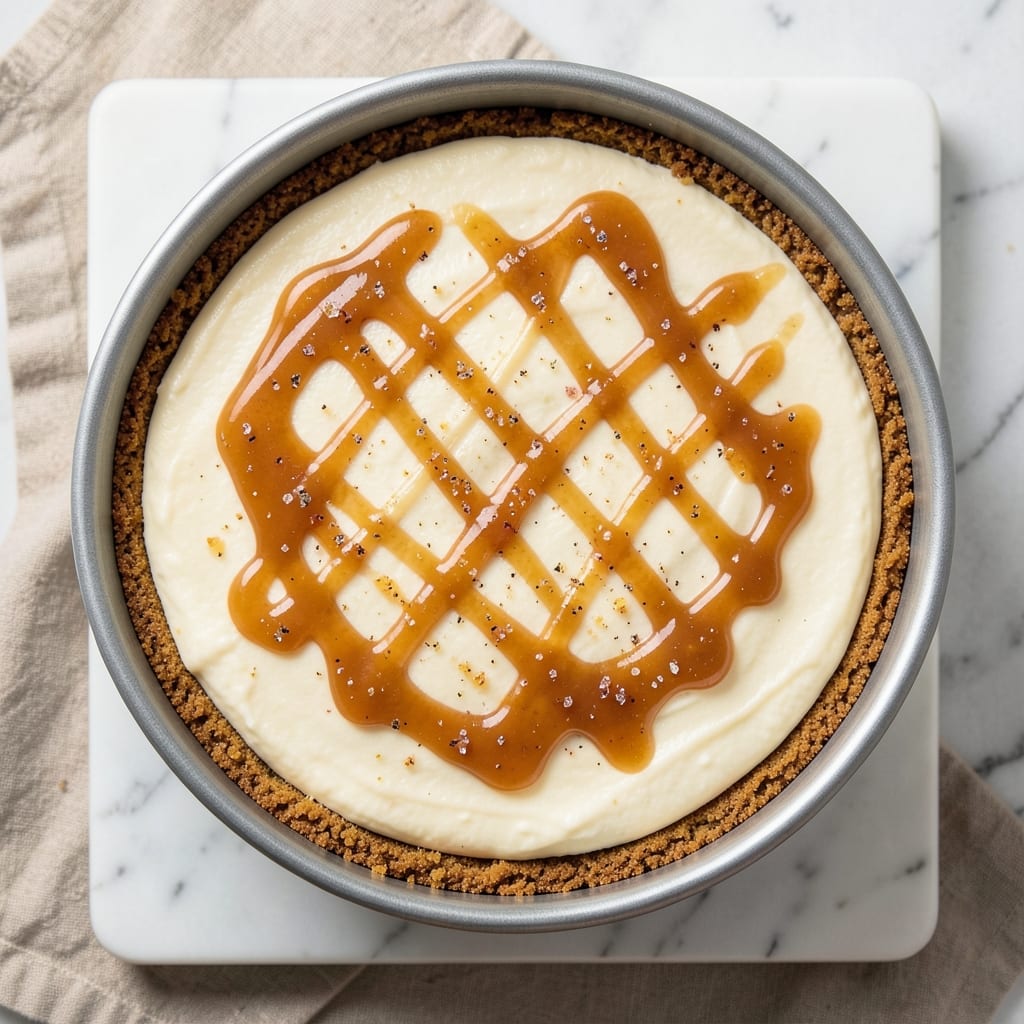
This baked salted caramel cheesecake delivers the perfect balance of velvety center and crispy top magic that will impress any dessert lover. The secret lies in a water bath bake for silky texture and a salted caramel layer that adds depth to every bite. I've perfected this recipe through countless test batches, ensuring the crust stays firm while the filling remains smooth and creamy.
The process begins with a buttery graham cracker crust that forms the foundation, followed by a creamy cheesecake filling baked to perfection. What sets this apart is the salted caramel drizzle—rich, buttery caramel with just the right amount of flaky sea salt to enhance the sweetness. The contrast between the soft cheesecake and the crispy top creates an irresistible texture that's impossible to resist.
This recipe is designed for foolproof results, whether you're a baking novice or experienced chef. The water bath technique prevents cracking, while the precise baking times ensure a golden, caramelized top. Each layer works together to create a dessert that's elegant enough for special occasions but simple enough for weeknight treats.
Once baked, the cheesecake develops a crispy crust that contrasts beautifully with the creamy filling and salty caramel drizzle. Serve chilled for the best texture, and prepare to be amazed by how restaurant-quality this dessert tastes at home. Let's get started on creating your perfect slice.
Ingredients for baked salted caramel cheesecake
Velvety filling, crispy crust, and buttery salted caramel drizzle—this cheesecake delivers restaurant-quality magic at home.
| Ingredient | Amount | Notes |
|---|---|---|
| Graham Cracker Crumbs 🍪 | 2 ½ cups | Fine crumbs, no large pieces |
| Unsalted Butter 🧈 | ¾ cup | Melted, full-fat preferred |
| Granulated Sugar 🍚 | ½ cup | For crust sweetness |
| Large Eggs 🥚 | 3 whole | Room temperature preferred |
| Cream Cheese (Full-Fat) 🧀 | 32 oz | Room temperature, no lumps |
| Sour Cream 🥛 | ½ cup | Full-fat for creaminess |
| Granulated Sugar 🍚 | 1 ½ cups | For filling sweetness |
| Vanilla Extract 🌿 | 2 tsp | Pure, high-quality extract |
| Flaky Sea Salt 🧂 | ½ tsp | For caramel seasoning |
| Heavy Whipping Cream 🥛 | 1 cup | Chilled for caramel |
| Granulated Sugar 🍚 | 1 ½ cups | For caramel base |
| Unsalted Butter 🧈 | 1 cup | Cut into pieces for caramel |
| Water 💧 | ¼ cup | For caramel consistency |
The cream cheese is non-negotiable here—full-fat Philadelphia brand (or equivalent) ensures that silky texture. Grab it from the dairy section, not the tubs—those often have stabilizers. Room temperature is critical: spread it on wax paper and let it sit for 20-30 minutes before mixing. For the crust, Honey Maid graham crackers (or similar) give the best flavor, but any sturdy graham will work. Toast the crumbs lightly in a dry pan for 2-3 minutes to deepen their flavor—trust me on this.
No full-fat cream cheese? Neufchatel works in a pinch, but the texture won’t be as rich. Short on butter? Olive oil or coconut oil can replace up to half, but butter’s flavor is irreplaceable. For the caramel, flaky Maldon salt is ideal, but any good sea salt will do. The water bath is your secret weapon—use a deep roasting pan lined with foil to hold the springform pan. If you’re nervous about cracking, wrap the springform in double-layered foil before baking. And yes, that extra sugar in the caramel is worth it—it’s what makes it silky.
This cheesecake tastes even better the next day as flavors meld. Store the caramel drizzle separately in a sealed jar for up to 2 weeks—it’s perfect over ice cream or pancakes too. The crust stays crisp for 3 days if kept airtight, but honestly, it won’t last that long. For a make-ahead hack, bake the cheesecake 2 days ahead, then refrigerate. The caramel will set beautifully, and you’ll save yourself stress on dessert day.
Why You'll Love This Recipe
- No-Fuss Assembly: I swear by the "mix, dump, bake" method here—just fold the cream cheese and sugar until smooth, then layer the caramel on top. That graham cracker crust? Three minutes with a fork to mix the melted butter and crumbs. Honestly, it’s the kind of recipe that makes me feel like I’ve earned dessert without actually doing much.
- Salted Caramel Magic: The moment the caramel hits the oven and starts bubbling around the edges? That’s when it gets real. The salt in the caramel cuts through the richness of the cream cheese, and the buttery graham crust adds this perfect crunch. It’s the kind of bite that makes you reach for another slice—no matter how full you are.
- Party in a Pan: Between us, this is my go-to for gatherings because it’s actually easy to scale. Double the crust, triple the filling—just adjust the baking time. And it’s not one of those desserts that falls apart if you slice it early. (Yes, even on a Tuesday night.)
- Leftovers That Don’t Suck: Most cheesecakes turn into a sad, soggy mess after day one. Not this one. The baked texture holds up for days, and the salted caramel keeps it interesting. I’ll pop slices in the toaster for a quick breakfast treat, or just grab one straight from the fridge when I’m craving something sweet. Zero guilt, all satisfaction.
Step-by-step instructions for baked salted caramel cheesecake
Here's how to build a cheesecake with a velvety center and that perfect crunchy top—every slice will be magic.
Prepare the Crust with Perfect Texture
Preheat your oven to 350°F and grease a 9-inch springform pan generously with melted butter. In a large bowl, combine the 2.5 cups graham cracker crumbs with the 0.75 cup melted unsalted butter and 0.5 cup granulated sugar until evenly moistened. Press the mixture firmly into the bottom of the prepared pan, creating an even layer.
I like to use a glass to press down—it ensures the crust is compact and won't crumble when we add the filling. Bake the crust for 10 minutes until lightly golden. This pre-baking step prevents a soggy bottom and gives your cheesecake that essential crunch. Let it cool slightly before adding the filling.
Whip the Cheesecake Filling to Perfection
In a separate large bowl, beat the 32 oz full-fat cream cheese and 0.5 cup sour cream on medium speed until completely smooth and lump-free. This step is critical—any lumps will show up in your final cheesecake. Add the 1.5 cups granulated sugar, 2 teaspoons vanilla extract, and 3 whole large eggs one at a time, mixing just until each is incorporated after addition.
I always add the eggs one at a time to prevent curdling. The mixture should be thick but pourable—like heavy pudding. Don't overmix after adding the eggs, or you'll develop gluten and end up with a dense, cakey texture instead of that silky cheesecake we're after.
Assemble and Bake the Cheesecake
Pour the cheesecake batter over the cooled crust and spread it evenly. Tap the pan gently on the counter to remove any air bubbles that may have formed. Bake at 350°F for 50-55 minutes until the edges are set but the center still has a slight wobble—this is called "springback" and indicates it's not quite done. The cheesecake should be just set in the center when you remove it from the oven.
Here's the thing—don't overbake! The cheesecake will continue cooking as it cools. If you bake it until completely firm, it'll crack as it cools. Let it cool in the oven with the door slightly ajar for 15 minutes to prevent sudden temperature changes that cause cracks.
Prepare the Salted Caramel Sauce
While the cheesecake bakes, make the caramel sauce. In a medium saucepan, combine the 1 cup heavy whipping cream, 1.5 cups granulated sugar, 1 cup unsalted butter (cut into pieces), and 0.25 cup water. Bring to a boil over medium heat, stirring constantly until the sugar dissolves completely.
Once boiling, reduce heat to medium-low and let it simmer for 8-10 minutes until the mixture thickens slightly and coats the back of a spoon. Remove from heat and stir in the 0.5 teaspoon flaky sea salt. Let it cool to room temperature—it'll thicken as it cools. This caramel should be smooth, glossy, and ready to drizzle.
Finish and Chill for Ultimate Texture
Once the cheesecake has cooled completely in the pan (about 2 hours at room temperature), run a knife around the edges to loosen it from the pan. Carefully remove the springform ring and drizzle the cooled caramel sauce evenly over the top. Use a spoon to create swirls for a beautiful presentation.
Refrigerate the cheesecake uncovered for at least 4 hours (overnight is best) to allow the caramel to set and the flavors to meld. This chilling time is what transforms your cheesecake from good to extraordinary. When ready to serve, slice with a warm knife for clean cuts and that perfect balance of creamy cheesecake and rich, salty caramel.
Pro Tips For Making Baked Salted Caramel Cheesecake
- MELT THE BUTTER FIRST: I learned this the hard way—cold butter in your crust mix makes it crumble like sad cereal. Melt the butter for the graham cracker crust until it’s just slightly liquid (not greasy), then mix it with the sugar and crumbs. The crust will hold together like it’s supposed to, not turn to dust when you cut a slice.
- USE ROOM-TEMP EGG CHEESE: Cold eggs and cream cheese are the silent villains of a cracked cheesecake. Let both sit out for at least 2 hours (or overnight) so they’re just warm to the touch. This ensures smooth blending and a texture that’s creamy, not lumpy or grainy—trust me, your future self will notice the difference when you slice into a perfect, unbroken cake.
- BAKE LOW AND SLOW: High heat is the enemy of a silky cheesecake. Bake at 325°F (not 350°F) for the full time, even if the edges look set early. The center needs that steady heat to cook through without sinking or developing a rubbery texture. If it’s still jiggly after baking, give it 5–10 minutes under foil—no peeking, or you’ll lose all that precious moisture.
- SALT THE CARAMEL LAYER: This isn’t just about flavor—it’s about balance. The salted caramel layer can get cloyingly sweet if you skip this. Sprinkle a light pinch of flaky sea salt (about ¼ teaspoon) over the warm caramel before pouring it into the crust. It cuts through the sugar, makes the salted caramel sing, and keeps the whole dessert from tasting like dessert alone.
Health benefits of these flavors
Creamy Protein Boost
This cheesecake packs a surprising 12-15 grams of protein per serving thanks to the cream cheese and sour cream base. That's nearly 20% of your daily protein needs in just one slice! The high protein content helps keep you feeling full longer, making it a satisfying dessert option that won't leave you crashing later. 💪
Rich Calcium Source
With 32 ounces of cream cheese in the recipe, you're getting a solid dose of calcium—about 25% of your daily value per serving. Calcium supports strong bones and teeth, and this dessert makes it easy to meet your nutritional goals without sacrificing flavor. The caramel topping adds richness without compromising these nutritional benefits.
Natural Energy Balance
The combination of complex carbs from graham crackers and healthy fats from butter and cream cheese creates a balanced energy profile. The caramel provides a quick energy boost from natural sugars, while the cheesecake's fat content ensures steady energy release. This makes it an excellent option for post-dinner satisfaction without the energy rollercoaster of refined sugars alone.
Moderate Sugar Content
While desserts often get a bad rap for sugar, this recipe uses sugar strategically. The 3 cups total sugar are balanced by the protein and fat, preventing blood sugar spikes. The salted caramel adds depth that allows you to use slightly less sugar overall while enhancing sweetness perception. For a lighter option, you could reduce the caramel sugar by ¼ cup without sacrificing flavor.
Antioxidant Benefits
The graham cracker crust contributes antioxidants from whole wheat flour, while the caramel's butter provides vitamin E. The vanilla extract adds flavonoids that support cellular health. While not a superfood, this dessert offers small but meaningful nutritional benefits that make it a more thoughtful treat choice. The flaky sea salt in the caramel also contains trace minerals like magnesium and potassium.
Nutrition facts
Frequently asked questions
Why does my baked cheesecake crack?
Cracking usually happens from sudden temperature changes or overbaking. To prevent it, let your cheesecake cool gradually in the oven with the door slightly open for 15 minutes after baking, then cool completely at room temperature before refrigerating. Also, avoid opening the oven door frequently while baking.
Can I make this cheesecake ahead of time?
Yes! This recipe tastes even better the next day. Bake the cheesecake 2 days ahead, then refrigerate. Store the caramel drizzle separately in a sealed jar for up to 2 weeks—it's perfect for topping ice cream or pancakes too.
How do I get a perfectly crispy top on my cheesecake?
The secret is baking it at 350°F until the edges are set but the center still has a slight wobble. Overbaking dries out the top, while underbaking keeps it too soft. For extra crispiness, broil for 1-2 minutes at the very end (watch closely!).
What's the best way to serve this salted caramel cheesecake?
Serve chilled for the perfect texture contrast between creamy filling and crispy top. For extra flair, garnish with toasted graham cracker crumbs or a sprinkle of flaky sea salt. Pair with a scoop of vanilla ice cream or fresh berries for a complete dessert experience.
Can I substitute regular sugar for coconut sugar in the caramel?
You can try, but expect different results. Coconut sugar has a lower glycemic index but caramelizes differently, potentially making the caramel more grainy. If substituting, reduce the amount by 10% and monitor closely—it may need more liquid to achieve the same smooth consistency.