
Desserts
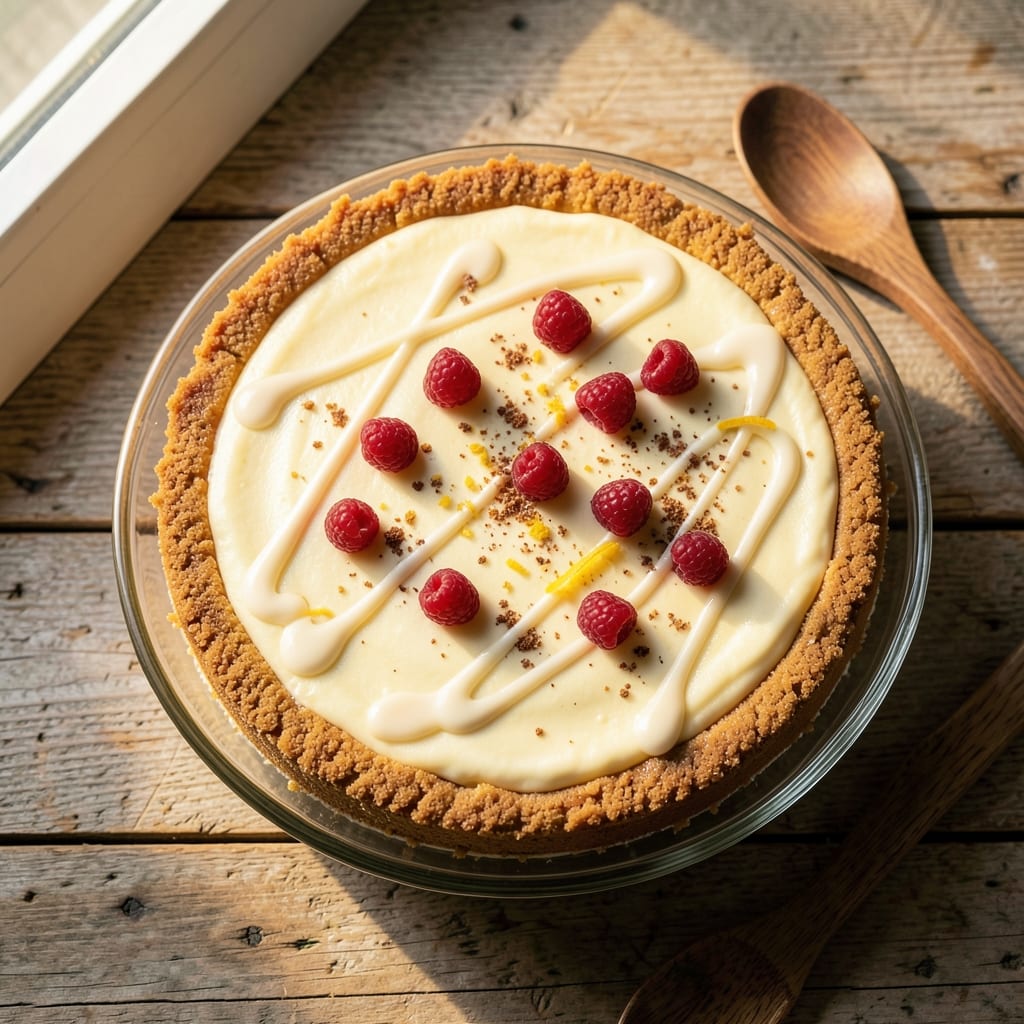
This baked New York-style cheesecake recipe delivers that iconic dense, creamy texture with a foolproof graham cracker crust and zero cracks—no fancy equipment required. The secret lies in a precise ratio of cream cheese, sour cream, and eggs, baked in a water bath to ensure smooth perfection every time. After years of perfecting my technique, I’ve finally cracked the code for restaurant-quality results at home.
The foundation starts with a buttery graham cracker crust that stays sturdy while the filling bakes, preventing any sinking or crumbling. The filling itself is a velvety blend of cream cheese, sugar, and eggs, enriched with sour cream for that signature dense yet tender crumb. A water bath during baking creates even heat distribution, which is critical for avoiding cracks and ensuring a silky-smooth finish.
What sets this recipe apart is the balance of ingredients—too much cream cheese can make it grainy, while too little can leave it dry. The sour cream adds richness without heaviness, and the precise baking time (about 1 hour at 325°F) guarantees a set yet creamy center. No jiggling the pan, no last-minute fixes—just a perfect slice every time.
Once cooled, this cheesecake holds its shape beautifully, making it ideal for slicing and serving. Top with a dollop of sour cream, fresh berries, or a drizzle of chocolate ganache for that classic New York touch. The result? A dessert that looks impressive, cuts cleanly, and tastes like a slice from your favorite bakery.
Ingredients for baked new york style cheesecake
Graham crackers, cream cheese, and precise ratios create this iconic New York-style cheesecake.
| Ingredient | Amount | Notes |
|---|---|---|
| Graham Cracker Crumbs 🍪 | 2 cups | Finely crushed, homemade or store-bought |
| Unsalted Butter 🧈 | ½ cup | Melted, full-fat preferred |
| Granulated Sugar 🍚 | ¼ cup | For crust sweetness |
| Large Eggs 🥚 | 2 whole | Room temperature, beaten |
| Full-Fat Cream Cheese 🧀 | 32 oz | Room temperature, Philadelphia brand |
| Sour Cream 🥛 | ½ cup | Full-fat for richness |
| Granulated Sugar 🍚 | 1 ½ cups | For filling sweetness |
| Large Eggs 🥚 | 4 whole | Room temperature, beaten |
| Vanilla Extract 🌿 | 2 tsp | Pure, high-quality |
| All-Purpose Flour 🌾 | ¼ cup | For texture balance |
| Salt 🧂 | ½ tsp | Kosher or sea salt |
| Water 💧 | 1 cup | For water bath |
| Heavy Cream 🥛 | ½ cup | Optional, for topping |
The graham cracker crumbs make or break the crust—store-bought or homemade, just crush them finely for a smooth base. Philadelphia brand cream cheese is the gold standard here, but any full-fat variety works. For the crust, melted butter is non-negotiable—it creates that signature buttery flavor. Room-temperature eggs blend smoothly into the filling, preventing lumps. Pro tip: toast the graham crackers lightly before crushing for extra crunch, though the intro calls for a sturdy crust, not crumbly. Trader Joe's or Whole Foods often carry high-quality graham crackers if you prefer homemade crumbs.
No Philadelphia cream cheese? Full-fat cream cheese from any brand works—just ensure it's room temperature. Sour cream adds richness without heaviness, but Greek yogurt at half the amount is a decent swap if you're in a pinch. The vanilla extract should be pure—imitation extracts lack depth. For the crust, substitute digestive biscuits if graham crackers are unavailable, but the flavor will differ slightly. All-purpose flour balances the filling texture, but cornstarch at half the amount can make it even smoother. The water bath is critical for even baking—don't skip it, even if you're nervous about cracks.
Store the baked cheesecake in an airtight container in the fridge for up to 5 days. The filling firms up beautifully after chilling, making it easier to slice. Freeze for up to 3 months if you're prepping ahead—thaw overnight in the fridge. For serving, drizzle with heavy cream or top with fresh berries. The cheesecake holds its shape well once fully cooled, so slice and serve at room temperature for the best texture. Leftovers? They reheat surprisingly well—just warm slices in the microwave for 10-15 seconds.
Why You'll Love This Recipe
- No-Fuss Foundation: I swear by that buttery graham crust—just toast the crumbs with melted butter, press, and bake. No rolling, no fuss, just that perfect crackly base that holds up to every forkful.
- Creamy Without Guilt: Full-fat cream cheese meets sugar and eggs, then bakes into a slice that’s rich but not heavy. The secret’s in the room-temp cream cheese—no lumps, no waiting, just pure, velvety satisfaction.
- Party in a Pan: This is my go-to for birthdays, potlucks, or just because. One 9-inch pan feeds a crowd (or my family for three days), and it’s always the dish people ask for seconds on.
- Leftovers That Win: The best part? It actually improves overnight. The texture tightens, the flavor deepens, and I’ve got a slice ready for breakfast or dessert without extra effort. (Yes, even on a Tuesday.)
Step-by-step instructions for baked New York style cheesecake
Here's the professional method for a flawless New York-style cheesecake with a perfect graham cracker crust.
Prepare the Graham Cracker Crust
Preheat your oven to 325°F. In a medium bowl, combine the 2 cups graham cracker crumbs with the 0.5 cup melted unsalted butter and 0.25 cup granulated sugar. Mix until the crumbs are evenly moistened and the mixture holds together when pressed.
Press the crumb mixture firmly and evenly into a 9-inch springform pan, creating an even layer about ¼-inch thick at the bottom and up the sides. Use a glass to compact the crust evenly. Bake for 10 minutes until lightly golden. Let cool slightly while you prepare the filling.
Mix the Cheesecake Filling
In a large mixing bowl, beat the 32 oz full-fat cream cheese and 1.5 cups granulated sugar on medium speed until completely smooth and creamy, about 3-4 minutes. This ensures no lumps remain. Scrape down the sides of the bowl with a spatula to incorporate any cream cheese that clings to the sides.
Add the 4 whole large eggs one at a time, mixing just until each is incorporated. Then stir in the 0.5 cup sour cream, 2 tsp vanilla extract, 0.25 cup all-purpose flour, and 0.5 tsp salt until fully combined. The batter should be smooth and slightly thick, like heavy pudding. Here's the thing—don't overmix after adding the flour, or you'll develop gluten and end up with a dense cheesecake.
Assemble and Bake the Cheesecake
Pour the cheesecake batter over the cooled crust, spreading it evenly. Place the springform pan in a large roasting pan and carefully pour the 1 cup water into the roasting pan. This creates a water bath that helps the cheesecake bake evenly and prevents cracking.
Bake at 325°F for 50-60 minutes until the edges are set and the center still jiggles slightly when gently shaken. The top should be golden brown, and a toothpick inserted near the center should come out with a few moist crumbs but no wet batter. Don't overbake—this is the number one cause of cracks.
Cool and Finish
Remove the cheesecake from the water bath and let it cool in the springform pan for 1 hour at room temperature. Then refrigerate uncovered for at least 4 hours or overnight. This gradual cooling prevents temperature shock that causes cracks.
Once fully chilled, run a knife around the edge to loosen it from the pan. If desired, drizzle the optional 0.5 cup heavy cream over the top and sprinkle with additional graham cracker crumbs for decoration. Slice and serve chilled, allowing each piece to sit for a minute before cutting to maintain shape.
Pro Tips For Making Baked New York Style Cheesecake
- CHILL THE CREAM CHEESE: I learned this the hard way—room-temperature cream cheese is a recipe for lumps. Pop those blocks in the fridge for 20-30 minutes before mixing, then let them sit on the counter for just 5 minutes while you prep. The butter should be soft but not melted, and the cream cheese should hold its shape when pressed—this keeps your batter smooth as silk.
- WEIGHT THE CRUST: Graham cracker crumbs are sneaky—what looks like a "handful" is often not enough. Press the crust into the pan until it’s firm, then weigh it down with a pie dish or even a plate topped with canned goods. This prevents cracking later and gives you that perfect, dense base New York style demands.
- BAKE LOW AND SLOW: After 25 minutes in the oven, drop the heat to 275°F (135°C) and cover the pan with foil. I know, I know—it’s tempting to blast that cheesecake with high heat, but this is where the magic happens. The slow bake prevents a domed center and keeps the texture creamy, not rubbery.
- SALT THE CRUST: Unsalted butter in the crust? Add ½ teaspoon of salt to the crumb mixture. I used to skip this, and the crust always tasted bland compared to the rich filling. A little salt upfront makes the whole dessert sing—trust me, your taste buds will notice.
Best sauces and condiments for this recipe
Classic Sour Cream Topping
This is my go-to finishing touch for New York-style cheesecake—a simple yet elegant contrast. Mix ½ cup sour cream with 1 tbsp powdered sugar and a pinch of vanilla extract. Spread it over the chilled cheesecake just before serving. The tanginess cuts through the richness while keeping the presentation clean and classic. 🥛
Berry Compote Options
Fresh berries add vibrant color and acidity that brightens the dense cheesecake. For a quick compote, simmer 1 cup mixed berries (raspberries, blueberries, or strawberries) with 2 tbsp sugar and 1 tsp lemon juice for 5 minutes. Strain and drizzle over slices. I love using Trader Joe's frozen berries for year-round consistency.
Chocolate Ganache
A dark chocolate ganache adds luxurious depth to every slice. Melt 8 oz dark chocolate (70% cocoa) with ½ cup heavy cream over a double boiler, then cool slightly before drizzling. For extra flair, sprinkle with flaky sea salt or crushed Hershey's Special Dark chocolate pieces. This pairing feels indulgent but stays true to the cheesecake's creamy texture.
Caramel Drizzle
Homemade caramel elevates the dessert to restaurant-quality. Cook 1 cup granulated sugar in a saucepan until amber, then whisk in ¼ cup heavy cream and 2 tbsp butter. Drizzle generously over slices for a sweet-salty contrast. I use store-bought caramel sauce in a pinch—just heat it slightly to make it pourable.
Citrus Zest Glaze
For a lighter option, mix ½ cup powdered sugar with 2 tbsp lemon or orange zest and 1 tbsp lemon juice until smooth. Brush over the top or drizzle over slices. The citrus brightens the palette and adds a refreshing finish. This works especially well with white chocolate shavings on top for contrast. 🍊
Nutrition facts
Frequently asked questions
Why does New York-style cheesecake need a water bath?
The water bath creates even heat distribution, which prevents cracks and ensures a smooth texture. Without it, the outside sets too quickly while the center stays liquid, causing that dreaded domed crack. This method mimics professional bakery techniques for perfect results every time.
Can I make this cheesecake without a springform pan?
Yes, but you'll need to grease a regular 9-inch pan thoroughly and line the bottom with parchment paper. After baking, let it cool completely before removing—it should release easily. For extra insurance, chill the pan in the freezer for 10 minutes before unmolding.
How do I fix a cracked cheesecake?
Don't panic! If cracks appear after baking, let it cool completely, then spread a thin layer of sour cream or whipped cream over the top. Chill overnight—this creates a smooth surface. For deep cracks, a chocolate ganache or caramel drizzle can disguise them beautifully.
Can I use whipped cream cheese instead of block cream cheese?
but adjust the recipe slightly. Use 24 oz whipped cream cheese plus 8 oz block cream cheese for the same richness. The whipped version blends more smoothly, but the block adds structure. For best results, let both sit at room temperature for 2 hours before mixing.
How long does this cheesecake keep?
Store in an airtight container in the fridge for up to 5 days. For longer storage, freeze for up to 3 months. Thaw overnight in the fridge—never at room temperature. The texture remains perfect when properly stored, though the crust may soften slightly after freezing.