
Desserts
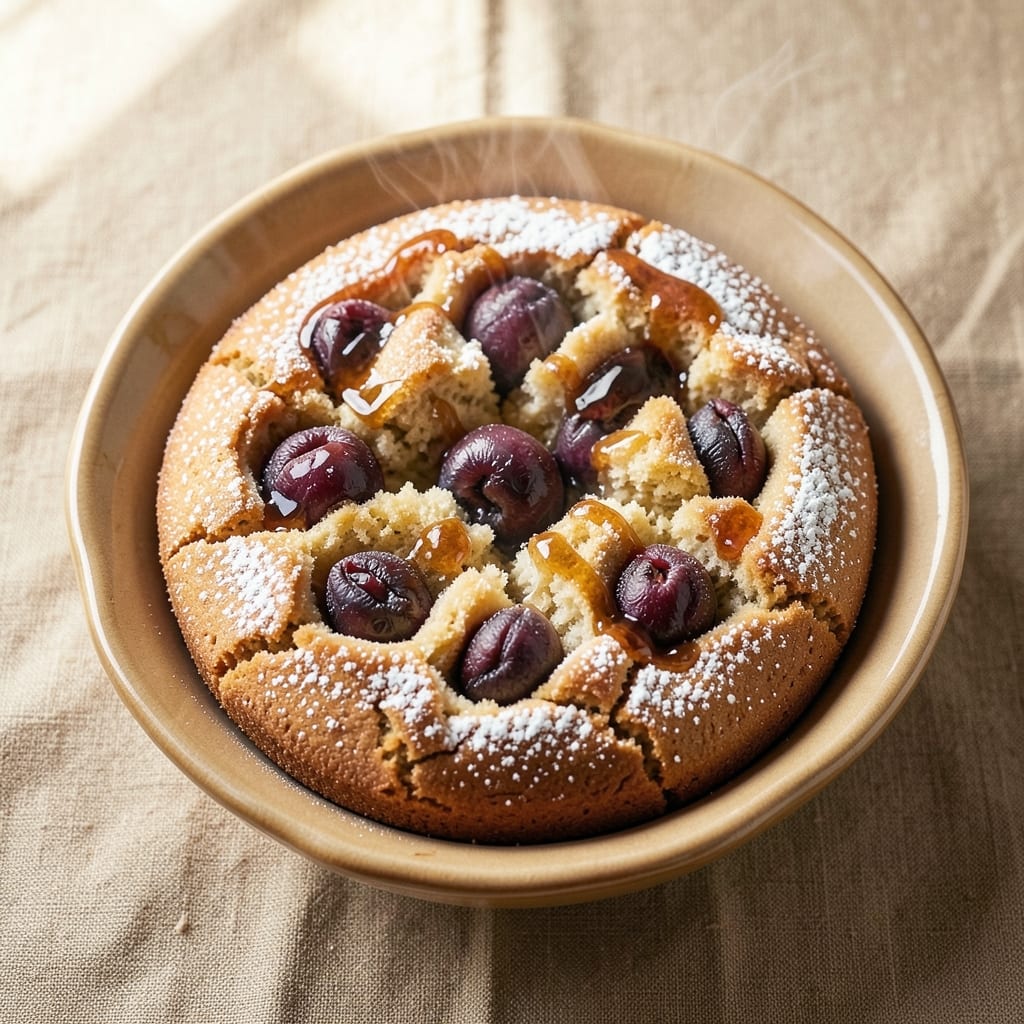
Austrian plum cake delivers layers of tender dough, sweet-tart plums, and a rum-infused caramelized top that tastes like autumn in every bite. This traditional Zwetschgendatschi recipe balances rich dough with the natural acidity of plums, creating a dessert that's both rustic and refined—perfect for special occasions or cozy weeknight treats.
The secret lies in the dough's simplicity: just flour, butter, and sugar, folded with plums and a touch of rum for depth. Austrian bakers often use sour plums (zwetschken), but fresh or frozen plums work beautifully too. The caramelized top adds a crisp contrast, while the rum infusion elevates the flavor without overpowering the fruit.
What you'll end up with is a cake that's moist yet sturdy, with layers of jammy plum filling peeking through tender dough. The aroma of baking plums and warm spices fills the kitchen, and each slice reveals that perfect balance of sweet, tart, and boozy richness. This is a dessert that feels like a hug—comforting, familiar, and utterly delicious.
Serve it warm with vanilla ice cream or dusted with powdered sugar for a classic touch. Whether you're baking for a celebration or simply craving a taste of Austria, this recipe delivers restaurant-quality results with minimal fuss. Let's get started!
Ingredients for austrian plum cake
Plums, butter, and rum—just nine ingredients transform into Austria's beloved cake.
| Ingredient | Amount | Notes |
|---|---|---|
| All-Purpose Flour 🌾 | 4 cups | Sifted for light texture |
| Unsalted Butter 🧈 | 1 ½ cups | Cold, cubed for dough |
| Granulated Sugar 🍚 | 1 ½ cups | Plus extra for caramel |
| Large Eggs 🥚 | 4 whole | Room temperature preferred |
| Fresh Plums 🍑 | 3 cups | Pitted, quartered (sour plums ideal) |
| Dark Rum 🍹 | ½ cup | Good quality, aged 3+ years |
| Vanilla Extract 🌿 | 1 tsp | Pure vanilla preferred |
| Baking Powder 🧂 | 2 tsp | Freshly opened |
| Salt 🧂 | ½ tsp | Fine sea salt |
| Brown Sugar 🍚 | ¼ cup | Packed, for caramel top |
| Ground Cinnamon 🌶️ | 1 tsp | For plum filling |
| Lemon Zest 🍋 | 1 tsp | Brightens plum flavor |
The plums are non-negotiable. Sour plums (zwetschken) give that classic tartness, but any ripe plums work—frozen plums even. I grab mine from Whole Foods when they're in season, or Trader Joe's for the frozen kind. Pitting them takes time, but a good plum pitter (or a butter knife) speeds things up. For the rum, Appleton Estate or Bacardi 8 add depth without overpowering—skip the cheap stuff. The butter should be cold when you start, or the dough gets too soft.
No sour plums? Tart cherries or green grapes work in a pinch, but adjust sweetness with extra sugar. Fresh vanilla extract is worth it here—imitation tastes artificial. The cinnamon and lemon zest might seem small, but they're what make the plum filling sing. Substitute cardamom if you prefer, but I've never found a better match. For the caramel top, brown sugar is key—white sugar won't give that rich color. And if you're worried about alcohol content, bake the cake uncovered for 10 minutes to let the rum cook off.
Store the cake in an airtight container at room temperature—it keeps for 4-5 days, but honestly, it disappears faster than that. Reheat slices in the oven for 10 seconds to revive the caramel top. The dough can be prepped a day ahead and chilled; the filling keeps for 3 days in the fridge. Freeze the fully assembled cake (unbaked) for up to 2 months—just add 10 minutes to baking time. And if you make extra? Plum jam from the leftover fruit is amazing.
Why You'll Love This Recipe
- No-Fuss Layers: I swear by this cake’s simplicity—just a buttery crumb base, a quick egg-sugar batter, and plums that practically bake themselves into sweet perfection. No fancy techniques, no last-minute scrambling for ingredients.
- Plum Butter Bliss: That caramelized plum filling? It’s the star. The sugar draws out their juices while the butter keeps everything tender, giving you a slice that’s equal parts jammy and cakey—no artificial flavors needed.
- Weekend or Weeknight: Slice it warm for a lazy Sunday brunch or pack it for a picnic—it holds up beautifully. Honestly, I’ve even sent it to work in a lunchbox, and no one’s complained (yet).
- Budget-Friendly Luxury: Fresh plums in season? Even better. The recipe uses just a handful of pantry staples, and the leftovers? They disappear faster than I can reheat them. My wallet and my family both win.
Step-by-step instructions for rum-infused Austrian plum cake
Here's how to create layers of tender cake infused with rum, wrapped around juicy plums, and topped with a rich caramelized crust.
Prepare the Plum Filling
In a medium bowl, combine the 3 cups fresh plums (pitted and quartered), 0.5 cup dark rum, and 1 tsp lemon zest. Let this mixture sit for 15 minutes to allow the flavors to meld. The rum will begin to soften the plums slightly, releasing their juices and intensifying their natural sweetness.
After the resting time, transfer the plum mixture to a fine-mesh strainer set over a small bowl. Press gently with a spoon to extract all the juices, then discard the solids. You should have about 1.5 cups of plum juice—this is what you'll use to moisten the cake layers later. If you prefer a chunkier filling, you can skip straining and use the whole plum mixture, but straining creates a more elegant presentation.
Make the Cake Batter
In a stand mixer fitted with the paddle attachment, beat the 1.5 cups unsalted butter and 1.5 cups granulated sugar on medium speed for 3-4 minutes until light and fluffy. This step is crucial—it incorporates air into the batter, which will make your cake layers tender and moist. Scrape down the sides of the bowl with a spatula to ensure everything is well combined.
Add the 4 whole large eggs, one at a time, mixing well after each addition. Then stir in the 1 tsp vanilla extract and 0.5 tsp salt. In a separate bowl, whisk together the 4 cups all-purpose flour (sifted) and 2 tsp baking powder. Gradually add the dry ingredients to the wet mixture, mixing on low speed just until combined—overmixing develops gluten, which can make the cake dense. The batter should be smooth and slightly thick, like a well-beaten cake batter.
Assemble and Bake the Cake Layers
Preheat your oven to 350°F and grease two 9-inch round cake pans, lining the bottoms with parchment paper for easy removal. Divide the cake batter evenly between the two pans, spreading it out smoothly. Pour ½ cup of the plum juice (or strained plum mixture) over each layer, letting it soak into the batter. This step ensures the cake stays moist and adds a subtle plum flavor throughout.
Bake for 25-30 minutes, or until a toothpick inserted into the center comes out clean. The cakes should be golden on top but still tender—don’t overbake, or they’ll dry out. Let the cakes cool in the pans for 10 minutes, then transfer them to a wire rack to cool completely. While they cool, prepare the plum filling by simmering the reserved plum juice with 0.25 cup brown sugar and 1 tsp ground cinnamon over medium heat for 5 minutes until slightly thickened.
Layer and Caramelize the Top
Once the cakes are completely cool, place one layer on a serving plate. Spread a thin layer of the plum filling (about ½ cup) over the top, then place the second cake layer on top. Spread the remaining plum filling evenly over the second layer. To create the caramelized top, sprinkle 2 tablespoons granulated sugar (from the extra mentioned in the ingredients) over the top of the cake. Place the cake under a broiler for 2-3 minutes, watching closely to avoid burning. The sugar will melt and caramelize, forming a glossy, golden crust.
Let the cake cool for 10 minutes before slicing into 8 equal wedges. Serve warm or at room temperature—either way, the combination of tender cake, rum-infused plums, and caramelized top makes this a showstopper. The rum flavor mellows beautifully, and the plums add a perfect balance of tartness and sweetness to every bite.
Pro Tips For Making Austrian Plum Cake
- Cream Butter Cold: Take your unsalted butter straight from the fridge—no softening needed. Austrian plum cake relies on that buttery crumb, and cold butter creates pockets for the plums to nestle into without turning the batter into soup. (Yes, even if you’re impatient like me, resist the urge to rush this.)
- Pit Plums Like a Pro: Use a sharp paring knife to slice a shallow X on the plum’s bottom, then tap it on the counter to crack the pit out—no pitting tool required. Overripe plums? Slice them thinner so they don’t turn the cake into a waterlogged mess. (I learned this the hard way after a soggy batch.)
- Don’t Overmix the Dough: Mix the flour, sugar, and eggs just until combined—lumpy is fine. Overworking the dough develops gluten, which makes the cake dense instead of tender. Fold in the plums gently; rough handling bruises them and releases juice that weakens the structure.
- Bake Until Golden, Not Just Set: Austrian plum cake needs a deep, even golden-brown crust, not just a "done" look. Check at 35–40 minutes—if the top’s still pale, tent foil over it for the last 10 minutes to prevent over-browning. (Sounds weird, but it works.)
Common mistakes when making your austrian plum cake
Skipping the Rum Soak
If you're avoiding alcohol entirely, don't just omit the rum—replace it with ½ cup apple juice or plum nectar to maintain moisture. The rum isn't just for flavor; it tenderizes the plums and adds depth. Without it, your cake might taste flat. I once tried skipping it entirely and ended up with a cake that lacked that signature Austrian warmth. 🍹
Overmixing the Dough
This is where most beginners go wrong—the dough turns tough when overmixed. Mix the dry ingredients into the wet just until combined, about 10-12 strokes with a spatula. I've seen cakes turn dense and rubbery because someone mixed for 2 minutes straight. Use a wooden spoon or rubber spatula to gently fold, not stir vigorously. The goal is a smooth batter, not a workout for your arm.
Underestimating Cooling Time
Rushing to slice warm cake is a surefire way to end up with crumbly layers. Let each cake layer cool completely in the pan for 10 minutes, then transfer to a wire rack for at least 1 hour. I've had cakes collapse mid-slice because they weren't fully set. Patience here ensures clean layers and proper texture. Trust me, the extra 10 minutes waiting saves you from messy servings later. ⏳
Uneven Plum Distribution
Sprinkling plums haphazardly leads to some slices being fruit-heavy while others are dry. For even distribution, arrange the plums in a single layer between the cake batter and the next layer. I like to press them gently into the dough so they stay put during baking. If you're using the strained plum juice method, pour it evenly over the batter—¼ cup per pan—and let it soak in completely before baking. Uneven moisture causes some layers to dry out faster.
Broiler Burns Quickly
The caramelized top is tempting, but broiling too long turns it into charred sugar. Keep the cake 3-4 inches from the heat source and watch closely—it takes just 2-3 minutes max. I've seen cakes go from golden to blackened in 30 seconds if you're not paying attention. For extra insurance, use a heatproof spatula to gently press down on the sugar as it caramelizes, ensuring even coverage. A little patience here makes all the difference. 🔥
Using the Wrong Plums
Not all plums are created equal. Sweet plums like Santa Rosa work, but they lack the tartness that balances the richness of the cake. For authentic flavor, use sour plums (zwetschken) or Damson plums if you can find them. If you're stuck with sweet plums, reduce the sugar in the filling by ¼ cup to avoid an overly sweet cake. I once used Italian prunes in a pinch—they worked, but they added a chewy texture that didn't match the traditional experience. Stick to plums for the best results. 🍑
Nutrition facts
Frequently asked questions
Can I substitute plums with another fruit?
While plums are traditional, tart cherries or green grapes work well in a pinch. For best results, use fruit with similar acidity—avoid overly sweet options like peaches. If substituting, reduce sugar in the filling by ¼ cup to balance flavors. The texture will differ slightly, but the cake's structure remains intact.
How do I make this gluten-free?
Replace all-purpose flour with a 1:1 gluten-free baking flour blend (like Bob's Red Mill) plus ½ tsp xanthan gum. Add 1 extra tablespoon liquid to the batter. The texture will be slightly denser, but the flavor remains rich. Test with a small batch first, as gluten-free flours vary in performance.
Why does my cake have a raw center?
Underbaking is usually the culprit—check your oven temperature with an oven thermometer (many run hot). For this recipe, 350°F is critical. Also ensure your pans are properly greased. If using dark pans, reduce baking time by 2-3 minutes to prevent over-browning while the center cooks.
Can I make this cake ahead?
Assemble the cake layers up to 24 hours ahead and refrigerate. Bake just before serving. For longer storage, freeze the unbaked cake (with filling) for up to 2 months). Add 10 minutes to baking time when thawed. The flavors actually improve with time as the rum infuses further.
What's the best way to serve this?
Warm slices pair beautifully with vanilla ice cream or whipped cream. For an Austrian touch, dust with powdered sugar or serve with a dollop of sour cream. The caramelized top is best enjoyed fresh—reheat slices in the oven for 10 seconds to restore its crispness.