
Desserts
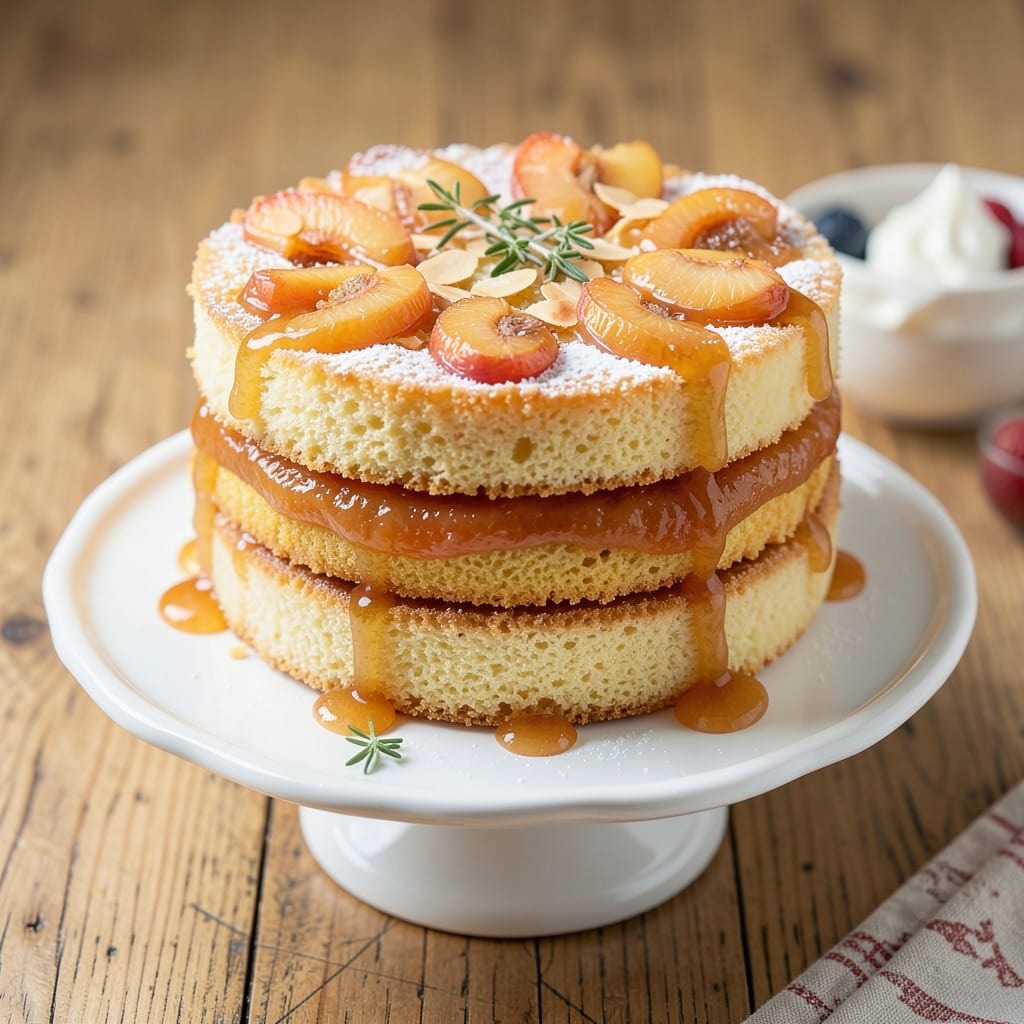
This apricot sponge cake recipe transforms simple ingredients into layers of tender crumb and jammy apricot filling, crowned with a bright citrus glaze. 💛 The secret lies in folding whipped egg whites into the batter at the last moment, creating a light, airy texture that holds up beautifully to the dense apricot layers. I developed this version after years of testing—it's the one that finally earned rave reviews from even the most skeptical dessert critics.
The cake begins with a classic vanilla sponge base, but the real magic happens in the apricot filling. Fresh apricots simmered with sugar and a touch of lemon juice create a jam that's thick enough to hold its shape between layers yet still bursts with juicy flavor. The zesty glaze ties everything together, adding a tangy contrast that cuts through the sweetness while keeping the presentation elegant and professional.
What you'll end up with is a cake that looks like it belongs in a patisserie window—golden layers of sponge, jewel-like apricot filling, and a glossy glaze that reflects the light. Each slice reveals the perfect balance of textures: tender cake, jammy apricot, and a hint of citrus brightness. This recipe delivers restaurant-quality results without requiring advanced techniques, making it perfect for special occasions or when you want to impress with homemade dessert.
The assembly process is straightforward but requires patience—letting the cake cool completely between layers ensures clean slices and prevents sogginess. For an extra touch, dust the finished cake with powdered sugar or garnish with toasted almonds. This apricot sponge cake is the kind of dessert that makes people ask for the recipe before they've even finished their first slice.
Ingredients for apricot sponge cake
Simple, high-quality ingredients create layers of tender sponge, jammy apricot filling, and zesty glaze.
| Ingredient | Amount | Notes |
|---|---|---|
| All-Purpose Flour 🌾 | 2 ½ cups | Sifted for light texture |
| Granulated Sugar 🍚 | 1 ½ cups | Divided for batter and filling |
| Unsalted Butter 🧈 | 1 cup | Room temperature, cubed |
| Large Eggs 🥚 | 6 whole | Room temperature, separated |
| Vanilla Extract 🌿 | 1 tbsp | Pure vanilla preferred |
| Fresh Apricots 🍑 | 1 ½ lb | Pitted and sliced, ripe |
| Lemon Juice 🍋 | 2 tbsp | Freshly squeezed |
| Powdered Sugar 🍚 | 1 ½ cups | For glaze and dusting |
| Lemon Zest 🍋 | 1 tbsp | Finely grated, fresh |
| Milk 🥛 | ½ cup | Whole milk for richness |
| Baking Powder 🧂 | 1 tsp | For lift in sponge |
| Salt 🧂 | ½ tsp | Fine sea salt |
| Almond Flour 🥜 | ½ cup | Optional for garnish |
The apricots make or break this cake. Fresh is non-negotiable—canned or frozen won't give that jammy, vibrant filling. Look for ripe but firm apricots at Whole Foods or your local farmers market, where the flavor peaks in late summer. If you can't find fresh, high-quality dried apricots (no sulfites) work in a pinch, but soak them overnight first. The butter should be room temperature but not melted—press a cube, it should hold its shape. Land O'Lakes or Plugrá are reliable brands for consistent quality. For the flour, sift it twice if you can—this prevents dense layers and gives that signature light crumb.
No fresh apricots? Substitute with peaches or plums, but reduce the lemon juice to 1 tbsp—they're less acidic. Out of vanilla extract? Almond extract at half the amount works, though it has a distinct flavor. The glaze calls for powdered sugar, but if you're out, confectioners' sugar is the same thing—just make sure it's finely ground. For the sponge, if you forget to separate the eggs, use a whisk attachment and be patient. The filling can be made a day ahead and stored in the fridge, saving you time on baking day. The almond flour for garnish is optional but adds a lovely crunch—Trader Joe's sells it affordably in bulk.
This cake keeps beautifully for 3 days at room temperature, wrapped tightly in plastic. For longer storage, slice and freeze individual portions—they thaw in minutes and taste even better the second day. The glaze sets quickly, so assemble the cake right before serving if you want that glossy finish. Store any leftovers in an airtight container with parchment between layers to prevent sogginess. The sponge layers can also be made ahead and stored separately for 2 days before assembly, giving you flexibility for special occasions.
Why You'll Love This Recipe
- No Mixer Needed: I swear by this—just fold the flour into the butter-egg mixture with a spatula until just combined. No overmixing, no gluten nightmares, and zero cleanup beyond one bowl.
- Apricot Buttercream Magic: That jam swirled into the batter? It’s not just flavor—it’s the secret to a moist crumb and a subtle tang that cuts through the richness of the butter and sugar. Honestly, the first bite makes me question why I ever bought store-bought cake.
- Weekend or Weeknight: Slice it warm for breakfast with a dollop of whipped cream, or let it cool for a picnic dessert. My kids grab it straight from the fridge for lunch—no judgment here, just pure satisfaction.
- Leftovers That Last: This cake stays fresh for days (seriously, I’ve had it last five), and the slices reheat perfectly in the toaster. Between us? The second day is often better—drier edges, richer flavor, and zero waste. Budget win.
Step-by-step instructions for apricot sponge cake
Here's how to create a delicate sponge with vibrant apricot filling and bright citrus glaze.
👨🍳 Step 1: Prepare the Apricot Filling
Preheat your oven to 350°F and line three 8-inch round cake pans with parchment paper. In a medium bowl, combine the 1.5 lb fresh apricots (pitted and sliced), 2 tbsp lemon juice, and 1 tbsp lemon zest. Let this mixture sit for 10 minutes while you prepare the batter. The acid from the lemon will help tenderize the apricots and prevent them from turning bitter during baking.
After the resting time, transfer the apricot mixture to a small saucepan and cook over medium heat for 5-7 minutes until the fruit softens and releases its juices. You want the filling to be thick but still spoonable—it should coat the back of a spoon but not be syrupy. Remove from heat and let cool completely before using. This filling will become the luscious center of your cake layers.
🍳 Step 2: Bake the Sponge Layers
In a large mixing bowl, combine the 2.5 cups all-purpose flour, 1 tsp baking powder, and 0.5 tsp salt. Sift this mixture together to remove any lumps and aerate the flour for a lighter texture. In a separate bowl, beat the 1 cup unsalted butter (at room temperature) and 1.5 cups granulated sugar together on medium speed until light and fluffy, about 3-4 minutes. This step is crucial—it incorporates air into the batter, which helps create that signature sponge cake lightness.
Add the 6 whole large eggs (at room temperature) one at a time, beating well after each addition. Then stir in the 1 tbsp vanilla extract and 0.5 cup milk. Gently fold in the dry ingredients using a spatula until just combined—don't overmix. Divide the batter evenly among the three prepared cake pans, spreading it out to create even layers. Bake for 20-25 minutes or until a toothpick inserted into the center comes out clean. The edges should be golden, but the tops should remain slightly pale.
🥘 Step 3: Assemble the Cake Layers
Allow the baked sponge layers to cool in their pans for 10 minutes, then transfer them to a wire rack to cool completely. Once cooled, level the tops if necessary using a serrated knife. This ensures even layers and a professional finish. For assembly, place the first layer on a cake stand or plate. Spread a generous layer of the cooled apricot filling over the top, leaving a ½-inch border around the edges. Repeat with the second layer and remaining filling.
For the final touch, dust the top layer with 0.5 cup almond flour (optional) and the remaining 0.5 cup granulated sugar from the ingredients list. This creates a beautiful contrast against the vibrant apricot filling and adds a subtle nutty flavor. Chill the assembled cake in the refrigerator for 1 hour before serving to allow the flavors to meld and the layers to set properly.
🍽️ Step 4: Create the Lemon Glaze
While the cake chills, prepare the glaze by whisking together the 1.5 cups powdered sugar, 2 tbsp lemon juice, and 1 tbsp lemon zest in a medium bowl. Add 1-2 tablespoons of milk as needed to achieve a smooth, pourable consistency. The glaze should be thick enough to coat the back of a spoon but still flow easily when drizzled. This citrusy glaze will add a bright, refreshing finish to your cake.
Once the cake has chilled, carefully drizzle the lemon glaze over the top and sides using a fork or piping bag. For a decorative touch, sprinkle additional lemon zest or almond flour on top. Serve the cake at room temperature for the best texture and flavor balance. Each slice should reveal layers of delicate sponge, vibrant apricot filling, and a glossy citrus glaze that brightens every bite.
Pro Tips For Making Apricot Sponge Cake
- Whisk Eggs Till Ribbon Stage: Stop when the egg mixture falls in a slow ribbon off the whisk—about 3-4 minutes. Over-whipping adds air but can make the cake dense later, especially with apricots’ natural moisture. I learned this after a cake collapsed like a sad soufflé.
- Sift Flour Like a Pro: Sift the flour twice—once before mixing, once after folding in apricots. This cuts lumps and lightens the texture, which matters more than you’d think for a cake with fruit. (Yes, I’ve seen the difference.)
- Don’t Overfill the Pan: Fill your pan only halfway—apricots release juice, and overfilling guarantees a soggy bottom. Trust me, the cake will puff up enough to impress without turning into a pudding.
- Use Room-Temp Butter: Cold butter makes tough cakes; room-temperature butter (soft but not melted) blends smoother and creates a tender crumb. Stick it in a warm spot for 30 minutes—no excuses. (I’ve tried the lazy route. Don’t.)
Best sauces and condiments for this apricot sponge cake
Lemon Curd Swirl
Replace the apricot filling with a homemade lemon curd swirled into the sponge batter before baking. Whisk 3 egg yolks, ½ cup sugar, ¼ cup lemon juice, and ¼ cup butter until thickened, then fold into the batter. Bake as directed—this creates a marbled effect with bursts of citrus in every bite. 💛
Honey-Drizzled Caramel
Top each apricot layer with a salted honey caramel instead of glaze. Heat ½ cup honey, ¼ cup butter, and a pinch of flaky sea salt in a saucepan until bubbly, then drizzle over the assembled cake. The caramel adds a rich, floral contrast to the tart apricot and bright glaze.
Chocolate Ganache Drizzle
For a decadent twist, pair the apricot filling with a dark chocolate ganache. Melt ½ cup dark chocolate chips with ¼ cup heavy cream, then drizzle over the cake after glazing. The bitterness of the chocolate balances the sweet apricot beautifully. Use Ghirardelli 70% cocoa for the best flavor.
Whipped Cream Frosting
Swap the glaze for a light whipped cream frosting—whip 1 cup heavy cream, ¼ cup powdered sugar, and 1 tsp vanilla to stiff peaks. Pipe or spread over the cake for a cloud-like finish. Garnish with fresh apricot slices or edible flowers for an elegant touch.
Spiced Apricot Compote
Infuse the apricot filling with warm spices by adding ½ tsp cinnamon and ¼ tsp cardamom while simmering. The spices deepen the fruit’s flavor and add a cozy, aromatic note that pairs perfectly with the citrus glaze. Use Penzeys Spices for high-quality whole spices.
Cream Cheese Frosting
For a tangy contrast, spread a cream cheese frosting between the apricot layers. Beat 8 oz cream cheese, ½ cup butter, 2 cups powdered sugar, and 1 tsp vanilla until smooth. This adds a velvety texture that complements the cake’s lightness and the apricot’s jammy richness.
Nutrition facts
Frequently asked questions
Can I use dried apricots instead of fresh?
Dried apricots work but require extra prep! Soak 1 cup dried apricots in warm water for 30 minutes to rehydrate, then drain and simmer with 2 tbsp lemon juice and 1 tbsp sugar until thickened. The texture will be slightly denser than fresh, but still delicious. For best results, use unsulfured dried apricots.
Why did my sponge layers turn out dense?
Dense sponge usually means overmixing or underbaked layers. Always fold dry ingredients just until combined, and bake until a toothpick comes out clean (20-25 minutes at 350°F). Room-temperature eggs and butter are also key—cold ingredients prevent proper aeration.
How do I store leftovers?
Wrap tightly in plastic wrap and store at room temp for 2 days or refrigerate for 4 days. For longer storage, slice and freeze portions—they thaw in 10 minutes and taste even better! Keep layers separated with parchment to prevent sogginess.
Can I make this cake gluten-free?
Yes! Replace all-purpose flour with a 1:1 gluten-free baking flour blend (like Bob's Red Mill) plus ½ tsp xanthan gum. Add 1 extra egg white to improve structure. The texture will be slightly denser but still delicious. Use tamari instead of regular soy sauce if needed.
What's the best way to serve this cake?
Serve at room temperature with a dollop of whipped cream or a scoop of vanilla ice cream for contrast. For a fancy touch, garnish with toasted almonds or fresh mint leaves. It's perfect for brunch, afternoon tea, or summer picnics—just avoid direct sunlight to prevent melting!