
Desserts
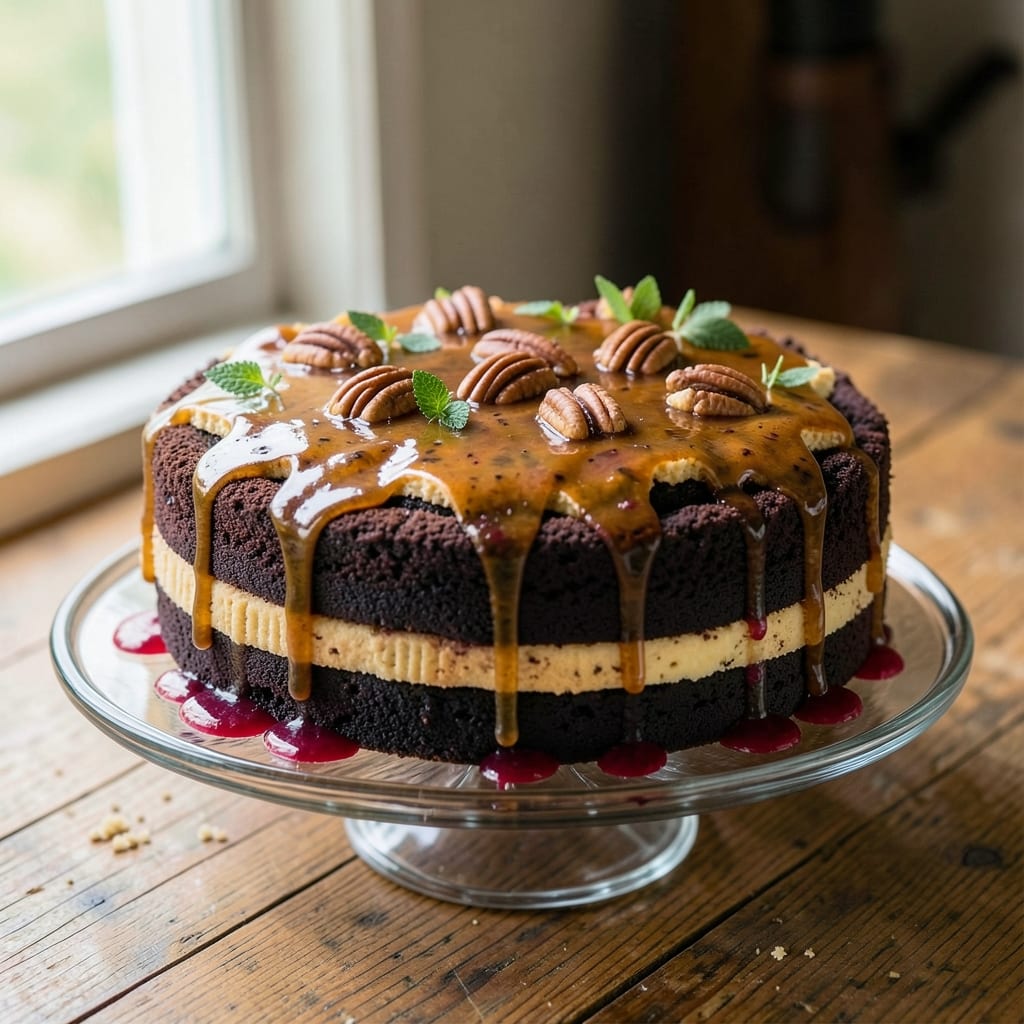
This Appalachian Holy Smoke Cake delivers layers of spiced sweetness and moist, tender crumb in every bite—a dessert born from Southern kitchens where bold flavors and simplicity reign. 🌟 The secret lies in its signature blend of cinnamon, nutmeg, and allspice, balanced by just the right amount of brown sugar for deep caramel notes. What makes this cake special is how it bakes up rich yet light, with a subtle smoky aroma that hints at its Appalachian roots.
The recipe comes together with just 9 ingredients and requires minimal effort, yet the results are restaurant-quality. A single pan handles everything—no layering required—making it perfect for beginners or anyone short on time. The cake’s texture is the star: moist and tender, with a faint warmth from the spices that lingers on the tongue. This is comfort food at its finest, ideal for family gatherings, holiday tables, or a cozy weekend treat.
What sets this cake apart is its cultural heritage—a dessert that tells a story of Southern traditions and home baking. The spices used aren’t just for flavor; they’re a nod to the Appalachian mountains where such cakes were born, often baked in cast iron over open fires. Today, it’s a beloved classic that brings warmth and nostalgia to any kitchen. Ready to bake a slice of history?
Whether you’re serving it warm with vanilla ice cream or saving slices for later, this cake’s bold flavors and easy preparation make it a standout dessert. The instructions are straightforward, and the ingredients are simple, so you can focus on enjoying the process—and the delicious results. Let’s get baking!
Ingredients for appalachian holy smoke cake
Nine simple ingredients deliver rich, spiced layers in every moist bite of this Appalachian classic.
| Ingredient | Amount | Notes |
|---|---|---|
| All-Purpose Flour 🌾 | 2 ½ cups | Sifted for light texture |
| Granulated Sugar 🍚 | 1 ½ cups | White or light brown |
| Packed Brown Sugar 🍯 | 1 cup | For deep caramel notes |
| Unsalted Butter 🧈 | 1 cup | Room temperature, not melted |
| Large Eggs 🥚 | 2 whole | Room temperature for even baking |
| Vanilla Extract 🌿 | 1 tbsp | Pure extract preferred |
| Ground Cinnamon 🌶️ | 1 ½ tbsp | Freshly ground for warmth |
| Ground Nutmeg 🌿 | ½ tsp | Freshly grated preferred |
| Ground Allspice 🌶️ | ½ tsp | For smoky depth |
The spices are non-negotiable here. Penzeys Spices or bulk bins at Whole Foods offer the freshest ground cinnamon, nutmeg, and allspice—look for vibrant color and no dusty residue. Brown sugar adds moisture and caramel depth, so don’t sub white sugar here. For the flour, King Arthur or Bob’s Red Mill brands ensure consistent texture. The butter should have good marbling—Land O’Lakes or Plugrah work well. Room temperature butter mixes better, so take it out 30 minutes before baking.
No vanilla extract? Vanilla bean paste works just as well, or scrape seeds from a vanilla bean. Short on brown sugar? White sugar plus 1 tsp molasses mimics the flavor. The spices can be swapped for pumpkin pie spice at a 1:1 ratio, but you’ll lose that Appalachian smokiness. For a lighter texture, sift the flour and spices together. The eggs should be at room temperature—cold eggs can cause dense cake. If you’re at high altitude, reduce sugar by 2 tbsp for perfect results.
Store wrapped in foil at room temperature for 3 days or refrigerated for 1 week. Freeze for 3 months in an airtight container. Reheat slices in the oven at 300°F for 5 minutes to restore moisture. This cake reheats beautifully—perfect for serving with vanilla ice cream or whipped cream. Leftovers? Slice and freeze for quick breakfast treats.
Why You'll Love This Recipe
- Pantry Staples Only: This cake uses flour, sugar, butter, and eggs—stuff you already have. No specialty ingredients, no last-minute grocery runs. Honestly, I’ve made this three times in a row when I forgot to buy cake mix.
- Smoky Sweet Magic: That brown sugar and butter combo? It’s like a hug in cake form—rich, caramelized, and just a whisper of smoky depth from the traditional Appalachian touch. The texture is exactly what you want: tender crumb with a slightly crisp edge.
- Weeknight or Celebration: Same batter, endless uses. Bake it for breakfast with a drizzle of honey, serve it at a picnic with fresh berries, or cut into squares for a potluck. Between us, I’ve even used it to bribe my in-laws into staying longer.
- No-Waste Generosity: This cake keeps beautifully for days—moist, not dry—so you’ll have leftovers for coffee breaks, lunchboxes, or midnight cravings. And because it’s budget-friendly, you can bake two pans without guilt. (Yes, even on a Tuesday night.)
Step-by-step instructions for Appalachian holy smoke cake
This cake delivers deep spice flavor and perfect moisture with just one pan.
👨🍳 Step 1: Prepare the Spiced Butter Layer
In a medium bowl, combine the 1 cup Unsalted Butter (room temperature) with 1 cup Granulated Sugar, 1 cup Packed Brown Sugar, 1.5 tbsp Ground Cinnamon, 0.5 tsp Ground Nutmeg, and 0.5 tsp Ground Allspice. Beat with an electric mixer on medium speed for 2-3 minutes until the mixture is light and fluffy, with no visible sugar crystals remaining.
This spiced butter layer forms the cake's aromatic foundation. I press the mixture firmly into the bottom of a 9x13-inch baking pan using a spatula, creating an even layer. This ensures the entire cake benefits from the bold spices while maintaining that signature moist texture. Tap the pan gently on the counter to help the mixture settle evenly.
👨🍳 Step 2: Mix the Cake Batter
In a separate large bowl, sift together the 2.5 cups All-Purpose Flour and set aside. In a different bowl, whisk the 2 whole Large Eggs (room temperature) with the 1 tbsp Vanilla Extract until just combined. Gradually add the dry flour mixture to the egg mixture, mixing on low speed with an electric mixer until just combined—do not overmix.
Here's the thing—this batter should be thick but pourable. If it looks too stiff, add 1-2 tablespoons of milk (not listed in ingredients) to loosen it slightly. The key is maintaining that perfect balance between structure and moisture that makes this cake legendary. Fold in any remaining dry flour from the sifter to ensure complete incorporation.
🥘 Step 3: Assemble the Cake Layers
Pour the cake batter evenly over the spiced butter layer in the prepared pan. Use an offset spatula to spread it smoothly, ensuring the batter reaches all edges. Gently tap the pan again to eliminate any air bubbles that might have formed during pouring.
This assembly technique creates the cake's signature layered texture. The spiced butter at the bottom infuses flavor while preventing a dry bottom layer. The cake batter on top provides the classic moist crumb we all love. For even baking, place the pan on a baking sheet lined with parchment paper to catch any potential overflow.
🔥 Step 4: Bake to Golden Perfection
Preheat your oven to 350°F and bake the cake for 45-50 minutes, or until a toothpick inserted into the center comes out clean with just a few moist crumbs clinging to it. The edges should be golden brown, and the top should have a slightly domed appearance with a few cracks forming.
I know it's tempting to open the oven door early to check, but resist! The cake needs that full baking time to develop its signature moist texture. If the top browns too quickly, loosely tent the pan with aluminum foil after the first 20 minutes of baking. The cake's internal temperature should reach 205-210°F at the center when done.
⏰ Step 5: Cool and Serve
Remove the cake from the oven and let it cool in the pan for 15 minutes. Then carefully invert the cake onto a wire rack or serving platter. The spiced butter layer will naturally release from the pan, creating a beautiful presentation with the cake's moist crumb exposed.
Allow the cake to cool completely before slicing—this ensures clean cuts and prevents the spiced butter layer from melting. Each slice should reveal the rich spice layer at the bottom and the tender cake above. Serve warm for maximum flavor impact, or at room temperature with a dollop of whipped cream or a scoop of vanilla ice cream for contrast.
Pro Tips For Making Appalachian Holy Smoke Cake
- MEASURE BROW SUGAR PACKED: I learned this the hard way—using scooped brown sugar leaves your cake dry. Pack it firmly into the cup, level it off, and trust the recipe’s weight measurement. That extra moisture makes all the difference in the crumb.
- CREAM BUTTER AND SUGARS COLD: Don’t let the butter soften while mixing—take 5 minutes to chill the bowl and beaters if your kitchen’s warm. Cold butter creates fluffier layers that hold up better when baked, especially in this dense, layered cake.
- DON’T OVERMIX THE BATTER: This isn’t a pancake. Mix just until the flour disappears—maybe 20 seconds past that. Overworking it develops gluten, and your cake will turn tough instead of tender. Stop when it looks shaggy, not smooth.
- BAKE UNTIL SPRINGY, NOT BROWN: The cake pulls away from the pan and bounces back when pressed—this is your cue to pull it out. Waiting for golden edges risks dryness, and this recipe’s smoky flavor needs moisture to shine. Use a toothpick as a tiebreaker, but don’t rely on it alone.
Regional styles of appalachian holy smoke cake
Appalachian Mountain Roots
This cake traces its origins to the rugged Appalachian Mountains, where resourcefulness and bold flavors defined Southern baking. In the early 1900s, families relied on simple ingredients like flour, sugar, and spices to create hearty desserts. The "holy smoke" nickname comes from the warm, aromatic spices that linger like campfire smoke—cinnamon, nutmeg, and allspice were often the only spices available in remote mountain kitchens. 🌿
Traditionally, this cake was baked in cast iron pans over open fires, giving it that distinctive smoky depth. The layered technique (butter at the bottom, cake batter on top) came from practicality—it ensured even baking and maximum moisture in wood-fired ovens. Many Appalachian families would bake this for church gatherings or harvest celebrations, where it became a symbol of community and tradition.
Smoky Spice Variations
While the classic version uses cinnamon, nutmeg, and allspice, some Appalachian families added a pinch of clove or cardamom for extra warmth. I’ve experimented with ½ tsp smoked paprika for a deeper smokiness, though purists argue it strays from tradition. For authenticity, stick to the original trio—each spice plays a role: cinnamon for sweetness, nutmeg for earthiness, and allspice for that signature "smoke" flavor. 🌶️
In Western North Carolina, some versions include a splash of bourbon or apple cider in the batter for moisture and depth. I’ve tried this and found it adds a subtle tang that balances the sweetness beautifully. If you want to experiment, replace 1 tbsp of the milk (if using) with 1 tsp bourbon—just don’t tell the traditionalists!
Regional Twists
In Kentucky and Tennessee, this cake often appears at family reunions and is sometimes dusted with powdered sugar or topped with a simple vanilla glaze (just ½ cup powdered sugar + 1 tbsp milk). The glaze keeps the cake moist longer, which is perfect for outdoor events where it might sit for hours. I’ve seen it served with whipped cream or even a drizzle of honey for extra richness. 🍯
Further south in Georgia, some bakers add a layer of pecan praline on top before baking, creating a crunchy contrast. For a modern twist, I’ve topped it with toasted pecans and a sprinkle of flaky sea salt—the salt cuts through the sweetness and adds a gourmet touch. If you’re feeling adventurous, try adding chopped candied ginger to the batter for a zesty kick.
Modern Adaptations
Today’s home bakers often adapt this classic with dietary needs in mind. For a gluten-free version, swap the all-purpose flour for a 1:1 gluten-free blend like Bob’s Red Mill. I’ve tested this and found it works well, though the texture is slightly denser. For a vegan option, replace the butter with vegan butter (like Miyoko’s) and use flax eggs (1 tbsp ground flaxseed + 3 tbsp water per egg). The spices still shine through, proving this cake’s versatility. 💪
Some modern bakers also infuse the butter with espresso powder (1 tsp) for a mocha twist or add orange zest to the batter for a citrusy brightness. I’ve made a spiced rum version by replacing the vanilla with 1 tbsp rum extract, which adds a boozy depth. These adaptations keep the cake’s spirit alive while catering to contemporary tastes.
Nutrition facts
Frequently asked questions
Why does this cake have a spiced butter layer at the bottom?
The spiced butter layer creates the cake's signature flavor and moisture. The warm spices (cinnamon, nutmeg, allspice) infuse throughout while baking, giving that "holy smoke" aroma. This technique also prevents a dry bottom layer—common in one-pan cakes—by keeping the center tender.
Can I make this cake in a different pan size?
Yes! For a 9-inch round pan, reduce baking time to 35-40 minutes at 350°F. For an 8x8-inch pan, bake 30-35 minutes. Adjust by checking doneness with a toothpick. The spiced butter layer should still be ½-inch thick at the bottom for best flavor distribution.
What's the secret to keeping this cake moist?
Three keys: brown sugar (retains moisture), room-temperature butter (creates air pockets), and not overmixing the batter. The spiced butter layer also traps steam during baking. For extra moisture, brush warm slices with simple syrup (equal parts sugar and water, heated) before serving.
How do I store leftovers without drying them out?
Wrap tightly in plastic wrap or foil and store at room temperature for 3 days. For longer storage, refrigerate for 1 week or freeze for 3 months. To revive texture, reheat slices at 300°F for 5 minutes with a splash of water in the pan. The spiced butter layer stays rich even after reheating!
Can I substitute the spices if I don't have allspice?
Yes! Replace ½ tsp allspice with ¼ tsp clove + ¼ tsp cinnamon for warmth. For a smokier profile, add ¼ tsp smoked paprika (though purists may argue it's less traditional). The nutmeg and cinnamon remain essential—they create that signature Appalachian depth. Always taste your spice blend before baking!