
Desserts
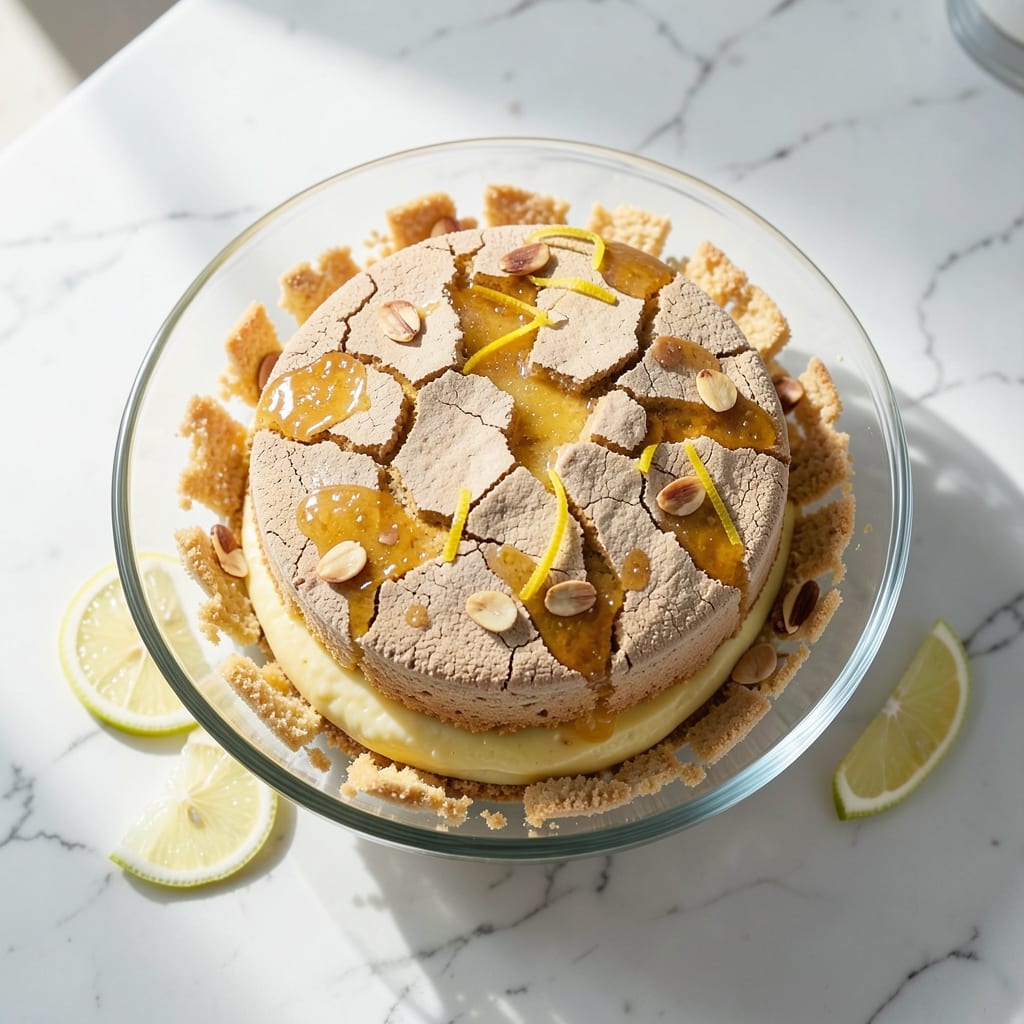
This anytime lemon cake delivers bright, citrusy flavor with minimal effort—perfect for spontaneous dessert cravings or last-minute gatherings. The secret lies in a one-bowl mixing method that cuts prep time while ensuring a tender, moist crumb and bursts of zesty lemon in every slice. No fancy equipment or advanced techniques required, just simple ingredients and a little patience for the magic to unfold.
The cake’s beauty comes from its golden, domed top and that signature lemony aroma that fills your kitchen the moment it emerges from the oven. A light glaze or powdered sugar dusting elevates the presentation, making it look as impressive as it tastes. What’s more, this recipe scales effortlessly—whether you’re baking for two or a crowd, the proportions adjust without sacrificing texture or flavor.
What sets this lemon cake apart is its versatility—serve it fresh with a dollop of whipped cream, layer it with lemon curd for extra zing, or even enjoy it plain for a no-fuss treat. The recipe includes a foolproof baking technique that guarantees a perfectly domed cake with a tender crumb, so you can focus on the joy of serving rather than stressing over details.
Ready in under an hour, this cake is the ideal solution for weekday treats, potlucks, or holiday desserts without the fuss. The bright, citrusy notes cut through rich meals, making it a crowd-pleaser that feels both comforting and refreshing. Let’s get baking!
Ingredients for anytime lemon cake
Simple pantry staples meet vibrant citrus for a cake that’s always perfect.
| Ingredient | Amount | Notes |
|---|---|---|
| All-Purpose Flour 🌾 | 2 cups | Sifted for light texture |
| Granulated Sugar 🍚 | 1 ½ cups | White or light brown |
| Unsalted Butter 🧈 | 1 cup | Cold, cubed for creaming |
| Fresh Lemon Juice 🍋 | ¾ cup | From 4-6 lemons, freshly squeezed |
| Large Eggs 🥚 | 2 whole | Room temperature for best mixing |
| Baking Powder 🌶️ | 2 tsp | Diamond Crystal preferred |
| Salt 🧂 | ½ tsp | Fine sea salt preferred |
| Zest of 2 Large Lemons 🍋 | 2 tbsp | Fine, bright yellow zest |
| Powdered Sugar 🍚 | ½ cup | For glaze, sifted |
| Heavy Cream 🥛 | ¼ cup | Optional for glaze richness |
| Vanilla Extract 🍯 | 1 tsp | Pure vanilla for depth |
The butter and sugar creaming is where the magic happens—cold butter cubes create air pockets for that signature tender crumb. King Arthur or Gold Medal flour yields the best texture, but any all-purpose works in a pinch. For the lemon juice, freshly squeezed from organic lemons delivers the brightest flavor, though bottled works if you're in a hurry. The zest should be vibrant yellow—no green bits, as they can make the cake bitter. If you're scaling up, increase the lemon juice by 10% to maintain that signature citrus punch.
No fresh lemons? Bottled lemon juice with 1 extra tablespoon gets you close, though the flavor won’t be as bright. Running short on butter? Coconut oil or applesauce at half the amount keeps the cake moist, though texture will differ slightly. The baking powder is non-negotiable—Diamond Crystal measures differently than other brands, so if your recipe calls for 2 teaspoons, use 2 teaspoons, not 1 tablespoon. For the glaze, powdered sugar and heavy cream create a silky finish, but simple powdered sugar alone works just as well if you're keeping it light.
Store the cake in an airtight container at room temperature for up to 3 days, though it’s best enjoyed fresh. For longer storage, wrap tightly in plastic wrap and refrigerate for up to 1 week—the flavors actually deepen overnight. The glaze can be made ahead and stored in the fridge for 3 days, simply whisking with a splash of milk or cream to thin before use. Freeze portions for up to 3 months by wrapping tightly in plastic and aluminum foil—thaw at room temperature before serving.
Why You'll Love This Recipe
- No Fuss, One Bowl: I swear by this recipe because it’s literally one bowl—no mixing madness, no extra pans. Just toss the flour, sugar, melted butter, lemon juice, and eggs together, dump it in the pan, and bake. My lazy days just got a whole lot sweeter.
- Zesty Magic: That fresh lemon juice? It’s the star. The cake’s got this bright, tangy punch that cuts through the richness of the butter, leaving you with something light yet deeply satisfying. Honestly, it’s the kind of flavor that makes you want to eat it straight out of the pan.
- Breakfast to Brunch: Here’s what sold me—this cake works anytime. Serve it warm with a pat of butter for a lazy Sunday breakfast, slice it chilled for a picnic, or even crumble it over yogurt for a quick snack. My kids ask for it at least twice a week, and I never get tired of it.
- Budget-Friendly Staples: You already have everything. Flour, sugar, butter, eggs—these are the basics I always stock. No fancy ingredients, no last-minute grocery runs. Plus, the leftovers keep for days, so I’m never scrambling to bake something last-minute. (Yes, even on a Tuesday night.)
Step-by-step instructions for one-bowl lemon cake
Master this foolproof method for tender crumb, vibrant lemon flavor, and effortless assembly.
Cream Butter and Sugar for Light Texture
In a large mixing bowl, combine the 1 cup unsalted butter (cold, cubed) and 1.5 cups granulated sugar. Using an electric mixer on medium-high speed, beat for 3-4 minutes until the mixture is light and fluffy, with a pale yellow color. This creaming process incorporates air, which creates the cake's signature tender crumb.
I press down on the butter occasionally during mixing to ensure all the sugar crystals are fully incorporated. The mixture should nearly double in volume and leave ribbons when the beaters are lifted. If using room-temperature butter, chill the bowl for 10 minutes before proceeding to prevent overmixing.
Add Eggs and Lemon Components
Reduce mixer speed to medium and add the 2 whole large eggs, one at a time, mixing well after each addition. Scrape down the sides of the bowl to ensure all ingredients are fully incorporated. Next, add the 0.75 cup fresh lemon juice, 1 teaspoon vanilla extract, and 2 tablespoons lemon zest, mixing until just combined.
The lemon zest should be finely grated and bright yellow—this ensures maximum flavor without bitterness. I like to press the zest through a fine-mesh strainer to remove any tough bits. The mixture will be slightly thick but should hold its shape when dropped from a spoon.
Combine Dry Ingredients for Perfect Rise
In a separate bowl, whisk together the 2 cups all-purpose flour, 2 teaspoons baking powder, and 0.5 teaspoon salt. Sift the flour mixture directly into the wet ingredients, then gently fold together using a spatula until just combined. Avoid overmixing—you should still see small flour streaks in the batter.
This step is crucial for maintaining the cake's tender texture. Overmixing develops gluten, which results in a dense, chewy cake rather than the light, airy crumb we want. The batter will be thick and slightly lumpy, which is perfect for this recipe.
Bake to Golden Perfection
Preheat your oven to 350°F and grease an 8-inch round cake pan or line it with parchment paper. Pour the batter into the prepared pan and smooth the top with a spatula. Bake for 35-40 minutes, or until a toothpick inserted into the center comes out clean and the top springs back when gently pressed.
I recommend checking the cake at the 30-minute mark—ovens vary in temperature accuracy. The cake should be golden brown with a slightly domed top. If the edges brown too quickly, tent the cake with aluminum foil to prevent overbrowning while the center finishes baking.
Glaze and Serve for Maximum Brightness
While the cake is still warm, prepare the glaze by whisking together the 0.5 cup powdered sugar and 0.25 cup heavy cream (if using) until smooth. Drizzle the glaze evenly over the top of the cake and let it set for 10-15 minutes before slicing.
The glaze adds a beautiful shine and enhances the lemon flavor without being overly sweet. For an extra touch, you can sprinkle additional lemon zest on top before the glaze sets. Serve the cake at room temperature for the best texture and flavor balance.
Pro Tips For Making Anytime Lemon Cake
- USE COLD BUTTER: I learned this the hard way—mixing softened butter with sugar gives you a denser cake. Pull the butter straight from the fridge (or let it sit for 10 minutes max) so it stays firm but still creams smoothly. The texture stays light, and the lemon flavor shines through instead of getting drowned in fat.
- ZEST THE LEMON FIRST: Fresh lemon juice is non-negotiable, but don’t skip the zest. Grate a strip of outer peel (about 1 tablespoon) into the dry ingredients—it adds bright, floral notes the juice alone can’t match. Just avoid the bitter white pith. (Yes, even if you’re impatient like me.)
- CHECK DONENESS AT 325°F: The cake’s edges pull away from the pan, but the center still jiggles slightly—that’s normal. If you pull it out too soon, it’ll sink later. Instead, open the oven, slide a toothpick in, and wait 5 minutes. If it comes out clean, you’re golden. (Your future self will thank you.)
- WHISK EGGS ROOM TEMP: Cold eggs from the fridge won’t blend as smoothly and can leave pockets in the batter. Pop them in a bowl of warm water for 5 minutes before cracking them—just enough to loosen the whites. The cake will rise higher and stay moist longer. (Does it look weird? Yes. Does it work? Every single time.)
Serving suggestions for anytime lemon cake
Classic Glaze Options
Start with the simple powdered sugar glaze from the recipe—just whisk ½ cup powdered sugar with 2-3 tablespoons lemon juice until smooth. Drizzle over the warm cake for a delicate, glossy finish. For extra richness, add ¼ cup heavy cream to create a silky, slightly sweet coating that complements the lemon's brightness. 🍋
Frosting Alternatives
Swap the glaze for lemon buttercream by beating ½ cup softened butter, 2 cups powdered sugar, 2 tablespoons lemon juice, and 1 teaspoon vanilla extract until fluffy. Pipe or spread over the cake for a more decadent texture. For a lighter option, try yogurt frosting—mix 1 cup Greek yogurt, ½ cup powdered sugar, and 1 teaspoon lemon zest for a tangy contrast.
Fresh Garnishes
Top your cake with thin lemon slices for a pop of color and fresh flavor. Arrange them in a circular pattern around the edge or scatter them randomly for a rustic look. A sprinkle of toasted coconut flakes adds texture, while edible flowers like violets or pansies elevate the presentation. For a playful touch, use a piping bag to drizzle extra glaze in zigzags or swirls.
Serving Suggestions
Serve slices on gold-rimmed plates to enhance the cake’s vibrant color. Pair with a cup of Earl Grey tea or chilled sparkling lemonade to complement the citrus notes. For a dessert spread, add whipped cream dollops or berries like raspberries and strawberries. The cake’s light texture pairs beautifully with vanilla ice cream on the side for a refreshing contrast.
Make-Ahead Presentation
Prepare the cake a day ahead and store it in an airtight container at room temperature. Before serving, dust the top with powdered sugar or add a fresh glaze for a bakery-style finish. Wrap individual slices in parchment paper and tie with a ribbon for gift-worthy presentation. For a festive touch, add sprigs of fresh mint or crushed pistachios to the glaze before it sets.
Nutrition facts
Frequently asked questions
Can I make this lemon cake without fresh lemons?
Yes, but the flavor won't be as bright. Use 0.75 cup bottled lemon juice plus an extra 1 tablespoon to compensate for the reduced acidity. For zest, substitute with 1 teaspoon lemon extract (though it lacks the same aromatic depth). The cake will still taste good, but fresh lemons make all the difference!
How do I prevent my lemon cake from tasting too sour?
The key is balancing the acidity. If your lemons are very tart, reduce the juice to 0.6 cup and add 1 extra tablespoon sugar to the batter. Also, never overmix the batter—this develops gluten and can make the cake dense and sour-tasting. The glaze helps too, as its sweetness mellows the lemon flavor.
Can I bake this cake in a different pan size?
For a 9-inch round pan, reduce baking time by 5-7 minutes (check at 30 minutes). For a loaf pan, bake at 325°F for 50-55 minutes and cover with foil if the top browns too quickly. Adjust oven temps if needed—high altitudes may require reducing heat by 25°F.
Why did my lemon cake turn out dense?
Most likely, you overmixed the batter or didn't cream the butter and sugar properly. The butter should be cold and cubed, and the creaming process should take 3-4 minutes until light and fluffy. Also, ensure your baking powder is fresh—old baking powder loses its lift. For extra insurance, fold in the flour gently until just combined.
How can I make this cake gluten-free?
Replace the all-purpose flour with a 1:1 gluten-free baking flour blend (like Bob's Red Mill) plus ½ teaspoon xanthan gum. Reduce the baking powder to 1.5 teaspoons and add 1 extra tablespoon lemon juice to maintain moisture. The texture will be slightly denser, but still delicious! For best results, use a gluten-free measuring cup.