
Desserts
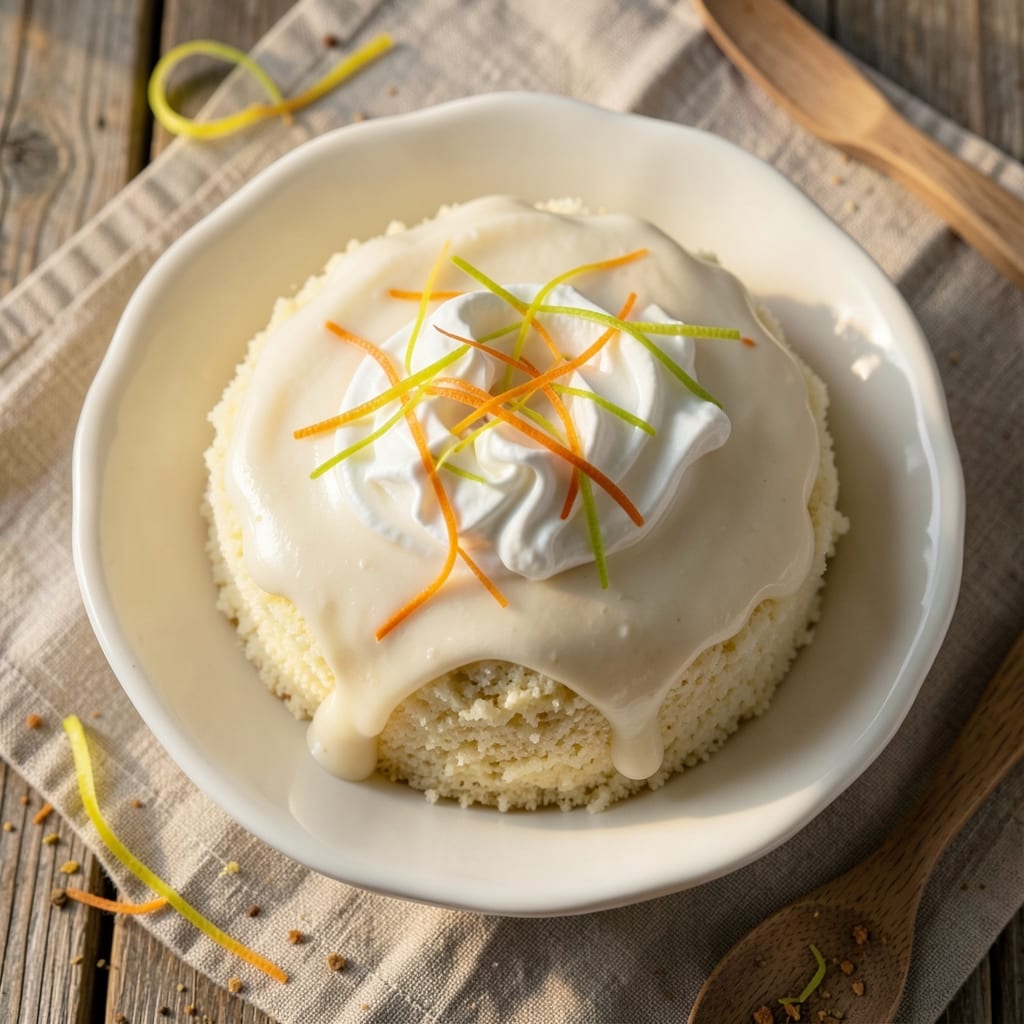
This angel food cake glaze icing recipe transforms your cake into a showstopper without adding unwanted weight. The secret lies in a delicate balance of powdered sugar, meringue powder, and citrus zest—creating a light, syrupy finish that soaks into the cake just enough to add moisture and shine. I developed this recipe after years of testing different glazes, finally landing on one that enhances rather than smothers the cake's natural airiness.
The key to success is achieving the perfect consistency—a glossy, syrup-like glaze that drizzles elegantly without pooling. Meringue powder stabilizes the mixture, while a touch of lemon or orange zest adds brightness that complements the cake's subtle sweetness. This isn't your grandmother's heavy frosting; it's a whisper of flavor that elevates every bite while keeping the cake's signature lightness intact.
What makes this glaze truly special is its versatility. Use it to create a simple syrup drizzle, a decorative swirl, or even a light glaze for cake layers before assembly. The recipe yields enough for a standard three-layer cake, with just enough left over to brush on the top for that professional bakery finish. Unlike traditional icings, this one doesn't require chilling or advanced techniques—just whisk, drizzle, and serve.
Storage is effortless: keep the glaze refrigerated in an airtight container for up to five days, or freeze for longer storage. When ready to use, simply whisk until smooth and let it sit at room temperature for a few minutes to achieve that perfect pourable consistency. This glaze isn't just about aesthetics—it's about enhancing the cake's natural qualities while adding a touch of sophistication that makes every slice feel like a celebration.
Ingredients for angel food cake glaze icing
Eight ingredients transform angel food cake into a bakery-worthy masterpiece without heaviness.
| Ingredient | Amount | Notes |
|---|---|---|
| Powdered Sugar 🍚 | 2 cups | Sifted for smooth texture |
| Meringue Powder 🍰 | 1 ½ tbsp | For stability and lightness |
| Fresh Lemon Zest 🍋 | 1 tbsp | Bright citrus flavor |
| Fresh Orange Zest 🍊 | 1 tbsp | Subtle citrus complexity |
| Heavy Whipping Cream 🥛 | ¼ cup | Full-fat for richness |
| Vanilla Extract 🌿 | ½ tsp | Pure vanilla preferred |
| Water 💧 | ¼ cup | Adjust for consistency |
| Salt 🧂 | ⅛ tsp | Fine sea salt preferred |
The powdered sugar is your foundation—Domino brand is my go-to for consistent sifting, but any high-quality powdered sugar works. Meringue powder might be tricky to find at regular grocery stores, so check baking sections at Walmart or Target, or order online if needed. Fresh citrus zest makes all the difference—zest only the outer layer of organic lemons and oranges for maximum flavor. The heavy whipping cream adds just enough body without weighing down the cake, so don't substitute with lighter versions. For the water, use filtered or distilled if you're in a hard-water area to avoid any cloudiness in your glaze.
No meringue powder? Cornstarch at half the amount works in a pinch, though the texture won't be quite as stable. Substitute orange zest with lime zest for a tangier profile, or swap lemon for grapefruit zest for a sophisticated twist. Running short on heavy cream? Whipped coconut cream gives a similar luxurious texture. The vanilla extract is non-negotiable for depth—imitation vanilla will fall flat here. If your glaze turns out too thick, add water one teaspoon at a time until you reach that perfect syrup-like consistency. For extra shine, brush the cake with a tiny bit of clear corn syrup before applying the glaze.
Store any unused glaze in an airtight container in the fridge for up to five days. The consistency will thicken slightly when cold, so whisk vigorously before using. For longer storage, freeze in ice cube trays—thaw and whisk until smooth. This glaze is best used within 24 hours of making for optimal freshness, but even after that, it still delivers that professional bakery finish. Room temperature is key before drizzling—let it sit for 5-10 minutes to reach that perfect pourable state. The glaze will keep its moisture-enhancing properties for about 3 days on the cake when stored properly.
Why You'll Love This Recipe
- No Whisk Required: I swear, this glaze comes together faster than you can say "lemon drop." Just fold in the powdered sugar and meringue mix—no beating, no mess, no stress. The heavy cream whips in like magic, and suddenly you’ve got that silky, dreamy finish without standing at the counter for ages.
- Zesty Magic: That bright citrus punch from the lemon and orange zest? It’s the secret weapon. The meringue powder gives it that light, airy texture, but the zest makes it sing—like a sunny day in a bowl. Honestly, I’ve tried store-bought glazes, but this one tastes like it was made with love (and a little extra zest).
- Party in a Jar: Between us, this glaze is my go-to for birthdays, brunch spreads, or just because. It keeps beautifully in the fridge for up to a week, so I can make a big batch and drizzle it on cakes, cupcakes, or even toasted pound cake slices. No one will guess it’s this easy to pull off.
- Budget Brightener: Powdered sugar and meringue mix are cheap staples, and a little zest goes a long way. I’ve used this glaze on angel food cake, vanilla sheet cake, and even as a topping for fruit tarts—always gets rave reviews. Plus, the leftovers? Perfect for turning plain cookies into something special without breaking the bank.
Step-by-step instructions for angel food cake glaze icing
Here's how to create a delicate, airy glaze that enhances—not smothers—your angel food cake.
Sift Powdered Sugar and Meringue Powder
In a medium bowl, combine the 2 cups powdered sugar and 1.5 tablespoons meringue powder. Sift them together through a fine-mesh sieve to eliminate any lumps and create a silky, lump-free base. This step is critical—meringue powder helps stabilize the glaze while keeping it light, so don't skip it.
Use a rubber spatula to press any stubborn clumps through the sieve. The mixture should look like fine, cloudy sugar dust. If you notice any gritty texture, sift again. This ensures your glaze will be smooth and professional-looking once applied.
Whisk in Zests, Vanilla, and Salt
Add the 1 tablespoon fresh lemon zest, 1 tablespoon fresh orange zest, 0.5 teaspoon vanilla extract, and 0.125 teaspoon salt to the sifted mixture. Use a hand mixer or whisk to combine everything thoroughly for 30 seconds until the zests are fully incorporated and the mixture is uniform.
The citrus zests bring bright, vibrant flavor without overpowering the delicate cake. The salt enhances the sweetness, while the vanilla adds depth. At this stage, the mixture should look like a fine, speckled sugar blend with no visible streaks of zest.
Gradually Add Water and Cream
With the mixer running on low speed, slowly pour in the 0.25 cup water and 0.25 cup heavy whipping cream over 1-2 minutes. This gradual addition prevents the powdered sugar from clumping and ensures a smooth, pourable consistency. Scrape down the sides of the bowl as needed to incorporate all the liquid.
Continue mixing on low speed for another 1 minute until the glaze reaches a syrupy texture that coats the back of a spoon. It should be thick enough to hold its shape when drizzled but still flow easily. If it's too thick, add 1 teaspoon water at a time until it reaches the desired consistency.
Strain for a Silky Finish
Transfer the glaze to a fine-mesh strainer lined with cheesecloth or a coffee filter. Let it strain for 5-10 minutes to remove any remaining zest particles, which could make the texture grainy. This step guarantees a velvety-smooth glaze that won't interfere with the cake's light texture.
Once strained, taste the glaze and adjust the sweetness if needed. If it tastes too sweet, add a pinch more salt or a splash of water to balance the flavor. The final glaze should be bright, citrusy, and just sweet enough to complement—not overpower—the cake.
Apply to Cake Immediately
Drizzle the glaze over the cooled angel food cake in a zigzag pattern, starting at the center and working your way to the edges. Use a spoon or a squeeze bottle for precise control. For a decorative touch, pipe additional glaze around the sides of the cake using a piping bag fitted with a small round tip.
Let the glaze set for 10-15 minutes at room temperature before slicing. This allows it to firm up slightly without becoming sticky. The result should be a glossy, elegant finish that enhances the cake's natural lightness rather than weighing it down.
Pro Tips For Making Angel Food Cake Glaze Icing
- WHISK THE CREAM COLD: The heavy whipping cream needs to be straight out of the fridge—no exceptions. I learned this after a glaze that looked like buttercream instead of a glossy finish. Whip it until stiff peaks form, then fold it in last so it doesn’t deflate the meringue powder’s magic.
- ZEST FRESH, SIFT DRY: Fresh lemon and orange zest is non-negotiable, but don’t skip sifting the powdered sugar. I used to eyeball it, and clumps would ruin the smooth texture. Sift it through a fine mesh, then whisk in the meringue powder to avoid lumps—your glaze will thank you.
- WEIGH THE SUGAR, NOT SCOOP: Powdered sugar is sneaky—scooping it compresses it, throwing off ratios. Use a kitchen scale for precision; 1 cup of sifted powdered sugar isn’t always 1 cup by volume. Trust me, the glaze consistency changes dramatically when you nail this.
- FOLD, DON’T STIR: This isn’t pancake batter—aggressive mixing deflates the air in the cream and meringue powder combo. Use a spatula to gently fold in the zest and whipped cream in broad, slow strokes. You’re not trying to marry the ingredients; you’re just giving them a light hug.
Flavor customization for these flavors
Citrus Variations
Swap the lemon and orange zest for lime and grapefruit zest for a tangier, more sophisticated flavor profile. Use 1 tablespoon lime zest and 1 tablespoon grapefruit zest instead—this combo adds a refreshing twist that pairs beautifully with berries or coconut. For a subtler citrus note, try 1 tablespoon lemon zest and ½ teaspoon cardamom powder to add warmth. 🍋
Spiced Options
Infuse warmth by adding ½ teaspoon ground cinnamon or ¼ teaspoon nutmeg to the glaze mixture. These spices work especially well with orange zest and vanilla, creating a cozy, autumnal flavor. For a hint of spice, try a pinch of cayenne pepper—just enough to add a gentle kick without overpowering. Always taste as you go to balance sweetness and spice.
Flavor Boosters
Enhance the glaze with 1 teaspoon almond extract for a nutty depth or ½ teaspoon rose water for a floral touch. Both additions work beautifully with citrus zest and vanilla. For a tropical vibe, add ½ teaspoon coconut extract and reduce the vanilla to ¼ teaspoon—this combo creates a light, airy finish perfect for summer desserts.
Dairy-Free Adaptations
Replace the heavy whipping cream with ¼ cup coconut cream or ¼ cup cashew cream for a dairy-free version. The texture will still be rich, though slightly lighter. To stabilize the glaze, add ½ teaspoon agar-agar powder when mixing in the liquids. This ensures the glaze holds its shape without clumping, making it ideal for those with lactose sensitivities. 🥥
Seasonal Adjustments
For a winter twist, add ½ teaspoon vanilla bean paste and ¼ teaspoon clove powder to the glaze. This creates a spiced, holiday-inspired flavor that pairs perfectly with cranberry compote. In spring, swap the citrus zest for 1 tablespoon raspberry puree and ½ teaspoon lavender extract for a fruity, floral finish. Always adjust sweetness after adding fruit-based ingredients.
Nutrition facts
Frequently asked questions
Can I make this glaze without meringue powder? Yes! Substitute 1.5 tablespoons meringue powder with ¾ teaspoon cornstarch for stability, though the texture may be slightly less stable. For a more professional finish, consider using ½ teaspoon gelatin (bloomed in 1 tablespoon cold water) instead—it creates a firmer glaze that holds better on vertical surfaces. Just
How do I fix a glaze that's too thick or too thin?
For a thick glaze, add ½ teaspoon water at a time while whisking until smooth. If it's too thin, sprinkle in 1 teaspoon powdered sugar and mix until the desired consistency is reached. The perfect glaze should coat the back of a spoon but still flow freely when drizzled. Pro tip: Let the glaze sit at room temperature for 5 minutes before adjusting—it often thickens slightly as it cools.
Can I use this glaze on other cakes besides angel food?
This light glaze works beautifully on sponge cakes, pound cakes, or even layer cakes made with lighter batters. For denser cakes like carrot or chocolate, reduce the water slightly to prevent the glaze from soaking in too quickly. Avoid using it on very moist cakes (like red velvet) as the glaze may dissolve too fast.
Why did my glaze turn cloudy or grainy?
Cloudiness usually means the powdered sugar wasn't sifted properly or the zest wasn't strained well. For a silky finish, always sift the dry ingredients and strain the glaze through cheesecloth or a fine-mesh sieve. If you missed this step, simply whisk in 1 teaspoon lemon juice to help clarify the mixture. Graininess often comes from zest particles—straining again should solve the issue.
How long does the glaze keep, and can I make it ahead?
This glaze stays fresh in the fridge for up to 5 days in an airtight container. For longer storage, freeze it in ice cube trays—thaw and whisk until smooth before using. The glaze can be made 1 day ahead of baking, but store it separately from the cake. Refrigerate both components until ready to assemble, then let the glaze sit at room temperature for 10 minutes before applying for best results.