
Desserts
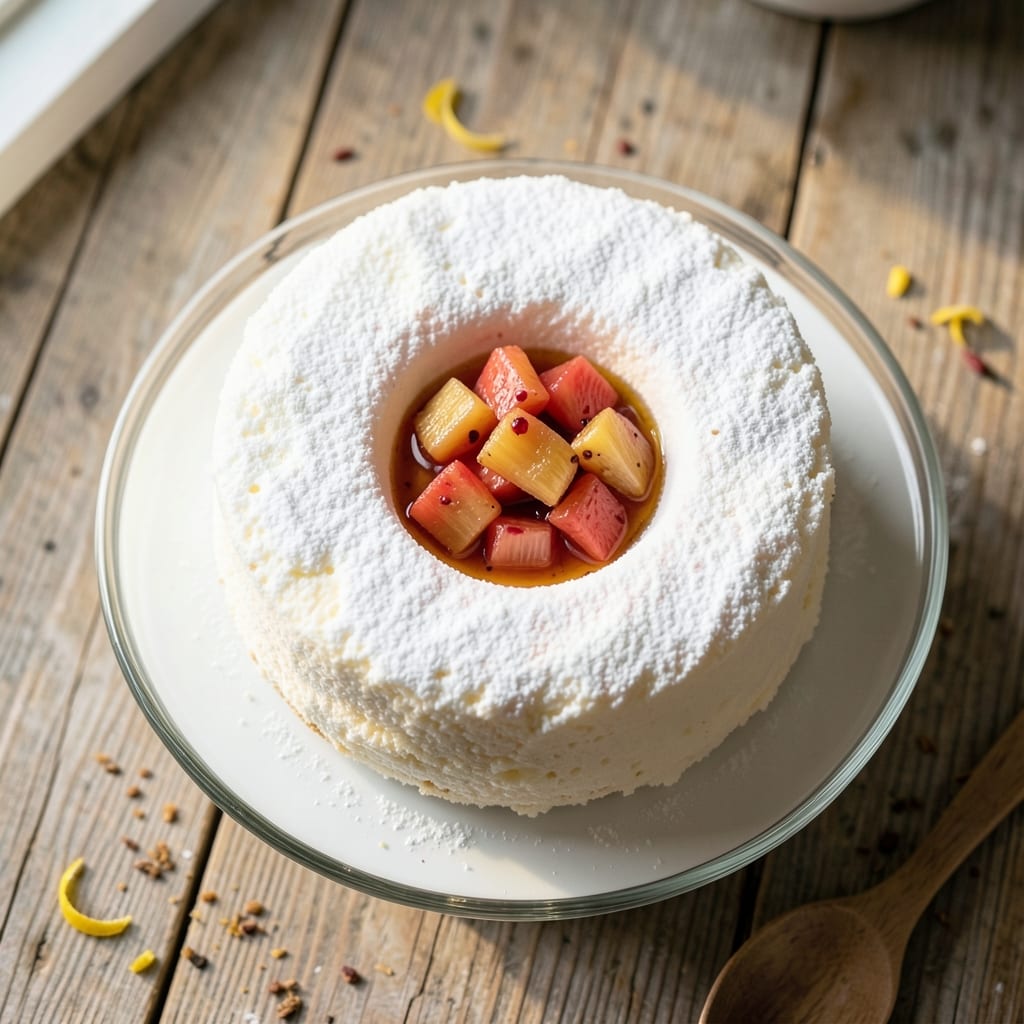
This angel food cake with canned pineapple recipe transforms a classic dessert into a vibrant tropical masterpiece—all while keeping the signature light-as-air texture. The secret lies in balancing the cake's delicate structure with the natural sweetness of pineapple, creating layers that feel both elegant and effortlessly fresh. I developed this version after realizing how often canned pineapple gets overlooked in baking, and the results are surprisingly sophisticated.
What makes this recipe work is the two-stage approach: baking the angel food cake to perfection (with no butter or eggs, just egg whites for that signature fluffiness) and then incorporating the pineapple in a way that enhances rather than overwhelms. You can use the pineapple as a glaze, a layered filling, or even as a topping—whichever suits your preference. The canned variety ensures consistent sweetness and texture without the fuss of fresh fruit prep.
The final result is a tropical-inspired dessert that’s light yet indulgent, with each slice offering a perfect balance of airy cake and juicy pineapple. The cake’s natural sweetness pairs beautifully with the pineapple’s tang, creating a flavor profile that feels both nostalgic and unexpectedly refined. This is the kind of dessert that feels special enough for a dinner party but simple enough for a weeknight treat.
Ready to bake? The process is straightforward, with clear steps for assembling the cake and incorporating the pineapple in a way that keeps everything fresh and vibrant. Let’s get started—your taste buds (and guests) will thank you.
Ingredients for angel food cake and canned pineapple
Twelve egg whites, crushed pineapple, and a touch of tropical tang create this airy cake masterpiece.
| Ingredient | Amount | Notes |
|---|---|---|
| Large Egg Whites 🥚 | 12 whole | Room temperature for best volume |
| Granulated Sugar 🍚 | 1 ½ cups | Superfine preferred for even dissolving |
| All-Purpose Flour 🌾 | 1 ½ cups | Sifted, no substitutions |
| Cream of Tartar 🧂 | 1 ½ tsp | Essential for stability |
| Vanilla Extract 🌸 | 1 tbsp | Pure vanilla for authentic flavor |
| Canned Pineapple 🍍 | 15 oz | Crushed, drained, extra juice reserved |
| Unsalted Butter 🧈 | ¼ cup | Melted for glaze |
| Powdered Sugar 🍚 | ½ cup | For pineapple glaze |
| Lemon Juice 🍋 | 1 tbsp | Freshly squeezed for brightness |
| Salt 🧂 | ¼ tsp | Fine sea salt preferred |
The egg whites are non-negotiable here—room temperature makes all the difference for volume. Grab the largest whites you can find (usually sold separately at Whole Foods or specialty grocers) for maximum fluff. Cream of tartar stabilizes the meringue, so don't skip it. For the pineapple, Maui brand from the canned aisle is my go-to—it's sweeter and holds its shape better than store brands. The crushed variety works perfectly for both filling and glaze, but if you prefer chunks, toss them in whole for texture. Always drain well and reserve that juice—it's liquid gold for glaze and moisture.
No cream of tartar? Substitute 1/4 tsp lemon juice per egg white, but your cake might be slightly less stable. Store-brand pineapple? Drain extra well and add 1 tbsp extra powdered sugar to the glaze to compensate for lower sweetness. Want more tropical flavor? Add 1 tsp orange zest to the batter. The butter for the glaze can be vegetable shortening for a lighter finish, but I find butter adds richness that balances the pineapple's acidity. For the powdered sugar, Bob's Red Mill or Domino brands sift more smoothly than generic store brands.
This cake keeps beautifully—3 days at room temperature covered loosely with plastic, or 1 week refrigerated. The pineapple glaze sets best after 2 hours of chilling, so plan ahead. I like to slice it 1 hour before serving to let the layers soften slightly. For make-ahead parties, assemble the cake 1 day ahead and refrigerate—bring to room temp before serving. The glaze will firm up slightly in the fridge but softens beautifully with a quick zap in the microwave (10 seconds). Portion into individual servings for easy transport—each slice is a showstopper.
Why You'll Love This Recipe
- No Mixer Needed: I swear by this trick—whipping those egg whites with a hand mixer (or even a whisk if you’re patient) gives that signature fluffy texture. No fancy equipment, just elbow grease and a steady hand. Honestly, the cake rises higher than most boxed mixes I’ve tried.
- Sweet-Tart Magic: That canned pineapple? It’s not just filling—it’s the star. The bright acidity cuts through the cake’s tenderness, and the vanilla ties it all together like a hug. I’ll be real: the first time I tasted it, I went back for seconds.
- Crowd-Pleaser Basics: Birthday? Brunch? A last-minute dessert? This cake handles it all. Serve it with whipped cream, drizzle some honey over the pineapple, or just eat it plain—no judgment. My in-laws think I’m a baking genius, and I just followed a recipe.
- Pantry Staple Power: Five ingredients, minimal effort, and zero waste. The flour and sugar are already in your cupboard, and the pineapple? You’re probably buying it anyway. Leftovers? They’re rare, but if they happen, they reheat beautifully in the microwave—no one will know.
Step-by-step instructions for angel food cake with canned pineapple
Here's how to create a perfectly fluffy angel food cake with a bright tropical twist.
Prepare the Pineapple Filling
Drain the 15 oz canned pineapple thoroughly, reserving ¼ cup of the juice in a small bowl. Using a fork or potato masher, crush the pineapple until you have a chunky, textured filling—think small pieces with some juice still clinging to them. This texture keeps the cake moist without making it soggy.
In a separate small bowl, whisk together the reserved pineapple juice, 1 tbsp lemon juice, and ½ cup powdered sugar. Taste and adjust sweetness if needed—you want a balance between the natural tartness of the pineapple and the sugar's sweetness. Set this mixture aside for later. The lemon juice brightens the pineapple flavor and prevents the cake from becoming too heavy.
Whip the Egg Whites to Stiff Peaks
In a clean, grease-free mixing bowl, combine the 12 whole large egg whites and 1½ tsp cream of tartar. Place the bowl in your stand mixer fitted with the whisk attachment. Start on low speed and gradually increase to medium-high as the egg whites begin to froth. This gradual approach prevents splattering and ensures even aeration.
Whip the egg whites for about 7-8 minutes until they form stiff peaks. The peaks should stand upright when you lift the whisk—if they flop over, keep whipping for another minute or two. The cream of tartar stabilizes the whites, helping them hold their shape longer. Avoid overmixing, or the peaks will become dry and grainy.
Gradually Add Sugar and Flour
With the mixer running on low speed, gradually add the 1½ cups granulated sugar in a slow, steady stream. This step is critical—adding sugar too quickly can cause the egg whites to deflate. After the sugar is fully incorporated, carefully fold in the 1½ cups sifted all-purpose flour using a spatula. Start by folding from the bottom of the bowl, then gently lift and fold from the sides to incorporate the flour without deflating the egg whites.
Finally, mix in the 1 tbsp vanilla extract and ¼ tsp salt until just combined. The batter should be thick, glossy, and hold its shape when spooned—this is what gives angel food cake its signature lightness. If the batter looks too thin, whip it for another 30 seconds to reintroduce air. The flour should be evenly distributed but not overmixed.
Bake the Cake for Perfect Height
Preheat your oven to 350°F and place the rack in the center position. Grease a 10-inch tube pan with nonstick spray or a thin layer of melted ¼ cup unsalted butter, then dust lightly with flour. Pour the batter into the prepared pan, spreading it evenly to the edges. Tap the pan gently on the counter to release any air bubbles.
Bake for 35-40 minutes, or until the top is golden brown and the cake springs back when gently pressed in the center. Do not open the oven door during baking—this causes the cake to collapse. The cake is done when it pulls away from the sides of the pan and a toothpick inserted in the center comes out clean. Let the cake cool in the pan for 10 minutes, then invert it onto a wire rack to cool completely.
Assemble and Glaze the Cake
Once the cake is completely cool, carefully slice it horizontally into two even layers. Spread the crushed pineapple filling evenly over the bottom layer, then drizzle half of the reserved pineapple-lemon mixture over the top. Replace the top layer and gently press down to secure. Place the assembled cake on a serving plate.
Heat the ¼ cup melted unsalted butter in a small saucepan over low heat. Slowly whisk in the remaining pineapple-lemon mixture until smooth and glossy. Drizzle this glaze evenly over the top and sides of the cake. Let the glaze set for 10-15 minutes before serving. The glaze should be shiny and sticky, adding a tropical sheen to your cake. Serve slices with a dollop of whipped cream if desired.
Pro Tips For Making Angel Food Cake And Canned Pineapple
- Use Room-Temperature Egg Whites: I learned this the hard way—cold egg whites won’t whip as stiffly, and your cake will end up dense instead of light. Take them out of the fridge 30 minutes before whipping, or run them under warm water for 2 minutes while mixing.
- Sift the Flour Twice: Angel food cake relies on air pockets, and unsifted flour will weigh it down. Sift the flour and cream of tartar together first, then sift again right before folding it into the egg whites. That extra step guarantees a fluffier texture.
- Don’t Overmix the Batter: Once you fold in the flour, stop mixing the second it disappears—no streaks allowed. Overmixing deflates the egg whites, and your cake will sink in the middle. Use a spatula and work fast; this isn’t a marathon.
- Bake Until the Center Springs Back: The cake’s done when the top springs back when touched and the edges pull away from the pan. Resist the urge to underbake—even if it looks golden, the middle needs 2-3 more minutes. A toothpick test is useless here; angel food cake stays moist without needing to be dry.
Troubleshooting this dish
Cake Collapses Mid-Bake
If your angel food cake sinks or collapses during baking, it’s usually due to overmixing the egg whites or opening the oven door too soon. The egg whites need to be whipped to stiff peaks but not overworked—think glossy, not dry or grainy. Also, never open the oven door during the first 25 minutes of baking, as the sudden temperature drop causes the cake to deflate. If this happens, try baking at a slightly lower temperature (325°F) next time for a slower rise. 🌡️
Pineapple Filling Too Watery
Excess moisture from the pineapple can make the cake soggy. Always drain the pineapple thoroughly and pat it dry with paper towels before crushing. Reserve only ¼ cup juice for the glaze—extra liquid can seep into the cake layers. For a firmer texture, mix in 1 tbsp cornstarch with the crushed pineapple before assembling. If using store-brand pineapple, which tends to be juicier, reduce the reserved juice to 2 tbsp instead. 🍍
Glaze Won’t Set Properly
A glaze that stays sticky or slides off is usually too thin or not chilled long enough. Whisk the glaze ingredients until smooth and slightly thickened—it should coat the back of a spoon. Let the cake sit at room temperature for 10-15 minutes before drizzling, then refrigerate for 15-20 minutes to help the glaze firm up. If it’s still too runny, mix in ½ tsp additional powdered sugar to stabilize it. Avoid humidity when serving—opt for a dry, cool environment. ✨
Uneven Layers After Slicing
Angel food cake often cracks or splits when sliced because it’s so delicate. To prevent this, let the cake cool completely (at least 2 hours) before slicing. Use a serrated knife and dip it in hot water between slices to create a clean cut. If the layers still separate, brush them lightly with simple syrup (equal parts sugar and water, heated until dissolved) before reassembling to act as a glue. Press gently but firmly to avoid crumbling. 🔪
Dry or Crumbly Cake Texture
Overbaking or using old egg whites (older than 1 week) can result in a dry cake. Bake only until a toothpick comes out clean (35-40 minutes max at 350°F). For extra moisture, brush the cooled cake layers with 2 tbsp simple syrup before adding the pineapple filling. If the cake still feels dry, try reducing the flour by 1 tbsp next time—angel food cake relies on air, not structure. Store it in an airtight container with a slice of bread to retain moisture. 💧
Nutrition facts
Frequently asked questions
Can I substitute fresh pineapple for canned?
Fresh pineapple works but requires extra prep. Drain and finely dice 2 cups fresh pineapple (about 1 medium pineapple) and mix with 1 tbsp lemon juice and 1 tbsp cornstarch to thicken. Let it sit for 15 minutes to release moisture before using. Fresh pineapple is more acidic, so you may need 1 extra tbsp sugar in the glaze.
How do I make this cake vegan?
Angel food cake isn't naturally vegan, but you can adapt it with aquafaba (chickpea brine) and flax eggs. Replace egg whites with 1.5 cups aquafaba whipped to stiff peaks, and use 1 tbsp ground flaxseed + 3 tbsp water per egg white (about 12 flax eggs) for structure. For the glaze, use coconut oil instead of butter.
Can I bake this in a different pan size?
Yes, but adjust baking time and temperature. For an 8-inch round pan, bake at 325°F for 30-35 minutes. For a 9-inch pan, use 350°F for 35 minutes. The cake should be golden and springy in the center. Always reduce temperature by 25°F when using glass pans to prevent overbrowning.
How can I add other tropical flavors?
Enhance the tropical theme by adding 1 tsp coconut extract to the batter or ½ cup toasted coconut flakes to the pineapple filling. For extra zing, fold in 1 tbsp lime zest with the crushed pineapple. You can also drizzle with a mango puree glaze (blend 1 cup mango purée + ½ cup powdered sugar) for a double-tropical effect.
Why does my cake taste bland?
Angel food cake relies on flavor balance. Boost taste by adding 1 tsp almond extract to the batter or ½ cup orange marmalade to the pineapple filling. For extra richness, brush the cooled layers with 2 tbsp apricot jam before assembling. The pineapple's natural sweetness can sometimes overpower—try reducing the sugar in the glaze by 2 tbsp and adding ½ tsp cinnamon instead.