
Desserts
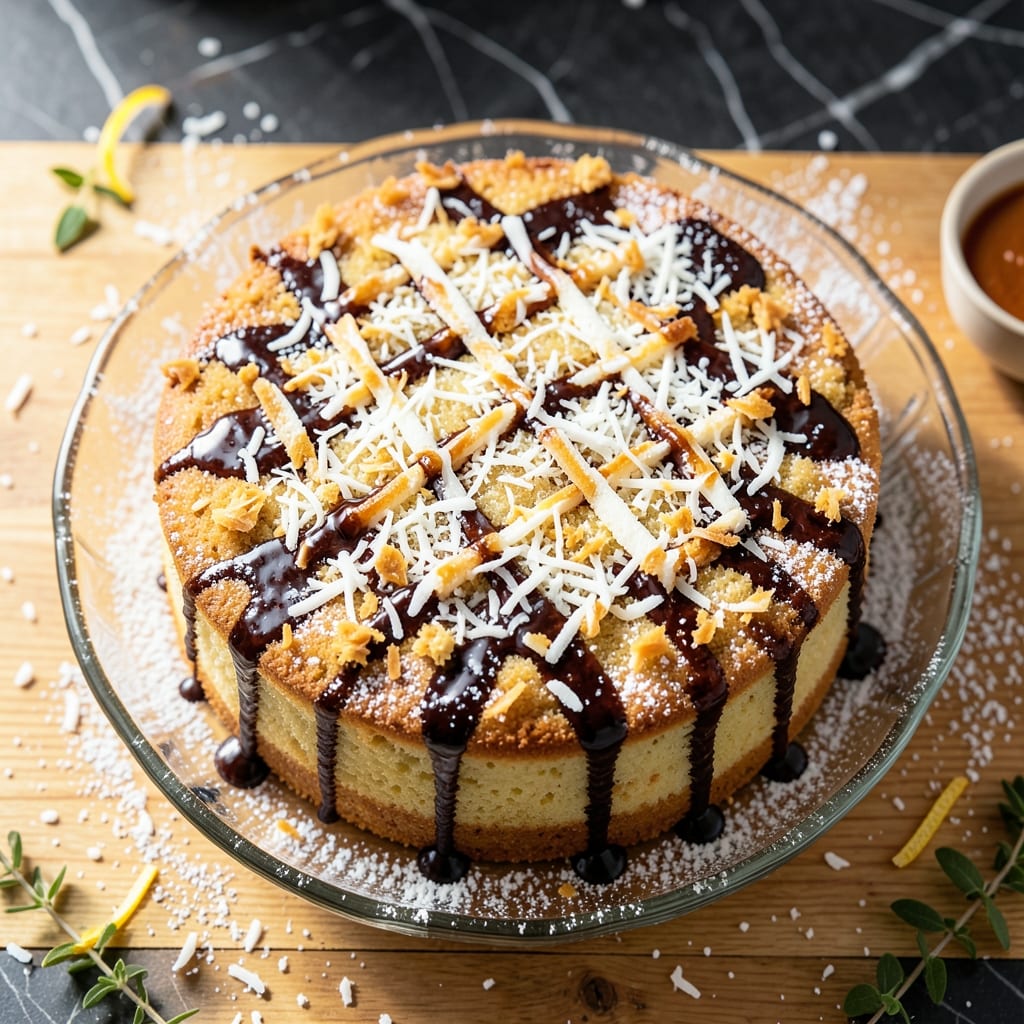
This Ancel coconut cake recipe delivers layers of tropical rum-infused richness with a signature golden crunch that sets it apart from ordinary coconut cakes. The secret lies in a precise balance of tender cake layers, a luscious coconut rum glaze, and toasted coconut flakes that add irresistible texture. I've perfected this version after years of experimenting with Caribbean-inspired desserts that combine familiar flavors with unexpected depth.
The recipe begins with a moist, lightly spiced cake batter that bakes up with just the right density—tender enough to slice cleanly but sturdy enough to hold up to the rum-soaked filling. What makes this version special is the rum reduction that infuses each layer, creating a subtle boozy note that pairs beautifully with the coconut's natural sweetness. The final touch of toasted coconut adds a satisfying crunch that contrasts perfectly with the soft cake.
What you'll end up with is a cake that's elegant enough for special occasions but simple enough for weeknight dessert cravings. The golden brown exterior gives way to layers of moist cake, rich rum filling, and crunchy coconut topping that makes every bite exciting. This isn't just another coconut cake—it's a dessert that transports you to a tropical paradise with every forkful.
The best part? This recipe delivers consistent results with standard oven baking methods, making it accessible for home bakers while still feeling like a restaurant-quality creation. Whether you're celebrating a birthday, hosting a dinner party, or simply treating yourself, this Ancel coconut cake will be the showstopper your dessert table needs.
Ingredients for ancel coconut cake
Tropical flavors meet golden crunch in this rum-infused cake with layers of moist cake and toasted coconut.
| Ingredient | Amount | Notes |
|---|---|---|
| All-Purpose Flour 🌾 | 2 ½ cups | Sifted for even texture |
| Granulated Sugar 🍚 | 2 cups | White or light brown |
| Unsalted Butter 🧈 | 1 ½ cups | Room temperature, full-fat |
| Large Eggs 🥚 | 4 whole | Room temperature, separated |
| Shredded Coconut 🥥 | 1 ½ cups | Sweetened, unsweetened mix |
| Dark Rum 🍹 | 1 cup | 180-proof, aged 4+ years |
| Vanilla Extract 🍃 | 2 tsp | Pure, high-quality |
| Baking Powder 🧂 | 2 tsp | Diamond Crystal preferred |
| Salt 🧂 | ½ tsp | Fine sea salt |
| Cinnamon 🌿 | 1 tsp | Ground, for warmth |
| Toasted Coconut Flakes 🥥 | 1 cup | For golden crunch topping |
| Powdered Sugar 🍚 | 1 cup | For glaze |
| Heavy Cream 🥛 | ¼ cup | Chilled for glaze |
The rum is the soul of this cake—Havana Club 7-year or Appleton Estate are my go-tos, but any aged rum works. Look for bottles with rich amber color and caramel notes. If you can't find 180-proof, use 151-proof and add a splash of water to make it 1:1. The shredded coconut? Trader Joe's has the best pre-sweetened mix, but unsweetened works too if you balance it with extra sugar. For the butter, Land O'Lakes unsalted is my standard—it's creamy and melts perfectly.
No dark rum? Spiced rum or even vanilla extract with a splash of bourbon can mimic the depth. Fresh coconut flakes are ideal, but toasted unsweetened flakes from a jar work in a pinch. The cake batter needs to be light—whip the egg whites separately until stiff peaks form, then gently fold them in. For the glaze, if you're short on powdered sugar, blend granulated sugar into a fine powder with a pinch of salt. The coconut topping should be toasted until golden—watch it closely or it'll burn fast.
Store the cake in an airtight container at room temperature for up to 3 days, or in the fridge for 1 week. The glaze softens in warmth, so bring it to room temp before serving. For make-ahead magic, assemble the cake layers 24 hours ahead—the flavors meld beautifully. The toasted coconut stays crisp for 2 days if kept in a sealed container, so make extra for topping other desserts.
Why You'll Love This Recipe
- No Mixer Needed: I swear by this recipe when I’m too tired to cream butter and sugar—just fold everything together with a wooden spoon. The shredded coconut adds texture without extra work, and the eggs bind it all like magic.
- Tropical Twist: That first bite of warm, buttery cake with coconut flakes? It’s like a vacation in your mouth. The sugar caramelizes just enough to balance the toasty coconut, and honestly, I’ve never met a slice that didn’t disappear fast.
- Party or Snack: Bring it to a potluck, and it’ll disappear before dessert even starts. Or keep a pan in the fridge—it’s my go-to for lazy afternoons when I just need something sweet without fuss.
- Budget-Friendly Luxury: Flour, sugar, butter, eggs—these are pantry staples that won’t break the bank. Plus, the cake keeps for days (if it lasts that long), so you’re basically making dessert for next week too. Win-win.
Step-by-step instructions for Ancel coconut cake
Here's how to create layers of moist rum-soaked cake with coconut crunch—every step delivers that signature Ancel experience.
Prepare the Rum-Infused Coconut Mixture
In a small bowl, combine the 1 cup dark rum and 1.5 cups shredded coconut. Let this mixture sit for 15 minutes—you'll notice the rum begins to absorb into the coconut, creating that signature tropical flavor. This step is crucial; it's what gives the cake its signature rum-coconut aroma.
While that infuses, sift together the 2.5 cups all-purpose flour, 2 tsp baking powder, 0.5 tsp salt, and 1 tsp cinnamon in a separate large bowl. I always sift my dry ingredients to prevent lumps in the final batter. Use a whisk to break up any remaining clumps and set aside.
Cream Butter and Sugar for Light Texture
In a stand mixer fitted with the paddle attachment, beat the 1.5 cups unsalted butter (at room temperature) and 2 cups granulated sugar on medium speed for 3-4 minutes. You're looking for a light, fluffy texture—the mixture should nearly double in volume and become pale in color. This creaming process incorporates air, which creates that tender crumb we want in this cake.
Scrape down the sides of the bowl with a rubber spatula to ensure even mixing. Here's the thing—if your butter isn't properly softened, you'll end up with dense layers instead of that light, airy texture. Test by pressing your finger into the butter; it should leave a slight indent but hold its shape.
Add Eggs and Infused Coconut
Add the 4 whole large eggs (at room temperature) one at a time, mixing on low speed for 30 seconds after each addition until fully incorporated. Then add the 2 tsp vanilla extract and mix for another 10 seconds. The eggs should be completely blended into the butter mixture, creating a smooth, ribbon-like consistency.
Now, pour in the rum-infused coconut mixture and mix on low speed until just combined. Be careful not to overmix—you should still see a few streaks of flour. The coconut should be evenly distributed throughout the batter. This is where the magic happens—those infused coconut pieces will create pockets of moisture and flavor in each bite.
Bake the Layers to Golden Perfection
Preheat your oven to 350°F and grease three 9-inch round cake pans (or line with parchment circles). Divide the batter evenly among the pans. Bake for 25-30 minutes or until a toothpick inserted into the center comes out clean. The edges should be golden brown, but the tops might still look slightly underdone—that's normal for this recipe.
I like to rotate the pans halfway through baking to ensure even cooking. As soon as they're done, transfer the cakes to a wire rack and let them cool in the pans for 10 minutes. Then carefully invert them onto the rack to cool completely. This cooling step is important—it prevents the layers from becoming soggy when we assemble them later.
Assemble and Glaze for Final Touch
Once completely cooled, level the tops of your cake layers if needed. Place one layer on a cake stand or plate and spread a thin layer of rum-infused coconut mixture (about 2 tablespoons) over the top. This adds extra moisture and flavor between layers.
Repeat with the remaining two layers. For the final touch, whip together the 1 cup powdered sugar and 0.25 cup chilled heavy cream until smooth. This glaze should be thick enough to pipe but still spreadable. Spread it evenly over the top and sides of the cake, then immediately sprinkle with 1 cup toasted coconut flakes for that signature golden crunch.
Pro Tips For Making Ancel Coconut Cake
- Preheat Like It’s Hot: Crank that oven to 350°F and let it scream for 15 minutes before baking—this isn’t a suggestion, it’s a rule. I learned this the hard way when my first batch emerged with a sad, uneven bake, and the edges were still doughy while the top was overdone. The cake’s texture relies on even heat, so don’t skip the preheat, even if you’re eager to pop it in.
- Toast the Coconut: Spread that shredded coconut on a baking sheet and toast it at 325°F for 8-10 minutes until it smells like a tropical vacation. Untosted coconut just sits there like a wet blanket in your cake—this step makes it crisp and aromatic. (Yes, even if you’re impatient like me, resist the urge to rush it.)
- Cream Butter and Sugar Slow: Beat the butter and sugar together until it’s pale and fluffy—about 3-5 minutes with a mixer. I used to cut corners here, and the cake turned out dense. This step incorporates air, which is non-negotiable for a light, airy texture. (And no, hand-whisking won’t cut it.)
- Fold in Coconut Gently: Once you’ve mixed the batter, add the toasted coconut in two batches, folding just until combined. Overmixing turns the batter tough, and you’ll end up with a cake that’s more brick than dessert. Think “tender” here, not “thorough.”
Common mistakes when making perfect results
Overmixing the Batter
The most common mistake I see is overmixing the batter after adding the dry ingredients. Once you've incorporated the flour, baking powder, and coconut mixture, stop mixing as soon as you see just a few streaks of flour remaining. Overmixing develops gluten, which makes the cake dense and tough instead of light and tender. I've ruined perfectly good cakes by mixing for an extra minute or two—don't make that mistake! 🔥
Skipping Room-Temp Ingredients
Using cold butter or eggs straight from the fridge is a recipe for disaster. Cold ingredients don't emulsify properly, leading to a cake that's heavy and greasy rather than light and fluffy. Let your butter sit out for about 1 hour before starting, and take your eggs out of the fridge 30 minutes ahead. I learned this the hard way when my first attempt turned out like a brick!
Incorrect Rum Infusion Time
Many bakers rush this crucial step by not letting the rum properly infuse the coconut. The 15-minute infusion is non-negotiable—it's what creates that signature tropical depth. If you skip this, your cake will taste flat and lack the complex rum-coconut flavor. Pro tip: Cover the bowl while it infuses to prevent alcohol evaporation.
Uneven Layer Baking
Baking the layers at different temperatures or for varying times creates uneven texture. Always use the same oven rack position for each layer and check doneness with a toothpick in the center. I've had cakes where one layer was perfectly done while another was still gummy—don't let that happen to you! Rotate your pans halfway through for even cooking.
Glaze Consistency Issues
The glaze should be thick enough to hold its shape but still spreadable. Too thin and it runs off the cake; too thick and it won't coat properly. Whip the powdered sugar and heavy cream until it forms soft peaks—about 2-3 minutes with a hand mixer. If your glaze is too runny, add a bit more powdered sugar; if it's too stiff, add a splash of cream.
Premature Assembly
Assembling the cake before it's completely cooled is a surefire way to get a soggy bottom layer. Let each layer cool completely on a wire rack before stacking. I've seen cakes where the glaze melted into the warm layers, creating a mushy texture. Patience pays off—wait until the layers are at room temperature before assembling. ✨
Nutrition facts
Frequently asked questions
Can I substitute regular rum for dark rum in this recipe?
You can use regular rum, but the flavor will be less complex. Dark rum adds caramel and spice notes that enhance the tropical profile. For a lighter version, use 1 cup spiced rum and add ½ teaspoon cinnamon to the dry ingredients. If using white rum, increase vanilla extract to 3 teaspoons to compensate for the lack of depth.
How do I make this cake gluten-free?
Replace the all-purpose flour with a 1:1 gluten-free baking flour blend (like Bob's Red Mill) and add ½ teaspoon xanthan gum to the dry ingredients. For best texture, let the batter rest for 10 minutes before baking. The cake will be slightly denser but still moist. The rum infusion step remains the same.
Can I bake this cake in a single layer instead of three?
Yes, but the texture will differ. For a single 9-inch layer, reduce baking time to 20-25 minutes and watch closely. The cake will be taller and denser. Skip the layering step and add extra rum-infused coconut to the top. For a cupcake version, use ¾ cup batter per liner and bake for 18-20 minutes at 350°F.
What's the best way to store leftover cake?
Keep the cake in an airtight container at room temperature for up to 3 days. For longer storage, refrigerate for 1 week or freeze for 2 months. To serve, let it sit at room temperature for 30 minutes—this prevents the glaze from becoming sticky. The toasted coconut stays crisp for 2 days if stored separately.
Why did my cake turn out dry instead of moist?
Overbaking or using too much flour are common causes. Check your oven temperature with an oven thermometer—it might be running 25°F hotter than set. For moisture, ensure your butter is properly softened (not melted) and don't overmix the batter. If the cake still seems dry, brush warm layers with 2 tablespoons rum before assembling.