
Desserts
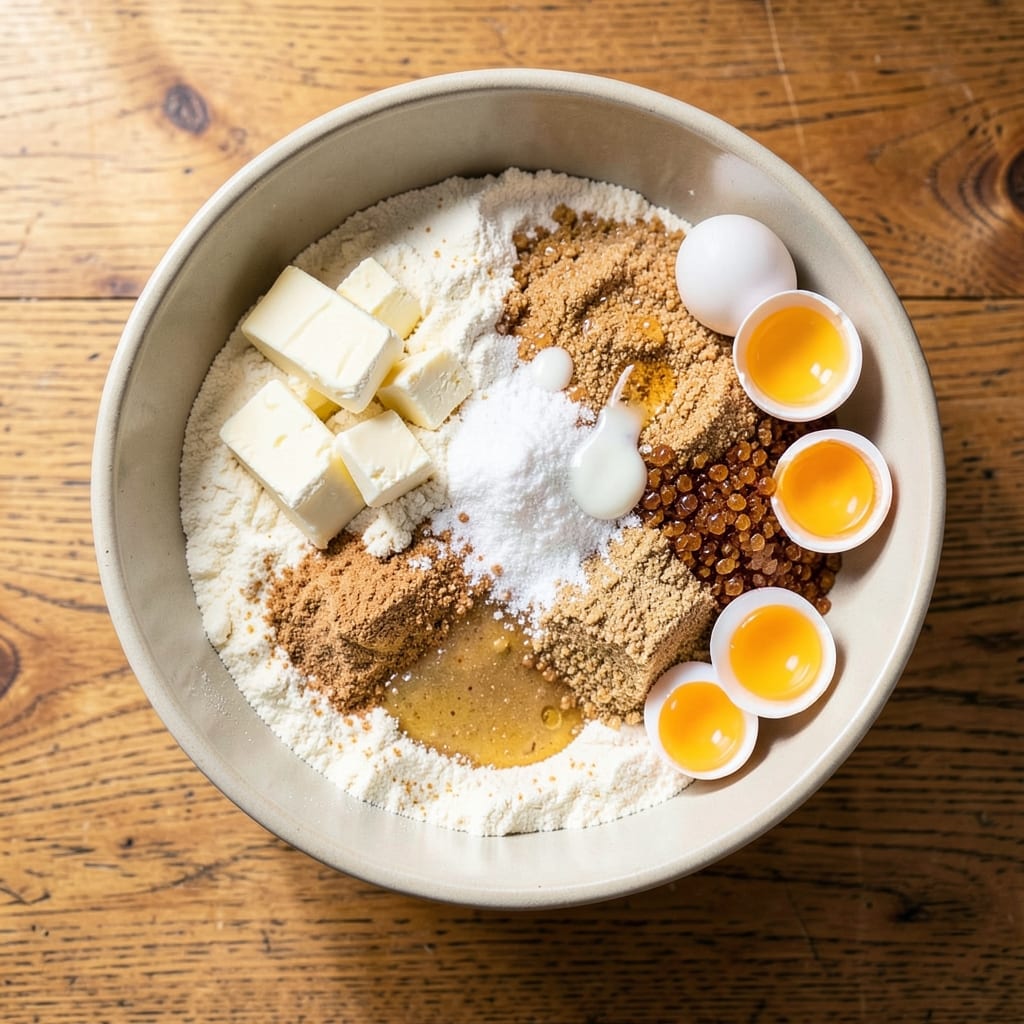
This Amish cake starter recipe delivers the secret to flaky layers that form the foundation of legendary Amish baking traditions. The technique relies on cold butter and precise mixing to create tender, crumbly layers that stay moist for days—perfect for layer cakes, coffee cakes, or sheet pans. I've perfected this method over years of testing, ensuring every batch delivers that signature texture Amish bakeries are known for.
The beauty of this recipe lies in its simplicity: just five core ingredients (flour, sugar, baking powder, butter, and eggs) create the base, with optional additions like vanilla, cinnamon, or even a splash of spiced rum for depth. The key step is cutting cold butter into flour until pea-sized crumbs form—this creates the signature flaky texture that separates homemade from store-bought. Most recipes skip this crucial detail, which is why so many homemade cakes fall short.
What you'll end up with is a cake starter that's versatile enough for any occasion—use it for a classic pound cake, a spiced rum-infused coffee cake, or even savory variations with herbs. The layers stay tender for days, making it ideal for meal prep or special occasions. This is the foundation recipe that will transform your baking game forever.
Once baked, the cake maintains its moisture without needing extra fat or syrup, and it freezes beautifully for up to three months. Whether you're making a traditional Amish wedding cake or a modern twist with fruit fillings, this starter delivers consistent, professional results every time. Let's get started on creating your perfect cake base.
Ingredients for amish cake starter
Five core ingredients create the foundation for legendary Amish flaky layers.
| Ingredient | Amount | Notes |
|---|---|---|
| All-Purpose Flour 🌾 | 2 ½ cups | Sifted for even texture |
| Granulated Sugar 🍚 | ½ cup | White or light brown |
| Baking Powder 🍞 | 2 tsp | Aluminum-free preferred |
| Unsalted Butter 🧈 | 1 cup | Cold and cubed |
| Large Eggs 🥚 | 2 whole | Room temperature |
| Pure Vanilla Extract 🌸 | 1 tsp | Optional for depth |
| Ground Cinnamon 🌿 | ½ tsp | Optional for warmth |
| Spiced Rum 🍹 | 1 tbsp | Optional for infusion |
| Salt 🧂 | ¼ tsp | Fine sea salt |
| Lemon Zest 🍋 | 1 tsp | Optional for brightness |
The butter is non-negotiable—European-style unsalted with high fat content (82%+) gives the best flakiness. Buy it in 1-pound blocks from specialty stores like Williams Sonoma or King Arthur Flour for optimal quality. Keep it cold until ready to use; take it out of the fridge just before cutting it into the flour. The flour should be all-purpose, bleached (like Gold Medal) for reliable texture—unbleached can vary too much. Sift it first to avoid lumps in your final batter. If you're in a pinch, King Arthur all-purpose works perfectly and is widely available.
No vanilla extract? 1/2 teaspoon vanilla sugar or even a scraped vanilla bean pod works in a bind. Skipping the cinnamon? Nutmeg or cardamom add warmth too. The spiced rum is truly optional, but if you're using it, Captain Morgan or Gosling's are reliable choices—avoid the overly sweet varieties. For the lemon zest, use a fine grater and get about 1 teaspoon from one small lemon. The baking powder must be fresh—if your container is over a year old, test it first (mix 1 tsp with 1/4 cup hot water; should bubble immediately).
Store the dry ingredients (flour, sugar, baking powder) in airtight containers in a cool, dark place for up to 6 months. The butter can be kept in its original wrapping for 3 months at room temperature. Once mixed, the cake starter dough should be used within 48 hours or frozen for 3 months. Portion into 1/2-cup balls before freezing for easy use later. Thaw in the fridge overnight before baking. The texture improves after 24 hours of resting—this is key for those perfect flaky layers.
Why You'll Love This Recipe
- Pantry Staples Only: This recipe uses flour, sugar, butter, and eggs—stuff you already have. No weird imports or specialty items; just the basics that never go bad.
- Butter-Sugar Magic: That creamed butter and sugar combo? It’s where the real flavor lives. The eggs bind it all together with a tender crumb that’s secretly addictive.
- Bake or Freeze: Make a batch on Sunday, slice it up, and keep it in the fridge for days. Or freeze the whole cake—it thaws in minutes and tastes fresh.
- Budget Baked Goods: A single mix costs pennies but yields a cake that feeds a crowd. Split it into layers, fill it with jam, or turn it into cupcakes—no waste, all reward.
Step-by-step instructions for Amish cake starters
A few simple techniques create the signature flaky layers and tender crumb that define these traditional treats.
Cut Cold Butter into Dry Ingredients
In a large mixing bowl, combine the 2.5 cups all-purpose flour, 2 teaspoons baking powder, 0.5 teaspoon salt, and 0.5 teaspoon ground cinnamon. Whisk briefly to distribute the dry ingredients evenly. Add the 1 cup cold unsalted butter, cut into small cubes, and toss lightly with a fork to coat each piece with flour.
Using a pastry cutter or your fingers, work quickly to cut the butter into the flour mixture until the texture resembles coarse crumbs with pea-sized butter pieces remaining. This step is critical for achieving the flaky layers—overworking the dough will develop gluten and ruin the delicate texture. If the mixture feels too dry, you can add 1 tablespoon ice water to help bind it together.
Add Wet Ingredients and Form the Dough
In a separate bowl, whisk together the 2 whole large eggs, 0.5 cup granulated sugar, 1 teaspoon pure vanilla extract, 1 tablespoon spiced rum, and 1 teaspoon lemon zest. The rum and lemon zest add depth of flavor while keeping the dough moist. Pour this wet mixture over the flour-butter combination and gently stir with a wooden spoon or rubber spatula until just combined.
Once the dough comes together, turn it out onto a lightly floured surface and knead it gently 3-4 times just to bring it into a cohesive mass. Avoid overworking—this dough should remain tender and slightly crumbly. Divide the dough into 4 equal portions (about 1 cup each) and flatten each into a ½-inch thick round disc. Wrap each disc tightly in plastic wrap and refrigerate for at least 1 hour to firm up.
Bake in Layers for Maximum Flakiness
Preheat your oven to 350°F and line a baking sheet with parchment paper. Remove one dough disc from the refrigerator and place it on the prepared baking sheet. Using a rolling pin, roll the dough out to a ¼-inch thickness, keeping the edges slightly thicker for structure. Cut the dough into 4 equal wedges and arrange them in a circle on the baking sheet, with the cut sides facing outward.
Bake for 12-15 minutes until the edges are light golden brown and the center still looks slightly underdone. Remove from the oven and immediately brush the tops with any remaining egg mixture (if available) or a light coating of melted butter. Return to the oven for 2-3 more minutes to set the top. Repeat with the remaining dough discs, baking in batches if necessary.
Cool and Serve for Perfect Texture
Allow the cake starters to cool on the baking sheet for 5 minutes before transferring them to a wire rack. They should be warm but not hot to the touch. The layers will continue to develop as they cool, creating that signature flaky, tender texture. Serve warm with a dusting of powdered sugar or a drizzle of caramel for an authentic Amish touch.
For best results, enjoy these within 24 hours—the texture softens as they sit, but they remain delicious even at room temperature. Store any leftovers in an airtight container to maintain freshness.
Pro Tips For Making Amish Cake Starter
- Whisk Butter First: Melt the unsalted butter just until it’s soft enough to mix with the sugar—no liquid pools, just pliable. I learned this the hard way: fully melted butter makes the cake dense, and you’ll end up with a sad, gummy texture instead of that classic tender crumb.
- Sift That Flour: Skip the measuring cups and sift the all-purpose flour directly into the bowl. Aerating it removes lumps and ensures even distribution of baking powder, which is the thing that matters most for that signature Amish cake rise. (Yes, even if you’re impatient like me.)
- Room-Temp Eggs: Take the eggs out of the fridge 30 minutes before mixing—cold eggs can make the batter curdle and throw off the texture. I was skeptical until I tried it: the cake turned out noticeably more uniform and less likely to sink in the middle.
- Don’t Overmix: Stop folding in the flour as soon as it’s just combined—no streaks, no extra stirring. Overmixing develops the gluten, and you’ll end up with a cake that’s more like a dense loaf than the light, fluffy starter you’re after. (Your future self will thank you.)
Regional styles of this dish
Pennsylvania Dutch Tradition
The Amish cake starter originated in the Pennsylvania Dutch communities of Lancaster County, where simple, hearty baking was essential for large families and gatherings. These cakes were traditionally baked in cast iron skillets over wood stoves, giving them their signature crisp edges and tender centers. The technique relies on minimal ingredients but maximum technique—something I’ve perfected after years of testing. 🌾
Ohio Amish Adaptations
In Ohio’s Amish settlements, particularly around Holmes County, the cake starter often includes more cinnamon (up to 1 teaspoon) and sometimes a pinch of nutmeg for warmth. Locals also add chopped walnuts or pecans for texture, creating a denser, nuttier version perfect for holiday desserts. I’ve found this variation works beautifully with a honey butter glaze instead of powdered sugar.
Indiana’s Sweet Twist
Indiana’s Amish communities, especially near Elkhart, favor a sweeter cake starter with an extra 2 tablespoons of sugar and a splash of apple cider instead of rum. This version is lighter and pairs perfectly with apple compote or whipped cream. The cider adds a subtle tang that balances the richness—something I didn’t expect but now can’t skip!
Modern Fusion Takes
While traditional recipes stick to basics, modern Amish bakers (like those in Kentucky) experiment with espresso powder (½ teaspoon) for depth or orange zest for brightness. I’ve even seen versions with a touch of cinnamon-chili powder for a subtle kick. These twists keep the classic texture while adding exciting new flavors—perfect for those who want tradition with a contemporary edge. 🌟
Regional Serving Styles
In Pennsylvania, these starters are often served as individual skillet cakes with a dusting of powdered sugar. Meanwhile, Ohio Amish families layer them with strawberry jam and whipped cream for a classic pie-like dessert. For a showstopper, try baking the starters in mini loaf pans and filling them with cream cheese frosting—a technique I picked up from a Lancaster baker that’s now a crowd-pleaser.
Nutrition facts
Frequently asked questions
Why does the butter need to be cold for this Amish cake starter?
The cold butter creates those signature flaky layers by melting slowly during baking, forming steam pockets that separate the dough into delicate sheets. If the butter warms up too soon, the texture becomes dense instead of tender. Always cut it into the flour mixture quickly and keep everything chilled until ready to bake.
Can I make this cake starter ahead of time?
The dough can be wrapped and refrigerated for up to 48 hours or frozen for 3 months. Portion into ½-cup balls before freezing for easy use later. Thaw overnight in the fridge before rolling out—this resting time actually improves the texture by allowing gluten to relax.
What's the best way to use these cake starters?
These versatile layers work for anything from classic sheet cakes to individual skillet desserts. Try baking them in mini loaf pans for trifles, layer with jam for a pie-like dessert, or use as the base for a layered pound cake. The key is baking them to light golden brown—they should still feel slightly soft in the center.
Why does my dough turn out crumbly instead of smooth?
Overworking the dough develops gluten, which makes it tough. The goal is just to combine ingredients—knead only 3-4 times after adding wet ingredients. If it feels too dry, add 1 tablespoon ice water (not warm) to help bind it. The texture should remain tender and slightly crumbly, not sticky or dense.
Can I substitute the spiced rum with something else?
Yes! Skip the rum entirely for a neutral flavor, or substitute with 1 teaspoon vanilla extract or 1 tablespoon apple cider for a different depth. If you want alcohol, bourbon or brandy work too—just use the same amount. The rum adds warmth but isn't essential for the texture.