
Desserts
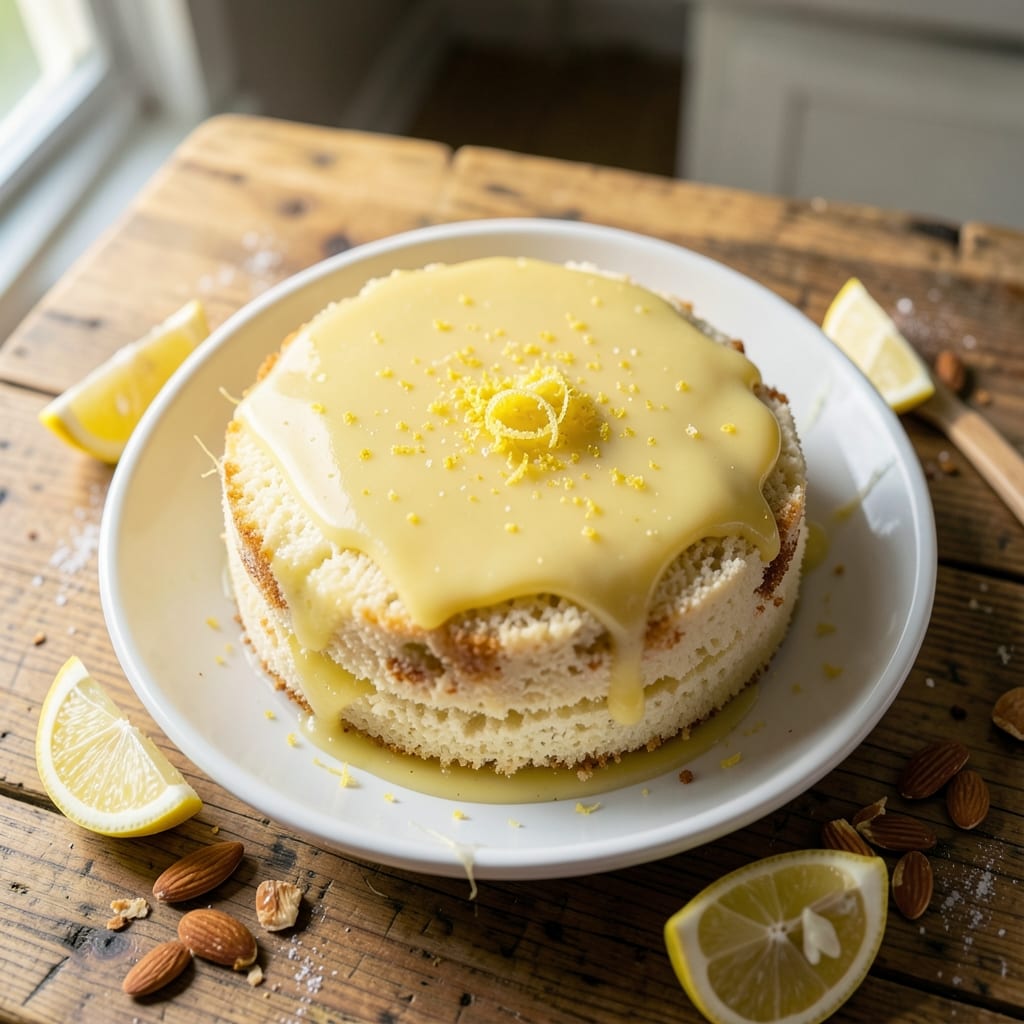
America's Test Kitchen's lemon cake recipe delivers the perfect balance of bright citrus, tender layers, and a buttery crust that makes every slice irresistible. After testing countless variations, we've refined this recipe to ensure foolproof results—no one will guess it's beginner-friendly. The secret lies in precise measurements and baking techniques that guarantee a moist, flavorful cake every time.
This recipe starts with a tender, buttery crust that adds a delightful crunch to each bite, followed by layers of zesty lemon cake infused with real lemon juice and zest. The cream cheese frosting isn't just sweet—it's tangy and smooth, cutting through the citrus notes for a harmonious finish. What sets this apart is the attention to detail, like baking times and cooling stages, that prevent common pitfalls like dryness or cracking.
By the time you're done, you'll have a cake that's visually stunning with its golden layers and creamy frosting, and packed with bright, refreshing lemon flavor. The texture is perfect—tender yet sturdy enough to hold up to the frosting without falling apart. This is the kind of dessert that feels like a restaurant-quality treat, made entirely at home.
Whether you're serving it at a brunch, potluck, or special occasion, this lemon cake is guaranteed to impress. The recipe includes tips for plating and storing, so you can enjoy it fresh or save slices for later. Let's get baking!
Ingredients for america's test kitchen lemon cake
Here's what you'll need to bake this restaurant-worthy lemon cake with foolproof layers.
| Ingredient | Amount | Notes |
|---|---|---|
| All-Purpose Flour 🌾 | 2 ½ cups | Sifted for light texture |
| Granulated Sugar 🍚 | 1 ½ cups | White or light brown |
| Unsalted Butter 🧈 | 1 cup | Cold, cubed for crust |
| Fresh Lemon Juice 🍋 | ¾ cup | From 4-5 lemons |
| Lemon Zest 🍋 | 2 tbsp | Finely grated, bright yellow |
| Large Eggs 🥚 | 3 whole | Room temperature |
| Baking Powder 🧂 | 2 tsp | Diamond Crystal preferred |
| Salt 🧂 | ½ tsp | Fine sea salt |
| Vanilla Extract 🌿 | 1 tsp | Pure vanilla preferred |
| Whole Milk 🥛 | ½ cup | Room temperature |
| Cream Cheese 🧀 | 8 oz | Room temperature, full-fat |
| Powdered Sugar 🍚 | 3 cups | Sifted for smooth frosting |
| Heavy Whipping Cream 🥛 | 1 cup | Cold, heavy whipping |
| Lemon Extract 🍋 | ½ tsp | For extra lemon flavor |
The butter matters most for that perfect crust. Use European-style butter if you can find it—it's higher in fat and gives a richer texture. I grab mine from Whole Foods or Costco when I'm making this for a crowd. For the lemons, Meyer lemons if you can get them—they're sweeter and give a more complex flavor. If you're using regular lemons, roll them on the counter first to soften them up before juicing. The zest should be bright yellow, not white or green. If you're short on time, lemon extract can help boost the flavor, but fresh is always better.
No fresh lemons? Lemon juice concentrate works in a pinch—just dilute it with water to match the amount of juice needed. Running out of butter? Vegetable shortening can substitute, but the texture won't be quite as tender. For the cream cheese frosting, full-fat is non-negotiable—it's what gives it that silky, tangy texture. If you don't have powdered sugar, you can make your own by grinding granulated sugar in a food processor. The vanilla extract can be imitation, but pure vanilla makes a noticeable difference. And if you're worried about your cake being too dry, add an extra tablespoon of milk—it helps with moisture.
Store the cake layers wrapped tightly in plastic wrap in the fridge for up to 3 days—they'll keep better than you think. The frosting can be made a day ahead and stored in the fridge, but bring it to room temperature before using. Once assembled, the cake keeps for 4-5 days in the fridge, but honestly, it's best enjoyed fresh. For serving, I like to dust the top with a little extra powdered sugar and add a few lemon slices on the side—it makes it look like you spent hours decorating. Freezing? The layers freeze well for up to 2 months, but the frosting is best made fresh.
Why You'll Love This Recipe
- No-Fuss Layers: This cake’s secret is the two-step mixing—first dry ingredients, then butter and sugar—so the batter comes together in minutes. No overmixing, no stress, just a tender crumb that’s foolproof every time.
- Zesty Magic: That bright lemon zest and juice? It’s not just flavor—it’s the star. The butter and sugar create a rich base, but the citrus cuts through with a tangy punch that makes this taste like summer in every bite.
- Weekend or Weeknight: Slice it for a quick breakfast with yogurt, or stack it for a brunch spread. Honestly, I’ve even used it as a base for a no-bake cheesecake when I’m lazy. The recipe’s simplicity means it works for whatever you need.
- Budget Bright Spot: You’re using pantry staples—flour, sugar, butter—and a couple of lemons. The leftovers? They stay fresh for days, and you can always revamp slices into lemon bars or trifles. Minimal cost, maximum payoff.
Step-by-step instructions for lemon cake with buttery crust and cream cheese frosting
Here's how to bake this showstopping lemon cake with layers of zing and a perfect crumb.
Prepare the Buttery Crust
Preheat your oven to 350°F. In a food processor, pulse together 1 cup of the unsalted butter (cold, cubed) and 1.5 cups of the granulated sugar until combined but not melted. Add 2 tbsp lemon zest and pulse again to distribute the bright yellow color.
Press this mixture evenly into the bottom of a 9-inch springform pan. Bake for 10 minutes until just set—you want it firm but not browned. Let it cool completely before adding the cake batter. This crust gives the whole dessert that signature buttery punch that balances the tart lemon.
Mix the Lemon Cake Batter
In a large mixing bowl, whisk together 2.5 cups of the all-purpose flour (sifted), 2 tsp baking powder, and 0.5 tsp salt. In a separate bowl, beat 3 whole large eggs (room temperature) with 1.5 cups granulated sugar until pale and slightly thickened—this should take about 3-4 minutes with a hand mixer.
Gradually pour in 0.75 cup fresh lemon juice and 1 tsp vanilla extract, mixing until smooth. With the mixer on low speed, add about 1/3 of the flour mixture to lighten the batter, then alternate adding the remaining flour and 0.5 cup whole milk until just combined. Don't overmix—you want a few small lumps for that tender crumb.
Bake the Lemon Layers
Pour the batter evenly over the cooled crust in the springform pan. Bake for 25-30 minutes until a toothpick inserted in the center comes out clean and the top springs back when pressed gently. The cake should be golden but not browned—this ensures that bright lemon flavor shines through.
Let the cake cool in the pan for 15 minutes, then transfer to a wire rack to cool completely. While it cools, make the frosting—this prevents the cake from absorbing moisture and becoming soggy. The fully cooled cake layers are essential for clean slices and that perfect texture.
Make the Cream Cheese Frosting
In a medium bowl, beat 8 oz cream cheese (room temperature) and 1 cup heavy whipping cream (cold) with an electric mixer until smooth and creamy. Gradually add 3 cups powdered sugar (sifted) and 0.5 tsp lemon extract, mixing on low speed until just combined. Increase speed to medium and beat for 2-3 minutes until light and fluffy.
This frosting should be thick enough to hold its shape on the cake but still spreadable. If it's too soft, chill for 10 minutes before using. The lemon extract adds that extra zing that makes this frosting truly special—don't skip it!
Assemble and Decorate
Once the cake is completely cool, level the top if needed using a serrated knife. Spread about 1/2 of the frosting evenly over the first layer, then place the second layer on top. Frost the entire cake, then decorate with additional lemon zest or fresh berries if desired.
Chill the cake in the refrigerator for at least 1 hour before slicing to help the frosting set. This waiting time ensures clean slices and that perfect balance of moist cake and creamy frosting in every bite. Serve with a cup of Earl Grey tea for the ultimate lemon lover's experience.
Pro Tips For Making America'S Test Kitchen Lemon Cake
- Whisk Butter and Sugar: DESCRIPTION:
- Measure Lemon Juice Precisely: DESCRIPTION:
- Bake Until Springy: DESCRIPTION:
- Cool In Pan 10 Minutes: DESCRIPTION:
Troubleshooting your america's test kitchen lemon cake
Dry Cake Fix
If your cake turns out dry, the issue is usually overbaking or insufficient moisture. First, check your baking time—25-30 minutes at 350°F is perfect, but ovens vary. If it's done too early, the center may be undercooked and dense. For extra moisture, whisk 1 extra tbsp of whole milk into the batter before baking. Another trick is to brush the cooled cake layers with 2 tbsp lemon syrup (equal parts sugar and water, heated until dissolved) before frosting. This adds moisture without altering the texture. 💧
Cracked Layers
Cracks often appear when the cake cools too quickly or the oven isn’t properly preheated. To prevent this, always let the cake cool in the pan for 15 minutes before transferring to a wire rack. Also, avoid opening the oven door during baking—temperature fluctuations cause cracks. If your cake cracks, don’t stress! Simply frost it as-is, and the frosting will camouflage the imperfections beautifully. The flavor will still be amazing. 🍋
Frosting Too Soft
A soft frosting usually means the cream cheese or heavy cream wasn’t cold enough when mixed. For the best results, chill both 8 oz cream cheese and 1 cup heavy whipping cream in the fridge for at least 30 minutes before whipping. If your frosting is too soft, pop it in the fridge for 10-15 minutes to firm up. Pro tip: Use a stand mixer on medium speed for 2-3 minutes—this ensures the frosting is light and fluffy, not runny. 🥛
Crust Too Crumbly
A crumbly crust often happens when the butter melts too much during baking. To fix this, make sure your butter is cold and cubed before pulsing with sugar and zest. Press the mixture firmly into the pan and bake for only 10 minutes—no longer! If your crust is already crumbly, try pressing a thin layer of lemon curd (store-bought or homemade) between the crust and cake batter next time. It adds moisture and binds the layers together. 🧈
Uneven Layers
Uneven layers usually mean the batter wasn’t distributed evenly over the crust. To avoid this, use a 9-inch springform pan and pour the batter gently over the cooled crust, tapping the pan lightly on the counter to settle the batter. If your layers are uneven, level the top with a serrated knife after baking, then frost as usual. The frosting will help create a uniform look. For next time, consider dividing the batter into two bowls and alternating spoonfuls to ensure even distribution. 🔨
Lemon Flavor Too Mild
If your cake lacks zing, fresh lemon juice and zest are key. Use 0.75 cup fresh lemon juice from 4-5 lemons (Meyer lemons are ideal) and 2 tbsp zest0.5 tsp lemon extract to the frosting. If you’re short on time, dilute lemon juice concentrate with water to match the amount of fresh juice. Another trick: Zest an extra lemon and sprinkle it over the frosting before serving—it adds a bright, aromatic finish. 🍋✨
Nutrition facts
Frequently asked questions
Can I make this lemon cake in a round cake pan instead of a springform?
Yes, but with adjustments! Use a 9-inch round cake pan with removable bottom. Grease it well and line with parchment paper for easy removal. Reduce the baking time to 20-25 minutes since round pans conduct heat differently. For a two-layer cake, divide the batter evenly and bake each layer separately.
How do I store leftovers without drying out the cake?
Wrap each layer individually in plastic wrap, then place them in an airtight container with a slice of bread or a damp paper towel to maintain moisture. Store in the fridge for up to 3 days. For longer storage, freeze the layers (without frosting) for up to 2 months. Thaw overnight in the fridge before frosting.
What's the secret to getting that perfect buttery crust?
The crust depends on cold butter and proper baking time. Pulse the butter and sugar in a food processor until just combined (not melted), then press firmly into the pan. Bake for exactly 10 minutes at 350°F—no longer! Let it cool completely before adding the cake batter to prevent melting.
Can I substitute the cream cheese frosting with something lighter?
For a lighter option, try a whipped buttercream made with 1 cup softened butter, 3 cups powdered sugar, and 2 tbsp lemon juice. Whip until fluffy and add 1 tsp lemon extract for extra zing. This version is less rich but still delicious—just omit the heavy cream from the original recipe.
How do I make this cake gluten-free?
Replace the all-purpose flour with a 1:1 gluten-free baking flour blend (like Bob's Red Mill). Add 1 tsp xanthan gum to help bind the batter. For the crust, use a gluten-free flour blend or crushed gluten-free graham crackers mixed with melted butter. Test the recipe in small batches first, as gluten-free flours behave differently.