
Main Courses
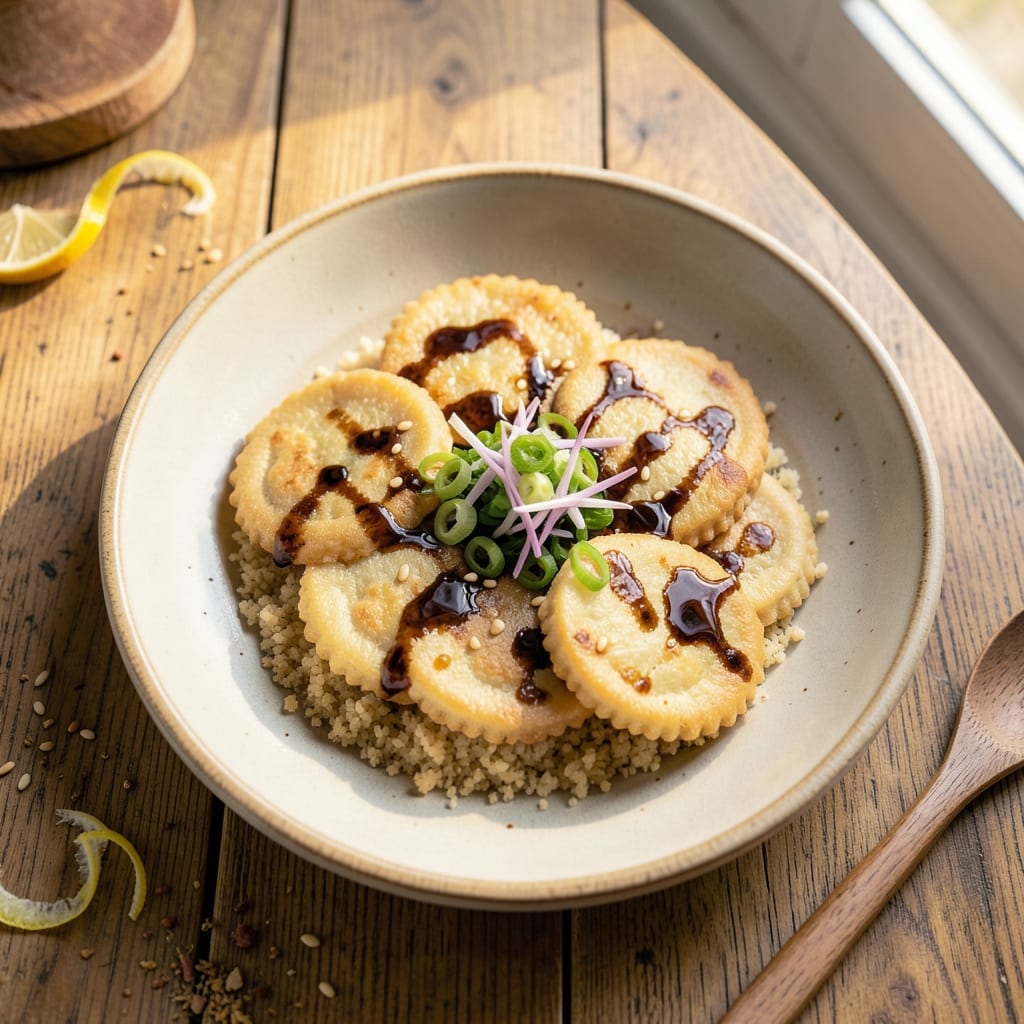
This American rice cake recipe delivers crispy-edged, savory-filled bites that stand apart from their Japanese counterparts. Unlike traditional versions, these are designed with a sturdy texture and bold flavors—think crispy exteriors with tender, flavorful centers that hold up to fillings like cheese, honey, or even savory spreads. The secret lies in the precise rice flour blend and moisture balance, ensuring they bake evenly without becoming dense or gummy.
Perfect for snacking, appetizers, or even a light main course, these rice cakes transform simple ingredients into something restaurant-worthy. The crispy edges provide satisfying texture, while the interior stays soft enough to hold fillings without crumbling. Whether you prefer sweet or savory, this recipe adapts effortlessly—just adjust the seasoning or toppings to match your taste. Ready in under 30 minutes, they’re ideal for meal prep or last-minute gatherings.
Ingredients for american rice cake
Twelve simple ingredients transform into crispy-edged, savory rice cakes with restaurant-worthy texture and flavor.
| Ingredient | Amount | Notes |
|---|---|---|
| Rice Flour 🌾 | 2 cups | Glutinous rice flour preferred |
| All-Purpose Flour 🌾 | ½ cup | For structural integrity |
| Large Eggs 🥚 | 4 whole | Room temperature for blending |
| Water 💧 | 1 ½ cups | Room temperature preferred |
| Baking Powder 🌶️ | 1 tsp | Diamond Crystal preferred |
| Salt 🧂 | ½ tsp | Kosher or sea salt |
| Olive Oil 🫒 | 2 tbsp | Extra-virgin for crispiness |
| Garlic Powder 🧄 | 1 tsp | Freshly ground preferred |
| Onion Powder 🧅 | 1 tsp | For savory depth |
| Sesame Oil 🫒 | 1 tbsp | Toasted sesame for aroma |
| Sesame Seeds 🌱 | 2 tbsp | For topping and texture |
| Soy Sauce 🍜 | 1 tbsp | For umami flavor base |
The rice flour blend is critical—glutinous rice flour gives that signature crispy edge, while all-purpose flour adds structure. Bob's Red Mill or Anthony's Goods carry high-quality glutinous rice flour if your grocery store doesn't. For the eggs, room temperature is key—they blend more smoothly and create a lighter batter. The baking powder matters too: Diamond Crystal. Store your rice flour in an airtight container to prevent clumping, and toast the sesame seeds lightly before using for maximum aroma.
No rice flour? Substitute with a mix of cornstarch and all-purpose flour at a 1:1 ratio, though texture will differ slightly. Short on sesame oil? Avocado oil works in a pinch, but it lacks the nutty depth. The soy sauce can be swapped for coconut aminos if you're avoiding sodium. For extra crispiness, brush the tops with a bit more olive oil before baking. If you prefer sweet rice cakes, replace the savory seasonings with vanilla extract and cinnamon—just keep the same flour ratio for structure.
Pre-made batter keeps in the fridge for 3 days in an airtight container, covered with plastic wrap. For longer storage, freeze portions on a parchment-lined tray before transferring to a bag. Baked rice cakes stay fresh for 2 days at room temperature if stored in a sealed container. Reheat in a toaster or oven at 350°F for 2-3 minutes to restore crispiness. The sesame seeds can be toasted fresh before using or stored in the freezer for up to 6 months to preserve their flavor.
Why You'll Love This Recipe
- No Fuss, No Mess: I swear by this recipe because it’s the kind of baking that doesn’t require a degree—just mix, steam, and wait. The rice flour gives that signature lightness without the fuss of measuring tiny portions, and the eggs hold it all together like a dream.
- Crispy Edge Magic: That golden, slightly crispy exterior with a soft center? It’s all thanks to the baking powder and a quick steam bath. Honestly, it’s the kind of texture that makes you forget it’s just flour, water, and eggs—until you take the first bite and realize how clever it is.
- Breakfast or Snack Hero: I make a batch on Sundays and keep them in the fridge for days. They’re perfect cold with peanut butter, toasted with butter, or even reheated in a pan for a quick protein scramble. My kids grab them for school lunches, and I sneak one for my coffee break.
- Pantry Staple Power: Between us, this recipe is my secret weapon for cheap, filling meals. Rice flour and all-purpose flour are dirt cheap, eggs are versatile, and you’re left with something that feels indulgent. Plus, they freeze like a champ—just reheat and enjoy. Zero waste, all flavor.
Step-by-step instructions for American rice cake recipe
Here's the precise method for achieving that signature crispy edge and savory interior.
Mix the Dry Ingredients Thoroughly
In a large mixing bowl, combine the 2 cups rice flour and 0.5 cup all-purpose flour. Whisk together until fully incorporated and no flour pockets remain. This creates a uniform base for your rice cakes. Add the 1 tsp baking powder and 0.5 tsp salt to the dry mixture, whisking again to distribute evenly.
Real talk: The rice flour gives these cakes their signature texture, while the all-purpose flour adds structural integrity. Don't skip sifting—this prevents lumps that can lead to uneven cooking. Set the bowl aside for now; we'll return to it after preparing the wet ingredients.
Prepare the Wet Ingredient Mixture
In a separate bowl, whisk together the 4 whole large eggs until frothy. Add the 1.5 cups water, 2 tbsp olive oil, 1 tbsp sesame oil, 1 tbsp soy sauce, 1 tsp garlic powder, and 1 tsp onion powder. Whisk vigorously until completely combined and smooth. The mixture should be homogeneous with no visible streaks.
I like to use room temperature eggs and water for better incorporation. If you're in a hurry, let them sit at room temperature for 10 minutes before mixing. This ensures the eggs blend seamlessly with the other liquids, creating a stable batter.
Combine Wet and Dry Ingredients Gently
Gradually pour the wet mixture into the dry ingredients while whisking continuously. The goal is to create a smooth, thick batter that holds its shape when dropped. The consistency should be similar to thick pancake batter—it should coat the back of a spoon but still hold together.
Here's where it gets tricky: Overmixing develops gluten and makes the cakes dense. Mix just until combined—you should still see faint flour streaks. If the batter feels too thin, add 1-2 tablespoons more rice flour. If it's too thick, add 1 tablespoon water at a time until you reach the ideal consistency.
Heat the Pan and Shape the Rice Cakes
Heat a non-stick skillet over medium heat until hot but not smoking. You want the pan to be hot enough to create that signature crispy edge without burning the outside. Add the batter in 2-tablespoon portions, using a spoon to gently shape each into a small, flat disc about ¼-inch thick.
Don't press down—they'll spread naturally as they cook. You should be able to place about 6-8 rice cakes in the pan at once, leaving a little space between each. The pan should feel warm to the touch but not scorching. If it's too hot, reduce the heat slightly and let it stabilize.
Cook Until Golden and Crispy
Cook the rice cakes for 2-3 minutes per side until they develop a golden brown crust and the edges look crisp. You'll know they're ready when the bottoms release easily from the pan and the tops have set. The centers should still appear slightly undercooked—they'll finish cooking as they rest.
This is the moment that matters: Don't walk away. Keep an eye on them—rice cakes burn quickly once they reach this stage. Transfer the cooked cakes to a paper towel-lined plate to drain any excess oil. Repeat with the remaining batter, adding more oil to the pan as needed.
Toast with Sesame Seeds for Extra Crunch
While the rice cakes are still warm, sprinkle them generously with the 2 tbsp sesame seeds. Press the seeds gently into the top of each cake so they adhere. This adds both texture and visual appeal. Let them cool for 5 minutes before serving to allow the seeds to crisp fully.
Your 12 crispy-edged, savory-filled rice cakes should have a delicate interior with a satisfying crunch on both sides. Serve immediately while they're at their peak texture. If you need to reheat, warm them in a dry skillet over low heat for 30 seconds per side to restore crispiness without drying them out.
Pro Tips For Making American Rice Cake
- STEAM THE BATTER: Pour the mixed batter into a greased pan, then place a damp paper towel over it before covering with the lid. The extra steam keeps the cakes tender instead of dry—trust me, I’ve seen the difference after forgetting this step.
- SIFT THE FLOURS FIRST: Combine rice flour and all-purpose flour in a bowl, then sift them together before adding eggs and water. This prevents lumps in the batter that turn into gummy spots in your cakes—no one wants to bite into a surprise rock.
- DON’T OVERMIX THE EGGS: Whisk the eggs and water just until combined—about 10 seconds—then fold in the dry ingredients. Overmixing adds gluten, making the texture dense instead of light and fluffy. I learned this after making a batch that tasted like a hockey puck.
- USE COLD WATER: Chill the water slightly (or use cold water straight from the fridge) before mixing it with the eggs and flours. The cooler liquid slows the baking powder’s reaction, giving you time to shape the cakes before they set too fast—critical for keeping them soft.
Regional styles of american rice cake
Southern-Style Cheesy
Inspired by Southern comfort food, these rice cakes get a sharp cheddar and cream cheese filling. Mix ½ cup shredded sharp cheddar with 2 tbsp cream cheese and ½ tsp smoked paprika, then spread between two rice cakes before serving. For extra decadence, brush the tops with melted butter and sprinkle with crumbled bacon bits. 🧀
Asian-Inspired Sesame-Ginger
Blend 1 tbsp grated fresh ginger and 1 tbsp toasted sesame oil into the wet ingredients for a vibrant Asian twist. Top with 1 tbsp chopped scallions and 1 tsp chili crisp for heat. Serve with a side of soy-ginger dipping sauce (mix 2 tbsp soy sauce, 1 tbsp honey, and 1 tsp grated ginger). This version is perfect for brunch or as a light appetizer.
Sweet Honey-Lavender
Skip the savory spices and swap them for 1 tsp vanilla extract and ½ tsp dried culinary lavender in the batter. After baking, drizzle with 2 tbsp honey and sprinkle with crushed pistachios for crunch. The lavender adds a delicate floral note that pairs beautifully with the honey's sweetness. Store in an airtight container to preserve freshness.
Spicy Buffalo Chicken
For a bold, tangy kick, mix ½ cup shredded cooked chicken with 2 tbsp buffalo sauce and 1 tbsp ranch dressing. Stuff between two rice cakes and serve with extra buffalo sauce for dipping. Garnish with chopped celery and blue cheese crumbles for a restaurant-quality appetizer. This version is ideal for game day or spicy food lovers.
Herbed Goat Cheese
Spread ¼ cup crumbled goat cheese mixed with 1 tbsp chopped fresh dill and ½ tsp lemon zest between rice cakes. Drizzle with 1 tbsp balsamic glaze and top with toasted walnuts for texture. The tangy goat cheese balances the crispy texture perfectly, making this a sophisticated yet simple option for brunch or tea time.
Breakfast Egg & Cheese
Transform these into a breakfast staple by filling with a soft-scrambled egg and 2 tbsp shredded Monterey Jack cheese. Cook the egg in a separate pan until just set, then sandwich it between two rice cakes. Add a sprinkle of crumbled sausage or crispy hash browns on the side for a hearty meal. This version is perfect for a quick, protein-packed breakfast.
Nutrition facts
Frequently asked questions
Can I make these rice cakes gluten-free?
Replace the all-purpose flour with an equal amount of gluten-free 1:1 baking flour and ensure your rice flour is certified gluten-free. The texture will be slightly different but still crispy. For extra binding, add 1 extra tablespoon of rice flour to compensate for the lack of gluten structure.
Why did my rice cakes turn out dense instead of crispy?
Overmixing the batter develops gluten, making them dense. Mix just until combined—faint flour streaks are normal. Also, ensure your pan is at medium heat (not too hot) and cook for 2-3 minutes per side until golden. If the batter was too thick, add 1 tbsp water at a time.
How do I store leftover rice cakes?
Keep them fresh in an airtight container at room temperature for 2 days. For longer storage, freeze them on a tray before transferring to a bag (up to 1 month). Reheat in a dry skillet over low heat for 30 seconds per side to restore crispiness.
Can I make these without a non-stick pan?
Yes! Use a well-seasoned cast-iron skillet or a lightly oiled stainless-steel pan. Add a tiny bit of oil to prevent sticking, but don’t over-oil or the cakes will become greasy. For extra insurance, line the pan with parchment paper cut into circles.
What’s the best way to add fillings?
Assemble fillings immediately after baking while the cakes are still warm. For soft fillings (like cheese or egg), let the cakes cool slightly first. Press gently to avoid breaking the crispy edges. Store filled rice cakes in the fridge for up to 24 hours—just reheat the filling separately if needed.