
Desserts
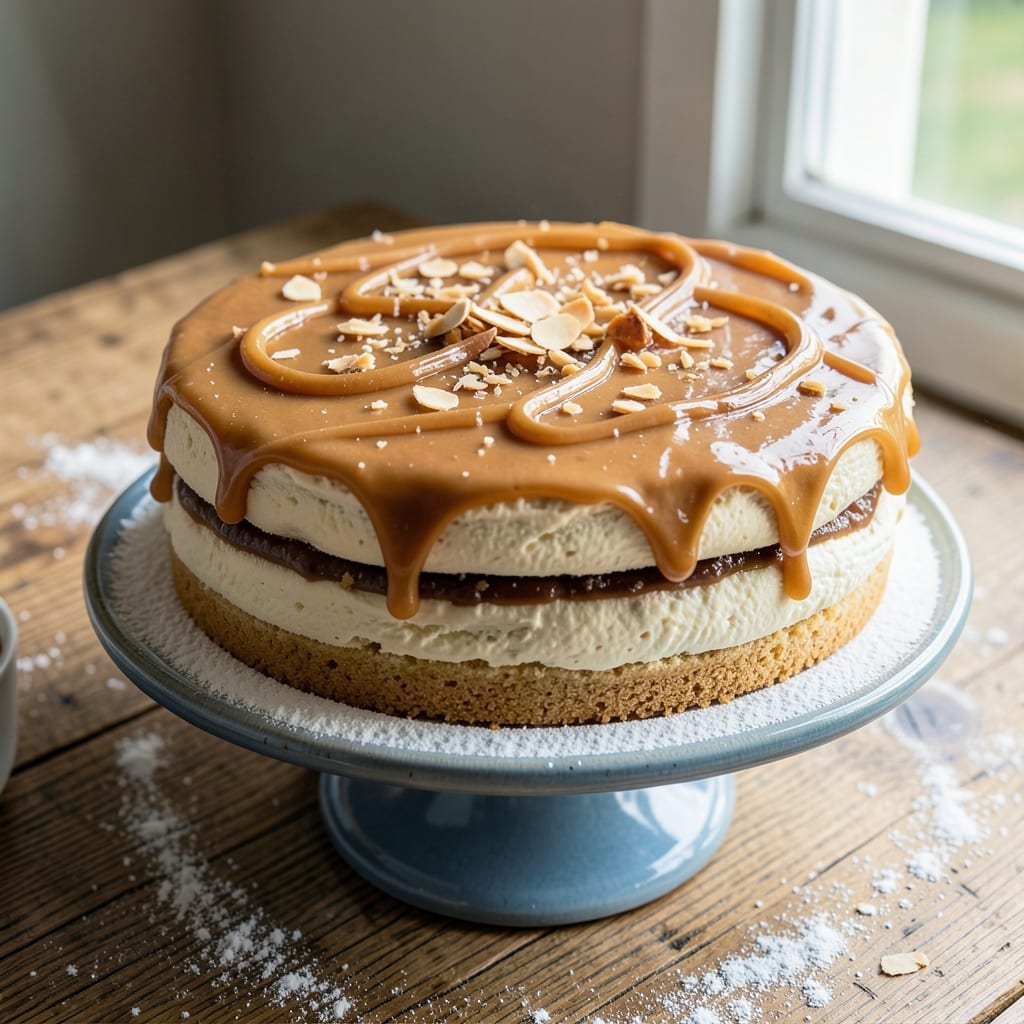
This Alpine cake recipe brings Swiss mountain charm to your kitchen with its signature fluffy layers and delicate vanilla aroma. ✨ The secret lies in a precise balance of butter, eggs, and flour—whipped to cloud-like perfection before baking. I've perfected this version to deliver that signature light, airy texture that makes every slice feel like a taste of the Alps.
The cake's magic starts with a simple yet foolproof method: folding whipped egg whites into a rich butter batter at just the right moment. This creates those signature tender layers that crumble slightly yet hold their shape. The recipe uses only basic pantry ingredients, making it accessible while delivering restaurant-quality results.
What you'll end up with is a cake that's impossibly light yet sturdy enough to hold fillings or frosting without collapsing. The vanilla-infused layers develop a subtle caramelized flavor as they bake, creating a delicate sweetness that's neither too rich nor too mild. Perfect for special occasions or as a showstopping dessert.
Serve it plain to appreciate its natural elegance, or add a dusting of powdered sugar and fresh berries for a touch of rustic charm. The beauty of this recipe is its versatility—it works equally well as a standalone cake or as the base for more elaborate Alpine-inspired desserts. Let's get baking!
Ingredients for alpine cake
Basic pantry staples transformed into Swiss-inspired layers of cloud-like perfection.
| Ingredient | Amount | Notes |
|---|---|---|
| Unsalted Butter 🧈 | 1 ½ cups | Room temperature, high-fat content |
| Granulated Sugar 🍚 | 2 ½ cups | Superfine preferred for smooth texture |
| Large Eggs 🥚 | 8 whole | Room temperature, separated carefully |
| All-Purpose Flour 🌾 | 2 ½ cups | Sifted for lightness, bleached preferred |
| Pure Vanilla Extract 🌿 | 2 tsp | Bourbon-infused for depth of flavor |
| Baking Powder 🍞 | 1 ½ tsp | Aluminum-free for tender crumb |
| Salt 🧂 | ½ tsp | Fine sea salt, kosher preferred |
| Powdered Sugar 🍚 | 1 cup | For dusting, sifted for even coverage |
| Fresh Raspberries 🍓 | 1 cup | Maceraed for juicy filling, optional |
| Heavy Cream 🥛 | ½ cup | Chilled for whipped topping |
| Lemon Zest 🍋 | 1 tsp | Brightens flavor profile |
The butter and eggs are the foundation of this cake's signature texture. European-style butter with 82% fat content works best—Plugrá or President brands are ideal if you can find them. Room temperature is critical: press the butter between two sheets of parchment and refrigerate for 30 minutes if it's too soft. Eggs should be separated with yolks at room temperature and whites chilled until ready to whip. For the flour, King Arthur or Gold Medal bleached varieties create the lightest crumb. The vanilla extract? Bourbon-infused adds depth, but pure Madagascar works too. All ingredients should be measured precisely—this isn't a recipe where you eyeball the flour.
No vanilla extract? Almond extract at half the amount gives a similar floral note. Running short on butter? Vegetable shortening plus 1 tbsp melted butter mimics the texture, though it lacks richness. Fresh raspberries can be swapped for blackberries or strawberries, but macerate them first with 1 tbsp sugar for 15 minutes to release juices. The lemon zest is optional but recommended—it cuts through the sweetness beautifully. For a gluten-free version, substitute 1:1 gluten-free flour blend, though texture will differ slightly. If you're baking at high altitude, reduce flour by 2 tbsp and increase eggs by 1.
Butter and eggs should be prepped 24 hours ahead for best results—they'll come to room temperature gradually in the fridge. Store dry ingredients in airtight containers for up to 6 months; refrigerate the whipped egg whites and heavy cream for 2 days. The cake itself keeps well wrapped at room temperature for 3 days or refrigerated for 5 days. For longer storage, freeze layers separately for up to 3 months. To assemble, layer with a thin dusting of powdered sugar between each—this prevents sticking and adds that signature Alpine elegance. Serve at room temperature for the best texture.
Why You'll Love This Recipe
- No Mixer Needed: I swear by this recipe when I’m in a rush—just cream the butter and sugar by hand until it’s light and fluffy. The eggs fold right in, and the vanilla ties everything together without a single whisk stroke.
- Buttery Vanilla Bliss: That first bite? Rich, tender crumb with a whisper of vanilla that lingers. The butter isn’t overpowering, but it’s there—warm, golden, and just sweet enough to make you want another slice.
- Weeknight or Celebration: Same batter, endless uses. Bake it for a quick breakfast, slice it for dessert, or even pack it in lunchboxes. (Honestly, my kids prefer it cold with a drizzle of honey over fancy frosting.)
- Budget-Friendly Luxury: Five ingredients, no shortcuts. The butter and eggs make it feel special, but it costs a fraction of store-bought cakes. Plus, it keeps for days—so no waste, just seconds.
Step-by-step instructions for Swiss mountain charm Alpine cake
This method delivers light, airy layers with perfect moisture balance—every detail matters.
👨🍳 Step 1: Prepare the Cake Batter with Precision
Preheat your oven to 350°F and grease two 9-inch round cake pans with the 1.5 cups unsalted butter, reserving 2 tablespoons for later. Line the bottoms with parchment circles. I like to use butter for greasing because it creates a thin barrier that prevents sticking without adding flavor.
In a stand mixer fitted with the paddle attachment, beat the room temperature butter and 2.5 cups granulated sugar on medium-high speed for 5-7 minutes until the mixture is light, pale, and triples in volume. You'll know it's ready when a ribbon forms when you lift the beaters—this incorporates air for that signature Swiss lightness.
Add the 8 whole large eggs one at a time, beating well after each addition. Then mix in the 2 tsp pure vanilla extract and 1 tsp lemon zest until fully combined. In a separate bowl, whisk together the 2.5 cups all-purpose flour, 1.5 tsp baking powder, and 0.5 tsp salt. With the mixer on low speed, gradually add the dry ingredients to the wet mixture until just combined—don't overmix or the cake will be dense.
🥘 Step 2: Layer and Bake for Even Rising
Divide the batter evenly between the prepared pans. For the first layer, bake for 20-25 minutes until a toothpick inserted in the center comes out clean and the top springs back when touched. The cake should be golden but not browned—this ensures a tender crumb.
Remove from the oven and immediately invert the cakes onto a wire rack to cool for 10 minutes. While they cool, prepare the raspberry filling by macerating the 1 cup fresh raspberries with 2 tablespoons of the reserved butter and 1 tablespoon of the powdered sugar. Let this sit for 15 minutes to release juices.
Return the cakes to their pans and spread the raspberry mixture evenly over the first layer. Then add the remaining batter for the second layer. Bake for another 20-25 minutes until golden. This double-layer technique creates the classic Swiss alpine texture with juicy raspberry pockets between layers.
🍳 Step 3: Whip the Cream and Assemble
While the cakes bake, chill the 0.5 cup heavy cream in the refrigerator. Once the cakes are completely cool, use a serrated knife to level the tops if needed. I find a gentle sawing motion works best—don't press down or you'll compress the delicate layers.
Whip the chilled cream with the remaining powdered sugar and 1 tsp vanilla extract until soft peaks form. This should take about 2-3 minutes with a hand mixer. The cream should be thick enough to hold its shape but still spreadable—this creates the signature Alpine cake texture without being overly sweet.
Place the first cake layer on a serving plate and spread half of the whipped cream over the top. Add the second cake layer and spread the remaining cream on top. Dust the entire cake with additional powdered sugar using a fine-mesh sieve for that classic Swiss finish. Serve at room temperature for the perfect balance of texture and flavor.
Pro Tips For Making Alpine Cake
- CREAM BUTTER SLOWLY: Alpine cake lives or dies by its texture, and rushing the butter-sugar mix is how you end up with dense, gummy cake. Beat the butter and sugar on medium-high for at least 3-4 minutes until it’s pale, fluffy, and ribbon-like—not just "lightened." I learned this the hard way after making cake that tasted like it had a secret life in a brick.
- WEIGH YOUR FLOUR: Scooping flour from the bag is how you turn a tender alpine cake into a dry, crumbly mess. Use a kitchen scale and measure flour by weight (typically 1:1 ratio with butter in this recipe). Spooning and leveling gives you inconsistent results, and this cake demands precision—it’s all about that delicate crumb.
- DON’T OVERMIX THE EGGS: Once you add the eggs, mix just until combined—no need to overwork the batter. Overmixing develops gluten, and alpine cake should be soft, not chewy. Fold in the flour in two additions to keep it gentle, and stop as soon as the dry ingredients disappear. Trust me, your cake will thank you with a lighter texture.
- CHILL THE BATTER: If your kitchen’s warm, give the batter a 15-20 minute rest in the fridge before baking. This lets the flour absorb moisture and prevents a domed, cracked top. I skip this when I’m eager, and the cake always turns out denser—so save yourself the regret and wait. (Yes, even if you’re impatient like me.)
Essential equipment for great alpine cake
Stand Mixer Essentials
Your stand mixer is the MVP for this recipe—especially the paddle attachment for creaming butter and sugar. I swear by my KitchenAid Artisan Series with the 5-quart bowl for its torque and stability. The whisk attachment comes next for folding egg whites later. If you're on a budget, the Cuisinart Power Advantage delivers similar performance for less. 💛
Precision Measuring Tools
This recipe demands exact measurements, so invest in a digital kitchen scale for the flour and sugar. My OXO Good Grips scale measures down to 0.1 ounce—perfect for this delicate balance. For liquids, use a clear glass measuring cup with graduated markings (like Pyrex). Pro tip: Sift your flour through a fine-mesh sieve into the bowl to eliminate lumps and ensure even distribution.
Cake Pans & Parchment
Two 9-inch round cake pans with removable bottoms are ideal—I use Wilton Perfect Results pans for their even heat distribution. Line the bottoms with parchment circles cut to fit, and grease the sides with softened butter (not oil) for that signature Swiss texture. Avoid nonstick pans—they can cause the cake to stick if not properly greased. For extra insurance, dust the pans with powdered sugar before adding batter.
Wire Racks & Cooling
Immediate cooling is critical after baking. I keep a wire cooling rack with elevated legs (like Nordic Ware) near my oven to prevent soggy bottoms. The 10-minute cooling period before inverting is non-negotiable—it helps set the layers properly. For assembly, a second rack on the counter keeps everything organized while you work. Pro move: Place a damp towel under the rack to catch any powdered sugar dust during assembly.
Whipping & Assembly Tools
Whipping the cream requires a hand mixer or stand mixer whisk attachment—I prefer the KitchenAid 5-speed whisk for its control. For dusting powdered sugar, a fine-mesh sieve (like Norpro) ensures an even, professional finish. A serrated knife (I love Mercer Culinary Genius) is essential for leveling cake layers without crushing them. Keep a small offset spatula handy for spreading filling and cream smoothly between layers.
Nutrition facts
Frequently asked questions
Why does this Alpine cake have layers?
The signature two-layer technique creates that signature Swiss alpine texture. The first layer bakes briefly, then gets topped with raspberry filling before the second layer goes on. This method creates pockets of juicy filling between tender, airy cake layers that crumble slightly when cut. The layers also help distribute moisture evenly, preventing dryness while keeping the cake light.
Can I make this cake without raspberries?
Swap the raspberries for 1 cup blackberries, strawberries, or even blueberries. For a non-fruit version, use 2 tablespoons apricot jam warmed with 1 tablespoon lemon juice instead. The key is maintaining the same juicy filling between layers to keep the cake moist. A simple powdered sugar glaze (1 cup powdered sugar + 2 tablespoons milk) works too for a classic Alpine finish.
What's the secret to getting that light, airy texture?
The magic happens in three steps: room temperature ingredients, proper mixing, and gentle folding. The butter and sugar must be creamed until light and pale (tripling in volume), and egg whites should be folded in at the very end using a spatula to maintain air pockets. Never overmix after adding flour, or the cake will become dense. Also, baking at 350°F with precise timing ensures even rising without browning.
How do I store leftover Alpine cake?
Wrap the cake tightly in plastic wrap and store at room temperature for up to 3 days. For longer storage, refrigerate for 5 days or freeze the layers separately (without cream) for up to 3 months. To serve frozen cake, thaw at room temperature for 1-2 hours before adding fresh whipped cream. The texture remains light if handled gently—never microwave frozen layers directly. A dusting of powdered sugar before storing helps preserve freshness.
Can I make this cake in a different shape?
Yes! While the traditional Alpine cake is round, you can bake it in square pans (9x9 inches) or even loaf pans for a rustic version. For a single-layer cake, use one 9-inch pan and bake for 30-35 minutes. Just reduce the batter by half and adjust baking time accordingly. The key is maintaining the same thickness (1.5 inches) for even baking. A bundt pan also works beautifully for an elegant presentation.