
Desserts
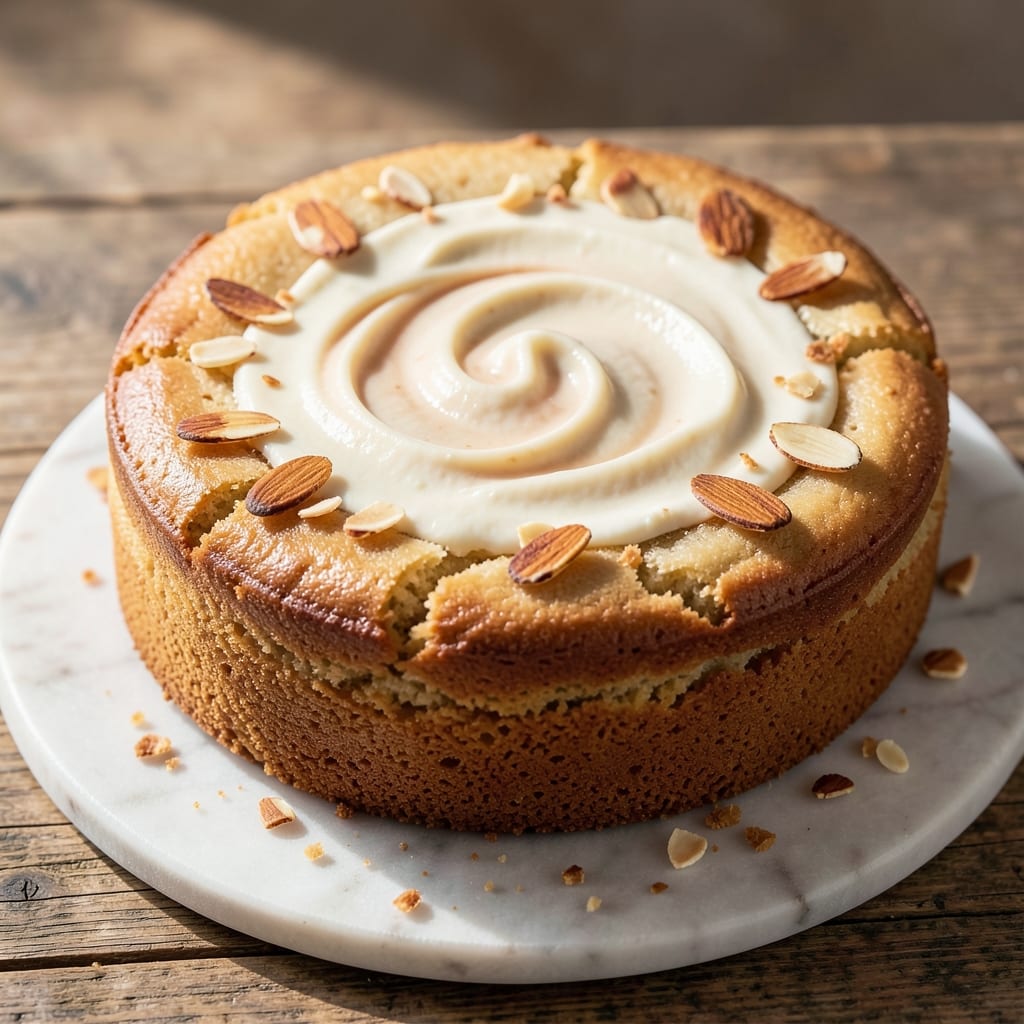
This almond sour cream cake delivers moist, tender layers with a perfect balance of nutty almond flavor and tangy depth. The secret lies in the sour cream—it keeps the cake incredibly moist while the almonds add texture and richness that elevates every bite. I developed this recipe after years of testing variations, and it consistently comes out with a delicate crumb and just the right amount of almond flavor without overpowering.
The beauty of this cake is its simplicity—just a few key ingredients transform into something that tastes like a bakery masterpiece. You’ll need all-purpose flour, granulated sugar, eggs, and of course, high-quality almond extract and sliced almonds for that signature texture. The sour cream isn’t just for moisture; it also adds a subtle tang that brightens the almond notes, making each slice irresistibly tender.
What you’ll end up with is a cake that’s perfectly balanced—moist enough to melt in your mouth but sturdy enough to hold up to frosting or fresh fruit. The almonds contribute a satisfying crunch, while the sour cream ensures the crumb stays soft for days. This is the kind of cake that’s ideal for celebrations or a cozy weekend treat, and it’s easy enough to bake even if you’re not a seasoned baker.
The best part? This recipe is versatile. You can top it with a simple glaze, whipped cream, or even a dusting of powdered sugar. For extra flair, add a sprinkle of toasted almonds or a drizzle of honey. Let’s get baking—this cake is worth every effort.
Ingredients for almond sour cream cake
Just twelve ingredients transform into a moist, nutty cake with perfect tangy depth.
| Ingredient | Amount | Notes |
|---|---|---|
| All-Purpose Flour 🌾 | 2 ½ cups | Sifted for light texture |
| Granulated Sugar 🍚 | 2 cups | White or light brown |
| Large Eggs 🥚 | 4 whole | Room temperature for even baking |
| Unsalted Butter 🧈 | 1 cup | Softened to room temperature |
| Sour Cream 🥛 | 1 cup | Full-fat for best moisture |
| Almond Extract 🌰 | 1 tbsp | High-quality for authentic flavor |
| Vanilla Extract 🌿 | 1 tbsp | Pure vanilla preferred |
| Baking Powder 🧂 | 2 tsp | Freshly opened for lift |
| Salt 🧂 | ½ tsp | Fine sea salt preferred |
| Sliced Almonds 🌰 | 1 cup | Toasted for enhanced flavor |
| Powdered Sugar 🍚 | ½ cup | For glaze (optional) |
| Milk 🥛 | ½ cup | Any kind for glaze consistency |
The almond extract is where the magic happens—Goya or McCormick are solid brands, but honestly, whatever you grab at the grocery store works fine as long as it's not ancient. Toast your sliced almonds for 5 minutes in a dry pan until golden—they'll add serious crunch and flavor. The sour cream? Full-fat is non-negotiable here—it's what keeps this cake ridiculously moist. I always grab the La Choy brand from the store, but any good-quality tub works. Pro tip: Let your butter and eggs sit out for 30 minutes before mixing—they'll blend smoother.
No almond extract? Vanilla bean paste plus a pinch of ground almonds gets you close, though it won't be identical. Swapping powdered sugar for granulated in the glaze? Add 1 tbsp milk per 1/2 cup sugar to thin it out. The cake itself is pretty forgiving—if you're fresh out of baking powder, baking soda plus 1/4 tsp cream of tartar works in a pinch. And if you're feeling fancy, swap the sliced almonds for slivered almonds or even chopped pecans—just toast them first. The butter can be margarine in a bind, but trust me on the full-fat version.
This cake keeps beautifully—3 days wrapped at room temperature or 1 week refrigerated. For leftovers, I like to slice and freeze portions on parchment paper, then transfer to a bag. Thaw at room temp before serving. The glaze? Make it fresh or store the powdered sugar and milk separately—whisk when ready. Double the recipe if you're baking for a crowd—it's that good. And if anyone asks, yes, you can absolutely make this gluten-free by swapping the flour for a 1:1 blend.
Why You'll Love This Recipe
- No Mixer Needed: I swear by this recipe when my mixer’s on the fritz—just cream butter and sugar by hand until light and fluffy. The sour cream keeps it tender without overworking, and honestly? My arms don’t hate me afterward.
- Almond Butter Magic: That nutty depth from the almonds—whether you fold in almond butter or toasted slivers—adds a sophisticated twist without tasting "fancy." It’s the kind of cake that makes you pause mid-bite, like, "Wait, is this dessert or a flavor upgrade?"
- Weeknight Workhorse: Bake it for breakfast, pack slices for lunch, or serve it cold with coffee—this cake handles it all. Between us, I’ve even used leftover crumbs to top yogurt when I forgot to buy granola. (Don’t judge.)
- Budget-Friendly Luxury: You’re using pantry staples here: butter, eggs, flour—no specialty ingredients. Yet it tastes like you spent an hour layering and decorating. My wallet and my taste buds win.
Step-by-step instructions for almond sour cream cake
Here's how to create a perfectly moist almond sour cream cake with that signature nutty depth.
Prepare Your Mixing Tools and Ingredients
First, preheat your oven to 350°F and grease two 9-inch round cake pans (or one 9x13-inch pan if preferred). Line the bottoms with parchment paper for easy removal. I like to use a mix of butter and flour for greasing—just rub a little butter on the pans, then dust with flour and tap out the excess.
While the oven heats, sift together the 2.5 cups all-purpose flour and 2 teaspoons baking powder in a medium bowl. Set aside. This sifting step ensures a light, airy texture and prevents dense spots in your cake. I also recommend using room temperature ingredients—take the 4 whole large eggs, 1 cup unsalted butter, and 1 cup sour cream out of the fridge about 30 minutes before baking so they mix together smoothly.
Cream Butter and Sugars to Light and Fluffy
In a large mixing bowl, beat the 1 cup softened unsalted butter and 2 cups granulated sugar together on medium speed with an electric mixer until light and fluffy. This should take about 3-5 minutes—you'll know it's ready when the mixture nearly doubles in volume and leaves a ribbon trail when the beaters are lifted. I press the beaters against the bowl to check consistency.
Add the 4 whole large eggs one at a time, mixing well after each addition. After the eggs are incorporated, stir in the 1 tablespoon almond extract and 1 tablespoon vanilla extract. The almond extract gives this cake its signature nutty flavor, so don't skip this step. The mixture should be smooth and slightly thickened at this stage.
Alternate Adding Dry Ingredients and Sour Cream
With the mixer on low speed, add about one-third of the sifted flour mixture to the butter-sugar-egg mixture. Mix just until combined, then add half of the 1 cup sour cream. Repeat this process, alternating between the remaining flour mixture and the remaining sour cream, ending with the last of the flour mixture. Mix on low speed just until everything is combined—overmixing develops gluten and can make the cake tough.
Fold in the 1 cup sliced almonds using a spatula. I like to do this gently to maintain the airiness we've worked so hard to create. The almonds will add texture and that characteristic crunch that makes this cake special. Pour the batter evenly into your prepared cake pans and smooth the tops with a spatula.
Bake Until Golden and Springy
Place the cake pans in the preheated 350°F oven and bake for 30-35 minutes, or until a toothpick inserted into the center comes out clean. I usually check around the 25-minute mark—when the edges start pulling away from the pan and the top is golden brown, that's your signal. The cake should spring back slightly when gently pressed in the center.
Let the cakes cool in the pans for 10 minutes before transferring them to a wire rack to cool completely. This gradual cooling prevents the cakes from cracking. While they cool, you can prepare the optional powdered sugar glaze by whisking together the 0.5 cup powdered sugar and 0.5 cup milk until smooth. This glaze adds that sweet, creamy finish that makes this cake irresistible.
Assemble and Serve Your Cake
Once completely cool, remove the cakes from the pans and place one layer on a serving plate. Spread a thin layer of the powdered sugar glaze (if using) over the top, then add the second layer. Drizzle or spread the remaining glaze over the top and sides of the cake. The glaze should be thin enough to drip slightly down the sides for that professional look.
For a beautiful presentation, sprinkle the remaining sliced almonds over the top of the cake. This adds both visual appeal and extra crunch. Serve slices at room temperature—they'll be moist and tender with that perfect balance of sweetness and nutty depth. This cake keeps well for up to 3 days at room temperature or can be refrigerated for up to 5 days if covered tightly.
Pro Tips For Making Almond Sour Cream Cake
- Mix Butter and Sugar Cold: I learned this the hard way—creaming butter and sugar at room temperature makes the cake dense. Take the butter straight from the fridge, cube it, and mix it with the sugar until it’s light but still holds its shape. The cold fat creates air pockets that keep the crumb tender, and the almond flavor shines through.
- Whisk Sour Cream First: Don’t just dump that thick sour cream into the batter. Whisk it until smooth—no lumps—and fold it in last. I used to skip this, and the cake turned out gummy. A well-whisked sour cream blends evenly, keeping the texture light and moist without weighing it down.
- Don’t Overmix After Flour: Once you add the flour, stop mixing the second everything comes together. Overmixing develops the gluten, and that’s how you end up with a cake that’s more like a dense bread. Use a spatula to gently fold just until the dry ingredients disappear—about 10 seconds max.
- Use Room-Temp Eggs: Cold eggs sink in the batter and can cause uneven baking. Let them sit in warm water for 5 minutes before cracking them in. The batter will be smoother, and the cake will rise more evenly—no more sunken centers or random domes. (Yes, even if you’re impatient like me.)
Storing and reheating your almond sour cream cake
Room Temperature Storage
Store your almond sour cream cake at room temperature for up to 3 days in an airtight container wrapped tightly with plastic wrap. The sour cream keeps the cake moist, but it's important to protect it from drying out. I like to place the cake on a wire rack inside the container to prevent sogginess. For extra freshness, place a slice of bread in the container—it absorbs excess moisture and keeps the cake tender. 🌟
Refrigerator Storage
If you need to store your cake for 5-7 days, refrigeration is your best bet. Wrap the cake tightly in plastic wrap and place it in an airtight container to prevent it from absorbing fridge odors. Let it sit at room temperature for 15-20 minutes before serving to restore its soft texture. The cold temperature actually helps preserve the moisture from the sour cream, so it stays just as tender as the day it was baked.
Freezing for Later
For long-term storage, slice your cake and freeze individual portions on parchment paper to prevent sticking. Once frozen, transfer the slices to a freezer-safe bag or airtight container, squeezing out excess air to avoid freezer burn. Label with the date—this cake stays fresh for up to 3 months in the freezer. When ready to enjoy, thaw at room temperature for 1-2 hours or reheat slices in the microwave for 10-15 seconds to restore moisture.
Reheating Slices
If your cake has dried out slightly, reheating is a game-changer. Wrap a slice in a damp paper towel and microwave on low power (50%) for 8-10 seconds. The steam from the towel revives the texture without making it gummy. For a stovetop option, warm the slice over low heat in a dry pan for 10-15 seconds per side—this method adds a subtle crispness. Avoid high heat, or the sour cream base will turn rubbery. ✨
Glaze Preservation
If you made the powdered sugar glaze separately, store the powdered sugar and milk in separate airtight containers in the fridge. Whisk them together when ready to use—this keeps the glaze from absorbing fridge odors and maintains its smooth consistency. For a quick fix, add 1 teaspoon milk to the glaze if it thickens after refrigeration. The glaze itself can be stored for up to 1 week in the fridge, but I recommend making it fresh for the best texture. 💫
Nutrition facts
Frequently asked questions
Why does this cake use sour cream instead of regular milk or yogurt?
The sour cream is key for that signature moist, tender crumb. Unlike milk or yogurt, its high fat content keeps the cake incredibly soft while adding subtle tang that balances the sweetness. The acidity also helps activate the baking powder for better rise. You could use Greek yogurt in a pinch, but full-fat sour cream gives the best texture and flavor.
Can I make this cake without almond extract?
Yes, but the flavor will be noticeably different. For a similar nutty profile, mix 1 teaspoon vanilla bean paste with ½ teaspoon ground almonds (or almond flour). If you're avoiding almond extract entirely, consider adding ½ cup extra sliced almonds to the batter for texture and natural almond flavor. The cake will still be delicious—just less aromatic.
What's the best way to prevent my cake from cracking?
Cracking usually happens from uneven cooling or overmixing. Let the cake cool in the pan for 10 full minutes before removing, then transfer to a wire rack. Avoid opening the oven door early, and don't overmix the batter—just combine ingredients until just combined. If cracks appear, a thin glaze or whipped cream topping can disguise them beautifully.
How can I make this cake gluten-free?
Swap the all-purpose flour for a 1:1 gluten-free flour blend (like Bob's Red Mill or King Arthur). Add ½ teaspoon xanthan gum to improve texture. You may need to adjust the liquid slightly—start with ¾ cup sour cream and add more as needed. Test the batter consistency before baking; it should be slightly thicker than traditional cake batter.
What's the secret to getting the almond flavor just right?
Use high-quality almond extract (like Goya or McCormick) and toast your sliced almonds for 3-5 minutes in a dry pan until golden. Add ½ teaspoon lemon zest to the batter to brighten the almond flavor. For extra depth, fold in 2 tablespoons finely chopped toasted almonds along with the sliced ones. The key is balance—too much extract makes it taste artificial.