
Desserts
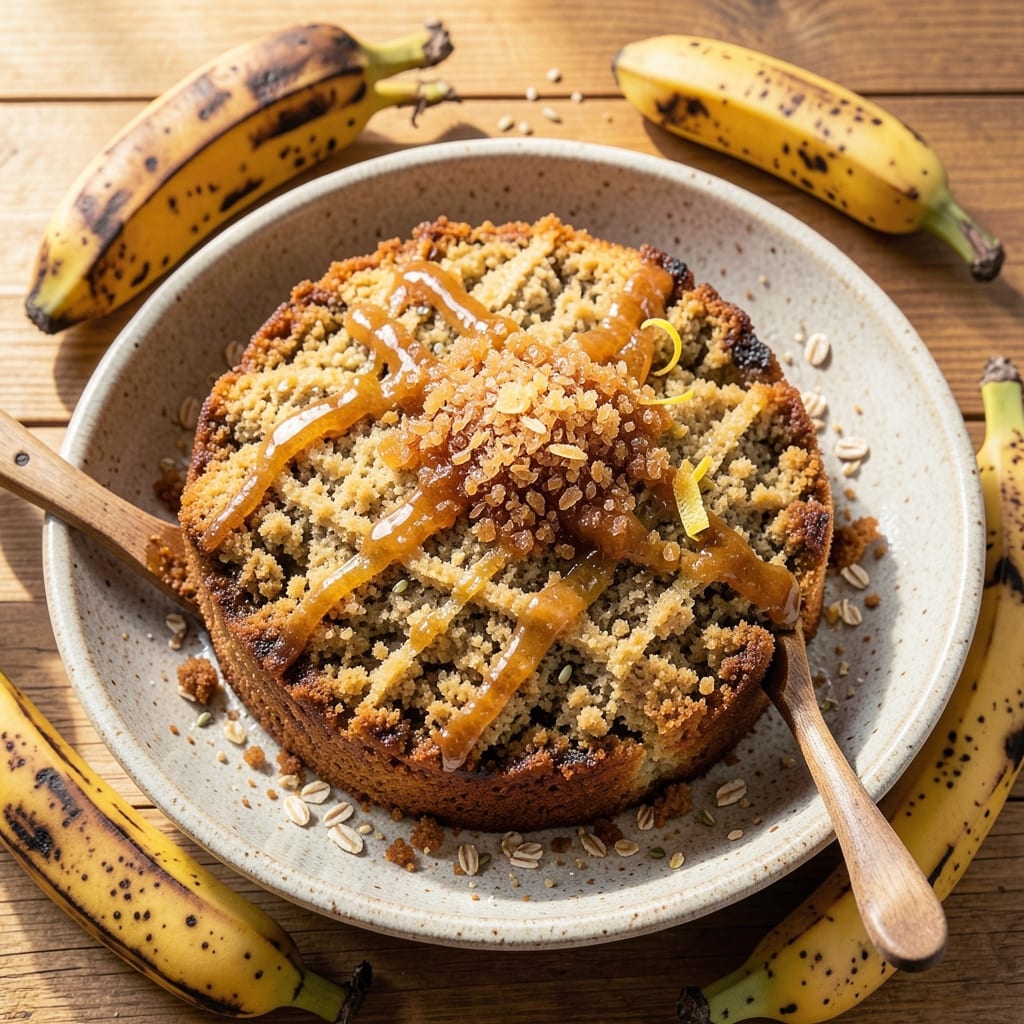
This moist banana cake recipe with oat flour proves that gluten-free baking can be just as rich and satisfying as traditional recipes. The secret lies in blending oat flour's natural texture with ripe bananas and simple plant-based ingredients to create a tender, flavorful cake that crumbles perfectly. I developed this recipe after years of perfecting vegan desserts, and it never fails to impress—even with picky eaters.
The beauty of oat flour is its ability to absorb moisture while maintaining a light, airy crumb. Unlike refined flours, it adds subtle nuttiness that complements the natural sweetness of bananas without overpowering them. This recipe uses a foolproof method with minimal ingredients—no fancy techniques required—just a few simple steps that yield a cake so moist it stays fresh for days.
What you’ll end up with is a cake that’s perfectly balanced: tender yet sturdy, sweet but not cloying, and packed with the comforting flavors of home. The oat flour gives it a subtle earthiness that pairs beautifully with vegan toppings like coconut yogurt frosting or a drizzle of nut butter. It’s the kind of dessert that feels indulgent yet wholesome—ideal for breakfast, brunch, or a guilt-free treat.
Whether you’re baking for a crowd or just craving a slice, this recipe delivers restaurant-quality results with minimal effort. The best part? It’s naturally gluten-free, vegan-friendly, and packed with fiber from the oat flour. Let’s get baking!
Ingredients for banana cake recipe with oat flour
Simple plant-based ingredients transform into a restaurant-quality banana cake with oat flour's magic.
| Ingredient | Amount | Notes |
|---|---|---|
| Ripe Bananas 🍌 | 2 cups | Mashed, about 3 medium bananas |
| Oat Flour 🌾 | 2 cups | Blended from old-fashioned oats |
| Coconut Sugar 🍯 | ¾ cup | Or maple syrup for liquid sweetness |
| Extra-Virgin Olive Oil 🫒 | ½ cup | Lightly fruity for subtle flavor |
| Unsweetened Almond Milk 🥛 | 1 cup | Vanilla-flavored preferred |
| Ground Flaxseed 🌱 | 2 tbsp | For egg substitute, mixed with 6 tbsp water |
| Baking Powder 🍞 | 2 tsp | Aluminum-free for best texture |
| Baking Soda 🍞 | ½ tsp | Ensures proper rise |
| Ground Cinnamon 🌿 | 1 tsp | Freshly ground preferred |
| Salt 🧂 | ½ tsp | Fine sea salt preferred |
| Pure Vanilla Extract 🌸 | 1 tbsp | Bourbon or Madagascar preferred |
| Chopped Walnuts 🥜 | ½ cup | Optional for texture contrast |
| Coconut Yogurt 🥥 | ½ cup | For optional glaze, optional |
The oat flour is the star here—Bob's Red Mill or Anthony's brands yield the best texture. Look for old-fashioned oats (not quick oats) to blend into flour, as they create a lighter crumb. Ripe bananas are non-negotiable; their natural sweetness balances the earthiness of the oat flour. Costco often has bulk organic bananas at a better price, but any grocery store's produce section works. For the flaxseed, Bob's Red Mill organic ground flax is my go-to—it's finely ground and absorbs perfectly. The coconut sugar adds caramel notes without the harshness of refined sugar, but maple syrup works beautifully if you prefer liquid sweetness.
No ripe bananas? Frozen bananas thawed and mashed work perfectly—they're often cheaper and last longer. Substituting the almond milk? Oat or soy milk maintains the cake's moisture. For the flax egg, chia seeds (1 tbsp chia + 3 tbsp water = 1 egg) are a great alternative. The walnuts add crunch, but pecans or toasted pumpkin seeds work equally well. If you're avoiding coconut, cashew yogurt makes a fine glaze substitute. The baking powder and soda must be fresh—if your stash is over 6 months old, replace them for proper rise. For extra moisture, 1 tbsp applesauce can be added to the batter.
This cake stays moist for 5-6 days when wrapped tightly in plastic at room temperature. For longer storage, freeze individual slices between parchment paper for up to 3 months. The coconut yogurt glaze should be made fresh before serving, but the cake itself reheats beautifully in the microwave for 15-20 seconds to restore its softness. I always bake two 9-inch rounds—one for immediate enjoyment and one for freezing. The oat flour's fiber content means this cake satisfies hunger better than traditional cakes, making it perfect for breakfast or a mid-afternoon treat.
Why You'll Love This Recipe
- No Mixer Needed: I swear by this—just mash those bananas, stir in the oat flour and coconut sugar, then pour. The olive oil keeps it moist without a single whisk stroke. Honestly, my blender’s been jealous of how little I use it for this.
- Naturally Sweet & Warm: That caramelized coconut sugar? It’s like a hug in cake form, but the oat flour gives it a subtle nuttiness that balances the banana’s sweetness. (Yes, even on a Tuesday night, this tastes like you put in effort.)
- Breakfast or Dessert: Slice it thin for pancakes or serve it warm with almond milk—it’s that flexible. I’ve even packed it in lunchboxes (the kids fight over it) and topped it with peanut butter for an after-school snack. No rules here.
- Pantry Staples Only: Oat flour, ripe bananas, and coconut sugar? You’re probably already stocked. The almond milk keeps it light, and the olive oil adds richness without breaking the bank. Leftovers? They disappear faster than I can say “second slice.”
Step-by-step instructions for banana cake with oat flour
Here's the method for a perfectly moist, gluten-free banana cake with a tender crumb.
Prepare the Flax Egg Substitute
In a small bowl, combine the 2 tablespoons ground flaxseed with 6 tablespoons unsweetened almond milk. Stir vigorously and let sit for 10 minutes until it thickens into a gel-like consistency. This flax egg acts as the binder in our gluten-free batter, replacing traditional eggs while maintaining structure.
I always check the consistency by tilting the bowl—it should hold its shape when poured slowly. If it's still runny after 10 minutes, add another 1 teaspoon flaxseed and wait another 5 minutes. The flax mixture should be thick but still pourable, ensuring proper binding without making the cake dense.
Mix Wet Ingredients for Proper Texture
In a large mixing bowl, mash the 2 cups ripe bananas until completely smooth, with no visible lumps. Add the 0.5 cup extra-virgin olive oil, the thickened flax egg mixture, and the 1 tablespoon pure vanilla extract. Whisk until fully combined—this creates the moist base that makes this cake uniquely tender.
Next, add the 0.75 cup coconut sugar and mix thoroughly. The sugar should dissolve completely, creating a smooth, slightly syrupy mixture. This step ensures even distribution of sweetness and prevents grainy pockets. If using maple syrup instead of coconut sugar, reduce the almond milk by 2 tablespoons to maintain proper batter consistency.
Combine Dry Ingredients for Light Structure
In a separate bowl, sift together the 2 cups oat flour, 2 teaspoons baking powder, 0.5 teaspoon baking soda, 1 teaspoon ground cinnamon, and 0.5 teaspoon salt. This pre-mixing prevents lumps and ensures even distribution of leavening agents throughout the batter.
With the mixer on low speed, gradually add the dry ingredients to the wet mixture. Mix just until combined—overmixing develops gluten in the oats, which can make the cake dense. Stop mixing as soon as you see a uniform batter with no dry spots. The oat flour gives this cake its distinctive texture, so handle it gently to preserve its natural properties.
Fold in Walnuts and Bake to Golden Perfection
Gently fold in the 0.5 cup chopped walnuts using a spatula, being careful not to deflate the batter. Pour the mixture into a 9-inch round cake pan lined with parchment paper and lightly greased with olive oil. The walnuts add delightful texture contrast while keeping the cake moist.
Bake in a preheated 350°F oven for 35-40 minutes, or until a toothpick inserted in the center comes out clean with just a few moist crumbs. The cake should be golden brown on top and spring back slightly when pressed gently in the center. For even baking, rotate the pan halfway through the baking time.
Optional Coconut Yogurt Glaze and Cooling
While the cake cools, prepare the optional glaze by whisking the 0.5 cup coconut yogurt with 1 tablespoon coconut sugar until smooth. Drizzle this over the warm cake immediately after removing it from the oven. The glaze adds a subtle tangy sweetness that complements the banana flavor beautifully.
Allow the cake to cool in the pan for 15 minutes, then transfer to a wire rack to cool completely. This cooling period is crucial—it allows the cake to set properly while maintaining its moist texture. Serve at room temperature for the best experience, with the glaze slightly melted from the residual heat.
Pro Tips For Making Banana Cake Recipe With Oat Flour
- Mash Bananas First: The second you peel those bananas, smash them with a fork—no blender needed. I learned this the hard way after blending them into a gluey mess that made my cake dense. A fork gives you control, and you’ll see the natural sweetness release better.
- Use Warm Almond Milk: Pour your unsweetened almond milk into a small saucepan and heat it until it’s just warm to the touch (not hot). This helps the coconut sugar dissolve faster and makes the batter smoother—no clumps in your cake. Trust me, your future self will notice the difference.
- Grease with Olive Oil: Skip the butter or spray oil—this cake deserves the real deal. Brush the pan with extra-virgin olive oil and line it with parchment paper for easy release. The oil adds richness, and the parchment keeps the cake from sticking like glue, especially since oat flour can be finicky.
- Bake Until Springy: Check for doneness at 325°F (160°C) by pressing the center—it should bounce back slowly, not feel gummy. Oat flour cakes can taste underdone if you pull them too soon, but overbaking turns them dry. A toothpick test works too, but don’t rely on it alone.
Wine and beer pairings for these flavors
White Wine Pairings
For this banana cake, a dry Riesling from Germany is my go-to choice—its crisp acidity and subtle honeyed notes cut through the cake's richness while complementing the banana's natural sweetness. Look for a Kabinett-level Riesling like Dr. Loosen Blue Slate; its mineral finish balances the oat flour's earthiness beautifully. Serve it slightly chilled (45-50°F) to enhance its refreshing qualities. 🍷
Sparkling Wine Contrast
A demi-sec sparkling wine like Moët & Chandon Impérial adds a luxurious touch to your dessert table. The effervescence cleanses your palate between bites, while the slight sweetness harmonizes with the cake's caramelized banana flavors. For a budget-friendly option, try Laurent-Perrier Brut Réserve—its crisp acidity pairs perfectly with the cake's moist texture.
Beer Options
If you prefer beer, a Belgian witbier like Hoegaarden or Stella Artois Wit is ideal. The citrusy coriander notes and light effervescence mirror the cake's bright banana flavor while the subtle sweetness enhances the coconut sugar. For a darker option, try a light Belgian ale like Leffe Blonde—its malty sweetness complements the walnuts beautifully.
Coffee Pairing
For a post-dinner treat, serve this cake with a medium-roast coffee like Peet's Major Dickason's Blend. The coffee's nutty, chocolatey notes enhance the cake's caramelized banana flavors while providing a satisfying contrast. A small cup of coffee after each slice helps balance the cake's sweetness without overpowering it. ☕
Seasonal Adaptations
In summer, pair this cake with a sparkling rosé like Whispering Angel—its berry notes create a delightful contrast with the banana's tropical sweetness. For fall, a dry Gewürztraminer from Alsace adds spice and floral notes that complement the cake's cinnamon warmth. Always chill your wine slightly (50-55°F) for the best experience. 🍇
Nutrition facts
Frequently asked questions
Why does this banana cake use oat flour instead of regular flour?
Oat flour creates a naturally gluten-free, moist texture that absorbs moisture beautifully while adding subtle nuttiness. Unlike refined flours, it keeps the cake tender longer without drying out. The fiber content also makes this cake more satisfying and perfect for breakfast or snacks.
Can I make this cake without the flax egg substitute?
Yes! For a flax-free version, try 1 tbsp chia seeds + 3 tbsp water (mixed and rested for 10 minutes) or ¼ cup unsweetened applesauce as a binder. The cake will still hold together, though the texture may be slightly denser. Adjust other liquids by 1 tbsp if using applesauce.
How do I fix a cake that's too dense or dry?
If your cake turns out dense, check these fixes: 1) Ensure your bananas are ripe (not firm). 2) Don't overmix the batter—oat flour develops gluten when overworked. 3) For dryness, try adding 2 tbsp almond milk to the batter before baking. The oat flour absorbs moisture quickly, so proper ripeness is key!
What's the best way to store banana cake with oat flour?
Wrap tightly in plastic wrap and store at room temperature for 5-6 days, or freeze slices for up to 3 months. The oat flour keeps it moist longer than traditional cakes. To reheat, microwave a slice for 15-20 seconds—it'll taste fresh-baked!
Can I add chocolate chips or nuts other than walnuts?
Try dark chocolate chips (add ½ cup), pecans, or pumpkin seeds for different textures. For chocolate, reduce coconut sugar by 1 tbsp to balance sweetness. Fold in gently after mixing wet/dry ingredients to avoid deflating the batter.