
Desserts
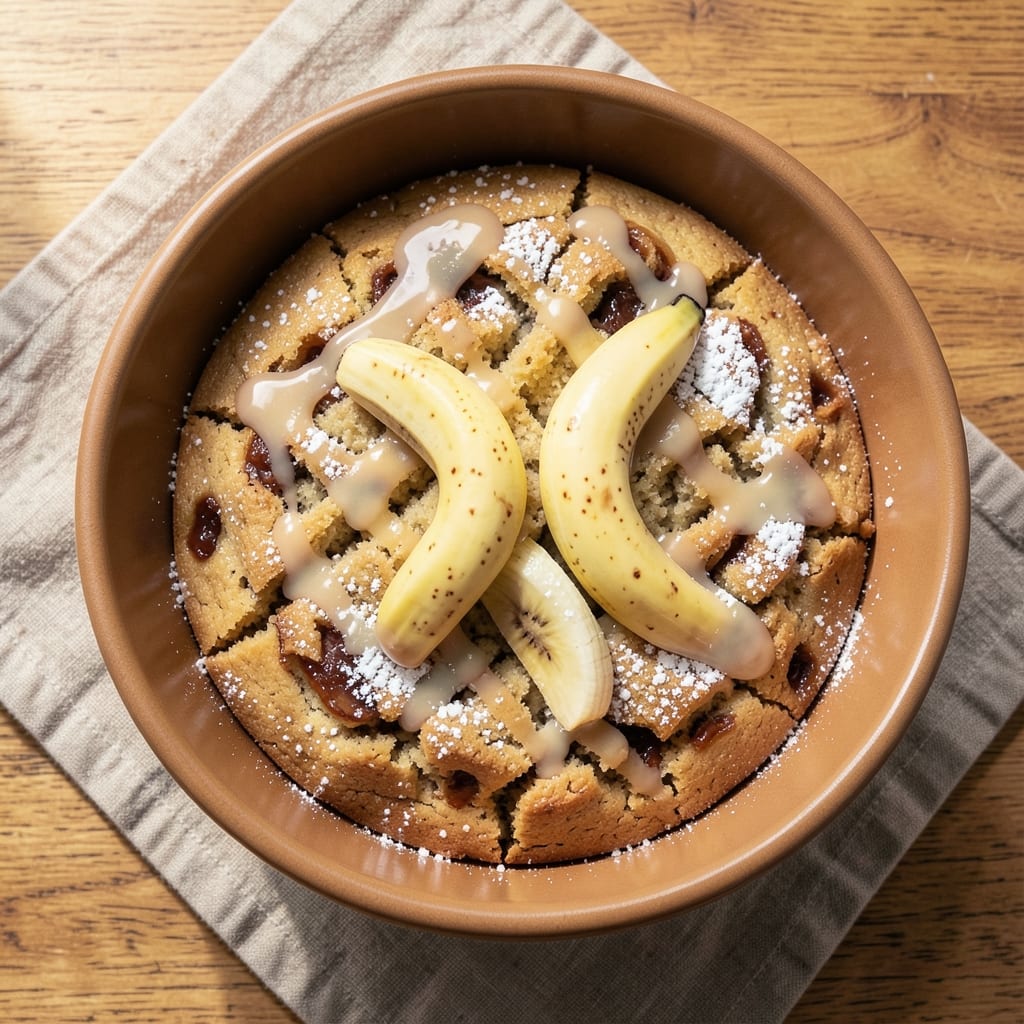
This banana cake recipe with cake flour delivers ultra-moist layers that stay tender for days, thanks to the secret ingredient that transforms ordinary banana cake into something extraordinary. The fine texture of cake flour creates a delicate crumb while absorbing moisture from the ripe bananas, resulting in a cake that's light yet rich—no dry bites here. I perfected this version after years of testing, and the golden crunch on top makes it impossible to resist cutting into a second slice.
What sets this recipe apart is the balance of ingredients: ripe bananas provide natural sweetness, while cake flour ensures that signature tender crumb home bakers crave. The addition of a simple streusel topping adds that coveted golden crunch without overpowering the cake's delicate texture. This isn't your grandmother's banana cake—it's a foolproof recipe that delivers restaurant-quality results every time, with minimal effort.
By the time it emerges from the oven, you'll have a cake with moist layers that crumble just enough to reveal that perfect balance between tenderness and structure. The aroma alone will have everyone gathering in the kitchen, and the first bite delivers on that promise of moist, flavorful perfection. Whether you serve it plain or with a light vanilla glaze, this cake is designed to impress without requiring advanced baking skills.
Perfect for birthdays, potlucks, or simply satisfying a sweet tooth, this banana cake adapts effortlessly to dietary needs—just swap the butter for oil or use a dairy-free frosting if needed. The recipe scales beautifully, so you can easily double it for gatherings. Let's get started on creating this showstopper that tastes even better the next day.
Ingredients for banana cake recipe cake flour
Cake flour transforms ordinary banana cake into ultra-moist perfection with golden crunch.
| Ingredient | Amount | Notes |
|---|---|---|
| Ripe Bananas 🍌 | 3 medium | Mashed, about 1.5 cups |
| Cake Flour 🌾 | 2 cups | Plus 2 tbsp for streusel |
| Granulated Sugar 🍚 | 1 ½ cups | Divided for cake and streusel |
| Unsalted Butter 🧈 | 1 cup | Softened, not melted |
| Large Eggs 🥚 | 2 whole | Room temperature |
| Vanilla Extract 🌿 | 2 tsp | Pure extract preferred |
| Baking Soda 🧂 | 1 tsp | Freshly opened |
| Salt 🧂 | ½ tsp | Fine sea salt |
| Milk 🥛 | ½ cup | Any kind works |
| Oats 🌾 | 1 cup | Old-fashioned, rolled |
| Brown Sugar 🍚 | ½ cup | Packed, for streusel |
| Chopped Walnuts 🥜 | ½ cup | Optional for crunch |
| Powdered Sugar 🍚 | ¼ cup | For glaze (optional) |
| Lemon Juice 🍋 | 1 tbsp | Freshly squeezed |
The cake flour here is non-negotiable—it's what gives this cake that signature tender crumb. Bob's Red Mill or King Arthur are my go-tos, but any quality brand works. Look for vibrant color and no lumps. Ripe bananas are key—black speckles mean perfect sweetness. If you can't find ripe ones, let them sit on the counter for a day or two. The butter should be soft but not melted—room temperature is crucial. For the streusel, oats add texture while brown sugar brings caramel notes. Walnuts are optional but add that satisfying crunch.
No cake flour? All-purpose flour plus 2 tbsp cornstarch gets you close, though texture won't be identical. Short on butter? Applesauce or coconut oil works in a pinch, though texture may vary slightly. The milk can be dairy-free if needed—almond or oat milk works perfectly. For the glaze, powdered sugar should be sifted to avoid lumps. Want extra moisture? Add 1 tbsp sour cream to the batter. The lemon juice brightens the flavors—fresh is best, but bottled works too. If your bananas aren't sweet enough, add 1 tbsp maple syrup to the batter.
Store leftovers in an airtight container for up to 5 days at room temperature, though it's best eaten within 2 days. For longer storage, freeze slices wrapped in plastic for up to 3 months. The streusel topping stays crisp for about 3 days before softening slightly. I always make a double batch—this cake reheats beautifully in the microwave for 15-20 seconds to restore that warm, moist texture. The glaze sets quickly, so assemble the cake just before serving.
Why You'll Love This Recipe
- Here’s what sold me: cake flour’s secret texture—lighter than all-purpose, with that tender crumb you can’t get otherwise. The butter and sugar melt into it like a dream, while the eggs bind it just enough to stay perfectly soft.
- No Overripe Waste: I swear by this recipe when my bananas turn brown—I mash them right up and they disappear into something magical. That natural sweetness means no sad fruit going to waste, just pure, moist cake that tastes like summer.
- Cake Flour Magic: Here’s what sold me: cake flour’s secret texture—lighter than all-purpose, with that tender crumb you can’t get otherwise. The butter and sugar melt into it like a dream, while the eggs bind it just enough to stay perfectly soft.
- Breakfast or Dessert: Honestly, this cake works for both. Serve it warm with a drizzle of honey for pancake vibes, or dust it with powdered sugar for a dessert that’s still simple. My kids grab slices for school lunches—no judgment.
Step-by-step instructions for banana cake with cake flour
Here's how to create a tender, moist banana cake with a crunchy oat topping—every layer perfect.
Prepare the Banana Mixture and Cake Batter
Mash the 3 medium ripe bananas until completely smooth with no lumps—this ensures an even texture. In a large mixing bowl, combine the mashed bananas, 1 cup softened unsalted butter, and ½ cup of the 1.5 cups granulated sugar. Whisk until fully blended and creamy.
Add the 2 whole large eggs one at a time, whisking well after each addition. Stir in the 2 teaspoons vanilla extract, ½ teaspoon salt, and 1 teaspoon baking soda. The batter will be thick but smooth. In a separate bowl, whisk together the 2 cups cake flour and the remaining 1 cup granulated sugar. Gradually fold the dry ingredients into the wet mixture until just combined—overmixing develops gluten and makes the cake dense.
Add Milk and Fold Gently
Pour in the ½ cup milk and fold it in using a spatula, mixing just until no dry streaks remain. The batter should be thick but pourable. Here's the thing—don't overmix. A few small lumps are fine; they'll disappear during baking. This gentle folding preserves the cake's tender crumb.
Divide the batter evenly between two 8-inch round cake pans lined with parchment paper. Smooth the tops with a spatula. Bake at 350°F for 25-30 minutes, or until a toothpick inserted in the center comes out clean. The edges should be golden, but the center should still look slightly underdone—it firms up as it cools.
Make the Oat Streusel Topping
While the cake bakes, prepare the streusel topping in a medium bowl. Combine the 1 cup old-fashioned oats, ½ cup packed brown sugar, 2 tablespoons of the 2 cups cake flour (reserved earlier), and ½ cup chopped walnuts (if using). Cut in the 1 cup softened unsalted butter with a fork or pastry cutter until the mixture resembles coarse crumbs with pea-sized butter pieces.
Sprinkle the streusel evenly over the hot cake pans right after removing them from the oven. Return the pans to the oven for 5-7 minutes to toast the topping until it's golden brown and fragrant. This step adds that signature crunchy contrast to the moist cake layers.
Cool and Glaze (Optional)
Let the cakes cool in their pans for 10 minutes, then transfer to a wire rack to cool completely. For the optional glaze, whisk together the ¼ cup powdered sugar and 1 tablespoon freshly squeezed lemon juice until smooth. Drizzle evenly over the cooled cake layers.
The lemon glaze adds brightness and balances the sweetness, while the fully cooled cake ensures clean slices. Store leftovers covered at room temperature for up to 3 days or refrigerate for up to 5 days. The texture remains moist—no dry crumbs here.
Pro Tips For Making Banana Cake Recipe Cake Flour
- Mash Bananas Early: Don’t wait until the last second to mash those bananas—do it first thing. The longer mashed bananas sit, the more water they release, turning your batter into a sad, soupy mess. If you’re short on time, pop them in the fridge for 10 minutes after mashing to thicken them up a bit.
- Sift Cake Flour Twice: Cake flour is finicky—it clumps like it’s holding a grudge. Sift it once before mixing, then sift it again right before folding it into the wet ingredients. This keeps your cake light and fluffy instead of dense and heavy. (Yes, it’s extra work, but trust me on this.)
- Butter Should Be Cool: If your butter’s still warm from the fridge, let it sit for 10 minutes before creaming it with sugar. Warm butter melts faster than you can mix, and suddenly you’re dealing with a greasy, uneven batter. Room temp butter is the goldilocks zone—soft but not liquid.
- Check Doneness with a Toothpick: Skip the "eyeballing it" game—insert a toothpick into the center. If it comes out clean (or with just a few moist crumbs), pull it out. If it’s wet with batter, give it 5 more minutes. Overbaking dries out banana cake faster than a summer day in Arizona.
Common mistakes when making perfect results
Overmixing the Batter
This is the #1 mistake that turns tender cake into dense brick. Cake flour creates delicate layers, but once you overmix, gluten develops and ruins that signature crumb. Stop mixing as soon as the batter comes together—just a few small lumps are fine and will disappear during baking. I've ruined many cakes by whisking too long, so trust the process: fold until combined, then stop. 💫
Skipping the Room-Temp Butter
Cold butter creates pockets of steam in the oven, leading to tunnels in your cake. Always use butter that's soft but not melted—press your finger in it and leave a slight indent. I keep my butter on the counter for 1-2 hours before baking, or microwave it for 10 seconds if I'm in a hurry. Never use melted butter in this recipe unless you want a denser texture.
Underbaking or Overbaking
The perfect doneness happens when a toothpick comes out with a few moist crumbs, not wet batter. Overbaking dries out the cake, while underbaking leaves it gummy. I pull mine at 25-30 minutes, then let it rest 10 minutes in the pan before transferring. The center will firm up as it cools—don't rush this step! The streusel topping needs that warm base to crisp properly.
Using All-Purpose Flour
Cake flour's protein content is only 7-9%, while all-purpose has 10-12%. That extra protein develops gluten, making cakes tough. If you must substitute, mix 1¾ cups all-purpose flour with 2 tbsp cornstarch, but expect slightly denser results. I've tested this substitution and still get decent results, but the texture won't be as tender. For true perfection, stick with cake flour—it's worth the investment.
Ignoring the Streusel Timing
Adding streusel to cold pans means it won't crisp properly. The heat from freshly baked cake is what toasts the oats to golden perfection. I always sprinkle it right after removing the cake from the oven, then return it for just 5-7 minutes. This quick second bake is what gives that satisfying crunch contrast to the moist cake layers. Skipping this step means a soft topping instead of the perfect texture we want.
Not Letting the Cake Cool
Cutting into warm cake causes it to crumble and lose its structure. The moisture needs time to redistribute and set properly. I always let cakes cool completely in their pans for 10 minutes, then transfer to a wire rack. This patience pays off with clean slices and proper texture. Trust me, the wait is worth it for that perfect first bite. 🍌
Nutrition facts
Frequently asked questions
Why does cake flour make this banana cake so moist?
Cake flour has a lower protein content (7-9%) than all-purpose flour, which means it develops less gluten during mixing. This creates a delicate, tender crumb that absorbs and retains moisture beautifully—especially from the ripe bananas. The fine texture also helps distribute the liquid evenly throughout the cake, preventing dry spots.
Can I make this recipe in a single 9-inch pan instead of two 8-inch pans?
Yes, but reduce the baking time to 30-35 minutes at 350°F. A single layer will bake slightly faster, and the edges may brown sooner. For even cooking, place the pan on the middle rack and rotate halfway through. The cake will be slightly denser than two thin layers, but still delicious.
How do I know when my bananas are ripe enough for this cake?
Look for bananas with black speckles and slightly soft spots when gently squeezed. The peel should yield to gentle pressure but not be mushy. Ripe bananas are sweeter and break down more easily, creating a smoother batter. If yours aren't ripe enough, let them sit at room temperature for 1-2 days until they develop those telltale spots.
What can I substitute if I don't have cake flour?
Mix 1¾ cups all-purpose flour with 2 tablespoons cornstarch to mimic cake flour's properties. This substitution works in a pinch but won't be as tender. For extra moisture, add 1 tablespoon sour cream to the batter. The cake will still be good, though the crumb will be slightly denser.
Can I make this cake gluten-free?
Yes! Use a 1:1 gluten-free cake flour blend (like Bob's Red Mill) and add ½ teaspoon xanthan gum to the dry ingredients. Replace the oats with certified gluten-free rolled oats, and check that your baking powder is gluten-free. The texture will be slightly different but still delicious. Always test your gluten-free flour blend first to ensure proper rising.