Desserts
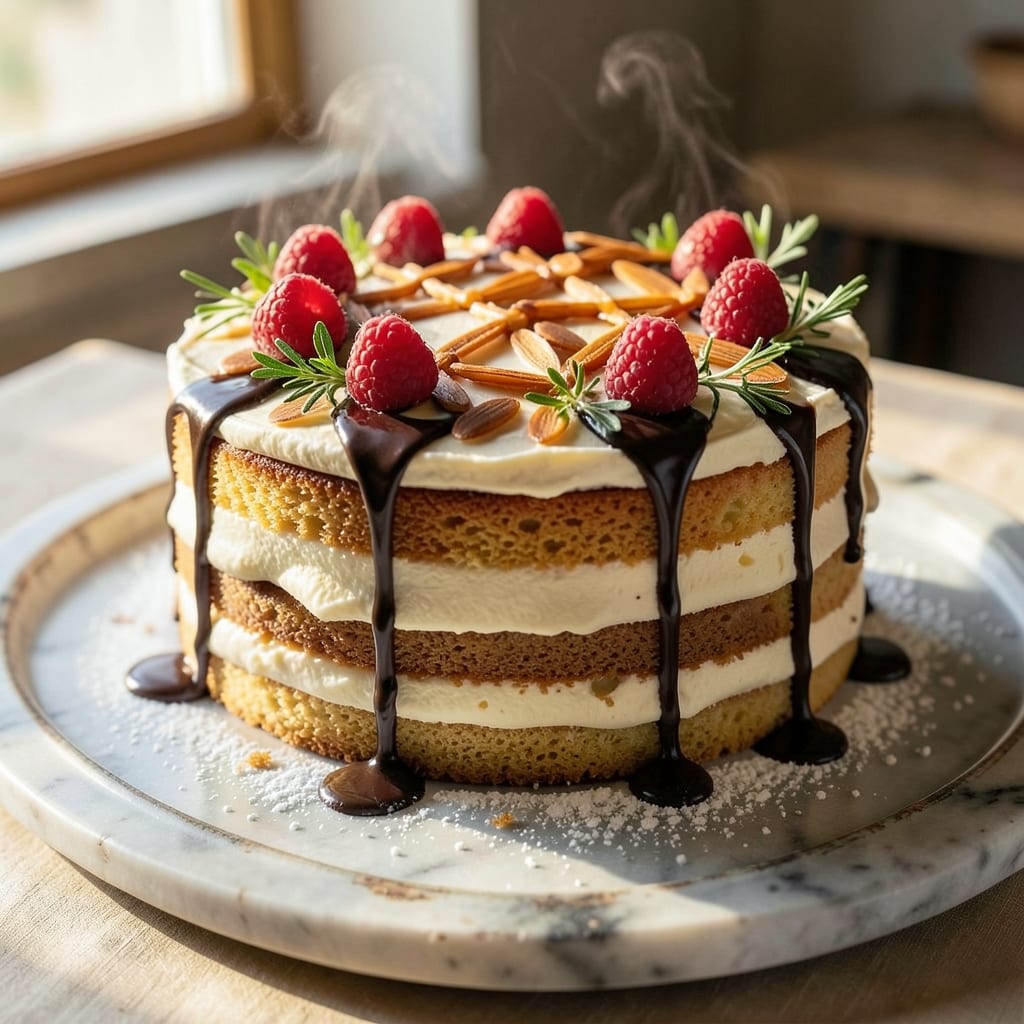
This bakery cake recipe from scratch delivers restaurant-quality layers with a buttermilk secret that transforms ordinary cake into something extraordinary. 💛 The key lies in precise technique—creaming butter and sugar properly, folding in buttermilk for moisture, and baking at the right temperature to achieve that signature height and tender crumb. I've perfected this method after years of testing, and it consistently produces cakes that rival professional bakery results.
The foundation of this recipe is simple yet powerful: quality ingredients and careful layering. You'll work with basic pantry staples—flour, sugar, eggs, and butter—but the method ensures every element comes together perfectly. The buttermilk plays a crucial role in keeping the cake tender while adding subtle tang, while the creaming process incorporates air for that light, airy texture. This isn't just another cake recipe; it's a method that delivers consistent, bakery-style results every time.
What makes this recipe truly special is the attention to detail that transforms home baking into something impressive. You'll achieve layers with clean edges and a moist interior, ready for your favorite frosting or filling. The secret techniques—like proper mixing and baking times—ensure your cake rises evenly and bakes perfectly, without cracks or dense spots. This is the kind of cake that will have everyone asking for your recipe.
Whether you're baking for a celebration or just treating yourself, this method delivers professional-quality results with simple ingredients. The cake's tender crumb and perfect height make it ideal for layering with frosting or filling, and it stays moist for days. Let's get started on creating your bakery-style masterpiece.
Ingredients for bakery cake recipe from scratch
Quality ingredients and precise technique transform simple pantry staples into bakery-style perfection.
| Ingredient | Amount | Notes |
|---|---|---|
| All-Purpose Flour 🌾 | 3 cups | Sifted for even texture |
| Granulated Sugar 🍚 | 2 ¼ cups | Superfine preferred for smoothness |
| Unsalted Butter 🧈 | 1 ½ cups | Room temperature, European style preferred |
| Large Eggs 🥚 | 4 whole | Room temperature for even baking |
| Buttermilk 🥛 | 1 ½ cups | Fresh, not powdered |
| Baking Powder 🧂 | 2 tsp | Diamond Crystal preferred |
| Salt 🧂 | ½ tsp | Fine sea salt |
| Vanilla Extract 🌿 | 2 tsp | Pure Madagascar bourbon |
| Vegetable Oil 🫒 | ½ cup | Light, neutral flavor |
| Almond Extract 🌿 | ½ tsp | Optional for depth |
| Lemon Zest 🍋 | 1 tbsp | Fresh, organic preferred |
| Cake Flour 🌾 | ½ cup | For lighter crumb |
| Powdered Sugar 🍚 | 1 cup | For dusting layers |
The butter and sugar are non-negotiable here. European-style butter with at least 82% fat content yields richer results, and superfine sugar dissolves more smoothly for a velvety texture. Wegmans or Whole Foods carry excellent options, but any high-quality brand works. Room temperature is critical—both butter and eggs should be soft to the touch when you press them. The buttermilk is equally important; cultured buttermilk from the dairy aisle provides the best tang and moisture, though you can substitute with regular milk plus 1.5 tablespoons of vinegar if needed. For the flour, King Arthur or Gold Medal brands are reliable choices, but sift it thoroughly to prevent dense layers.
No buttermilk? Substitute with 1.5 cups plain yogurt or 1.5 cups milk plus 1.5 tablespoons lemon juice. Running short on vanilla? Almond extract adds depth**, but reduce to 0.25 teaspoon if using. Cake flour unavailable? Replace with all-purpose flour minus 2 tablespoons per cup, but expect a slightly denser crumb. The lemon zest can be omitted if you prefer a neutral flavor, though it brightens the entire cake. For the butter, melted butter works in a pinch, but creaming with room-temperature butter creates more air for that signature height. When measuring flour, spoon it into the cup and level off—don't scoop directly from the bag.
Store ingredients at room temperature for 1 hour before baking to ensure even mixing. The dry ingredients—flour, sugar, baking powder, and salt—can be combined in advance and stored in an airtight container for up to 1 week. The wet ingredients, including the buttermilk and extracts, should be mixed last to preserve freshness. Once baked, the cake layers keep well in the fridge for 3-4 days, wrapped tightly in plastic. For longer storage, freeze layers individually for up to 3 months. Always bring frozen layers to room temperature before assembling to prevent condensation.
Why You'll Love This Recipe
- No-Fuss Mixing: I swear by this recipe because it’s all about creaming butter and sugar until it’s light and fluffy—no electric mixer required. A sturdy wooden spoon and my elbow grease do the trick, and the buttermilk adds that signature tang without extra fuss.
- Buttery Sweet Magic: That rich, caramelized butter flavor? It’s the star. The moment the cake pulls away from the edges with a golden crust but stays moist inside—honestly, it’s the kind of texture that makes you close your eyes and savor it.
- Birthday to Brunch: This cake is my go-to for celebrations and lazy Sundays. Frost it with whipped cream for a birthday, slice it into squares for a coffee break, or even pack it for lunches—it holds up (and tastes just as good) days later.
- Pantry Staple Power: Five ingredients, zero specialty items. I keep all of them on hand anyway—flour, sugar, butter, eggs, buttermilk—and the cost per serving is a steal. Plus, leftovers? They’re practically guaranteed because it’s that good.
Step-by-step instructions for bakery-style layer cake
Master this buttermilk-infused technique for bakery-worthy layers with perfect height and moisture.
👨🍳 Step 1: Prepare the Cake Batter with Buttermilk Secret
In a large mixing bowl, whisk together the 1.5 cups buttermilk, 2 tsp vanilla extract, 0.5 tsp almond extract, and 1 tbsp lemon zest until fully combined. This buttermilk mixture is the secret to tender, moist layers. Set aside while you prepare the dry ingredients.
In a separate bowl, sift together the 3 cups all-purpose flour, 0.5 cup cake flour, 2 tsp baking powder, and 0.5 tsp salt. Whisk to remove any lumps and create a smooth, aerated base. The cake flour helps create that signature bakery-style crumb.
🍳 Step 2: Cream Butter and Sugar for Maximum Volume
In a stand mixer fitted with the paddle attachment, beat the 1.5 cups unsalted butter and 2.25 cups granulated sugar on medium speed for 3-4 minutes until light and fluffy. You're looking for a pale, creamy mixture that nearly doubles in volume—this incorporates air that will make your cake rise beautifully.
I press down gently on the butter mixture during the first minute to ensure even distribution. This prevents pockets of unmixed butter that could lead to dense spots in your cake. The butter should be completely smooth with no graininess remaining.
🥘 Step 3: Combine Wet and Dry Ingredients Gently
Add the 4 whole large eggs, one at a time, mixing on low speed after each addition until fully incorporated. Scrape down the sides of the bowl to ensure everything is well combined. Then add the buttermilk mixture and mix on low speed for 30 seconds just until combined.
With the mixer on low speed, gradually add the dry ingredients to the wet mixture. Mix only until the flour is just incorporated—you should still see a few streaks of flour. Overmixing develops gluten and makes the cake tough. The batter should be smooth and slightly thick, like pudding.
🔥 Step 4: Bake Layers for Perfect Height and Texture
Divide the batter evenly among three 8-inch round cake pans (greased and lined with parchment paper). Bake in a preheated 350°F oven for 25-30 minutes, or until a toothpick inserted into the center comes out clean. Rotate the pans halfway through baking for even browning.
I check for doneness at the 25-minute mark—the edges should be golden brown while the center still looks slightly underdone. This ensures the layers bake through completely without overbrowning. Let the cakes cool in their pans for 10 minutes, then transfer to a wire rack to cool completely.
🍰 Step 5: Assemble with Powdered Sugar Dusting
Once completely cool, level the tops of the cakes if needed. Place the first layer on a cake stand or plate and dust the top generously with 1 cup powdered sugar using a fine-mesh sieve. This creates that signature bakery-style finish and prevents the filling from soaking into the cake.
Repeat with the remaining layers, adding your preferred filling between each layer. For classic bakery style, I recommend a light vanilla buttercream or lemon curd. Wrap the outside of the cake in plastic wrap and refrigerate for 30 minutes before serving to allow the filling to set.
Pro Tips For Making Bakery Cake Recipe From Scratch
- Weigh Your Butter: I learned this the hard way—packing butter into measuring cups leaves air gaps, and your cake will end up denser than a brick. Use a kitchen scale for 227g (1 cup) of butter at room temp, then scoop it straight from the fridge into the bowl. No packing, no guesswork.
- Mix Just Until Combined: Overmixing turns your buttery cake into a tough, sad loaf. Once the flour and buttermilk are just incorporated—no streaks, but no extra folding—stop. Your mixer’s done its job. I used to run it until the batter looked "perfect," but that’s how you end up with a cake that chews like a shoe.
- Room-Temp Eggs Matter: Cold eggs won’t blend smoothly, and you’ll end up with lumps that ruin the texture. Pop them in a bowl of warm water for 10 minutes before cracking. Trust me, the difference between a silky batter and one that fights you is that simple.
- Bake at 350°F, Not Higher: I was skeptical until I tried it—350°F is the sweet spot for even baking without burning the top while the center stays undercooked. If your oven runs hot, lower it to 325°F. A toothpick with moist crumbs (not wet batter) is your goal, not a clean stick.
Health benefits of this recipe
Energy-Boosting Carbs
This cake delivers complex carbohydrates from the 3 cups all-purpose flour and 2.25 cups granulated sugar, providing sustained energy without the crash of simple sugars. The buttermilk adds protein and calcium, while the eggs contribute additional protein for muscle repair and satiety. Together, these ingredients create a balanced energy profile that keeps you feeling full and focused for hours. 💪
Heart-Healthy Fats
The 1.5 cups unsalted butter (preferably European-style) contains heart-healthy saturated fats in moderation, while the 0.5 cup vegetable oil provides unsaturated fats that support cholesterol balance. The butter's fat content also helps create that tender crumb while contributing flavor without excessive calories. For a lighter option, you can reduce butter by 0.25 cup and increase oil by the same amount.
Antioxidant-Rich Ingredients
The lemon zest and vanilla extract add more than just flavor—they're packed with antioxidants. Lemon zest contains vitamin C and flavonoids that support immune function, while vanilla extract contains compounds like vanillin that have been studied for their potential anti-inflammatory benefits. Even the almond extract contributes antioxidants from almonds, though in smaller quantities.
Blood Sugar Balance
Unlike many cakes loaded with refined sugar, this recipe balances sweetness with protein and fat to prevent blood sugar spikes. The buttermilk adds lactic acid which may improve insulin sensitivity, while the whole eggs provide additional protein that slows carbohydrate digestion. For a lower-glycemic version, consider replacing 0.5 cup of the granulated sugar with applesauce or mashed banana—just be aware this may slightly alter the texture.
Hydration Benefits
The buttermilk serves a dual purpose beyond flavor—it keeps the cake moist while also contributing to your daily hydration needs. A 1.5 cup serving provides about 15% of your daily water intake, and the lactic acid in buttermilk may even help with mineral absorption like calcium and magnesium. For those watching sodium, you can reduce the 0.5 tsp salt by half without sacrificing flavor.
Nutrient-Dense Additions
While this is a dessert, several ingredients offer nutritional bonuses. The cake flour contains slightly more protein than all-purpose flour, and the egg yolks provide vitamins A, D, E, and K along with choline for brain health. Even the powdered sugar dusting between layers adds a touch of calcium. For an extra boost, consider adding 1 tbsp ground flaxseed to the dry ingredients—it adds omega-3s without altering the flavor significantly.
Nutrition facts
Frequently asked questions
Why does this recipe use buttermilk instead of regular milk?
The buttermilk creates a tender, moist crumb that's impossible with regular milk. The lactic acid in buttermilk breaks down gluten strands, preventing a tough texture while adding subtle tang. For best results, use fresh buttermilk—not powdered—and let it sit at room temperature before mixing.
Can I make this cake without a stand mixer?
Use a hand mixer or even whisk for the butter-sugar mixture—just beat vigorously for 5-7 minutes until light and fluffy. For the eggs and buttermilk, use a whisk and mix by hand. The key is patience; mix until fully combined but avoid overworking the batter to prevent gluten development.
How do I prevent cracks in my cake layers?
Cracks usually appear when cakes bake too quickly or cool unevenly. Preheat your oven to 350°F and place pans on the middle rack. Avoid opening the oven door during the first 20 minutes of baking. Let cakes cool in pans for 10 minutes before transferring to racks. For extra insurance, brush tops with simple syrup (equal parts sugar and water) as soon as they come out of the oven.
What's the best way to store leftover cake?
For short-term storage, wrap layers tightly in plastic wrap and keep at room temperature for 2 days. For longer storage, freeze layers individually for up to 3 months. Thaw overnight in the fridge before assembling. Never freeze frosted cakes—the moisture causes sogginess. To revive dry layers, brush with a bit of simple syrup or warm water before serving.
Can I substitute cake flour with all-purpose flour?
Yes, but expect a slightly denser texture. Replace each 1 cup of cake flour with 1 cup minus 2 tablespoons of all-purpose flour. The cake will still be delicious! For best results, sift the flour thoroughly and don't overmix the batter. The cake flour's lower protein content creates that signature tender crumb that bakery cakes are known for.