
Desserts
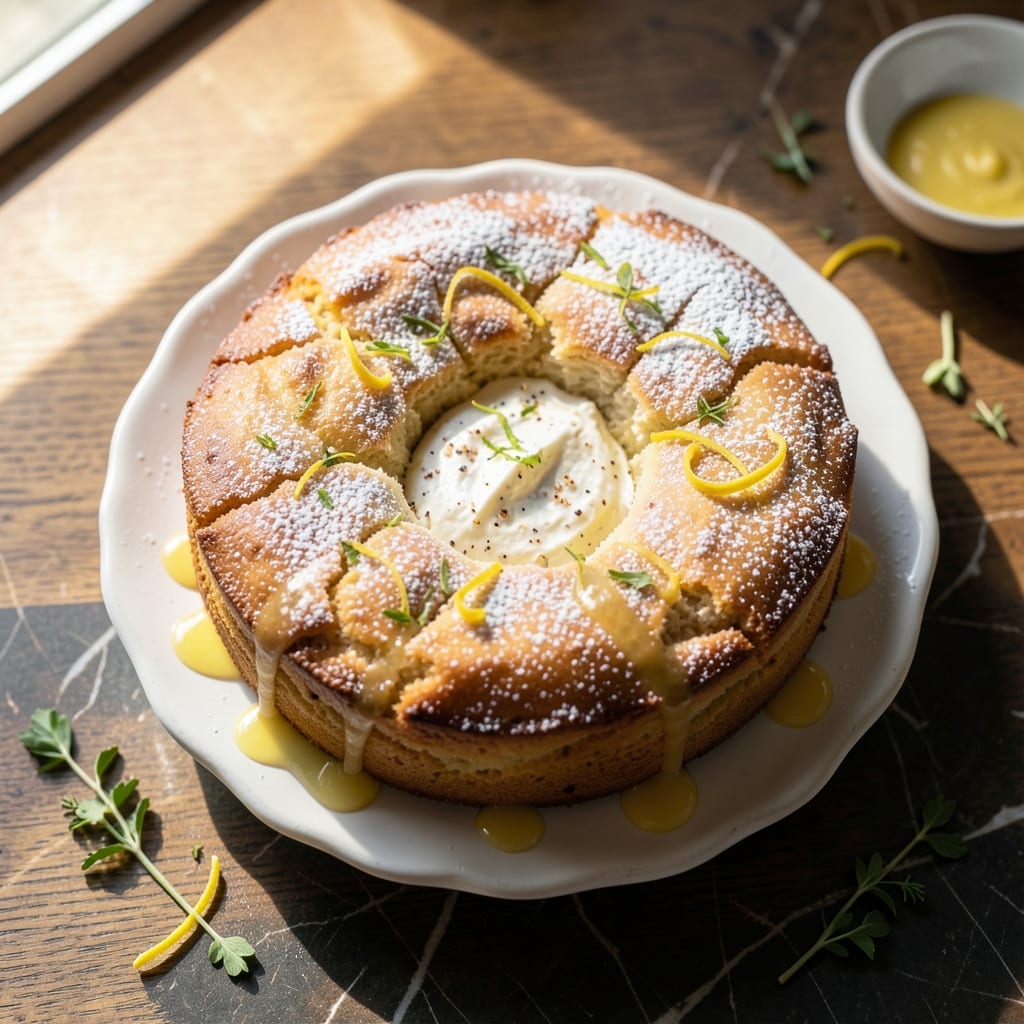
This baked ricotta cake delivers a silky texture and bright citrus notes that transform a simple dessert into something extraordinary. The secret lies in properly draining the ricotta to prevent a gummy crumb—trust me, this step makes all the difference. What starts as a tender, moist cake emerges from the oven with a delicate golden crust and a velvety interior that practically melts in your mouth.
Ricotta's natural creaminess forms the foundation, while lemon zest and juice add that signature citrus brightness that keeps the flavors fresh and vibrant. The cake bakes at a gentle 325°F for about 45 minutes, ensuring even cooking without drying out. What you'll end up with is a dessert that's light enough to feel indulgent yet substantial enough to satisfy any sweet tooth.
Perfect for brunch gatherings or special occasions, this cake pairs beautifully with a dollop of whipped cream or a dusting of powdered sugar. The subtle tang from the ricotta balances the sweetness, creating a flavor profile that's both comforting and sophisticated. Once you try this version, store-bought ricotta cakes won't stand a chance.
For added richness, consider folding in chocolate chips or a layer of lemon curd before baking. The possibilities are endless while maintaining that signature silky texture. Let's get started on creating your perfect slice of Italian-inspired dessert.
Ingredients for baked ricotta cake
Eight essential ingredients craft this velvety ricotta cake with citrus brightness.
| Ingredient | Amount | Notes |
|---|---|---|
| Whole Milk Ricotta Cheese 🧀 | 1 ½ lbs | Part-skim or whole, drained well |
| All-Purpose Flour 🌾 | 2 cups | Sifted, for light texture |
| Granulated Sugar 🍚 | 1 ½ cups | Light brown sugar for depth |
| Unsalted Butter 🧈 | 1 cup | Cold, cubed for even mixing |
| Large Eggs 🥚 | 4 whole | Room temperature for blending |
| Fresh Lemon Zest 🍋 | 2 tbsp | Fine, from organic lemons |
| Fresh Lemon Juice 🍋 | ½ cup | Strained, for brightness |
| Baking Powder 🧂 | 2 tsp | Freshly measured, for lift |
| Salt 🧂 | ½ tsp | Fine sea salt, balanced flavor |
| Vanilla Extract 🌸 | 1 tbsp | Pure, for aromatic depth |
| Powdered Sugar 🍚 | ¼ cup | For dusting, optional garnish |
The ricotta is non-negotiable—part-skim or whole from a trusted brand like Galbani or BelGioioso ensures that signature creaminess. Drain it for 1 hour in a sieve lined with cheesecloth to remove excess moisture, or the cake will turn gummy. For the flour, King Arthur or Gold Medal brands yield the lightest texture. I always grab extra lemon zest—it's the secret weapon behind that signature brightness. Freshly zested lemons pack more punch than bottled zest, and organic lemons tend to have thicker, more vibrant peels. Store-bought lemon juice works in a pinch, but freshly squeezed adds layers of flavor.
No ricotta? Cottage cheese blended until smooth gets you close, though the texture won’t be quite as silky. Running short on vanilla? Almond extract at half the amount adds a lovely depth, though it changes the flavor profile slightly. The baking powder must be fresh—if it's over a year old, replace it entirely for proper lift. For the sugar, light brown adds subtle caramel notes, but white sugar works fine if that's what you have. The butter should be cold when you cream it with the sugar—microwave it 20 seconds to soften if it's rock-hard from the fridge.
This cake keeps beautifully for 3 days wrapped at room temperature, though it's best enjoyed within 24 hours for maximum moisture. For longer storage, slice and freeze portions between parchment paper for up to 3 months. The powdered sugar garnish is optional but adds a professional touch—sift it through a fine-mesh sieve for an even dusting. Store any unused lemon zest in an airtight container in the freezer for up to 6 months—it’s perfect for future desserts or savory dishes.
Why You'll Love This Recipe
- No-Fuss Mixing: The ricotta and eggs blend in one bowl—no fancy sifting or folding. I swear by this: dump the dry ingredients in, stir until just combined, and call it done. The batter’s thick but forgiving, so no stress over overmixing.
- Creamy Yet Crisp: That buttery crust meets a pillowy ricotta center—like a hug for your taste buds. Honestly, the sugar caramelizes just enough to give it a subtle sweetness without being cloying. (Yes, even my kids ask for seconds.)
- Breakfast or Dessert: Serve it warm with a drizzle of honey for brunch, or dust it with powdered sugar for a sneaky sweet treat. I’ve even sliced it into squares for after-school snacks—no one suspects it’s cake until they take a bite.
- Budget-Friendly Leftovers: Uses pantry staples (flour, sugar, butter) and stretches ricotta farther than you’d think. A single batch feeds four for breakfast or turns into six portions for later—no waste, just satisfaction. (My freezer’s full of these.)
Step-by-step instructions for baked ricotta cake
Let's create a cake so tender it melts in your mouth, with bright citrus notes that cut through the richness.
Prepare the Ricotta Mixture
In a large mixing bowl, combine the 1.5 lbs whole milk ricotta cheese with the 1.5 cups granulated sugar. I like to use a hand mixer here for about 2 minutes on medium speed until the mixture becomes pale and smooth. This step is crucial—it ensures the ricotta is fully incorporated with the sugar, which helps create that signature silky texture.
Next, add the 4 whole large eggs, one at a time, mixing well after each addition. The mixture will thicken slightly as you go. Stir in the 0.5 cup fresh lemon juice and 2 tbsp fresh lemon zest, along with the 1 tbsp vanilla extract. The lemon adds that refreshing brightness that balances the richness of the ricotta. Mix until fully combined, scraping down the sides of the bowl as needed to ensure everything is evenly incorporated.
Combine Dry Ingredients
In a separate bowl, whisk together the 2 cups all-purpose flour, 2 tsp baking powder, and 0.5 tsp salt. Sifting the flour first ensures a light, airy texture—don't skip this step. Once combined, gradually add the dry mixture to the ricotta mixture in three parts, mixing gently just until incorporated after each addition. Overmixing here can develop gluten, which would make the cake dense rather than tender.
After combining, fold in the 1 cup cold, cubed unsalted butter using a spatula. The cold butter should melt slightly as you incorporate it, creating pockets of fat that contribute to the cake's moist texture. Be careful not to overmix—just until the butter is evenly distributed. The batter will be thick but smooth, almost like a very rich cake batter.
Bake to Golden Perfection
Preheat your oven to 350°F and grease a 9-inch round cake pan or line it with parchment paper. Pour the batter into the prepared pan and smooth the top with a spatula. Place the pan in the center of the oven and bake for 50-55 minutes, or until a toothpick inserted into the center comes out clean. The cake should be golden on top and slightly springy to the touch.
Here's the thing—ricotta cakes can be delicate, so don't overbake. The edges should pull away from the pan slightly, and the center should jiggle just a bit when the pan is gently shaken. If you notice the top browning too quickly, tent it loosely with aluminum foil after the first 20 minutes to prevent over-browning while still allowing the cake to bake through.
Cool and Serve
Once the cake is done, remove it from the oven and let it cool in the pan for 10 minutes. This helps it set slightly before transferring to a wire rack to cool completely. While it cools, dust the top with the 0.25 cup powdered sugar for a light, sweet finish. The powdered sugar adds a delicate sheen and balances the bright citrus notes.
Serve the cake at room temperature for the best texture. The ricotta gives it a moist, almost custard-like quality, while the lemon zest and juice keep it from being too heavy. Slice into wedges and enjoy with a cup of tea or coffee—it's perfect for brunch or dessert. If you prefer, you can also layer it with fresh berries or a light lemon curd for extra flavor.
Pro Tips For Making Baked Ricotta Cake
- Whisk Eggs First: Crack the eggs into a separate bowl, whisk them until frothy, then gently fold them into the ricotta mixture last. I learned this the hard way—adding whole eggs straight to the batter makes it dense and gummy. That final fold keeps the texture light and airy.
- Drain Ricotta Overnight: Spread ricotta on a paper towel-lined plate, cover with plastic wrap, and refrigerate for 12–24 hours before using. The excess liquid drains out, giving your cake a firmer, less watery base. (Yes, it’s weird, but it works.)
- Butter the Pan Cold: Chill your baking dish for 10 minutes, then butter it while it’s cold—this prevents the butter from melting into a greasy mess. A thin layer of flour after buttering guarantees the cake won’t stick, even if you’re impatient like me.
- Skip Overmixing: Once you’ve combined the wet and dry ingredients, stop. Stir just until the flour disappears—overmixing develops gluten, turning your cake into a dense brick. Two or three folds with a spatula is all you need.
Best sauces and condiments for this recipe
Lemon Curd Glaze
This bright, tangy glaze elevates the cake's natural citrus notes and adds a glossy finish. Mix ½ cup freshly squeezed lemon juice, ¼ cup granulated sugar, and 1 large egg yolk in a small saucepan. Heat over medium-low heat while whisking constantly until thickened (about 5-7 minutes). Strain through a fine-mesh sieve to remove any cooked egg bits, then drizzle over the cooled cake. The acidity cuts through the ricotta's richness beautifully. 🍋
Honey-Lavender Syrup
For a floral twist, combine ¼ cup honey, 2 tbsp water, and 1 tsp dried culinary lavender in a saucepan. Simmer for 5 minutes, then strain and let cool. Drizzle over cake slices or brush onto warm cake layers. The lavender adds subtle floral notes that complement the ricotta's creaminess. I recommend local honey for the best flavor. 🌸
Chocolate Ganache
Balance the cake's brightness with a dark chocolate ganache. Melt ½ cup dark chocolate chips (70% cocoa) with ¼ cup heavy cream over a double boiler. Let cool slightly before drizzling over cake slices. For extra richness, fold in 1 tbsp mascarpone cheese before drizzling. The chocolate's depth contrasts perfectly with the lemon zest. 🍫
Espresso Reduction
Add a sophisticated coffee note by reducing ½ cup strong brewed espresso with 2 tbsp sugar until syrupy (about 10 minutes). Cool and drizzle over cake slices. The espresso enhances the ricotta's natural sweetness while adding a subtle bitterness that rounds out the flavors. Perfect for coffee lovers! ☕
Berry Compote
Simmer 1 cup mixed berries (fresh or frozen) with 2 tbsp sugar and 1 tsp lemon juice until thickened (about 10 minutes). Strain seeds if using fresh berries. Serve as a topping or spread between cake layers. The berries' acidity mirrors the lemon zest while adding vibrant color. 🍓
Vanilla Bean Whipped Cream
Whip 1 cup heavy cream with 2 tbsp powdered sugar and 1 vanilla bean scraped until soft peaks form. Pipe or dollop onto cake slices. The vanilla enhances the cake's natural vanilla extract while adding a light, airy contrast to the dense ricotta. 🌸
Nutrition facts
Frequently asked questions
Why does my ricotta cake turn out gummy?
Undrained ricotta is the #1 culprit! Always drain 1.5 lbs ricotta in a sieve lined with cheesecloth for 1 hour before using. The excess moisture creates a dense, gummy texture. Also, avoid overmixing the batter—just combine dry ingredients until just incorporated to maintain that silky crumb.
Can I substitute cottage cheese for ricotta?
Yes, but expect a slightly denser texture. Use 1.5 lbs cottage cheese (blended until smooth) and add 1 extra egg to compensate for the difference in moisture. For best results, drain it first and blend with 1 tbsp lemon juice to mimic ricotta's tang. The flavor will be milder but still delicious!
How do I make this cake extra moist?
Add 2 tbsp sour cream or Greek yogurt to the ricotta mixture for extra moisture and tenderness. You can also brush the warm cake with 2 tbsp simple syrup (equal parts sugar and water heated until dissolved) while it's still in the pan. The syrup soaks into the cake beautifully.
Can I bake this in a different pan size?
Yes, but adjust baking time accordingly. For an 8-inch pan, bake 35-40 minutes (the cake will be slightly taller). For a 10-inch pan, bake 40-45 minutes. Always check with a toothpick—ricotta cakes are delicate and can overcook quickly. Line the pan with parchment for easy removal.
What's the best way to store leftovers?
Wrap tightly in plastic wrap and store at room temperature for up to 3 days. For longer storage, slice and freeze portions between parchment paper for up to 3 months. To serve, thaw overnight in the fridge—never microwave directly. The texture stays moist this way!