
Desserts
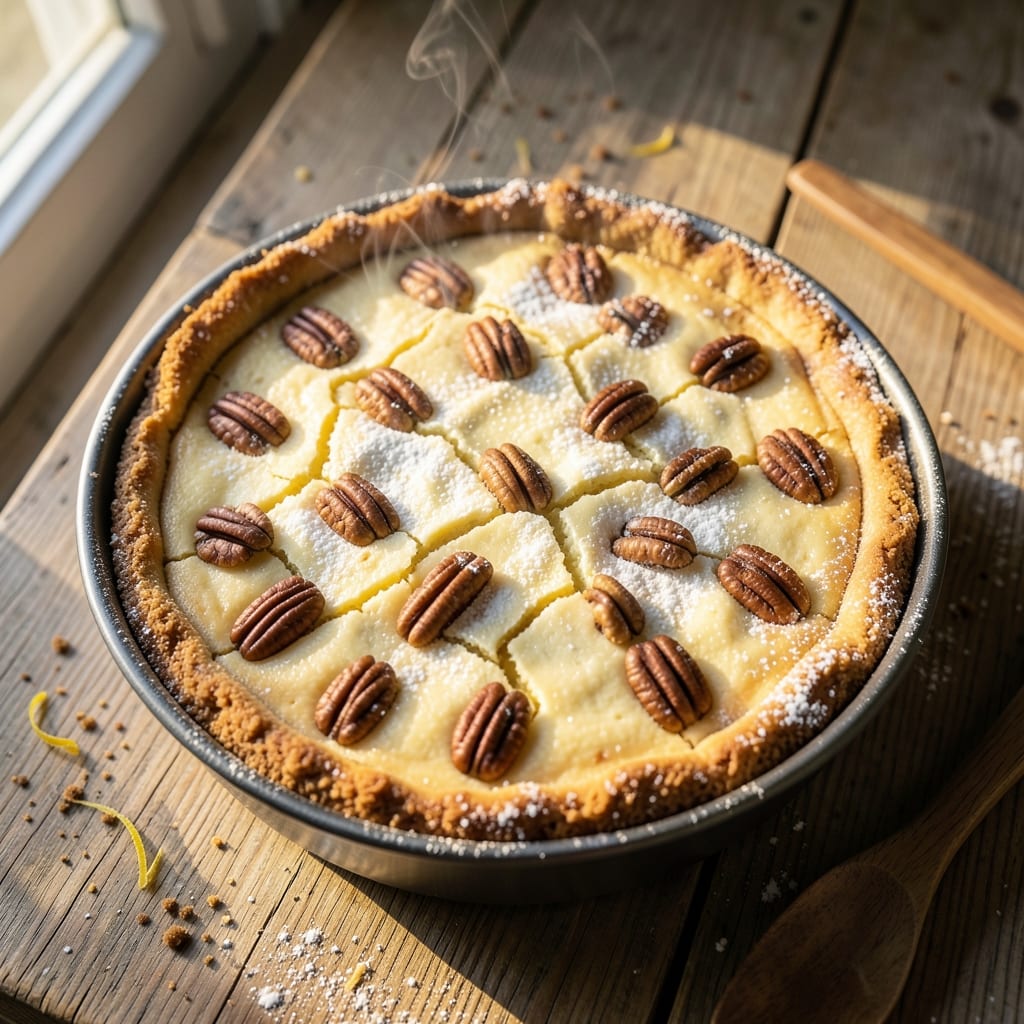
This baked pecan cheesecake recipe delivers the perfect balance of rich, creamy filling and buttery pecan crunch in every bite. The secret lies in a foolproof crust made with graham crackers and brown sugar, paired with a velvety cheesecake layer that stays lusciously smooth—no cracks in sight. I’ve perfected this recipe over years of baking, ensuring the pecans add just the right texture without overpowering the delicate sweetness of the filling.
The filling combines cream cheese, sour cream, and a touch of cornstarch for that signature silky consistency, while toasted pecans folded in at the end provide a satisfying crunch. Baking at 325°F ensures even cooking, and a water bath keeps the center perfectly set. Whether you’re serving it at a holiday gathering or treating yourself to a decadent dessert, this cheesecake is designed to impress.
What sets this recipe apart is the caramel drizzle on top—a simple but game-changing addition that ties everything together. The crust stays crisp, the filling remains velvety, and the pecans deliver that nutty crunch in every forkful. No special equipment is needed, just patience and attention to detail for a dessert that tastes like it came from a bakery.
For those looking to adapt, a vegan version is possible with coconut cream and cashews, though the texture will differ slightly. Serve with whipped cream or a scoop of vanilla ice cream for the ultimate indulgence. Let’s get baking!
Ingredients for baked pecan cheesecake
Graham crackers, brown sugar, and pecans form the perfect trio for this decadent cheesecake.
| Ingredient | Amount | Notes |
|---|---|---|
| Graham Cracker Crumbs 🍪 | 2 cups | Finely crushed for crust texture |
| Light Brown Sugar 🍯 | ½ cup | Packed, for crust sweetness |
| Unsalted Butter 🧈 | ½ cup | Melted, cooled slightly |
| Large Eggs 🥚 | 2 whole | Room temperature preferred |
| Cream Cheese 🧀 | 16 oz | Room temperature, full-fat |
| Sour Cream 🥛 | ½ cup | Full-fat for creaminess |
| Granulated Sugar 🍚 | 1 ½ cups | For filling sweetness |
| Cornstarch 🌾 | 2 tbsp | For silky texture |
| Vanilla Extract 🌿 | 2 tsp | Pure vanilla preferred |
| Pecans 🥜 | 1 ½ cups | Toasted, roughly chopped |
| Heavy Cream 🥛 | ½ cup | For caramel drizzle |
| Granulated Sugar 🍚 | ¼ cup | For caramel drizzle |
| Salt 🧂 | ½ tsp | Fine sea salt |
| Vanilla Ice Cream 🍦 | 1 ½ cups | Optional serving suggestion |
The graham crackers make or break the crust. Honey Maid or Keebler work best—avoid the pre-crushed kind from the baking aisle, which often has weird fillers. Toast the crumbs lightly before mixing with butter and sugar for extra depth. Brown sugar adds moisture to the crust, so don't skip it. For the pecans, raw or dry-roasted from Planters or Blue Diamond are my go-tos—they toast beautifully. Buy them in bulk if you're making multiple batches, as they keep well for months in the pantry.
No graham crackers? Digestive biscuits or crushed vanilla wafers work in a pinch, though the flavor won't be identical. Want to skip the caramel drizzle? A dusting of powdered sugar or extra toasted pecans on top is just as impressive. The cream cheese must be room temperature—cold lumps ruin the smooth texture. If your kitchen runs warm, let it sit for 30 minutes before mixing. For the vanilla, pure Madagascar bourbon is worth the splurge, but imitation works fine if you're on a budget.
Store the cheesecake in an airtight container in the fridge for up to 5 days, though it's best enjoyed within 3 days. The crust stays crisp for about 2 days before softening slightly. For make-ahead prep, assemble the crust and filling a day in advance, then bake when ready. The caramel drizzle can be made up to 2 days ahead—just reheat gently before drizzling. Serve at room temperature for the best texture, with a scoop of vanilla ice cream on the side.
Why You'll Love This Recipe
- No Fuss Assembly: I swear by this recipe—just mix, pour, bake. The graham crust goes together in two minutes with melted butter and crumbs, no rolling required. Honestly, I’ve made it while chatting on the phone because it’s that simple.
- Pecan-Caramel Magic: That brown sugar-butter swirl in the crust? It’s the secret weapon. The pecans toast just enough to add crunch, while the cream cheese filling stays silky—like a hug in dessert form. (Yes, even on a Tuesday night.)
- Holiday or Weeknight: Between us, this is my go-to for Thanksgiving and lazy Sundays. The crust’s buttery richness pairs with the pecans’ sweetness, making it feel special without the fuss. Plus, it’s the kind of dessert that disappears fast—no one will guess it’s not homemade.
- Leftovers? No Problem: Bakes in a single dish, cuts neatly, and stays fresh for days. I’ve reheated slices in the microwave (yes, it works) and even packed them for lunch. Budget-friendly too—cream cheese and graham crumbs stretch far, and brown sugar adds depth without breaking the bank.
Step-by-step instructions for baked pecan cheesecake
Here's the method for a perfectly textured cheesecake with a nutty crunch and silky center.
Prepare the Crust Mixture
In a medium bowl, combine the 2 cups graham cracker crumbs, 0.5 cup light brown sugar, and 0.5 tsp salt. Mix thoroughly with a fork until the crumbs are evenly coated with sugar. This prevents a dry crust later.
Next, melt the 0.5 cup unsalted butter in a microwave-safe bowl in 30-second intervals, stirring between each, until completely melted but not hot. Pour the melted butter over the crumb mixture and stir until fully incorporated. The mixture should hold together when pressed—if it's too crumbly, add 1-2 teaspoons of ice water to bind it.
Assemble and Bake the Crust
Press the crust mixture evenly into a 9-inch springform pan, using the back of a measuring cup to create an even, compact base. The crust should be about ¼-inch thick and extend slightly up the sides of the pan. This ensures stability during baking.
Preheat your oven to 325°F and place a baking sheet on the middle rack. Set the prepared crust pan on top of this baking sheet—this prevents the bottom from getting too dark. Bake for 10 minutes until the edges are lightly golden. Remove from oven and let cool slightly while you prepare the filling.
Mix the Cheesecake Filling
In a large mixing bowl, beat the 16 oz cream cheese and 0.5 cup sour cream together on medium speed until completely smooth and creamy. This step is crucial—any lumps will remain in the final cheesecake. Scrape down the sides of the bowl with a spatula to ensure even mixing.
Gradually add the 1.5 cups granulated sugar and 2 tbsp cornstarch, mixing on low speed until fully combined. The batter should be thick but pourable. Add the 2 whole large eggs, one at a time, mixing just until each is incorporated. Finally, stir in the 2 tsp vanilla extract and 1.5 cups toasted, roughly chopped pecans. The filling should be smooth with visible pecan pieces throughout.
Bake the Cheesecake
Pour the filling mixture over the cooled crust, spreading it evenly with a spatula. Place the pan in a large roasting pan and carefully pour hot water into the roasting pan until it reaches halfway up the sides of the springform pan. This water bath prevents cracking and ensures even baking.
Return to the 325°F oven and bake for 60-70 minutes, until the edges are set but the center still jiggles slightly. The top should be golden brown, and the internal temperature should reach 150°F when checked with an instant-read thermometer. Avoid opening the oven door during baking—this causes temperature fluctuations that can lead to cracks.
Cool and Finish
Remove the cheesecake from the water bath and let it cool in the springform pan for 1 hour at room temperature. Then, refrigerate uncovered for 4-6 hours or overnight. This gradual cooling process prevents condensation from forming on the surface, which can lead to a soggy top.
Before serving, prepare the caramel drizzle by combining the 0.5 cup heavy cream and 0.25 cup granulated sugar in a small saucepan. Bring to a gentle simmer over medium heat, stirring constantly until the sugar dissolves completely. Let cool slightly before drizzling over the chilled cheesecake. Serve with 1.5 cups vanilla ice cream on the side for the ultimate dessert experience.
Pro Tips For Making Baked Pecan Cheesecake
- Preheat Like It’s Hot: Crank your oven to 325°F before you even think about mixing the crust—no waiting. I learned this the hard way after baking a crust that stayed soft and sad because the oven took forever to heat up. A hot oven seals the crust faster and keeps it from turning to mush when the filling goes in.
- Pulse Graham Crackers Right: Don’t just dump those crumbs in—pulse them in short bursts with the butter and sugar until they’re just combined, not paste-like. Overworking turns the crust into a brick, and you’ll end up with a chewy base instead of a crunchy one. Think "sandy texture," not "glued together."
- Don’t Overmix the Filling: Once you’ve beaten the cream cheese and sugar smooth, fold in the eggs one at a time, mixing just until each disappears. I used to whip this like a madwoman, and the result? A dense, rubbery mess. The filling should look like thick pudding, not cake batter.
- Water Bath or Bust: Skip the water bath, and you’re rolling the dice on a cracked cheesecake. Wrap your springform pan in a double layer of foil, fill the baking dish with boiling water halfway up the pan, then bake. The steam keeps the center creamy and prevents that dreaded sinkhole in the middle. (Yes, even if you’re impatient like me.)
Common mistakes when making this dish
Overmixing the Filling
I’ve seen this happen more times than I can count—overmixing the cheesecake batter after adding the eggs leads to a dense, rubbery texture. Once you’ve incorporated the eggs and vanilla, mix just until the pecans are evenly distributed. Overmixing introduces too much air, which causes the cheesecake to sink or develop cracks during baking. 💫
Skipping the Water Bath
This is a rookie mistake that results in cracks or a dry center. The water bath creates a gentle steam environment that helps the cheesecake bake evenly. Without it, the outer edges set too quickly, while the center stays too wet. Always use a roasting pan and fill it with hot water halfway up the sides of your springform pan.
Room-Temperature Ingredients
Cold cream cheese and eggs are the enemy of a smooth cheesecake. If your cream cheese has lumps or the eggs are straight from the fridge, your filling will turn out grainy. Let the cream cheese sit at room temperature for 30-60 minutes before mixing, and use room-temperature eggs. Pro tip: Place them in warm water for 5 minutes if your kitchen is chilly.
Opening the Oven Door
Every time you open the oven door during baking, you risk creating temperature fluctuations that lead to cracks. The cheesecake needs a stable environment to set properly. If you must check, do it quickly and minimize exposure. Use an instant-read thermometer to monitor the internal temperature instead—aim for 150°F at the center.
Rushing the Cooling Process
Patience is key here. If you refrigerate the cheesecake too soon, condensation forms on the surface, leading to a soggy top. Let it cool at room temperature for 1 hour first, then refrigerate uncovered for 4-6 hours. This gradual cooling ensures a silky texture and prevents any unwanted moisture.
Using the Wrong Pecans
Not all pecans are created equal. Pre-chopped pecans from the store often contain additives that make them greasy or bitter. Opt for raw or dry-roasted pecans from brands like Planters or Blue Diamond. Toast them yourself in a dry skillet over medium heat for 5-7 minutes—this enhances their flavor and prevents a bland crunch in your cheesecake.
Nutrition facts
Frequently asked questions
Why does this cheesecake use cornstarch?
The 2 tablespoons of cornstarch in the filling creates that signature silky, velvety texture that separates this from regular cheesecake. It helps stabilize the proteins in the cream cheese and eggs, preventing a grainy or dense result. Without it, the pecans would make the texture too heavy. Think of it as the secret weapon for that bakery-style creaminess!
Can I make this cheesecake without a springform pan?
You can use a 9-inch oven-safe pie dish instead, but line the bottom with parchment paper first to prevent sticking. Remove the sides of the pie dish before serving, or use a sharp knife to loosen the edges. Just note that springform pans allow for easier removal and cleaner slices. For a non-stick alternative, try a dark metal pan—they distribute heat more evenly.
How do I prevent the pecans from burning?
Toast your pecans in a dry skillet over medium heat for 5-7 minutes, stirring constantly, until fragrant but not browned. Remove from heat immediately—they'll continue cooking from residual heat. For extra insurance, spread them on a baking sheet and cool completely before folding them into the filling. This prevents any bitter flavors from over-toasting during baking.
What's the best way to serve this cheesecake?
This cheesecake shines with a scoop of vanilla ice cream on the side or a dollop of whipped cream. For a restaurant-worthy presentation, drizzle the caramel sauce in a zigzag pattern and garnish with extra toasted pecans. Serve at room temperature—it's more forgiving than cold slices straight from the fridge. Pair it with a cup of strong coffee or a glass of dessert wine for the full experience.
Can I make this cheesecake ahead of time?
Assemble the crust and filling up to 24 hours ahead, then bake when ready. The caramel drizzle can be made 2 days ahead—just reheat gently before serving. Store the fully baked cheesecake in an airtight container in the fridge for up to 5 days, though it's best enjoyed within 3 days for peak texture. Let it sit at room temperature for 30 minutes before serving for the best mouthfeel.