
Desserts
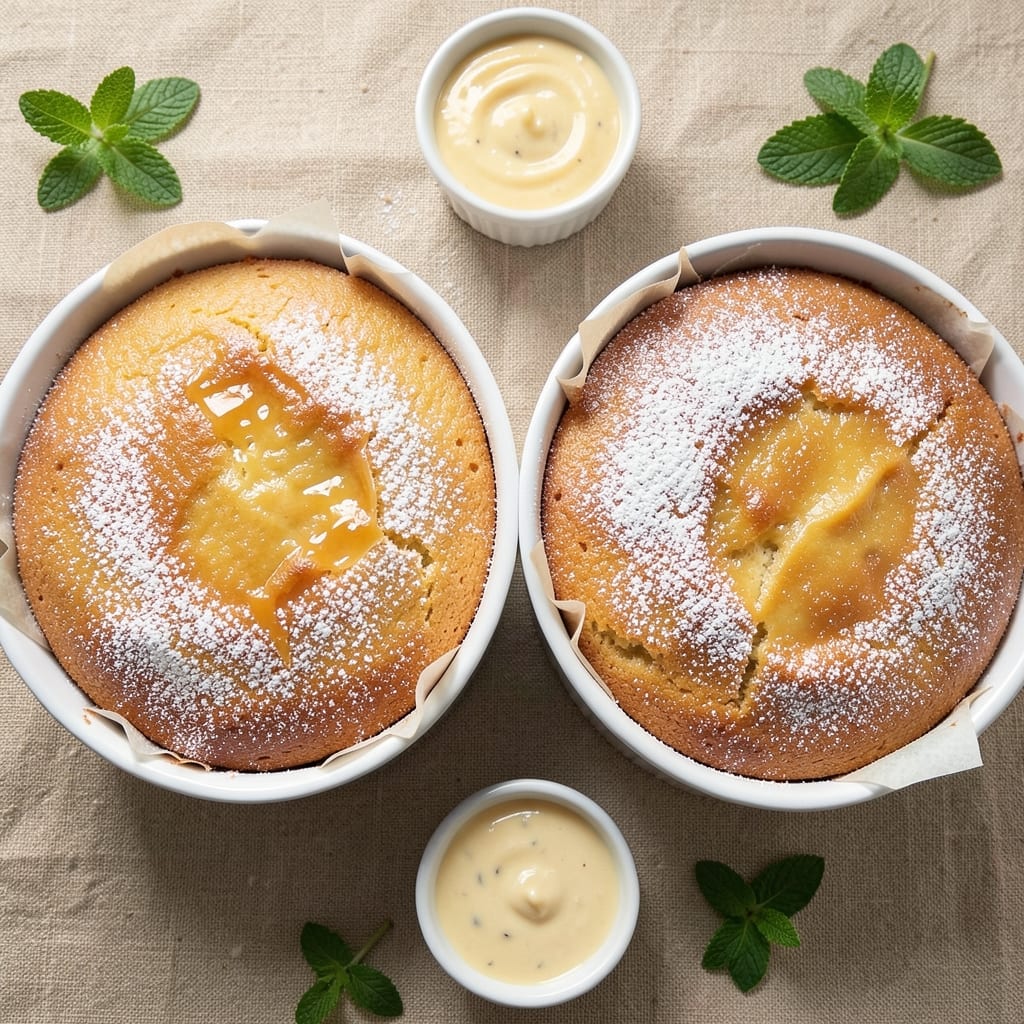
This baked custard cake recipe delivers layers of velvety perfection with a vanilla bean infusion that transforms ordinary dessert into something extraordinary. The secret lies in a perfectly balanced custard filling that stays silky smooth while the cake bakes to a tender, golden finish. I've perfected this technique over years of baking, ensuring every slice delivers that signature custard texture without being too rich or overly sweet.
The recipe begins with a simple yet sturdy cake base that provides the ideal foundation for the custard layers. What sets this apart is the slow-cooked custard filling, enriched with real vanilla bean for depth of flavor that store-bought extracts simply can't match. The key to success is precise temperature control during both the custard preparation and the final baking phase.
By the time you're done, you'll have a cake with perfectly set layers that hold together beautifully when sliced. The vanilla bean infusion creates aromatic layers of flavor in every bite, while the custard remains lusciously smooth rather than grainy. This is the kind of dessert that makes you feel like you've stepped into a Parisian pâtisserie.
Serve it warm with fresh berries or a dusting of powdered sugar for an elegant presentation, or enjoy it at room temperature for the perfect balance of textures. The recipe scales beautifully for gatherings, yet remains approachable enough for weeknight treats. Let's get started on creating this showstopping dessert.
Ingredients for baked custard cake
Eight simple ingredients transform into layers of silky custard perfection—vanilla bean makes all the difference.
| Ingredient | Amount | Notes |
|---|---|---|
| All-Purpose Flour 🌾 | 2 ½ cups | Sifted for light texture |
| Granulated Sugar 🍚 | 1 ½ cups | Divided for cake and custard |
| Unsalted Butter 🧈 | 1 ¼ cups | Room temperature, full-fat |
| Large Eggs 🥚 | 6 whole | Room temperature, separated |
| Whole Milk 🥛 | 2 cups | Cold, full-fat preferred |
| Heavy Cream 🥛 | 1 cup | Cold, full-fat for richness |
| Vanilla Bean 🍃 | 2 whole | Scraped seeds plus pod |
| Cornstarch 🌾 | ½ cup | For custard smoothness |
| Salt 🧂 | ½ tsp | Fine sea salt |
| Baking Powder 🍞 | 2 tsp | Aluminum-free |
| Powdered Sugar 🍚 | 1 cup | For dusting |
| Fresh Berries 🍓 | 1 ½ cups | Optional, for serving |
The vanilla bean is non-negotiable here. Madagascar or Tahitian beans from Williams Sonoma or Sur La Table deliver the best aroma, but even a single quality bean from the grocery store's spice aisle works—just scrape every last bit of those seeds. The butter needs to be full-fat and room temperature—microwave it 40 seconds if it's cold. For the flour, King Arthur or Gold Medal brands are my go-tos, but any all-purpose will do. Sift that flour and baking powder together to avoid lumps in your cake layers. The custard's secret? Cold milk and cream prevent curdling when you bake it.
No vanilla bean? Double the vanilla extract (use high-quality like Madagascar Bourbon), but you'll miss that signature aroma. Running low on cornstarch? Arrowroot powder at the same amount works perfectly. The berries? Frozen work fine—just toss them in hot water for 30 seconds to thaw, then drain. For the eggs, if you're worried about salmonella, use pasteurized eggs or bake the cake at 325°F instead of 350°F for 10 minutes longer. The cake batter should be thin but not soupy—add 1 tbsp more milk if needed. And trust me, don't skip the cornstarch—it's what keeps that custard silky.
This cake keeps beautifully—3 days at room temperature if wrapped tightly, or 5 days in the fridge. The custard layers actually improve overnight as flavors meld. To reheat, bake at 300°F for 10-15 minutes covered with foil. I always make a double batch because it disappears fast—freeze individual layers for up to 3 months if you're planning ahead. The berries? Add them just before serving so they stay vibrant. And that powdered sugar? Sift it before dusting for a cloud-like finish.
Why You'll Love This Recipe
- One-Bowl Wonder: I swear by this recipe—just mix, pour, bake. No fancy layers, no fussing with pans. The eggs and milk create that signature custardy richness without needing a separate pudding step.
- Velvet Texture Magic: That buttery, tender crumb? It’s all in the ratio of flour to sugar and the way the eggs emulsify with the melted butter. Honestly, the first bite makes me forget about store-bought cakes entirely.
- Weeknight Hero: Slice it warm for breakfast with a drizzle of honey, or pack it for lunch—it stays moist for days. (Yes, even on a Tuesday night when you’re exhausted.)
- Budget Luxury: Five simple ingredients, no specialty items, and it costs a fraction of what you’d pay for a bakery version. Between us, this is how I treat myself after a long week—without breaking the bank.
Step-by-step instructions for baked custard cake
Here's how to create layers of velvety cake and rich custard filling that'll impress anyone.
Prepare the Cake Batter
Preheat your oven to 350°F and grease two 9-inch round cake pans. In a large bowl, whisk together the 2.5 cups all-purpose flour, 0.5 tsp salt, and 2 tsp baking powder. Set aside. In a separate bowl, cream the 1.25 cups unsalted butter and 0.75 cups granulated sugar until light and fluffy—about 3-4 minutes.
Add the 6 whole large eggs, one at a time, beating well after each addition. Scrape down the sides of the bowl as needed. Gradually beat in the dry ingredients until just combined. I like to fold in the flour mixture gently to avoid overmixing, which can make the cake dense. Divide the batter evenly between the prepared pans and bake for 25-30 minutes or until a toothpick inserted comes out clean. Let the cakes cool in the pans for 10 minutes before transferring to a wire rack to cool completely.
Make the Vanilla Bean Custard Filling
In a medium saucepan, combine the 2 cups whole milk, 1 cup heavy cream, and the scraped seeds from the 2 whole vanilla beans. Bring to a gentle simmer over medium heat, then remove from heat and let steep for 15 minutes. Meanwhile, whisk together the remaining 0.75 cups granulated sugar, 0.5 cup cornstarch, and 0.5 tsp salt in a separate bowl.
Slowly pour the milk mixture back into the saucepan and cook over medium-low heat, whisking constantly, until the custard thickens enough to coat the back of a spoon—about 5-7 minutes. The mixture should reach 170°F on an instant-read thermometer. Immediately pour the custard into a shallow dish, cover with plastic wrap (pressed directly onto the surface), and refrigerate for at least 2 hours or until completely chilled. This step is crucial for preventing curdling when assembling the cake.
Assemble the Cake Layers
Once the cakes and custard are fully cooled, level the tops if needed for even layers. Place the first cake layer on a serving plate. Spread a thin layer of the chilled custard filling over the top—just enough to create a barrier. Add the second cake layer on top and spread the remaining custard evenly over the entire surface. The filling should be smooth and cover the cake completely, but don't overfill or it may leak during chilling.
For extra flavor, you can lightly toast the 1.5 cups fresh berries (if using) in a dry skillet for 2-3 minutes and arrange them decoratively on top of the cake. Dust the entire cake with 1 cup powdered sugar using a fine-mesh sieve for a professional finish. Chill the assembled cake in the refrigerator for at least 4 hours or overnight to allow the flavors to meld and the layers to set properly.
Serve and Enjoy
Slice the cake with a sharp, hot knife (dip the knife in hot water and wipe dry between cuts) for clean, smooth slices. Serve chilled with additional berries or a dollop of whipped cream if desired. The contrast between the tender cake layers and the silky custard filling makes every bite a delight. Store any leftovers in an airtight container in the refrigerator for up to 3 days, though I doubt it'll last that long!
Pro Tips For Making Baked Custard Cake
- MEASURE EGGS ACCURATELY: Weigh your eggs instead of counting them—one large egg can vary by 10-15 grams, and custard cake texture depends on precision. I learned this after a batch turned out too dense (too few eggs) and another too fragile (too many).
- WHISK BUTTER AND SUGAR LONG: Cream butter and sugar until the mixture is pale yellow and ribbon-like—this incorporates air for a lighter crumb. Skipping this step means a heavier cake, and no one wants that.
- CHILL THE BATTER: Let the batter rest 30 minutes before baking—this helps distribute ingredients evenly and prevents cracking. I used to rush it, and the cakes would sink in the middle every time.
- USE A WATER BATH: Place the cake pan in a roasting tray filled with hot water halfway up the sides—this ensures even baking and a silky center. No water bath? The edges cook faster, leaving a gummy middle.
Storing and reheating your leftovers
Room Temperature Storage
Your baked custard cake stays fresh for 3 days at room temperature when wrapped tightly in plastic wrap followed by a layer of aluminum foil. The key is to store it in a cool, dark place—like a pantry—where it won't absorb odors or dry out. I always place mine on a wire rack inside an airtight container to prevent condensation, which can make the cake soggy. The flavors actually deepen over time as the custard layers meld together beautifully. 🌟
Refrigerator Storage
For longer freshness, refrigerate your cake for up to 5 days in an airtight container. The cold temperature helps preserve the custard's silky texture and prevents the cake layers from drying out. I recommend wrapping each layer separately before stacking them in the fridge. When ready to serve, let it sit at room temperature for 15-20 minutes to soften slightly—the contrast between cold custard and room-temperature cake is magical. ✨
Freezer Storage
Freeze individual cake layers (without custard) for up to 3 months in heavy-duty freezer bags or airtight containers. Wrap each layer tightly in plastic wrap and label with the date. When ready to serve, thaw overnight in the fridge, then reassemble with fresh custard. For the custard itself, freeze it in a shallow dish (it expands, so leave 1-inch headspace), then thaw in the fridge before using. The texture remains smooth, though slightly firmer after freezing. ❄️
Reheating Methods
To revive a chilled cake, bake at 300°F for 10-15 minutes covered with foil to prevent drying. This gentle heat reactivates the custard's richness without overcooking the cake. For microwave reheating, use 50% power for 20-30 seconds—just enough to warm through. Avoid high heat, which can turn the custard grainy. I find the oven method preserves the texture best for serving guests. 🔥
Serving After Storage
Always dust with powdered sugar right before serving to keep the cake looking fresh. If storing with berries, add them fresh just before serving to maintain their vibrant color and texture. For extra flair, warm a few berries in a pan with 1 tsp honey and arrange them on top—this adds a lovely contrast to the chilled cake. A dollop of lightly sweetened whipped cream also elevates the presentation. 🍓
Nutrition facts
Frequently asked questions
Why does my custard filling turn grainy?
Grainy custard usually happens when the mixture overheats or isn't stirred constantly. Always cook over medium-low heat and whisk vigorously until it reaches 170°F. Remove from heat immediately when thickened, then chill completely before using. The cornstarch helps prevent this, but never let it boil vigorously.
Can I substitute vanilla extract for vanilla bean?
Yes, but you'll lose some depth of flavor. Use 2 teaspoons high-quality vanilla extract instead of 2 whole beans. For best results, choose Madagascar Bourbon extract and add a pinch of ground vanilla bean seeds if available. The aroma difference is noticeable!
How do I prevent the cake layers from falling apart?
Let both cake layers cool completely before assembling, and chill the cake for at least 4 hours after filling. Use a thin layer of custard as "glue" between layers, and avoid overfilling. For extra stability, brush the cake layers with simple syrup before adding custard.
What if I don't have a vanilla bean?
No problem! Use 1 teaspoon vanilla extract plus ½ teaspoon almond extract for complexity. Alternatively, add ¼ teaspoon ground cinnamon and ¼ teaspoon ground cardamom for warmth. The custard will still be delicious, just with a slightly different flavor profile.
Can I make this cake without cornstarch?
You can try, but the texture won't be as silky. Replace the ½ cup cornstarch with ¼ cup cornstarch + ¼ cup all-purpose flour for a slightly thicker custard. For a gluten-free option, use ½ cup arrowroot powder instead. The custard may set slightly firmer without cornstarch.