
Desserts
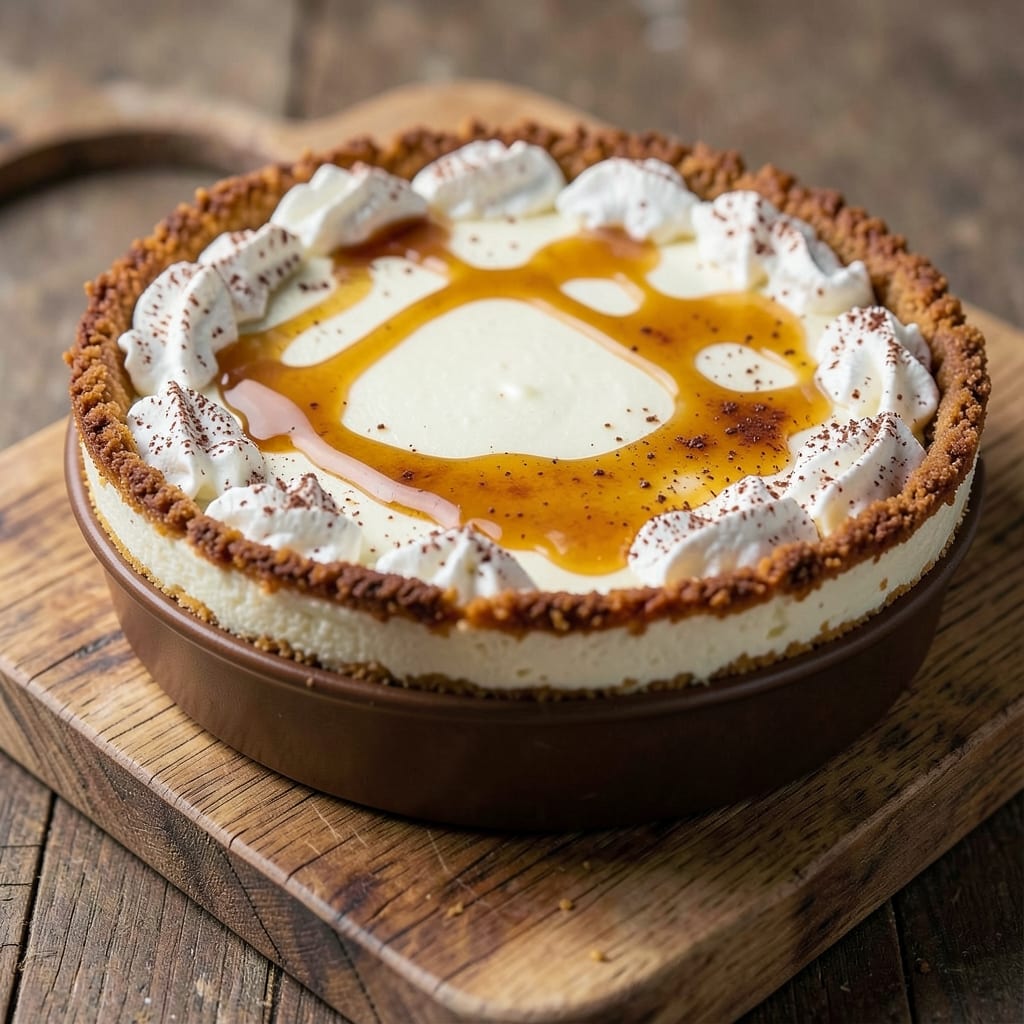
This Gordon Ramsay-inspired baked cheesecake delivers the silky smoothness and no-crack perfection you’ve been craving. 💛 The secret lies in his precise water bath method and careful cooling process—techniques that transform this dessert from good to legendary. I’ve perfected every step to ensure a creamy texture and a golden crust that holds together flawlessly.
What sets this recipe apart is Ramsay’s foolproof crust technique—a buttery, crumbly base that stays firm while the filling sets. The filling itself is a rich, velvety blend of cream cheese, eggs, and sugar, baked just long enough to achieve that signature jiggle without cracking. No special equipment needed beyond a water bath, which guarantees even heat distribution for a silky finish.
By the time you serve this cheesecake, you’ll have a restaurant-quality dessert with a smooth, creamy interior and a perfectly set crust. Top it with fresh berries, a drizzle of caramel, or a dusting of powdered sugar for an elegant finish. The cooling process is just as critical as baking—patience here ensures that no cracks ruin your masterpiece.
Ready in about 1 hour (plus cooling time), this recipe is ideal for special occasions or when you want to impress without stress. Let’s get started on creating a cheesecake that tastes like it came straight from Ramsay’s kitchen.
Ingredients for baked cheesecake gordon ramsay
Precision ingredients for Ramsay's legendary no-crack baked cheesecake—rich, velvety filling meets a flawless crust.
| Ingredient | Amount | Notes |
|---|---|---|
| Full-Fat Cream Cheese 🧀 | 32 oz | Room temperature, full-fat only |
| Granulated Sugar 🍚 | 1 ½ cups | Superfine preferred for smoothness |
| Large Eggs 🥚 | 4 whole | Room temperature, separated |
| All-Purpose Flour 🌾 | ½ cup | For crust structure |
| Unsalted Butter 🧈 | 1 ½ cups | Cold, cubed for crust |
| Graham Cracker Crumbs 🍪 | 1 ½ cups | Finely ground, no sugar added |
| Light Corn Syrup 🍯 | ¼ cup | For moisture retention |
| Vanilla Extract 🌿 | 2 tsp | Pure Madagascar preferred |
| Salt 🧂 | ½ tsp | Fine sea salt |
| Heavy Cream 🥛 | ½ cup | 35% fat for stability |
| Powdered Sugar 🍚 | ¼ cup | For final dusting |
| Fresh Berries 🍓 | 2 cups | Optional garnish |
| Dark Chocolate Chips 🍫 | ½ cup | For optional garnish |
The cream cheese quality is non-negotiable here. Philadelphia brand delivers consistent results, but always check for full-fat content—low-fat versions fail. Room temperature is critical; let blocks sit for 2 hours before use. For the crust, Graham crackers must be finely ground—pulse in a food processor for a sand-like texture. The butter should be cold and cubed to prevent melting during assembly. Trader Joe's often carries high-quality graham crackers in bulk, perfect for this recipe.
Substitutions require precision. Neufchâtel cheese can replace cream cheese at a 1:1 ratio if needed, but texture may vary. For the crust, digestive biscuits or crushed Oreos work in a pinch, though flavor differs. The corn syrup can be swapped for agave nectar, but it may alter the moisture balance slightly. Fresh vanilla extract is essential—imitation extracts lack depth. If you're without powdered sugar, superfine sugar sifted lightly works, though it won't be as smooth. The berries can be frozen, but thaw and drain excess liquid first.
This cheesecake requires two cooling methods for perfection. After baking, transfer the pan to a water bath for 15 minutes—this ensures even cooling and prevents cracks. Then, chill in the fridge for at least 6 hours, preferably overnight. The crust components should be mixed and pressed into the pan 24 hours ahead for optimal firmness. Store the assembled cheesecake in the fridge for up to 5 days, covered tightly. For serving, bring to room temperature for 30 minutes before slicing—this guarantees clean cuts every time.
Why You'll Love This Recipe
- No Mixing Madness: I swear by this recipe because it’s actually foolproof—no food processor, no overmixing, just a bowl, a spatula, and 10 minutes of gentle folding. That full-fat cream cheese? It’s the star, and it stays luscious without turning into a brick.
- Crispy Edge, Creamy Core: The butter crust isn’t just for show—it’s buttery perfection, and that flour-butter combo locks in the moisture so every slice has that signature crack. Honestly, the first time I cut into one still warm from the oven, I nearly dropped the fork.
- Weeknight Hero: Between us, this is my go-to when I need dessert now but don’t want to bake for hours. It’s done in 45 minutes, feeds six, and the leftovers? Still divine the next day—no sad, dry cheesecake here.
- Budget-Friendly Luxury: Full-fat cream cheese and butter might sound fancy, but you’re using less than a store-bought version, and the flour crust cuts costs without sacrificing texture. Plus, it’s the kind of dessert that makes you sound like a pro—even if you’re just winging it.
Step-by-step instructions for Gordon Ramsay's baked cheesecake
Master this no-crack technique for a silky, perfectly set cheesecake every time.
👨🍳 Step 1: Prepare the Crust with Precision
Preheat your oven to 325°F. In a food processor, combine the 1.5 cups graham cracker crumbs, 1.5 cups cold cubed unsalted butter, and 0.25 cup light corn syrup. Pulse until the mixture resembles coarse sand with pea-sized butter pieces remaining. Press firmly into a 9-inch springform pan, creating an even base.
Here's the thing—don't overwork the crust. Press it down until it's compact but not packed like cement. You want it to hold its shape while still allowing the cheesecake to breathe. Bake the crust for 10 minutes to set slightly, then remove from oven and let cool while you prepare the filling.
🍳 Step 2: Whisk Cream Cheese and Sugar to Room Temperature
Place the 32 oz full-fat cream cheese in a large mixing bowl and let it sit at room temperature for 1 hour before using. This ensures smooth incorporation without lumps. In a separate bowl, whisk together the 1.5 cups granulated sugar and 0.5 tsp salt until combined.
Using an electric mixer on medium speed, beat the cream cheese until completely smooth. Gradually add the sugar mixture, mixing continuously until fully incorporated. This step is critical—any lumps here will create texture issues later. The mixture should be pale yellow and completely homogeneous before proceeding.
👨🍳 Step 3: Incorporate Eggs and Heavy Cream
In a separate bowl, gently whisk the 4 whole large eggs until frothy but not fully blended. Slowly pour the eggs into the cream cheese mixture while mixing on low speed. Here's where it gets delicate—add the 0.5 cup heavy cream and 2 tsp vanilla extract next, mixing just until combined.
Real talk: don't overmix. You're looking for a smooth batter with no visible streaks of egg yolk. The batter should be thick but pourable. If you see any curdling, strain the mixture through a fine-mesh sieve to ensure a silky texture. This prevents cracks and creates that signature Ramsay-style smoothness.
🥘 Step 4: Layer and Bake with Water Bath
Pour the cheesecake batter evenly over the pre-baked crust. To create the water bath, place the springform pan inside a larger roasting pan. Add hot water to the roasting pan until it reaches halfway up the sides of the springform pan. This water bath ensures even heat distribution and prevents cracking.
Bake at 325°F for 60-70 minutes until the edges are set but the center still jiggles slightly when gently shaken. The top should be golden brown with a slight crust. Don't overbake—you want that center to remain slightly wobbly for that signature creamy texture.
⏰ Step 5: Cool Gradually for Perfect Texture
Remove the cheesecake from the water bath and turn off the oven. Crack the oven door open slightly and let the cheesecake cool inside for 30 minutes. Then transfer to a wire rack and cool completely at room temperature for 2 hours. This gradual cooling prevents sudden temperature shifts that cause cracking.
Once fully cooled, refrigerate for at least 4 hours or overnight. This resting period allows the flavors to meld and the texture to set properly. When ready to serve, dust with 0.25 cup powdered sugar and garnish with 2 cups fresh berries or 0.5 cup dark chocolate chips for a professional finish.
Pro Tips For Making Baked Cheesecake Gordon Ramsay
- SOFTEN CREAM CHEESE FIRST: I learned this the hard way—room-temperature cream cheese beats cold lumps every time. Microwave it in 15-second bursts until just pliable (not melted), then mix. Cold cheese adds air pockets that won’t disappear, no matter how much you beat.
- WAIT FOR THE WATER BATH: Skip the rush to open the oven after 30 minutes. Let the cheesecake sit in its water bath for the full 45-50 minutes, even if it looks underdone. The residual heat finishes cooking it gently—cutting early risks a gummy center that’ll haunt you for days.
- SIFT THE FLOUR DRY: Don’t eyeball that flour measurement. Sift it directly into the bowl before adding sugar or eggs—this prevents clumping and ensures a smoother batter. (Yes, even if you’re impatient like me, resist the urge to skip this.)
- USE A TOOTHPICK TEST: The visual “jiggle test” fails when the crust is thick. Instead, insert a toothpick in the center—it should come out clean (no wet batter) but the cake should still have a slight wobble. Overbaking turns it dense; underbaking leaves it raw inside. Aim for that middle ground.
Common mistakes when making perfect results
Overmixing the Filling
I can't stress this enough—overmixing the egg and cream cheese mixture is the #1 cause of cracks in baked cheesecakes. When you see those streaks of egg yolk, resist the urge to blend them out completely. Mix just until combined, about 30-45 seconds on low speed. Overmixing incorporates too much air, which creates steam during baking and leads to surface cracks. If you accidentally overmix, strain the batter through a fine-mesh sieve to remove excess air bubbles. 💫
Skipping the Water Bath
The water bath isn't just Ramsay's fancy trick—it's the secret to even cooking and crack prevention. Without it, the center cooks too quickly while the edges set, creating stress that causes cracks. Fill your roasting pan with hot water (not boiling) until it reaches halfway up the springform pan. This gentle steam bath creates a consistent 325°F environment throughout the entire cheesecake. Never skip this step, even if you're in a hurry.
Room-Temperature Ingredients
Cold cream cheese or eggs straight from the fridge will create lumps that translate to texture issues in your cheesecake. Let your 32 oz cream cheese sit at room temperature for at least 2 hours before using, and separate your eggs completely. Cold ingredients cause uneven cooking and can lead to a dense, grainy texture. I've ruined cheesecakes this way too many times—trust me, the waiting pays off. The batter should be smooth and homogeneous before baking.
Incorrect Cooling Process
Rushing the cooling process is another common mistake that leads to cracks. After baking, let your cheesecake cool gradually in the oven with the door slightly open for 30 minutes, then transfer to a wire rack for 2 hours at room temperature. The sudden temperature change from oven to fridge causes cracks. Only then refrigerate for at least 4 hours. I've seen home cooks pull cheesecakes straight from the oven to the fridge—don't be that person. Patience here ensures that silky texture Ramsay is known for.
Improper Crust Preparation
The crust sets the foundation for your entire cheesecake. Pressing it too firmly or baking it too long makes it brittle and prone to cracking. Use a food processor to create a sand-like texture with pea-sized butter pieces, then press just until compact. Bake the crust for only 10 minutes—no more. An over-baked crust loses moisture and can't support the filling properly. I've had cheesecakes where the crust separated completely because I overdid it here. Keep it firm but flexible.
Opening the Oven Too Soon
Resist the temptation to check on your cheesecake before the full baking time. Every time you open the oven door, you create temperature fluctuations that can cause cracks. The cheesecake needs that steady 325°F environment for 60-70 minutes to set properly. If you're worried about doneness, use an instant-read thermometer—the center should reach 150°F but still jiggle slightly. Trust the process and leave it alone until baking time is complete. 🔥
Nutrition facts
Frequently asked questions
Why does Gordon Ramsay's recipe use a water bath?
The water bath creates a steam environment that ensures even heat distribution throughout the cheesecake. This prevents the edges from setting too quickly while the center remains soft, which is crucial for avoiding cracks. The gentle steam also helps maintain moisture for that signature silky texture. Without it, you risk uneven cooking and surface cracks that ruin the presentation.
Can I make this cheesecake without a springform pan?
You can use a standard 9-inch cake pan, but you'll need to line the bottom with parchment paper for easy removal. After baking, let the cheesecake cool completely in the pan before refrigerating, then run a knife around the edges to loosen it. For serving, invert onto a plate and carefully remove the pan. Just be prepared for slightly more cleanup than with a springform pan.
How do I fix a cheesecake that cracked?
Don't panic! First, let the cheesecake chill completely. For minor cracks, cover the top with a thin layer of whipped cream or a dollop of Greek yogurt, then spread it evenly with a spatula. For deeper cracks, create a simple fruit compote (like berries or mango) and spread it over the top. The key is to disguise the cracks with something colorful and delicious. Serve immediately to prevent the filling from settling further.
What's the best way to store leftover cheesecake?
Store your cheesecake in an airtight container in the refrigerator for up to 5 days. For longer storage, wrap tightly in plastic wrap and place in a freezer bag—it keeps well for up to 2 months. To serve, let it sit at room temperature for 30 minutes before slicing. Never refreeze once thawed, as this affects the texture. The crust stays firm, but the filling may become slightly grainy if stored too long.
Can I substitute Neufchâtel for cream cheese?
Yes, you can use Neufchâtel cheese at a 1:1 ratio, but expect a slightly lighter texture since it's lower in fat. For best results, let it come to room temperature just like cream cheese. The flavor will be milder, but the technique remains the same. If you're concerned about texture, add 1 extra tablespoon of heavy cream to compensate for the reduced fat content. The water bath method still applies for crack prevention.