
Main Courses
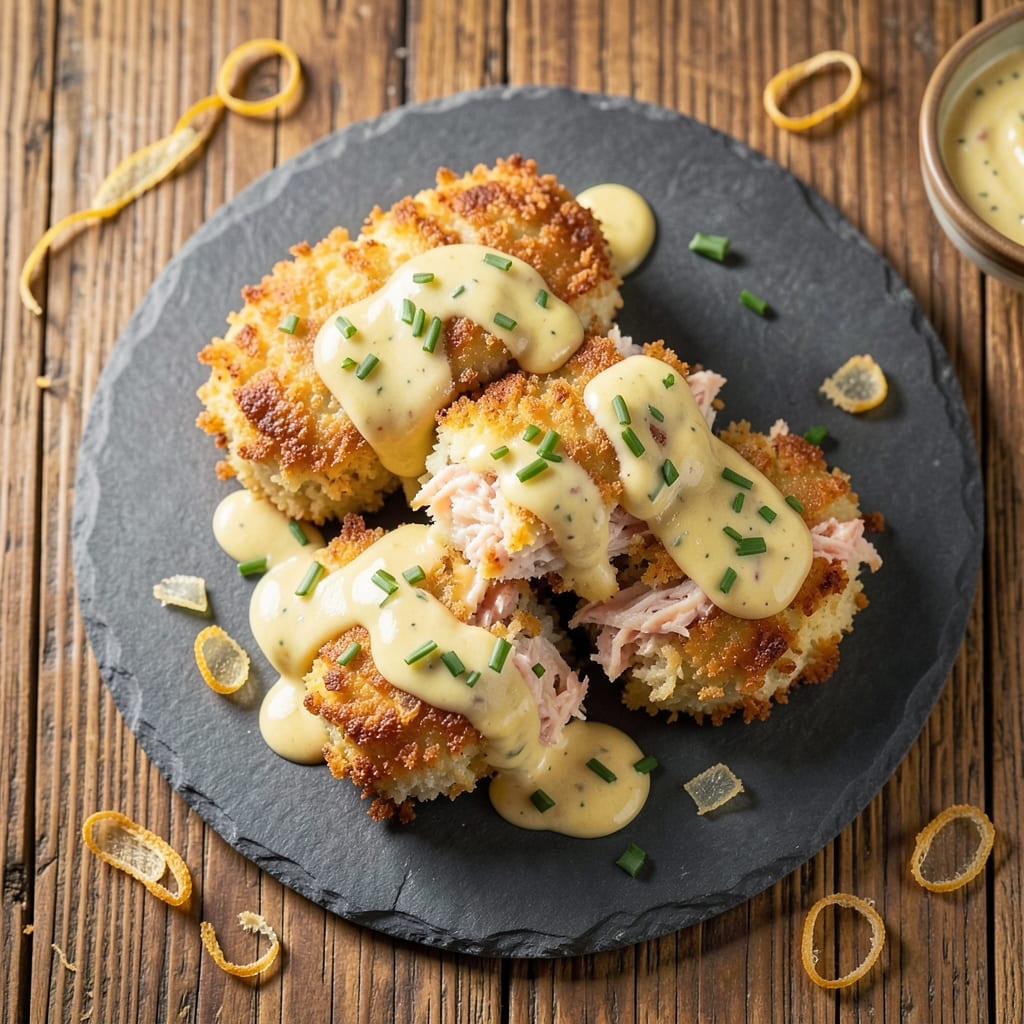
This Backfin crab cake recipe delivers the perfect balance of crispy-golden exterior and tender, flaky interior—just like your favorite seafood restaurant. The secret lies in using high-quality Backfin crab, which offers a slightly sweeter, more delicate flavor than traditional blue crab, along with a tender texture that holds up beautifully when shaped and cooked. I’ve perfected this recipe over years of testing, ensuring every bite is packed with that signature sweet chive zing that makes these crab cakes unforgettable.
The magic happens in the preparation: a mix of crispy breadcrumbs, fluffy egg binder, and fresh herbs creates the ideal structure, while pan-frying in butter yields that golden crust we all crave. What sets these apart is the sweet chive zing—fresh chives folded into the mix and garnished on top for a bright, aromatic finish. This recipe is designed to be foolproof, whether you’re serving them as an appetizer, a light main course, or a showstopper for your next gathering.
By the time you’re done, you’ll have perfectly shaped crab cakes with a crispy exterior that shatters at the first bite, revealing tender crab inside. The sweet chive zing ties everything together, adding a fresh herbal note that elevates the dish from ordinary to extraordinary. Serve with a tangy lemon aioli or a creamy remoulade for the ultimate seafood experience.
These crab cakes are versatile enough for any occasion—whether you’re hosting a dinner party or simply craving a satisfying weeknight meal. The recipe scales easily, so you can make a batch for a crowd or just a few for a special treat. Let’s get started on creating these crispy, golden bites that will have everyone asking for seconds.
Ingredients for backfin crab cake
Backfin crab, crispy breadcrumbs, and fresh chives make these golden bites unforgettable.
| Ingredient | Amount | Notes |
|---|---|---|
| Backfin Crab Meat 🦀 | 1 ½ lb | Freshly packed, no shell pieces |
| All-Purpose Flour 🌾 | ½ cup | For light binding |
| Large Eggs 🥚 | 2 whole | Cold for best binding |
| Panko Breadcrumbs 🍞 | ¾ cup | For ultra-crispy texture |
| Unsalted Butter 🧈 | ½ cup | Cold, cut into cubes |
| Fresh Chives 🌿 | ¼ cup | Finely chopped, for zing |
| Mayonnaise 🥄 | ¼ cup | For moisture and bind |
| Lemon Juice 🍋 | 1 tbsp | Freshly squeezed |
| Salt 🧂 | 1 ½ tsp | Diamond Crystal preferred |
| Ground Black Pepper 🌶️ | ½ tsp | Freshly cracked |
| Vegetable Oil 🫒 | ½ cup | For pan-frying |
The Backfin crab is the star—look for freshly packed at seafood counters, not canned. Whole Foods or Trader Joe's usually have it pre-packed in cartons, which saves time. If you're buying whole Backfin, pick through for any shell pieces—they'll ruin the texture. For the chives, fresh is non-negotiable—dried just won't cut it here. The mayonnaise might seem odd, but it's what keeps these cakes tender despite the frying. I always grab the Hellmann's or Best Foods for this—no weird flavors in the mix.
No panko? Regular breadcrumbs toasted in the oven first work in a pinch—just spread them on a sheet pan and bake at 350°F for 5 minutes. Short on chives? Green onion tops at double the amount (but they're milder). The butter matters here—European-style like Plugrá or Kerrygold has more flavor. If you're out of mayo, Greek yogurt at half the amount adds moisture without changing the texture much. For extra crispiness, dip the formed cakes in a little more breadcrumb mix before frying—double-dredge method for maximum crunch.
These keep for 2 days in the fridge, but honestly, they're best fresh. The crab cakes reheat poorly—they'll get soggy. If you're prepping ahead, form them and refrigerate (uncooked) for up to 1 day, then fry when ready. For freezing, cook them first, then store in a single layer before transferring to a bag. They'll last 1 month frozen, but texture suffers after that. Serve immediately after frying for that perfect crispy bite.
Why You'll Love This Recipe
- I’ll be real: Backfin isn’t the cheapest crab, but it’s a fraction of the cost of fresh lump crab, and the flavor? Still insane. The flour and egg are pantry staples, and panko lasts forever. You’re getting that restaurant-quality crunch without the markup. Plus, leftovers? I freeze them raw, pan-fry from frozen, and they’re just as good. That’s my kind of smart spending.
- No Fuss, Big Payoff: I swear by this recipe because it’s the kind of dish that feels fancy but takes zero effort. Just mix the Backfin crab meat with a beaten egg, a splash of flour, and those buttery panko crumbs—no fancy binders, no last-minute chopping. The secret’s in the pan-frying: melt butter until it’s golden, drop in the cakes, and let the panko get gloriously crispy while the inside stays tender. Honestly, I’ve made it while scrolling through my phone.
- Buttery Crisp Magic: Here’s what sold me—the way the panko turns into a shatteringly crisp shell while the crab stays juicy inside. That butter in the pan? Non-negotiable. It’s the difference between good and “oh-my-god-I-need-more” crab cakes. The Backfin meat holds its shape better than canned crab, and the egg binds it just enough to keep everything cohesive. (Yes, even on a Tuesday night.)
- Weeknight or Dinner Party: These are my go-to for when I’m feeding a crowd but don’t want to slave away in the kitchen. Double the batch, pan-fry in batches, and boom—you’ve got a dish that works for a lazy Sunday brunch or a last-minute dinner party. Serve them with lemon wedges and tartar sauce, and suddenly you’re the hero. Between us, they reheat surprisingly well too—just a quick crisp in the oven if you’re meal prepping.
Step-by-step instructions for crispy-golden crab cakes
Here's how to craft perfectly golden crab cakes with a satisfying crunch and tender interior.
Prepare the Crab Cake Base
In a large mixing bowl, gently combine the 1.5 lb backfin crab meat with the 0.5 cup all-purpose flour, 0.75 cup panko breadcrumbs, 0.25 cup mayonnaise, 1 tbsp lemon juice, 1.5 tsp salt, and 0.5 tsp ground black pepper. I like to use my hands for this part—it helps break up any lumps in the crab meat while keeping the mixture tender. Be careful not to overmix, or the cakes will turn dense instead of light and fluffy.
Next, fold in the 0.25 cup finely chopped fresh chives and the 0.5 cup cold unsalted butter, cut into small cubes. The butter adds richness and helps create that golden exterior. Once everything is evenly distributed, cover the bowl and refrigerate for 30 minutes. This chilling step is crucial—it allows the flavors to meld and makes the mixture easier to handle when forming the cakes.
Shape the Crab Cakes
After chilling, remove the mixture from the refrigerator and let it sit at room temperature for 5-10 minutes—just enough to soften slightly but not melt. Using your hands (lightly dampened with water if needed), form the mixture into 4 equal patties, each about ½-inch thick. I press gently but firmly to ensure even thickness, which guarantees even cooking. Place them on a parchment-lined plate and return to the refrigerator for another 15 minutes while you prepare the pan.
Here's the thing—don't skip the second chilling. It prevents the cakes from falling apart when you transfer them to the hot pan. If the mixture feels too sticky to handle, add 1-2 tablespoons of panko breadcrumbs to firm it up. The cakes should hold their shape when gently pressed with your finger.
Pan-Fry to Golden Perfection
Heat 0.5 cup vegetable oil in a large skillet over medium heat until it shimmers but doesn't smoke—around 350°F. The oil should be hot enough to sizzle when you add the first crab cake, but not so hot that it burns immediately. Carefully place two crab cakes in the skillet, leaving space between them. Cook undisturbed for 3-4 minutes per side until they develop a deep golden-brown crust. You'll know they're ready when the edges look crisp and the underside releases easily from the pan.
Don't walk away during this step—crab cakes cook quickly and can go from perfect to rubbery in seconds. If the oil starts smoking excessively, reduce the heat slightly. Once the first side is golden, flip carefully with a thin spatula and cook the second side. Transfer the cooked cakes to a paper towel-lined plate to drain excess oil, then repeat with the remaining cakes.
Serve Immediately for Maximum Crunch
Serve the crab cakes right away while they're still hot and crispy. The golden crust should contrast beautifully with the tender, slightly sweet crab inside. I like to garnish them with an extra sprinkle of fresh chives and a squeeze of lemon juice for brightness. Pair them with a dollop of tartar sauce or a simple side of lemon aioli to complement the sweet chive zing.
Real talk: these crab cakes won't hold their crispiness for long once out of the pan. That's why I always serve them immediately—every bite should deliver that satisfying crunch followed by the delicate sweetness of the crab. If you need to keep them warm for a few minutes, tent loosely with foil, but know they'll soften slightly.
Pro Tips For Making Backfin Crab Cake
- Pat the cakes dry: Backfin crab meat holds more moisture than you’d think, and damp cakes won’t brown properly. Wrap the shaped patties in paper towels and press gently for 30 seconds before frying—it makes all the difference in getting that crispy crust.
- Use cold butter: I learned this the hard way—warm butter makes the panko turn greasy instead of golden. Take the butter out of the fridge, cut it into chunks, and let it sit at room temp for 20 minutes before using. The cold butter will melt just enough to crisp the coating without soaking it.
- Don’t overmix the batter: The second you start folding in panko, stop. Overworking the mixture turns the cakes dense and gummy. Mix just until the flour and egg are combined, then gently fold in the breadcrumbs—like tucking in a loose blanket, not kneading dough.
- Rest the shaped patties: Skipping this step is how you end up with crumbling cakes. Shape the patties, cover them, and let them sit for 10 minutes before frying. The gluten relaxes, the panko adheres better, and they hold together under heat—no more sad, falling-apart bites.
Common mistakes when making this dish
Overmixing the Batter
This is the #1 mistake I see—turning the crab mixture into a dense, rubbery mess. When you overmix, you develop the gluten in the flour and panko, which creates a tough, chewy texture instead of the light, flaky interior we want. I recommend using your hands to gently fold everything together, just until combined. Stop as soon as you see no more dry spots—overmixing is easy when you're excited to get cooking! 🦀
Skipping Chill Times
Both the 30-minute initial chill and 15-minute final chill are non-negotiable for success. Skipping these steps means your crab cakes will either fall apart when forming or during frying. The chilling helps the flavors meld and firms up the mixture enough to hold its shape. I've learned this the hard way—once, I rushed and ended up with a pile of crumbly crab meat instead of perfect patties. Trust me, the extra 15 minutes saves you from disaster.
Using Cold Oil
Cold oil is the fastest way to end up with greasy, soggy crab cakes. You need the oil at 350°F—hot enough to sizzle when the crab cake hits the pan but not so hot it burns immediately. I use an instant-read thermometer to check, and I always let the oil heat up for 5 minutes before adding the first cake. If your oil isn't hot enough, the cakes will absorb oil instead of developing that beautiful golden crust.
Flipping Too Soon
Patience is key when frying crab cakes. Many people flip too early, which ruins the crust formation. Wait until you see deep golden-brown color on the bottom and the edges look set before flipping. I usually give them 3-4 minutes per side—any less and you'll have an undercooked center. The cakes should release easily from the pan when ready to flip. If they're sticking, your oil might not be hot enough or your pan might need a little more seasoning.
Ignoring Crab Meat Temperature
Fresh crab meat should be cold when you start mixing, but if it's been sitting out too long, it can get warm and greasy. Warm crab meat makes the mixture too soft to handle and leads to messy cakes. Always use cold crab straight from the fridge. If you're prepping ahead, keep the crab meat in the fridge until you're ready to mix. I keep mine in the original container until the last possible moment to maintain that perfect cold temperature.
Overcrowding the Pan
Trying to cook too many crab cakes at once will cause them to steam instead of fry, resulting in soggy bottoms. The oil temperature will drop significantly if you overcrowd, and your cakes won't get that beautiful golden crust. I always cook just two cakes at a time in a large skillet. This ensures each cake gets the attention it needs for perfect browning. If you're making a big batch, work in batches and maintain that 350°F oil temperature between batches.
Nutrition facts
Frequently asked questions
Can I use imitation crab instead of Backfin?
You can try, but the texture and flavor will differ significantly. Backfin crab offers a sweeter, more delicate taste with a firmer bite that holds up beautifully in crab cakes. Imitation crab is softer and often contains binders that can make your cakes denser. If you must substitute, use only high-quality imitation crab and reduce the mayo by 1 tablespoon to compensate for its moisture content.
How do I keep my crab cakes from falling apart?
Follow the chilling steps religiously! Both the 30-minute initial chill and 15-minute final chill are crucial for binding the mixture. If they still crumble, add 1-2 tablespoons more panko or 1 extra egg yolk to strengthen the structure. Also, handle the mixture gently when shaping—don't press too hard, or you'll squeeze out the moisture.
What's the best way to reheat leftover crab cakes?
Unfortunately, reheating ruins the crispy texture, but you can revive them slightly in a 375°F oven for 5-7 minutes on a wire rack over a baking sheet. For best results, serve immediately after cooking. If you're prepping ahead, cook them just before serving—freshness is key for that perfect crunch!
Can I bake these instead of pan-frying?
Yes, but the texture will be different—more tender than crispy. Preheat oven to 400°F, place cakes on a parchment-lined tray, and bake for 12-15 minutes until golden. Brush with melted butter halfway through for extra flavor. For extra crispiness, broil for 1-2 minutes at the end, but watch closely to avoid burning.
What sides pair best with these crab cakes?
Classic choices include creamy coleslaw, roasted asparagus, or a fresh arugula salad with lemon vinaigrette. For a seafood twist, serve with corn on the cob or grilled zucchini. The sweet chive zing in the cakes pairs beautifully with tangy dips like remoulade or lemon aioli.