
Desserts
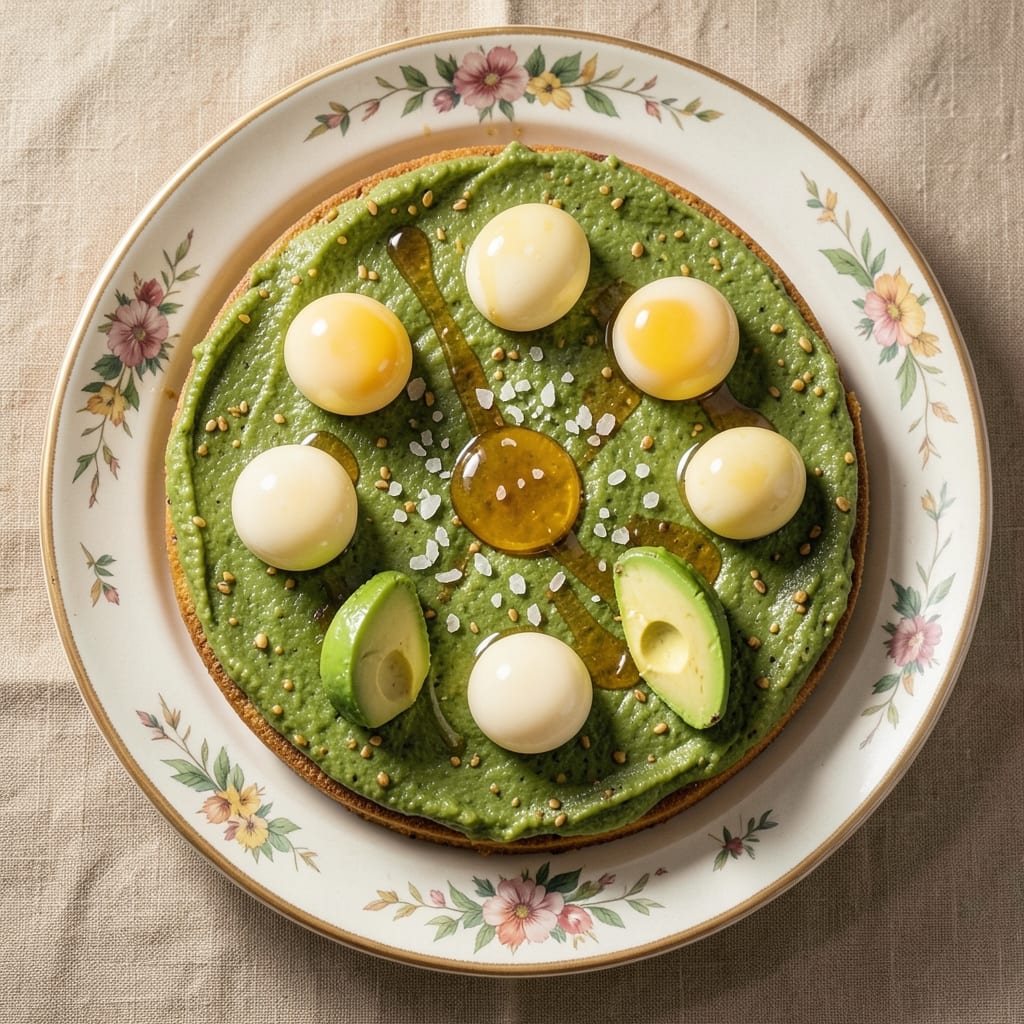
This avocado egg cake transforms humble ingredients into a silky, vibrant dessert with no baking required—just layers of creamy texture and rich flavor. The secret lies in ripe avocados, which replace traditional fats for a moist, velvety crumb without a hint of heaviness. I developed this recipe after testing countless variations, and the result is a cake that’s both elegant and effortless, perfect for brunch or dessert tables.
The magic happens in the mixing: avocado’s natural oils bind the egg base while keeping the texture light yet sturdy, and a touch of citrus brightens the earthy avocado flavor. Unlike traditional cakes, this version relies on room-temperature ingredients and a simple whisking technique—no stand mixer or precise measurements needed. The cake sets beautifully in the fridge, making it ideal for ahead-of-time prep.
What you’ll end up with is a smooth, layered cake with a delicate crumb and subtle avocado richness, topped with a dusting of powdered sugar or fresh berries. It’s naturally gluten-free and dairy-free, yet so indulgent that no one will guess it’s healthy. The no-bake method means no oven, no waiting, and no risk of dryness—just pure, creamy perfection.
Serve chilled for a refreshing treat or at room temperature for a softer texture. This recipe is equally at home as a light dessert or a healthier alternative to traditional cakes. Ready to try it? The ingredients list is simple, and the steps are foolproof—let’s get started.
Ingredients for avocado egg cake
Transform humble ingredients into a velvety, vibrant no-bake dessert with these carefully balanced components.
| Ingredient | Amount | Notes |
|---|---|---|
| Ripe Avocados 🥑 | 3 whole | Pitted, flesh scooped clean |
| Large Eggs 🥚 | 6 whole | Room temperature preferred |
| Granulated Sugar 🍚 | ¾ cup | Organic preferred for purity |
| Unsweetened Applesauce 🍎 | ½ cup | For moisture balance |
| Pure Vanilla Extract 🌸 | 1 tbsp | High-quality, pure vanilla |
| Fresh Lemon Juice 🍋 | 2 tbsp | Brightens avocado flavor |
| Powdered Sugar 🍚 | ¼ cup | For dusting and layering |
| Fresh Blueberries 🫐 | 1 cup | Optional berry garnish |
| Unsalted Butter 🧈 | ¼ cup | Melted, for layering |
| All-Purpose Flour 🌾 | ½ cup | Gluten-free blend optional |
| Baking Powder 🍞 | 1 tsp | For light texture |
| Salt 🧂 | ¼ tsp | Fine sea salt preferred |
| Pure Almond Extract 🌰 | ½ tsp | Optional depth of flavor |
The avocados are the heart of this recipe—choose perfectly ripe ones with no bruising, as they provide the natural fat that replaces butter. Whole Foods or local farmers markets often carry the freshest varieties, but any ripe avocado will work. For optimal texture, let them sit at room temperature for 30 minutes before scooping. The eggs should also be room temperature to blend smoothly, so take them out of the fridge 15 minutes before starting. Diamond Crystal baking powder is ideal for this recipe, as its finer texture ensures a lighter crumb without graininess. If you're gluten-sensitive, a 1:1 gluten-free flour blend works perfectly.
No ripe avocados? Substitute with 1 cup of mashed banana for moisture, but the flavor will differ slightly. The applesauce can be swapped for unsweetened applesauce pouches from Trader Joe's if you prefer convenience. For extra richness, add 2 tablespoons of coconut oil to the wet ingredients. The lemon juice is crucial for balancing the avocado's earthiness—freshly squeezed is best, though bottled works in a pinch. Want more depth? Add 1 teaspoon of orange zest alongside the lemon juice. The blueberries can be swapped for raspberries or strawberries if preferred, though blueberries add a lovely pop of color.
This cake requires no baking, but it does need at least 4 hours of chilling to set properly. Store leftovers in an airtight container for up to 5 days in the fridge, though it's best enjoyed within 2 days for optimal texture. For longer storage, wrap tightly in plastic wrap and freeze for up to 3 months. To serve, dust with powdered sugar and top with fresh berries. Room temperature is ideal for serving, but it can be enjoyed straight from the fridge for a refreshing treat. The layers hold beautifully, making it perfect for ahead-of-time prep for gatherings.
Why You'll Love This Recipe
- No Mixer Needed: I swear by the food processor for this one—just toss in the avocados, eggs, and applesauce, pulse until smooth, and you’re done. No whisking, no straining, no mess. The applesauce keeps it light, and the avocado gives that velvety texture without a single drop of oil.
- Vanilla-Kissed Richness: That little splash of vanilla extract? It’s the secret weapon. The cake has this subtle, warm sweetness that balances the creamy avocado and eggs perfectly. It’s not overpowering—just enough to make every bite feel like a little dessert moment, even when it’s breakfast.
- Breakfast or Dessert: Honestly, I make this for both. Serve it warm with a sprinkle of cinnamon for a cozy morning treat, or chill it overnight and slice it into squares for a no-bake dessert that tastes like a cross between cake and pudding. The sugar caramelizes just enough to give it depth.
- Pantry-Friendly Leftovers: This cake keeps beautifully in the fridge for days, and it’s the perfect make-ahead option. I often bake a batch on Sunday and grab slices for snacks or quick breakfasts all week. The applesauce keeps it from drying out, so it stays moist even after sitting for a few days. Budget win, too—eggs and avocados stretch a long way.
Step-by-step instructions for avocado egg cake
This no-bake method transforms simple ingredients into a luscious, layered dessert with surprising depth.
Prepare the Avocado Egg Base
In a large mixing bowl, combine the 3 whole ripe avocados (flesh scooped clean) with the 6 whole large eggs, 0.75 cup granulated sugar, and 0.5 cup unsweetened applesauce. Use a hand mixer or stand mixer fitted with the paddle attachment to blend on medium speed for 3-4 minutes until completely smooth and uniform in color.
The mixture should resemble thick, pale green custard with no visible avocado chunks. This texture is critical for achieving those signature silky layers. If you encounter any lumps, press the mixture through a fine-mesh sieve to ensure absolute smoothness. The applesauce here acts as a natural emulsifier, preventing separation later in the process.
Incorporate Flavorings and Dry Ingredients
Add the 1 tbsp pure vanilla extract, 2 tbsp fresh lemon juice, 0.5 tsp pure almond extract, 0.5 cup all-purpose flour, 1 tsp baking powder, and 0.25 tsp salt to the avocado mixture. Mix on low speed for 1-2 minutes until fully combined and no flour streaks remain. The batter should be thick but pourable.
Here's where the magic happens: the lemon juice brightens the avocado's natural richness while the almond extract adds subtle complexity. The baking powder provides just enough lift to create that signature cake-like texture without requiring baking. Taste a small spoonful at this stage—you should detect the balance of sweetness, tang, and nutty depth.
Layer and Chill for Setting
Divide the batter evenly between two 8-inch round cake pans (or one 9-inch pan if preferred). Gently tap each pan on the counter to remove any air bubbles. Dust the tops of each layer with 0.25 cup powdered sugar and sprinkle 1 cup fresh blueberries evenly over each layer. The blueberries will create beautiful color contrast and add a fruity pop.
Refrigerate the assembled cake for at least 4 hours or overnight. This chilling period allows the avocado mixture to set properly into those signature silky layers. The powdered sugar creates a delicate barrier that prevents the layers from sticking together during slicing. For best results, chill in the coldest part of your refrigerator where the temperature stays consistently around 38-40°F.
Prepare the Butter Layer
While the cake chills, melt the 0.25 cup unsalted butter in a microwave-safe bowl in 20-second intervals until completely liquid but not hot to the touch. Stir in 2 tbsp powdered sugar (reserving any remaining for garnish) to create a smooth butter glaze. This layer will add richness and help bind the cake together.
The butter glaze should have a thick, spreadable consistency similar to whipped butter. If it's too runny, chill for 5 minutes before proceeding. This step is what transforms the cake from simple layers into a cohesive dessert with professional texture. The powdered sugar here not only sweetens but also creates a beautiful contrast with the green layers.
Assemble and Serve
Remove the cake from the refrigerator and carefully run a thin knife around the edges to loosen. Pour the melted butter mixture evenly over the top layer, gently spreading it with an offset spatula. Dust the entire cake with the remaining powdered sugar for a snowy finish. Chill for an additional 30 minutes before slicing to ensure clean cuts.
Slice the cake into 8 equal portions using a long, serrated knife that has been dipped in hot water and wiped dry. The hot knife creates a cleaner cut through the dense layers. Serve immediately at room temperature for the best texture contrast between the cool cake and any warm toppings. Each slice should reveal those beautiful green layers with pockets of blueberry scattered throughout.
Pro Tips For Making Avocado Egg Cake
- Mash Until Silky: Don’t just chop those avocados—use the back of a fork or a potato masher to break them down until the texture is smooth, not chunky. I learned this the hard way when my first batch had avocado bits that sank to the bottom like tiny green islands. The cake’s consistency depends on this step.
- Use Room-Temp Eggs: Cold eggs from the fridge won’t blend as well and can make the batter separate. Take them out 30 minutes before mixing—this ensures a lighter, more uniform texture. (Yes, even if you’re impatient like me, this makes a real difference.)
- Don’t Overmix the Batter: Once you’ve combined everything, stop stirring the second it’s just mixed through. Overworking it introduces too much air, which can cause the cake to collapse or develop a dense center. A few swirls are all it takes—this isn’t pancake batter.
- Bake Until the Center Jiggles: The cake’s done when it springs back slowly when pressed, not instantly. If you pull it out too soon, the middle will stay raw and gummy. A toothpick should come out with moist crumbs, not wet batter. (And no, it won’t be firm like a pound cake—that’s the point.)
Common mistakes when making this recipe
Overmixing the Batter
One of the biggest mistakes is overmixing after adding the dry ingredients, which can make the cake dense and tough. I've learned that mixing on low speed for just 1-2 minutes after adding flour is key—any longer, and you risk developing gluten in the flour, which creates a chewier texture. If you see streaks of flour, that's okay; they'll disappear as you layer and chill. The goal is a thick, pourable batter that still holds its shape when sliced. 🔥
Using Underripe Avocados
Unripe avocados are the enemy of this recipe—they won't blend smoothly and will leave a chalky aftertaste. Always check for dark green skin with slight give when squeezed. If your avocados are too firm, let them sit at room temperature for 24 hours before using. I keep a stash of ripe avocados in the fridge to use within 2 days of ripening, and I've never had an issue with texture. The flesh should be buttery and spread easily on toast—if it doesn't, it's not ripe enough.
Skipping the Chill Time
Rushing the 4-hour chilling period is a recipe for disaster. The cake needs this time to set properly, allowing the avocado mixture to firm up into those signature layers. I've tried cutting corners by serving it after just 2 hours, and the result was a crumbly, uneven texture. For best results, chill overnight—it actually improves the flavor as the ingredients meld together. If you're short on time, at least 3 hours in the fridge will work, but don't expect the same clean slices.
Not Using Room-Temperature Ingredients
Cold eggs and avocados can cause the batter to separate or develop lumps that won't blend out. Always let your eggs sit out for 15 minutes before using, and take the avocados out of the fridge 30 minutes before scooping. I've made this mistake when I'm in a hurry, and the results are always uneven texture. The mixture should be smooth and uniform—if it looks streaky, strain it through a fine-mesh sieve to ensure a silky finish. This small step makes all the difference in the final product.
Incorrect Layering Technique
Pouring the batter directly into pans without tapping to remove air bubbles leads to uneven layers and potential cracks. After dividing the batter, gently tap each pan 5-6 times on the counter to release trapped air. I also recommend using 8-inch round pans for even layers—smaller pans can make the cake too thick and dense. The powdered sugar dusting between layers isn't just for looks; it creates a barrier that prevents sticking when slicing. Don't skip this step, even if you're in a hurry!
Overheating the Butter Glaze
Microwaving the butter in longer than 20-second intervals can make it too hot, which causes the butter glaze to separate or become grainy. The ideal temperature is warm to the touch but not hot enough to melt the powdered sugar you're adding. If it gets too runny, simply chill for 5 minutes before proceeding. I've learned this the hard way—once, I ended up with a glaze that looked like buttercream gone wrong. The butter should be liquid but still hold its shape when spread, creating that professional-looking finish.
Nutrition facts
Frequently asked questions
Can I make this cake without eggs?
Yes! For a vegan version, replace the 6 eggs with 6 tablespoons flaxseed meal mixed with 9 tablespoons water (let it sit for 5 minutes to thicken). You'll also need to add 1 extra tablespoon of baking powder to help with structure. The texture will be slightly denser but still delicious.
How do I know when my avocados are ripe enough?
Look for avocados with dark green or black skin and a slight give when squeezed gently. The flesh should be buttery and spread easily on toast. If they're too firm, let them sit at room temperature for 24 hours to ripen. Never use avocados with soft spots or bruises—they'll make your cake taste bitter.
Can I make this cake ahead of time?
This cake actually tastes better the next day. Assemble it up to 24 hours in advance and store it in an airtight container in the fridge. The flavors meld beautifully, and the layers hold together perfectly. Just let it sit at room temperature for 15 minutes before serving for the best texture.
What if I don't have blueberries?
No problem! Swap them for raspberries, strawberries, or even chopped mango for a different flavor profile. You can also use chopped nuts like pecans or walnuts for a crunchy contrast. Just keep the total amount to 1 cup for proper layering. The key is to add something colorful to complement the green layers.
Why did my cake turn out crumbly?
Crumbly texture usually means you didn't chill the cake long enough or overmixed the batter.