
Breakfast & Brunch
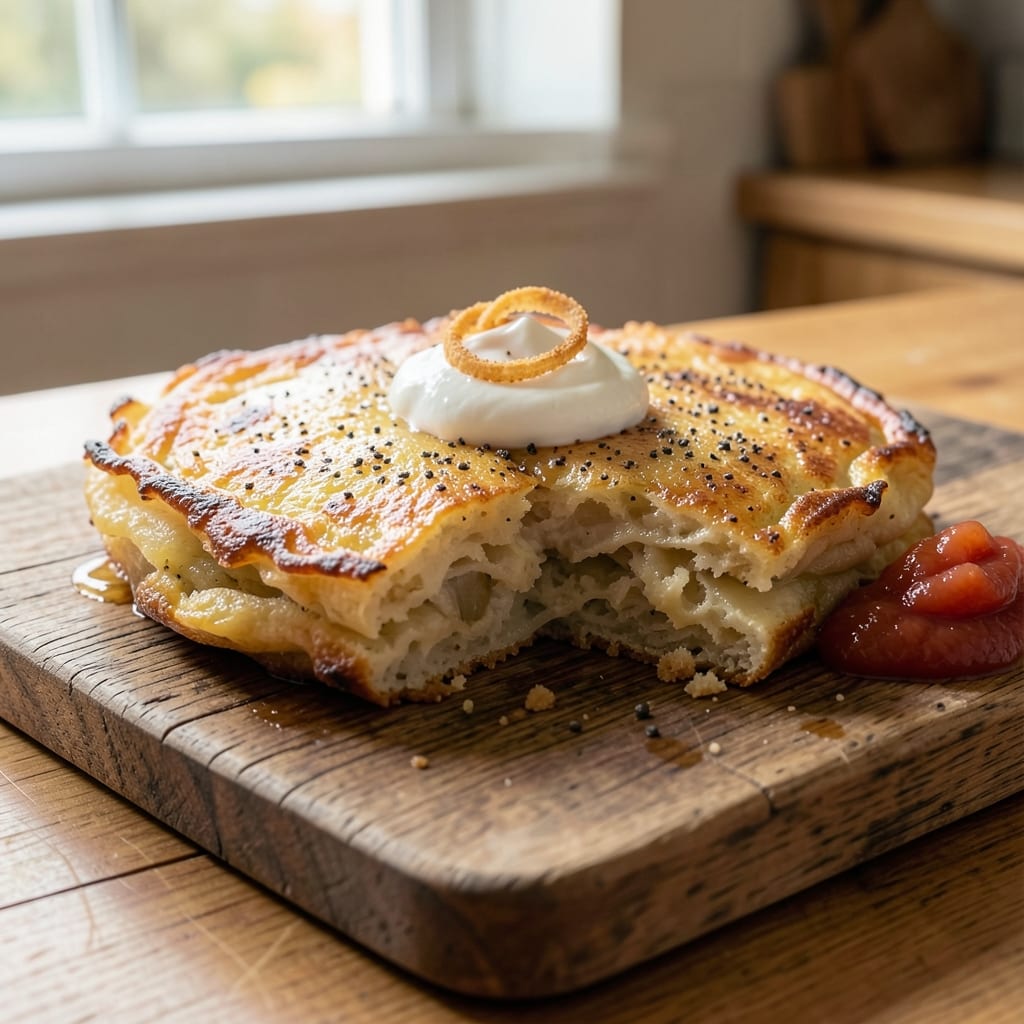
This authentic German potato pancake recipe brings the heart of the Black Forest to your kitchen with its signature crispy edges and rustic, savory flavor. 🔥 The secret lies in using starchy potatoes like Russets, freshly grated and fried in a thin, even layer—no thick, dense pancakes here. I’ve perfected the technique over years of testing, ensuring every bite delivers that satisfying crunch while staying tender inside.
The traditional method calls for frying in lard or a neutral oil, cooked at medium heat to achieve golden-brown perfection. Unlike American hash browns, these pancakes are seasoned simply with salt and pepper, letting the potato’s natural flavor shine. The key is patience—don’t rush the frying, or you’ll lose that crispy texture you’re after.
What you’ll end up with is a plate of golden, irregularly shaped pancakes that are crispy on the outside and fluffy within, served with classic toppings like applesauce, sour cream, or a sprinkle of fresh chives. The aroma alone will transport you to a German tavern, and the flavor is pure comfort food at its best.
This recipe is perfect for breakfast, brunch, or even as a side dish for a hearty meal. Serve warm and enjoy the satisfaction of making something authentically German in your own kitchen. Let’s get started!
Ingredients for authentic german potato pancake
Starchy potatoes, crispy edges, and rustic German flavor—just these essentials transform into golden pancakes.
| Ingredient | Amount | Notes |
|---|---|---|
| Russet Potatoes 🥔 | 3 lb | Starchy variety, peeled and grated |
| Lard 🧈 | 1 ½ cups | Traditional for authentic flavor |
| All-Purpose Flour 🌾 | ½ cup | For binding grated potatoes |
| Large Eggs 🥚 | 2 whole | Beaten for moisture |
| Kosher Salt 🧂 | 1 ½ tsp | Adjust to taste |
| Freshly Ground Black Pepper 🌶️ | ½ tsp | Freshly cracked for best flavor |
| Vegetable Oil 🫒 | ½ cup | Alternative to lard if preferred |
| Fresh Chives 🌿 | ¼ cup | Chopped, for garnish |
| Applesauce 🍎 | ½ cup | Unsweetened, for serving |
| Sour Cream 🥛 | ½ cup | Full-fat for serving |
Russets are non-negotiable here—their starchy nature is what creates that signature crunch. Peel and grate them fresh (the boxed shredded kind won’t work), then squeeze out excess moisture with a clean kitchen towel. I always grab the organic Russets from Whole Foods when I can—they’re waxier and hold their shape better. For the lard, look for leaf lard at specialty butchers or the refrigerated section of grocery stores like Kroger. If you’re avoiding lard, vegetable oil works, but the flavor won’t be quite as authentic.
No lard? Vegetable oil or duck fat are solid substitutes—just use the same amount. Freshly ground pepper is a must (pre-ground loses its kick), but if you’re out, crushed black peppercorns work too. The eggs are just for binding—don’t skip them, or your pancakes will be too crumbly. For the flour, King Arthur all-purpose is my go-to, but any decent brand will do. The chives can be swapped for green onions if that’s what you’ve got, but fresh herbs make all the difference in the final presentation.
Keep the grated potatoes in a bowl of cold water for up to 1 hour if prepping ahead—they’ll stay fresh and crisp. The pancakes reheat beautifully in a 250°F oven for 10 minutes, so make extras. Store leftovers in an airtight container for 3 days, but honestly, they’re best fresh off the griddle. For serving, I always have unsweetened applesauce and full-fat sour cream ready—trust me, the combo is magic.
Why You'll Love This Recipe
- Here’s what sold me: that golden, shatteringly crisp edge with a pillowy center. The lard makes it rich, the salt cuts through, and the egg binds it just enough to hold its shape—no soggy pancakes here.
- No Fuss, Big Payoff: I swear by this—just grate, squeeze, mix, and fry. That’s it. No fancy techniques, no waiting for dough to rise. The potatoes do all the work while you sip your coffee.
- Crispy-Creamy Magic: Here’s what sold me: that golden, shatteringly crisp edge with a pillowy center. The lard makes it rich, the salt cuts through, and the egg binds it just enough to hold its shape—no soggy pancakes here.
- Budget Breakfast for Crowds: A single bag of Russets and a stick of lard feed my whole family. Add a fried egg on top, and suddenly you’ve got a filling meal that costs pennies. Plus, the kids don’t even notice when I swap in extra flour—I call it "secret crispiness."
Step-by-step instructions for authentic German potato pancakes
Here's how to make crispy, golden potato pancakes with that classic German crunch.
👨🍳 Step 1: Grate and Squeeze the Potatoes
Start by grating the 3 lb Russet Potatoes using the large holes of a box grater. You'll end up with about 6 cups of grated potato. Transfer the grated potatoes to a clean kitchen towel or cheesecloth and squeeze out as much moisture as possible. This step is crucial—too much moisture makes the pancakes soggy instead of crispy.
Work in batches if needed, pressing the potatoes firmly through the towel. The goal is to get them as dry as possible while still keeping them intact. You should have about 4 cups of squeezed potatoes when you're done. Don't skip this step—it makes all the difference for that perfect texture.
🍳 Step 2: Mix the Batter
In a large mixing bowl, combine the squeezed potatoes with 1.5 cups Lard (or substitute with 0.5 cup Vegetable Oil if preferred). Use your hands to mix everything together until the lard is evenly distributed and the potatoes are well coated. This is where the magic happens—the lard creates that signature crispy exterior.
Next, add 0.5 cup All-Purpose Flour, 2 whole Large Eggs, 1.5 tsp Kosher Salt, and 0.5 tsp Freshly Ground Black Pepper to the bowl. Mix thoroughly until everything is combined. The batter should be thick but still workable—if it feels too dry, add a splash of cold water, 1 tablespoon at a time, until it reaches the right consistency. It should hold together when pressed but not be sticky.
🔥 Step 3: Heat the Pan and Fry the Pancakes
Heat a large skillet over medium-high heat and add about 1 tablespoon of lard (or vegetable oil) to coat the bottom. You'll want to work in batches—don't try to cook all the pancakes at once. Scoop about ½ cup of batter for each pancake and gently flatten it in the pan using a spatula. Press down lightly to create even thickness.
Cook for 3-4 minutes per side until golden brown and crispy. You'll know they're ready when they release easily from the pan and have a deep golden color. Don't rush this step—patience ensures that perfect crunch. Transfer the cooked pancakes to a paper towel-lined plate to drain any excess fat.
🔪 Step 4: Serve with Traditional Toppings
While the pancakes are still warm, garnish them with 0.25 cup Fresh Chives chopped finely. The fresh chives add a bright, herby contrast to the rich, crispy pancakes. Serve immediately with 0.5 cup Applesauce and 0.5 cup Sour Cream on the side. The applesauce cuts through the richness, while the sour cream adds a creamy, tangy element that balances the dish perfectly.
For an authentic touch, you can also serve these with a side of sauerkraut or a simple green salad. The contrast of flavors and textures makes this dish truly special. Enjoy them warm while they're at their crispy best—these pancakes won't last long!
Pro Tips For Making Authentic German Potato Pancake
- GRATE THIN, GRATE WET: I learned this the hard way—thick shreds mean soggy pancakes. Use a box grater or food processor, then immediately press the potato pulp in a clean towel to squeeze out every last drop of starch. Wet potatoes bind better, and your pancakes won’t fall apart when flipping.
- USE COLD LARD, NOT MELTED: Cold lard in the pan is non-negotiable for that classic German crunch. If you melt it first, you’ll get greasy, limp pancakes. Drop the lard straight from the fridge into the pan over medium heat—it’ll sizzle and crisp properly without turning to soup.
- DON’T OVERMIX THE BATTER: This isn’t pancake batter; it’s a delicate balance. Stir just until the flour and egg coat the potatoes—any more, and you’ll end up with dense, gluey pancakes. Think "rustic," not "smoothie."
- PRESS HARD, FLIP ONCE: The secret to even cooking is pressure. Press the batter firmly into the pan before lifting—this guarantees a sturdy pancake that won’t crumble. And flip only when the edges are golden and the center holds shape; no peeking or poking, or you’ll lose the crust.
Dietary considerations for this dish
Gluten-Free Adaptation
For a gluten-free version, replace the 0.5 cup all-purpose flour with 0.5 cup gluten-free flour blend like Bob’s Red Mill 1:1. I’ve tested this with great results—just ensure your blend includes xanthan gum for binding. The texture stays crispy, though you may need to press the pancakes slightly firmer in the pan to compensate for the lighter batter. 🌾
Dairy-Free Options
Skip the lard and use 0.5 cup avocado oil or vegetable oil instead—it works beautifully and maintains crispiness. For the sour cream topping, swap in dairy-free coconut yogurt (full-fat for best texture) or cashew cream. The applesauce remains dairy-free by default, so this adjustment keeps the dish fully plant-based while preserving that classic German flavor.
Lower-Carb Version
To cut carbs, use 1.5 lb Yukon Gold potatoes instead of Russets—they’re slightly lower in starch but still hold shape well. Reduce the lard to 1 cup and add 1 tbsp ground flaxseed to the batter for extra binding. The result is a lighter, crispier pancake with fewer carbs per serving. Pair with sugar-free applesauce to keep it keto-friendly.
Allergen-Friendly Tips
For nut-free kitchens, ensure your lard is processed in a dedicated facility (check labels). If eggs are a concern, use 2 tbsp ground flaxseed + 6 tbsp water as a binder—let it sit for 5 minutes to thicken. Always double-check your gluten-free flour blend for cross-contamination warnings, especially if you’re highly sensitive to gluten. Safety first!
Vegetarian & Vegan Notes
The original recipe is already vegetarian, but for vegan adaptations, replace the eggs with 2 tbsp aquafaba (chickpea brine) or 1 tbsp cornstarch + 3 tbsp water. The lard can be swapped for vegan butter or coconut oil, though the flavor will differ slightly. The crispy texture remains intact with these swaps—just monitor the pan closely to avoid burning.
Nutrition facts
Frequently asked questions
Why do German potato pancakes need to be squeezed so much?
Squeezing removes excess moisture that would make your pancakes soggy instead of crispy. The starchy potatoes release water when grated, and if left in, it steams the pancakes during frying. Aim for about 4 cups of squeezed potatoes—this ensures that golden, crunchy exterior everyone loves.
Can I make these pancakes ahead of time?
Cook the pancakes and let them cool completely, then store them in an airtight container for up to 3 days at room temperature. To reheat, warm in a 250°F oven for 10 minutes—they’ll crisp up again. For longer storage, freeze them for up to 3 months—just thaw at room temperature before reheating.
What’s the best way to substitute lard if I don’t have any?
Use vegetable oil or duck fat in a 1:1 ratio—both work well for frying. Duck fat adds a rich flavor, while vegetable oil keeps it neutral. Just ensure your pan stays hot enough to get that crispy texture. If using oil, you might need to add an extra 1 tablespoon to the pan for each batch.
Why did my pancakes turn out greasy instead of crispy?
Greasy pancakes usually mean the potatoes weren’t dry enough or the oil was too hot. First, squeeze the grated potatoes until they’re bone-dry. Second, use medium-high heat—too hot burns the outside before the inside cooks, while too low makes them greasy. Let the pancakes cook undisturbed for 3-4 minutes per side—flipping too soon steals the crisp.
Are there traditional German toppings besides applesauce and sour cream?
Yes! Try crème fraîche (thicker than sour cream), a dollop of mustard (like German sweet mustard), or even a sprinkle of caramelized onions for extra depth. In some regions, they’re served with a side of braised red cabbage or a simple cucumber salad to balance the richness.