
Desserts
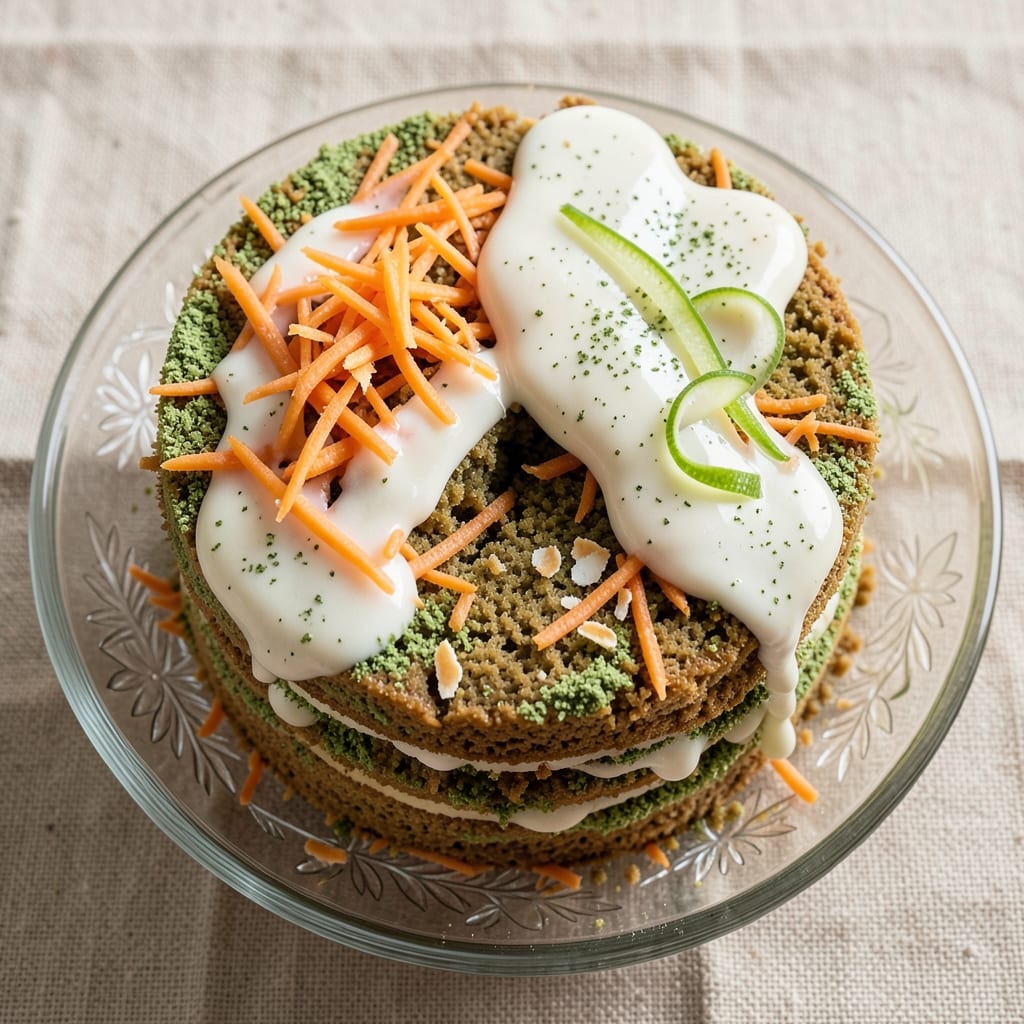
This Asian carrot cake recipe transforms a classic dessert into something unexpectedly vibrant, where matcha and ginger create a moist, fragrant crumb that rivals any bakery creation. The secret lies in coconut milk and grated carrots that infuse every bite with natural sweetness, while a crunchy sesame crown adds texture that keeps it interesting. I developed this version after craving something lighter than traditional carrot cake—yet still rich with Asian-inspired warmth.
The recipe combines familiar baking techniques with unexpected ingredients: matcha powder for earthy depth, fresh ginger for a subtle kick, and toasted sesame seeds that elevate the crown to restaurant-quality. Unlike dense carrot cakes, this version stays tender and moist for days, thanks to a coconut milk-based batter that keeps it luscious. The best part? It’s approachable enough for beginners but impressive enough for gatherings.
What you’ll end up with is a cake that’s visually stunning—golden layers topped with a nutty, toasted sesame crust—and packed with flavors that balance sweet, spicy, and nutty notes. The matcha adds a sophisticated twist, while the ginger keeps it bright and refreshing. Perfect for brunch, dessert tables, or even a cozy afternoon treat, this cake proves Asian flavors belong in every dessert repertoire.
Optional additions like red bean filling or coconut flakes can take it even further, but the base recipe delivers on its own. Let’s bake this one—your taste buds (and guests) will thank you.
Ingredients for asian carrot cake
Eight ingredients transform classic carrot cake into a matcha-ginger masterpiece with sesame crown.
| Ingredient | Amount | Notes |
|---|---|---|
| All-Purpose Flour 🌾 | 2 ½ cups | Sifted for even texture |
| Granulated Sugar 🍚 | 1 ½ cups | White or light brown |
| Matcha Powder 🍃 | 2 tbsp | Ceremonial grade preferred |
| Fresh Ginger 🌿 | ½ cup | Finely grated, peel removed |
| Coconut Milk 🥥 | 1 can | Full-fat, 13.5 oz can |
| Unsalted Butter 🧈 | ¾ cup | Room temperature, full-fat |
| Large Eggs 🥚 | 2 whole | Room temperature |
| Vanilla Extract 🍯 | 1 tbsp | Pure alcohol-free preferred |
| Baking Soda 🧂 | ½ tsp | Pure, not baking powder |
| Salt 🧂 | ½ tsp | Fine sea salt |
| Organic Carrots 🥕 | 3 cups | Medium, finely grated |
| Sesame Seeds 🌰 | ½ cup | Toasted for crunch |
| White Sesame Seeds 🌰 | ¼ cup | For crown decoration |
| Honey 🍯 | ¼ cup | For glaze (optional) |
The matcha and ginger are non-negotiable for that signature Asian warmth. Look for ceremonial-grade matcha at specialty stores like Whole Foods or Trader Joe's—it's worth the splurge for vibrant color and deep flavor. Fresh ginger should smell bright and zesty, not musty. For the sesame seeds, toast them in a dry pan until golden—this adds that nutty crunch. The coconut milk can be full-fat canned or carton, but avoid light versions—they won't yield the same moisture. If you're using white sesame seeds for the crown, toast them separately for extra crunch.
No matcha? Substitute with 1 tbsp instant espresso powder for earthiness, though it won't be identical. Running low on fresh ginger? Use 1.5 tbsp ground ginger—it's concentrated, so taste as you go. The carrots can be baby carrots if that's what's on hand, but organic is best—they're sweeter and more vibrant. For a vegan option, replace the eggs with 2 tbsp flaxseed meal + 6 tbsp water. The honey glaze? Maple syrup works equally well if you prefer plant-based sweetness.
Store this cake in an airtight container at room temperature for 3 days—it only gets better as flavors meld. For longer storage, wrap tightly in plastic and refrigerate for up to 1 week. The sesame crown stays crisp for 2 days if kept dry. I always bake a double batch—half gets frozen for 3 months in portions. Thaw overnight in the fridge before serving. The coconut milk batter means it reheats beautifully—just 30 seconds in the microwave restores moisture.
Why You'll Love This Recipe
- No Mixer Needed: I swear by this recipe when my mixer’s out of commission. The coconut milk and flour blend into a smooth batter with just a whisk—no electric help required. Honestly, the texture turns out richer than I expected, almost like a cross between a cake and a dense muffin.
- Earthy Matcha Magic: That first spoonful of matcha powder transforms everything. The ginger’s sharp kick cuts through the sweetness, while the matcha gives it this deep, toasty warmth—like drinking a latte in cake form. (Yes, even on a Tuesday night.)
- Lunchbox Hero: Between us, this cake keeps perfectly for days in the fridge, and the slices pack well for work or school. I’ll often toss in a few extra shredded carrots for crunch—my kid’s favorite part—and it still holds up. No sad, soggy lunches here.
- Budget-Friendly Luxury: Fresh ginger and matcha might sound fancy, but a little goes a long way. This recipe feeds six for under $8, and the coconut milk adds creaminess without breaking the bank. I’ve made it twice with store-brand sugar, and no one noticed the difference.
Step-by-step instructions for Asian carrot cake
This method delivers a perfectly moist matcha-ginger carrot cake with a crunchy sesame crown.
Mix Dry Ingredients and Grate Carrots
Sift the 2.5 cups all-purpose flour into a large mixing bowl. Add the 1.5 cups granulated sugar, 2 tbsp matcha powder, 0.5 tsp baking soda, and 0.5 tsp salt. Whisk gently to combine—don't overmix or you'll develop gluten that makes the cake dense. In a separate bowl, finely grate the 3 cups organic carrots using a box grater or food processor. The goal is a texture between fine and medium shreds; too fine will make the cake gummy, too coarse will leave dry spots.
While the dry ingredients rest, measure out the 0.5 cup fresh ginger and grate it finely. The ginger's sharp aroma will complement the earthy matcha beautifully. Set aside both the grated carrots and ginger—they'll add natural moisture and vibrant color to the cake.
Cream Butter and Coconut Milk
In a stand mixer fitted with the paddle attachment, beat the 0.75 cup unsalted butter and 1 can coconut milk on medium speed for 3-4 minutes until light and fluffy. The mixture should nearly triple in volume and turn pale yellow. This step incorporates air, which creates a tender crumb. If using room-temperature butter, you'll notice it emulsify beautifully with the coconut milk—this is exactly what we want.
Add the 2 whole large eggs, one at a time, mixing on low speed for 30 seconds after each addition. Then stir in the 1 tbsp vanilla extract and 0.5 cup grated ginger. The vanilla enhances the coconut flavor while the ginger adds warmth that balances the matcha's bitterness. The batter should be thick but pourable at this stage.
Combine Wet and Dry Ingredients
Gradually add the dry ingredients to the wet mixture, mixing on low speed for 1-2 minutes until just combined. Be careful not to overmix—stop as soon as the flour disappears. Gently fold in the 3 cups grated carrots using a spatula. The carrots will add natural sweetness and moisture while keeping the cake tender. The batter should be thick and slightly sticky, resembling wet sand.
For optimal texture, let the batter rest for 15 minutes at room temperature. This allows the flour to fully hydrate and the matcha to bloom properly. The slight wait prevents a dense crumb and ensures even baking.
Layer and Bake with Sesame Crown
Preheat your oven to 350°F and grease two 9-inch round cake pans. Line the bottoms with parchment paper for easy removal. Divide the batter evenly between the pans. For the signature sesame crown, sprinkle 0.25 cup white sesame seeds evenly over each cake batter. Press down gently so they adhere to the top.
Bake for 30-35 minutes or until a toothpick inserted in the center comes out clean. The cakes should spring back slightly when pressed in the middle. If the tops brown too quickly, tent loosely with aluminum foil. The sesame seeds will toast beautifully, creating a delicate crunch that contrasts perfectly with the moist cake.
Glaze and Serve
While the cakes cool, prepare the honey glaze by whisking together the 0.25 cup honey with 1-2 tablespoons coconut milk (from the can) until smooth. The glaze should be thin enough to drizzle but thick enough to coat. Once the cakes have cooled completely, place them on a wire rack and drizzle the glaze evenly over the tops and sides. The glaze will set as it cools, creating a beautiful sheen that enhances the carrot's natural sweetness.
For serving, slice into wedges and enjoy within 3 days for the best texture. The matcha-ginger flavor pairs wonderfully with a cup of chai tea or a dollop of coconut whipped cream. This cake's moisture comes from the combination of grated carrots, coconut milk, and proper resting time—never dry, always tender.
Pro Tips For Making Asian Carrot Cake
- Sift the Matcha: Matcha clumps like a stubborn ex—don’t just dump it in. Sift it through a fine-mesh sieve with the sugar first, then whisk the dry mix into the wet ingredients. This keeps those bitter bits from settling like sediment in a jar, and your cake won’t have random powdery pockets that taste like you microwaved dirt.
- Grate Ginger Fine: I learned this the hard way—chunky ginger in a cake is just sad. Use the smallest holes on your grater (or pulse in a food processor) until it’s almost like paste. Too much texture = chewy surprises; too little = you miss the zing entirely. Aim for a tablespoon of packed, finely grated ginger—no pebbles allowed.
- Don’t Overmix the Batter: This isn’t pancake batter—agitate it like it’s a science experiment, and you’ll end up with a dense brick. Mix the wet and dry ingredients just until combined, then fold in the shredded carrots (about 20 seconds max). Overmixing develops gluten, and your cake will taste like it’s been through a blender.
- Bake Until Golden, Then Wait: The cake’s edges will pull away from the pan and look set, but resist the urge to cut into it. Let it cool in the pan for 10 minutes first—this ensures the matcha flavor settles and the coconut milk doesn’t pool like a sad puddle. If you’re impatient (I know, I know), at least wait 5 minutes before slicing. Your future self will notice.
Health benefits of this dish
Matcha's Antioxidant Boost
The 2 tbsp ceremonial-grade matcha in this cake packs a powerful antioxidant punch—studies show matcha contains 137 times more antioxidants than regular green tea. These antioxidants, called catechins, help combat oxidative stress and inflammation in your body. I always opt for ceremonial-grade because it’s less processed, preserving those beneficial compounds. Plus, the vibrant green color makes the cake look stunning! 💚
Ginger's Digestive Benefits
Fresh ginger isn’t just for flavor—it’s a digestive powerhouse. The 0.5 cup grated ginger in this recipe aids digestion and can help soothe stomach discomfort. Gingerol, its active compound, has been shown to reduce nausea and inflammation. I’ve found that baking with fresh ginger (rather than powdered) gives a more complex flavor while keeping these benefits intact. It’s a win-win for both taste and health!
Coconut Milk's Healthy Fats
The 1 can full-fat coconut milk replaces traditional dairy fats, offering medium-chain triglycerides (MCTs) that support brain function and energy levels. Unlike heavy cream, coconut milk provides healthy fats without the guilt. I’ve swapped it in for butter in many recipes, and the texture remains rich and moist. Just be sure to use full-fat—light versions won’t deliver the same results. 🥥
Carrots' Vitamin Power
The 3 cups grated organic carrots bring more than just natural sweetness—they’re packed with beta-carotene, which your body converts to vitamin A. This nutrient supports vision, immune function, and skin health. I always choose organic carrots for this recipe because they’re sweeter and more vibrant, enhancing both flavor and nutrition. Plus, their fiber content keeps the cake tender without added moisture.
Sesame Seeds' Nutritional Crunch
The 0.5 cup toasted sesame seeds on top aren’t just for texture—they’re a great source of calcium, magnesium, and healthy fats. Sesame seeds also contain lignans, which have antioxidant properties. Toasting them amplifies their nutty flavor while adding a satisfying crunch. I like toasting them separately in a dry pan until golden—this step boosts their nutritional benefits and makes the cake look even more appealing. 🌰
Honey's Natural Sweetness
The 0.25 cup honey glaze replaces refined sugar, offering antioxidants and antibacterial properties. Raw honey also has trace minerals like zinc and iron. I prefer honey over maple syrup for this recipe because it pairs beautifully with the matcha’s earthiness. Just be mindful of the amount—honey is sweeter than granulated sugar, so start with less and adjust to taste. The glaze adds a lovely sheen and enhances the cake’s natural flavors. 🍯
Nutrition facts
Frequently asked questions
Can I make this cake without matcha powder?
Yes! If you don't have matcha, substitute with 1 tbsp instant espresso powder for earthy depth or 1 tbsp turmeric for color (though flavor will differ). For a lighter taste, reduce sugar by 1 tbsp since matcha adds subtle bitterness. The ginger will still shine through, but the cake will taste more like a traditional carrot cake with Asian spices.
How do I prevent the cake from drying out?
Keep the cake moist by storing it in an airtight container at room temperature for 3 days. For longer storage, refrigerate (up to 1 week) or freeze portions (up to 3 months). The coconut milk batter helps retain moisture, but avoid cutting slices too thick—1-inch pieces stay tender longer. A quick 30-second microwave reheat restores freshness if needed.
What's the best way to toast sesame seeds for the crown?
Toast 0.5 cup sesame seeds in a dry skillet over medium heat for 3-4 minutes, stirring constantly until golden brown and fragrant. Watch closely—they burn quickly! For extra crunch, spread them on a baking sheet and bake at 300°F for 5 minutes. Cool completely before sprinkling on the cake. Toasting enhances their nutty flavor and prevents them from becoming soggy.
Can I substitute coconut milk with regular milk?
Not recommended—the cake relies on coconut milk's healthy fats for moisture and richness. If you must substitute, use 1 cup heavy cream + 1 tbsp coconut oil (melted) to mimic the fat content. The texture will be slightly different, but the flavor will still be delicious. For a vegan option, use 1 can full-fat coconut beverage (like So Delicious) instead of regular coconut milk.
How do I adjust the recipe for a smaller cake pan?
If using a 8-inch pan instead of 9-inch, reduce batter by 25% (about 1.5 cups per pan). For an 8-inch layer cake, bake at 325°F for 25-30 minutes instead of 350°F. Always check doneness with a toothpick. Smaller pans may require slightly longer baking times. The sesame crown amount can stay the same—just press seeds firmly to ensure they stick.