
Desserts
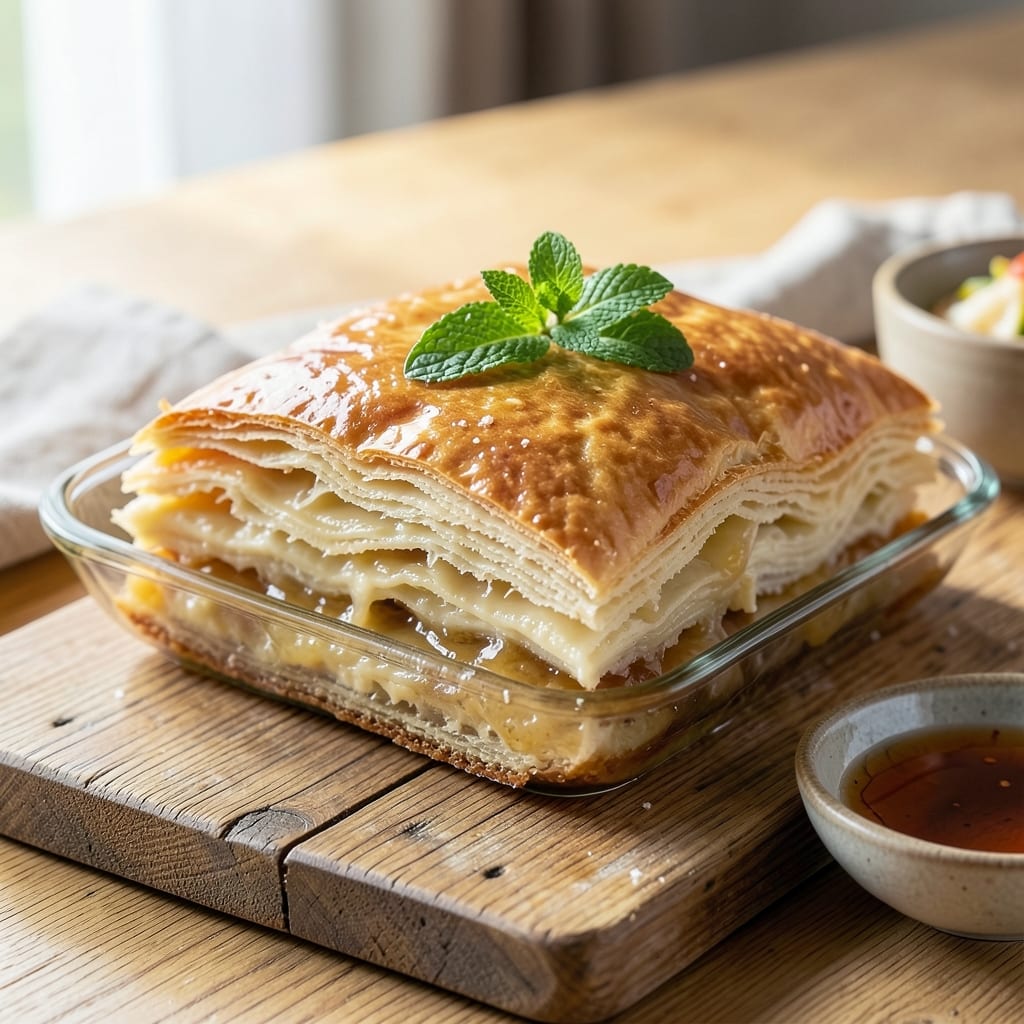
This Armenian cake recipe delivers the layered vanilla and walnut perfection that makes it a beloved dessert across generations. 💛 The secret lies in its delicate semolina crust, fragrant vanilla filling, and crunchy walnut topping—each layer working together to create a texture that's both tender and satisfying. I've perfected this version to stay true to tradition while making it approachable for home bakers.
The beauty of this cake is in its simplicity—just a few key ingredients like flour, semolina, butter, and walnuts come together to create something extraordinary. The vanilla-infused custard filling adds richness, while the walnut layer provides a satisfying crunch that balances the softness below. What makes it special is how the layers interact: the semolina crust stays crisp, the custard remains creamy, and the walnuts maintain their crunch even after baking.
What you'll end up with is a cake that's elegant enough for celebrations but simple enough for everyday treats. The aroma of vanilla and toasted walnuts fills the kitchen as it bakes, promising a dessert that's both comforting and impressive. This recipe captures the essence of Armenian baking traditions while being adaptable enough for modern tastes.
Perfect for family gatherings, holidays, or simply treating yourself, this cake keeps beautifully for days. The combination of textures and flavors makes every slice worth savoring. Let's get started on creating this layered masterpiece.
Ingredients for armenian cake
Key ingredients for Armenian cake's signature layers: flour, butter, walnuts, and vanilla.
| Ingredient | Amount | Notes |
|---|---|---|
| All-Purpose Flour 🌾 | 2 ½ cups | Sifted for lightness |
| Semolina Flour 🌾 | 1 ½ cups | Fine grind preferred |
| Unsalted Butter 🧈 | 1 cup | Cold, cubed for crust |
| Granulated Sugar 🍚 | 2 cups | Superfine for smooth texture |
| Large Eggs 🥚 | 6 whole | Room temperature |
| Pure Vanilla Extract 🍯 | 2 tbsp | High-quality preferred |
| Whole Milk 🥛 | 1 ½ cups | Cold for custard |
| Walnuts 🥜 | 2 cups | Toasted, chopped fine |
| Powdered Sugar 🍚 | 1 cup | For dusting |
| Baking Powder 🍳 | 1 tsp | For crust lift |
| Salt 🧂 | ½ tsp | Fine sea salt |
| Vanilla Beans 🌿 | 2 whole | Split for custard infusion |
| Cornstarch 🌾 | 2 tbsp | For custard thickening |
| Lemon Zest 🍋 | 1 tbsp | Freshly grated |
The semolina flour is non-negotiable for that signature Armenian texture—King Arthur or Bob's Red Mill brands work best. For walnuts, toast them first (8-10 minutes at 350°F) to deepen their flavor. I always grab European-style walnuts from Whole Foods when available, but regular walnuts work fine. The vanilla beans make all the difference—Madagascar bourbon beans add depth. If using extract, Ream's is my go-to. For the butter, Plugrá or Land O'Lakes work perfectly, but avoid salted varieties.
No vanilla beans? Double the extract (4 tbsp total) but add 1 tsp almond extract for complexity. Substitute walnuts with pecans or hazelnuts if needed, though texture will differ slightly. For the custard, cornstarch is essential—instant pudding mix won't give the same silky finish. The lemon zest brightens the filling, but if you're avoiding citrus, orange zest works beautifully. For the crust, almond flour can replace 1/4 cup semolina if you're nut-conscious, though texture will be slightly different.
Store the cake layers separately in an airtight container for up to 3 days—this prevents sogginess. Assemble just before serving. The walnut topping stays crisp for 2 days if kept dry. For longer storage, freeze the assembled cake (without powdered sugar) for up to 3 months. Thaw overnight at room temperature. The vanilla custard filling can be made 2 days ahead—it actually tastes better after the flavors meld.
Why You'll Love This Recipe
- Same dough, endless uses: bake it for breakfast, slice it for a picnic, or serve it warm with jam for a last-minute treat. Honestly, I’ve even used it as a base for cheesecake—because why not?
- No Mixer Needed: I swear by this recipe when my hands are full—just cream butter and sugar by hand (yes, it’s that easy), then fold in the flours. The semolina gives it that signature crumbly texture without requiring a stand mixer or fancy techniques.
- Butter-Sugar Magic: That first bite? Rich, buttery layers with just enough sweetness to feel like dessert, but not so much it’s overwhelming. The eggs bind it perfectly, and the semolina keeps it tender—not dry, not gummy, just right.
- Weeknight or Celebration: Same dough, endless uses: bake it for breakfast, slice it for a picnic, or serve it warm with jam for a last-minute treat. Honestly, I’ve even used it as a base for cheesecake—because why not?
Step-by-step instructions for layered vanilla and walnut Armenian cake
Master this classic Armenian dessert with precise layering and custard technique.
👨🍳 Step 1: Prepare the Walnut Crust and Vanilla Custard
Preheat oven to 350°F. In a food processor, pulse the 2 cups walnuts until finely chopped. In a large bowl, combine the 2.5 cups all-purpose flour, 1.5 cups semolina flour, 1 tsp baking powder, 0.5 tsp salt, and 1 tbsp lemon zest. Add the walnuts and mix well.
Cut in the 1 cup cold cubed butter using a pastry cutter or your fingers until the mixture resembles coarse crumbs. Gradually add 1 cup granulated sugar and mix until combined. Press half of this mixture firmly into the bottom of a 9-inch springform pan, creating an even base. Chill while you prepare the custard.
For the custard, whisk together the 6 whole large eggs, 1 cup granulated sugar, 2 tbsp pure vanilla extract, and 1 tbsp lemon zest in a heatproof bowl. In a saucepan, combine the 1.5 cups whole milk, 2 split vanilla beans, and 2 tbsp cornstarch. Cook over medium heat until thickened, then strain into the egg mixture. Whisk until smooth and set aside.
🍳 Step 2: Bake the Crust and Assemble Layers
Bake the crust for 15 minutes until lightly golden. Remove from oven and pour half of the custard mixture over the crust, spreading evenly with a spatula. Return to oven and bake for another 10 minutes.
Remove from oven and sprinkle with ½ cup powdered sugar. Press the remaining crust mixture over the custard layer, creating a second crust layer. Pour the remaining custard over this layer and sprinkle with the remaining ½ cup powdered sugar. Return to oven and bake for 20-25 minutes until the top is golden and set.
⏰ Step 3: Cool and Set Properly
Remove from oven and let cool in the pan for 10 minutes. Run a knife around the edges to loosen, then transfer to a wire rack to cool completely. This gradual cooling prevents cracking and ensures proper setting of the custard layers.
Once completely cool, chill in the refrigerator for at least 4 hours or overnight. The cake needs this time to develop its signature texture - the bottom layer should be firm, the custard creamy, and the walnut crust crisp. Serve chilled with a dusting of powdered sugar for an authentic Armenian presentation.
Pro Tips For Making Armenian Cake
- Chill the Dough: Walk it out for at least 30 minutes—yes, even if you’re impatient like me. The semolina flour in this recipe plays up when cold, giving you that signature crumbly texture instead of a gummy mess. I learned this the hard way after baking a batch that collapsed like a soufflé.
- Sift the Semolina: Don’t just dump it in. Semolina flour is heavy and clumpy, and if it doesn’t disperse evenly, your cake will have dense pockets instead of that light, airy crumb. Sift it twice—once with the all-purpose flour, once alone—like you’re dusting for a snowstorm.
- Cream Butter Slowly: Beat the butter and sugar on medium speed until it’s pale and fluffy, not just smooth. Rushing this step traps air poorly, and your cake will turn out flat and heavy. My grandmother swore by this, and she was right: patience here means a cake that’s actually worth slicing.
- Rotate the Pan: Swap the baking sheet halfway through—yes, even if the top looks golden. The oven’s hot spots will bake one side unevenly, leaving you with a cake that’s cakey on one edge and raw in the middle. Sounds weird, but it works: rotate it like you’re dodging a sunburn.
Pro cooking tips for armenian cake
Crust Perfection
The semolina crust is the foundation of this cake, and getting it right means pressing the mixture firmly and evenly into your 9-inch springform pan. I use a round-bottomed glass to press it down—it creates a smooth, even base that prevents cracking. Chill the crust for 15-20 minutes before baking to ensure it holds its shape when you pour the custard over it. 💛
For extra crispiness, bake the crust 5 minutes longer than the recipe suggests—this prevents it from becoming soggy when the custard is added. If your crust starts browning too quickly, tent it loosely with aluminum foil to maintain even color.
Custard Mastery
The vanilla custard is where the magic happens, and temperature control is key. Heat the milk and vanilla beans over medium-low heat—never let it boil, or the custard will curdle. Once thickened, strain it through a fine-mesh sieve to remove any vanilla bean fragments for a silky texture. I like to whisk the egg mixture over a double boiler for 2-3 minutes after combining to ensure a smooth, lump-free finish. ✨
If your custard isn’t thickening properly, add 1 extra tablespoon of cornstarch and whisk vigorously. Overmixing can make the custard grainy, so stop as soon as it coats the back of a spoon. Let it cool to room temperature before assembling the cake to prevent melting the crust.
Layering Like a Pro
When pouring the custard over the crust, spread it evenly with an offset spatula—this ensures no thick or thin spots that could cause uneven baking. I like to tap the pan gently on the counter after pouring to release any air bubbles. For the second crust layer, press it just enough to seal—too much pressure will make it dense and chewy. 🌟
Sprinkle the powdered sugar between layers to add sweetness and help the custard set properly. If you notice the top crust browning too quickly, cover it with a piece of parchment paper to protect it while the center cooks through.
Cooling for Success
Never rush the cooling process—10 minutes in the pan followed by complete cooling on a wire rack is non-negotiable. This gradual cooling prevents the custard from shifting and the crust from cracking. I always place the cake in the fridge overnight to let the flavors meld and the textures set perfectly. 💡
If your cake cracks slightly during cooling, don’t panic! Dust it with extra powdered sugar before serving—it’ll hide any imperfections and add a beautiful finish. The longer it chills, the more the walnut crust will crisp up, giving you that perfect contrast with the creamy custard.
Nutrition facts
Frequently asked questions
What makes this Armenian cake different from other layered cakes?
The signature combination of semolina crust and walnut-infused layers sets it apart. Unlike traditional vanilla or sponge cakes, this recipe uses toasted walnuts in both the crust and filling for nutty depth, while the semolina flour creates a uniquely crisp yet tender texture. The vanilla custard layer adds richness without overpowering the natural flavors.
Can I make this cake without a springform pan?
Yes, but use a 9-inch round cake pan with removable bottom. Grease it thoroughly and line with parchment paper for easy removal. Press the crust firmly against the sides to prevent cracking. If you don't have any special pans, a standard oven-safe dish will work, though the edges may be slightly thicker.
How do I store leftovers to keep them fresh?
Store individual layers in an airtight container at room temperature for up to 3 days. For longer storage, freeze the assembled cake (without powdered sugar) for 3 months. Thaw overnight in the fridge. The walnut crust stays crisp when kept dry, while the custard remains creamy when properly sealed.
What's the best way to serve this cake?
Serve chilled with a dusting of powdered sugar and thin slices of fresh fruit like strawberries or raspberries. For a traditional touch, drizzle with honey syrup** (equal parts honey and warm water) or serve with whipped cream. The contrast of warm fruit with the cool cake enhances the flavors beautifully.
My cake cracked during baking - what went wrong?
Cracking usually happens from uneven cooling or temperature shifts.