
Desserts
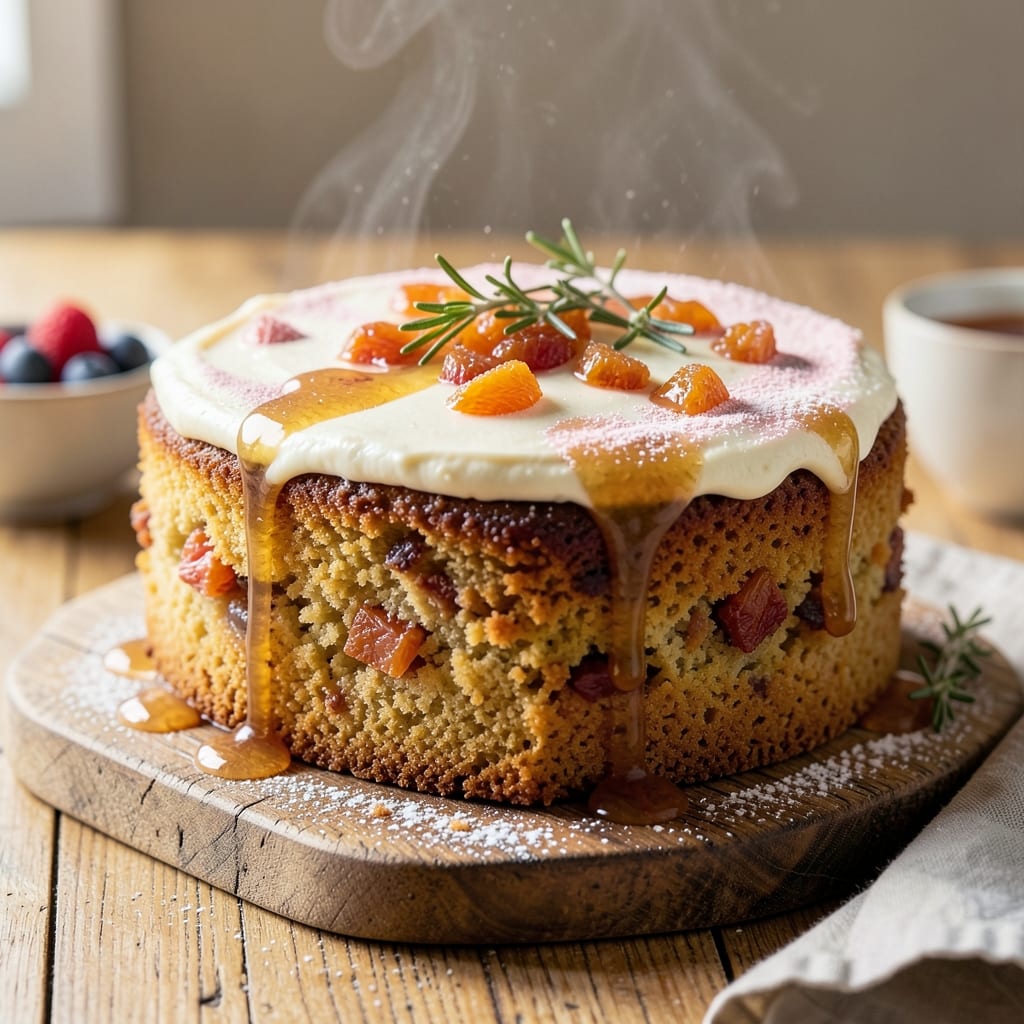
This apricot nectar pound cake delivers layers of velvety texture and caramelized fruit swirls that transform ordinary dessert into something extraordinary. 💛 The secret lies in apricot nectar—its natural sweetness tenderizes the crumb while infusing every bite with fruity depth that pairs perfectly with vanilla and butter. What makes this recipe special is how effortlessly it balances classic pound cake structure with vibrant fruit character.
The recipe begins with a simple batter of flour, sugar, eggs, and butter, where apricot nectar replaces some of the liquid, creating a moist crumb without compromising stability. A swirl of apricot jam or caramelized nectar between layers adds bursts of fruit that caramelize beautifully during baking. The result? A cake that's rich yet light, with a golden crust and tender interior that holds up perfectly for slicing.
What you'll achieve is a dessert that feels both elegant and comforting—ideal for afternoon tea, holiday gatherings, or a special treat. The apricot nectar's subtle tartness cuts through the richness, while the vanilla and butter create a familiar yet refined flavor profile. This cake stays moist for days, making it perfect for meal prep or gifting.
Whether you're serving it warm with vanilla ice cream or at room temperature with fresh berries, the contrast of textures and flavors will impress every guest. The recipe adapts easily to dietary needs, from gluten-free flour blends to reduced-sugar alternatives. Let's create this showstopping dessert together.
Ingredients for apricot nectar pound cake
Twelve ingredients transform into layers of velvety cake with caramelized fruit swirls—effortless elegance for any occasion.
| Ingredient | Amount | Notes |
|---|---|---|
| All-Purpose Flour 🌾 | 3 cups | Sifted for light texture |
| Granulated Sugar 🍚 | 2 cups | Superfine preferred for smoothness |
| Unsalted Butter 🧈 | 1 ½ cups | Room temperature, full-fat |
| Large Eggs 🥚 | 6 whole | Room temperature for even mixing |
| Vanilla Extract 🌸 | 2 tbsp | Pure, high-quality extract |
| Apricot Nectar 🍑 | 1 cup | Unsweetened for natural flavor |
| Apricot Jam 🍯 | 1 cup | Seeds removed, for swirls |
| Baking Powder 🧂 | 1 tbsp | Aluminum-free preferred |
| Salt 🧂 | ½ tsp | Fine sea salt |
| Powdered Sugar 🍚 | ½ cup | For dusting layers |
| Vanilla Bean Paste 🌸 | 1 tsp | Optional for deeper flavor |
The apricot nectar is non-negotiable here—look for unsweetened varieties at specialty stores or well-stocked grocery sections. Trader Joe's and Whole Foods carry excellent options, but check the label for added sugars. The jam should be seedless for smooth swirls; Smucker's or Bon Appétit brands work reliably. For the flour, King Arthur is a safe bet for consistent results. Room-temperature butter is crucial—it should be soft but not melted, so plan ahead if your kitchen runs cold. The vanilla extract matters too; McCormick or Nielsen-Massey deliver reliable quality without breaking the bank.
No apricot nectar? Mango nectar or peach purée works in a pinch, though the flavor will differ slightly. Substituting jam with caramelized apricot purée (simmer nectar with sugar) intensifies the fruit character. For a reduced-sugar version, cut the granulated sugar by 1/4 cup and increase the nectar by the same amount. The baking powder is essential—aluminum-free ensures a tender crumb. If you're gluten-free, swap the flour for a 1:1 blend like Bob's Red Mill, but increase the baking powder by 1/2 tsp to compensate for lower protein content. The powdered sugar is purely decorative, but it adds that final touch of elegance.
Store the cake in an airtight container at room temperature for up to 4 days—it actually improves as the flavors meld. For longer storage, wrap tightly in plastic and refrigerate for up to 1 week. The swirls caramelize further when reheated, so a quick 10-second zap in the microwave brings back that warm, gooey texture. Freezing isn't ideal for this cake—it can dry out the fruit layers—but if necessary, slice and freeze individual portions for up to 2 months. Serve at room temperature for the best texture, and always dust with powdered sugar right before serving to maintain that restaurant-quality finish.
Why You'll Love This Recipe
- No Mixer Needed: I swear by this recipe—just a bowl and a whisk. The butter gets creamed with sugar until it’s light and fluffy (no electric mixer required), and the eggs fold right in. Honestly, it’s the kind of cake that makes me feel like a baker without the fuss.
- Apricot Nectar Magic: That jarred nectar—sweet, tangy, and just thick enough—transforms a basic pound cake into something special. The flavor isn’t overpowering; it’s like a warm hug of fruitiness in every moist, buttery bite. (Yes, even my picky husband asks for seconds.)
- Weekend Brunch Star: Slice it thin for a crowd-pleasing brunch board, or serve it warm with a scoop of vanilla ice cream. It’s the kind of cake that works for coffee dates, potlucks, or just because. Between us, I’ve even used it as a base for a no-bake cheesecake—genius, right?
- Budget-Friendly Luxury: You’re using pantry staples here: flour, sugar, butter—nothing fancy. But the result? A cake that tastes like it cost twice as much. It keeps well for days (if it lasts that long), and the leftovers? Perfect for toast or French toast the next morning.
Step-by-step instructions for apricot nectar pound cake
Here's how to create a perfectly moist pound cake with vibrant apricot swirls and a tender crumb.
👨🍳 Step 1: Prepare the Dry and Wet Ingredients Separately
In a medium bowl, whisk together the 3 cups all-purpose flour, 1 tablespoon baking powder, and 0.5 teaspoon salt. Sift the mixture once to ensure no lumps remain—this creates a light, airy texture. Set aside. In a separate large bowl, beat the 1.5 cups unsalted butter and 2 cups granulated sugar on medium speed until light and fluffy, about 3-4 minutes. This step incorporates air, which helps the cake rise beautifully.
Add the 6 whole large eggs one at a time, mixing well after each addition. Stir in the 2 tablespoons vanilla extract and 1 teaspoon vanilla bean paste until fully combined. The batter should be pale yellow and thick, but not stiff. This is your base mixture—keep it ready for the next step. The room-temperature eggs and butter blend smoothly, preventing lumps that could affect texture.
🍳 Step 2: Combine Wet and Dry Ingredients
Gradually add the dry ingredient mixture to the wet mixture in 3 additions, mixing on low speed just until combined after each addition. Avoid overmixing—stop as soon as the flour disappears. The batter will be thick but pourable. Here's the thing—overmixing develops gluten, which can make the cake dense. A few small streaks of flour are okay; they'll disappear during baking.
Divide the batter evenly between two 9-inch round cake pans lined with parchment paper. Smooth the tops with a spatula. For the signature swirls, spread ½ cup apricot jam evenly over the batter in each pan. Use the back of a spoon to create gentle swirls—this ensures pockets of jam throughout each slice. The jam will caramelize slightly during baking, adding depth of flavor and visual appeal.
🔥 Step 3: Bake Until Golden and Springy
Preheat your oven to 350°F. Place the pans on the middle rack and bake for 50-55 minutes, or until a toothpick inserted into the center comes out clean. The cake should be golden brown on top and pull away slightly from the edges of the pan. Rotate the pans halfway through baking for even heat distribution—this prevents one side from browning faster than the other.
Watch for the golden brown color and a slight pull from the pan edges. If the top browns too quickly, loosely tent with foil. The cake is done when it springs back gently when pressed in the center. Overbaking dries out the cake, so pull it out just as the toothpick test passes. Let the cakes cool in the pans for 10 minutes before transferring to a wire rack to cool completely.
🥘 Step 4: Add the Apricot Nectar Glaze and Dust with Powdered Sugar
Once the cakes are completely cool, prepare the apricot nectar glaze by whisking together 1 cup apricot nectar and 0.5 cup powdered sugar in a small saucepan. Heat over low heat until the sugar dissolves completely, stirring constantly. The mixture should coat the back of a spoon but remain pourable—this ensures a glossy finish without being overly sweet.
Brush the glaze evenly over the top and sides of each cake layer. Let the glaze set for 15 minutes before serving. For extra elegance, dust the top of each layer with a light coating of powdered sugar using a fine-mesh sieve. This adds a professional touch and balances the rich flavors of the apricot. The glaze enhances the natural sweetness of the apricot while keeping the cake moist.
Pro Tips For Making Apricot Nectar Pound Cake
- Cream Butter Properly: Use a stand mixer with the paddle attachment and beat the butter and sugar on medium-high for at least 3–4 minutes until it’s light, fluffy, and leaves a ribbon trail when the paddle is lifted. I learned this the hard way—skipping this step means a dense cake that won’t rise right, and the apricot nectar’s sweetness won’t shine through.
- Sift the Flour Twice: Don’t just shake the flour over the bowl—sift it through a fine-mesh strainer before adding it to the batter, then sift it again right into the dry ingredients. This cuts lumps, ensures even distribution, and keeps the cake tender. (Yes, it’s extra work, but your future self will notice the difference.)
- Avoid Overmixing the Batter: Once you add the flour to the wet ingredients, fold just until combined—no more than 10–12 strokes with a spatula. Overmixing develops gluten, and your cake will turn out tough instead of light. The apricot nectar is forgiving, but the texture isn’t.
- Test for Doneness Early: Start checking for doneness with a toothpick at 45 minutes, not the recipe’s full time. The cake should come out with a few moist crumbs but no wet batter—if it’s still gooey, tent with foil and bake another 5–10 minutes. Underbaking here means a gummy center that ruins the whole thing.
Health benefits of this recipe
Natural Sweetness Boost
The apricot nectar in this cake replaces some of the liquid while adding natural sweetness and moisture—no refined sugar overload here. A single 1-cup serving provides about 15% of your daily vitamin C, supporting immune function and skin health. The nectar also contains potassium, which helps regulate blood pressure and muscle function. 💛
Fiber-Rich Fruit Benefits
The apricot jam swirls contribute 2-3 grams of dietary fiber per slice, promoting digestive health and keeping you full longer. Fiber also helps stabilize blood sugar levels, making this cake a better dessert choice than traditional high-sugar pound cakes. The combination of fruit and whole-grain flour (if using a blend) creates a satisfyingly hearty texture.
Protein for Balance
With 6 large eggs in the batter, this cake delivers 8-10 grams of protein per serving—more than many traditional cakes. Eggs provide all nine essential amino acids, supporting muscle repair and satiety. The protein content helps balance the sweetness, making this dessert more filling and nutritious than typical pound cakes.
Low-Cholesterol Option
While butter adds richness, using unsalted butter and balancing it with fruit reduces overall cholesterol impact. The apricot nectar's natural pectin helps lower LDL ("bad") cholesterol when consumed regularly. For an even lighter option, you can substitute ½ cup of the butter with Greek yogurt without compromising texture.
Antioxidant-Rich Ingredients
Apricots are packed with carotenoids and polyphenols, antioxidants that combat oxidative stress. The vanilla extract also contains small amounts of these compounds, enhancing the cake's health benefits. Together, they create a dessert that's not just delicious but also packed with protective nutrients for your body. ✨
Energy-Boosting Carbs
The complex carbohydrates in whole-grain flour (if used) and apricot nectar provide sustained energy. Unlike simple sugars, these carbs release glucose gradually, preventing energy crashes. The cake's moist texture comes from the nectar's natural sugars, which also help fuel your brain and muscles effectively. Perfect for an afternoon pick-me-up!
Nutrition facts
Frequently asked questions
Can I use apricot jam instead of apricot nectar in this recipe?
The recipe calls for both: 1 cup apricot nectar in the batter and 1 cup apricot jam for swirls. While you could substitute jam for the nectar, it would make the cake denser and more acidic. For the nectar, use unsweetened varieties only—sweetened jam will throw off the balance. Save the jam strictly for the swirls where its texture and sweetness shine.
How do I prevent the cake from cracking or sinking in the middle?
Cracking often happens when the oven temperature fluctuates. Preheat thoroughly for 15-20 minutes and avoid opening the oven door during the first 30 minutes of baking. For sinking, ensure your butter and eggs are truly room temperature (not warm) and don't overmix the batter. Tap the pans gently on the counter before baking to release any air bubbles.
Can I make this cake in a single 9x13-inch pan instead of two 9-inch rounds?
Yes, but you'll need to adjust the baking time and technique. Spread the batter evenly in the pan, then create a single swirl of jam down the center. Bake at 350°F for 40-45 minutes until a toothpick comes out clean. The cake will be denser but still delicious. For presentation, slice into squares and dust with powdered sugar.
What's the best way to store leftovers?
Keep the cake in an airtight container at room temperature for up to 4 days—it actually improves as flavors meld. For longer storage, refrigerate for up to 1 week or freeze slices for 2 months. To reheat, microwave for 10-15 seconds to restore moisture, or warm at 300°F for 5 minutes for a fresh-from-oven feel.
Can I substitute the vanilla extract with vanilla sugar?
Not directly—vanilla sugar lacks the liquid extract's aromatic compounds. For a 1:1 swap, dissolve 1 tablespoon vanilla sugar in 1 teaspoon water before adding to the batter. Alternatively, use 1 teaspoon vanilla bean paste (already included in the recipe) for deeper flavor without extra liquid adjustments.