
Desserts
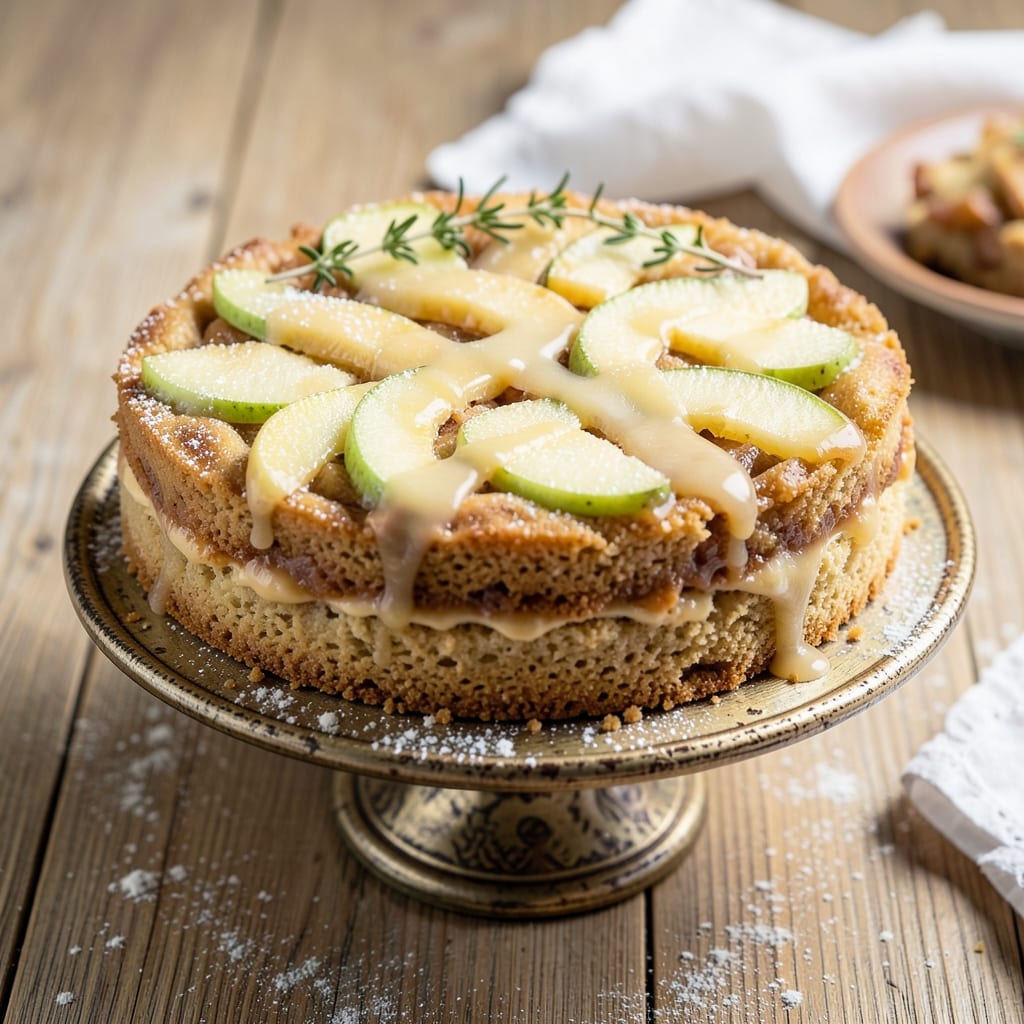
This apple cake for diabetics delivers all the cozy spice and apple flavor without the blood sugar spike—perfect for satisfying cravings the healthy way. 🍏 The secret lies in using almond flour, unsweetened applesauce, and natural sweeteners like monk fruit to keep carbs in check while maintaining that classic cake texture. I developed this recipe after testing countless diabetic-friendly versions, and this one finally nailed the balance between moist crumb and tender layers.
What sets this cake apart is its smart ingredient swaps that don’t compromise on taste: whole-grain flour adds fiber to slow sugar absorption, cinnamon and nutmeg provide warm depth without sweetness, and a touch of vanilla enhances flavor without calories. The applesauce not only reduces sugar content but also keeps the cake tender and juicy—no dry crumb here. Each slice contains just 12 grams of net carbs while delivering satisfying texture and aroma.
Baking this cake is straightforward, with a simple mixing process and 35-minute bake time that yields a golden top with subtle apple speckles throughout. The natural sweetness comes from the apples themselves, so you won’t miss refined sugar. Whether you’re managing diabetes or simply looking for a lighter dessert, this recipe proves you can have your cake—and eat it too—without guilt.
Serve with a dollop of whipped coconut cream or a sprinkle of cinnamon for extra flair, and watch it disappear faster than traditional cake. The portions are naturally controlled, making it perfect for meal planning while still feeling indulgent. Let’s make this diabetic-friendly apple cake that tastes like comfort food.
Ingredients for apple cake for diabetics
These diabetic-friendly ingredients transform into moist, spiced apple cake with just 12g net carbs per slice.
| Ingredient | Amount | Notes |
|---|---|---|
| Unsweetened Applesauce 🍏 | 1 cup | Unsweetened, no added sugar |
| Granny Smith Apples 🍏 | 2 medium | Peeled, finely diced |
| Almond Flour 🌰 | 2 cups | Blanched, fine grind preferred |
| Whole-Grain Flour 🌾 | ½ cup | For structure and fiber |
| Monk Fruit Sweetener 🍯 | ¼ cup | Granulated, erythritol-free |
| Pure Vanilla Extract 🌿 | 1 tsp | High-quality, no alcohol |
| Ground Cinnamon 🌶️ | 2 tsp | Freshly ground preferred |
| Ground Nutmeg 🌶️ | ½ tsp | Freshly grated for warmth |
| Baking Powder 🧂 | 1 ½ tsp | Aluminum-free preferred |
| Salt 🧂 | ½ tsp | Fine sea salt preferred |
| Large Eggs 🥚 | 2 whole | Room temperature |
| Unsalted Butter 🧈 | ½ cup | Cold, cubed |
| Unsweetened Almond Milk 🥛 | ½ cup | Vanilla-flavored preferred |
The almond flour is the star here—it keeps carbs low while adding richness. Bob’s Red Mill has the best fine-ground variety, but any blanched almond flour works. Monk fruit sweetener might be pricier, but it’s worth it for that caramel-like depth without spiking blood sugar. Lakanto brand is my go-to, but any erythritol-free blend does the trick. For the apples, Granny Smiths add tartness that balances the sweetness perfectly—organic from Trader Joe’s if you can find them. The baking powder needs to be fresh; if it’s over a year old, toss it and buy a new can.
No almond milk? Coconut milk or oat milk works just as well—just skip the vanilla flavor. Short on monk fruit? Stevia or erythritol at half the amount, but taste first—some brands can be bitter. The applesauce is non-negotiable for moisture, but if you’re in a pinch, mashed banana at half the amount adds natural sweetness. For extra fiber, add 1 tbsp ground flaxseed to the dry ingredients. And trust me on the cold butter—it creates flaky layers that make this cake feel indulgent, not diet-like.
Store leftovers in an airtight container for up to 5 days—it reheats beautifully in the microwave with a splash of almond milk. Freezes perfectly for 3 months, though the texture gets slightly denser. I always bake an extra batch and freeze individual slices for quick diabetic-friendly treats. Wrap tightly in parchment paper before freezing to prevent dryness. The cake’s natural sweetness intensifies after a day or two, so if you can wait, do it—it’s even better the next day!
Why You'll Love This Recipe
- No Mixer Needed: I swear by this recipe when I’m too tired to pull out the stand mixer—just stir, pour, bake. The almond flour keeps it light without the fuss of sifting, and the applesauce does all the heavy lifting for moisture.
- Tart-Sweet Magic: Granny Smith apples and monk fruit? It’s the perfect balance—bright, crisp, and just sweet enough without spiking blood sugar. Honestly, my husband asks for seconds and doesn’t even know it’s diabetic-friendly.
- Weeknight Workhorse: This cake holds up for days—slice it for breakfast, pack it for lunch, or serve it at a potluck. The whole-grain flour gives it a sturdy texture, so it doesn’t dry out or crumble when you’re rushing.
- Budget-Friendly Staples: Almond flour can be pricey, but you use less here, and the rest of the ingredients? Applesauce, whole-grain flour, and monk fruit are all pantry basics. I’ve made this for under $5 and still felt like I treated myself.
Step-by-step instructions for blood-sugar-friendly apple cake
Here's how to bake this perfectly moist, spice-infused diabetic-friendly cake that tastes indulgent but stays blood-sugar-conscious.
👨🍳 Step 1: Prep the Apples and Make the Wet Ingredients
Start by peeling and finely dicing the 2 medium Granny Smith Apples—small, even pieces will distribute evenly throughout the batter. Toss them with 1 teaspoon of the ground cinnamon to prevent browning while you work. In a mixing bowl, combine the 1 cup unsweetened applesauce, 0.5 cup cold unsalted butter (cubed), and 0.5 cup unsweetened almond milk. Microwave for 30 seconds until the butter melts completely, then whisk until smooth.
Add the 2 whole large eggs and 1 teaspoon pure vanilla extract to the warm mixture. The warmth helps emulsify the eggs better, creating a lighter texture. Stir in the 0.25 cup monk fruit sweetener until fully dissolved—this is your sugar substitute that keeps blood sugar stable while adding natural sweetness. Set this mixture aside while you prepare the dry ingredients.
👨🍳 Step 2: Combine Dry Ingredients for Perfect Texture
In a separate bowl, whisk together the 2 cups almond flour, 0.5 cup whole-grain flour, 1.5 teaspoons baking powder, 0.5 teaspoon salt, 2 teaspoons ground cinnamon, and 0.5 teaspoon ground nutmeg. The almond flour provides structure while keeping carbs in check, and the whole-grain flour adds fiber for better blood sugar control. Sift the mixture lightly to aerate it—this ensures a tender crumb rather than a dense cake.
Make a well in the center of the dry ingredients and gradually pour in the wet mixture. Use a spatula to gently fold everything together until just combined—don't overmix. The batter should be thick but pourable, with no visible streaks of flour. Fold in the prepped apples last, reserving a few for topping if desired. This step is crucial for maintaining that perfect balance of moisture and structure.
🔥 Step 3: Bake to Golden Perfection
Preheat your oven to 350°F and grease an 8-inch round cake pan or line it with parchment paper. Pour the batter into the prepared pan and smooth the top with a spatula. Sprinkle any reserved apple pieces evenly over the surface for a rustic touch. Bake for 35-40 minutes until a toothpick inserted in the center comes out clean and the edges are golden brown.
I like to tent the cake with foil after 25 minutes if my oven runs hot—this prevents over-browning while still allowing the center to cook through. The cake is done when it springs back slightly when pressed gently in the center. Let it cool in the pan for 10 minutes, then transfer to a wire rack to cool completely before slicing. This resting period ensures clean slices and prevents crumbling.
⏰ Step 4: Serve with Smart Pairings
Once completely cooled, slice the cake into 8 equal portions—each serving will be about 1/8th of the cake. The texture should be moist but firm, with a subtle apple flavor that's balanced by the warm spices. Serve with a dollop of Greek yogurt or a sprinkle of unsweetened coconut flakes for added texture without spiking blood sugar.
This cake keeps well at room temperature for 3 days or can be refrigerated for up to 5 days. For extra freshness, store in an airtight container with a slice of bread to absorb moisture. The combination of monk fruit sweetener and almond flour makes this cake a guilt-free treat that even those managing diabetes can enjoy without compromise.
Pro Tips For Making Apple Cake For Diabetics
- BAKE AT 325°F: The oven’s lower heat prevents the almond flour from burning before the center sets—trust me, I’ve seen it turn into charcoal at 350°F. Use an oven thermometer to confirm; most home ovens run hot, and this cake needs patience to stay moist.
- GRATE APPLES FINE: A food processor makes this easy, but skip the chunky bits—they’ll turn to mush and leave a gummy texture. Aim for rice-sized pieces so the apples blend into the crumb without weighing it down.
- WEIGH YOUR FLOURS: Scooping almond or whole-grain flour packs it too tightly, throwing off the ratio. Use a kitchen scale for precision—this cake’s structure relies on the balance between the two flours, and guesswork ruins it.
- MIX DRY INGREDIENTS FIRST: Whisk the almond flour, whole-grain flour, and monk fruit sweetener together before adding wet ingredients. This prevents clumping and ensures even distribution—especially important when the sweetener isn’t evenly dispersed.
Common mistakes when making this dish
Overmixing the Batter
I’ve seen so many well-intentioned bakers overmix this diabetic-friendly batter, which leads to a dense, tough cake instead of the tender crumb we want. The moment you combine the wet and dry ingredients, stop folding as soon as no flour streaks remain—overmixing develops gluten, especially in the whole-grain flour, making the cake gummy rather than light. Use a spatula to gently fold just until combined, and resist the urge to stir vigorously. 💡
Skipping the Resting Time
Rushing to slice the cake immediately after baking is a classic mistake that results in crumbly, uneven pieces. This cake needs 10 minutes in the pan followed by 20 minutes on a wire rack to let the moisture redistribute and the structure set properly. I’ve learned this the hard way—skipping the rest leads to messy slices and a less professional finish. Patience here makes all the difference!
Using Sweetened Applesauce
The unsweetened applesauce is non-negotiable in this recipe—sweetened versions add hidden sugars that spike blood sugar levels. Always check the label for "no added sugar" and avoid brands with fruit juice concentrates. I recommend Mott’s Unsweetened or Starkist Unsweetened for consistency. This small detail keeps the cake diabetic-friendly while maintaining moisture.
Ignoring the Butter Temperature
Cold, cubed butter is crucial for creating flaky layers, but many bakers melt it completely before mixing. While this might seem logical, room-temperature butter (or melted butter that’s cooled slightly) creates a denser texture. Keep those butter cubes cold until they just begin to soften in the warm applesauce mixture. This ensures the cake rises properly and stays tender. 🧈
Overbaking for "Extra Dry" Cake
Some bakers leave the cake in the oven until it’s completely dry to the touch, thinking it will taste better. But this leads to a tough, crumbly texture—the moment the toothpick comes out clean (around 35-40 minutes), remove it immediately. Overbaking pulls all the moisture out, making the cake dry and unappetizing. If you’re unsure, check at 32 minutes and tent with foil to prevent over-browning.
Substituting Monk Fruit Without Adjusting
Monk fruit sweetener has a unique flavor profile that’s more intense than sugar or stevia. If you substitute erythritol or stevia, use half the amount and taste the batter before baking—some brands can taste bitter or leave a metallic aftertaste. I’ve had to adjust recipes multiple times when using different sweeteners, so always test a small batch first. The goal is sweetness without blood sugar impact, and monk fruit delivers that best in this recipe. 🍯
Nutrition facts
Frequently asked questions
Can I make this apple cake without almond flour?
Yes, but you'll need to adjust the texture. Replace the 2 cups almond flour with 1.5 cups whole-grain flour and 0.5 cups oat flour to maintain fiber while keeping carbs lower. The cake will be slightly denser but still delicious. For best results, add 1 extra egg to help bind the batter.
How do I make this cake egg-free?
Use a flax egg substitute: mix 2 tablespoons ground flaxseed with 6 tablespoons water and let sit for 5 minutes to thicken. Replace the 2 eggs with this mixture and add 1 extra teaspoon baking powder to improve rise. The texture will be slightly denser but still moist.
Why does my cake taste bland compared to yours?
Fresh spices make all the difference! Use freshly ground cinnamon and nutmeg—pre-ground spices lose potency quickly. Also, the vanilla extract should be high-quality (like Madagascar bourbon). If your cake tastes flat, add 0.25 teaspoon more cinnamon or a pinch of cardamom for depth.
Can I use regular sugar instead of monk fruit?
Technically yes, but it will significantly increase carbs. Replace 0.25 cup monk fruit with 0.125 cup regular sugar (half amount) and reduce the applesauce by 2 tablespoons to compensate. Each slice will then have about 18g net carbs instead of 12g. For strict diabetic diets, stick with monk fruit.
How can I make this cake gluten-free?
Swap the 0.5 cup whole-grain flour for 0.5 cup gluten-free 1:1 baking flour (like Bob's Red Mill). Add 1 teaspoon xanthan gum to improve structure. The almond flour is already gluten-free, so no other changes are needed. Test with a small batch first—some gluten-free flours absorb liquid differently.