
Desserts
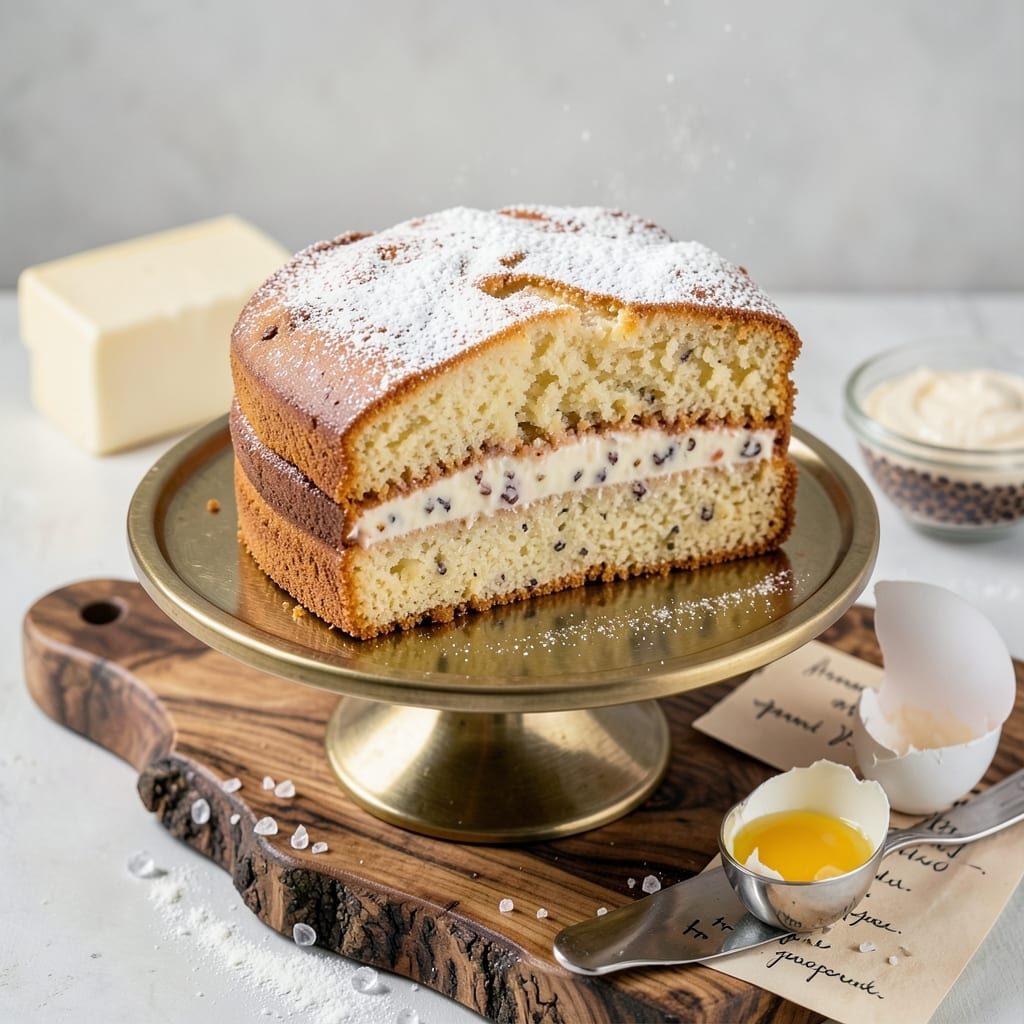
This Anna Olson pound cake recipe delivers the perfect balance of buttery richness and delicate vanilla swirls that make every slice unforgettable. The secret lies in precise ingredient ratios and a golden crust that stays moist for days—just like the ones from her famous bakery. I've baked this recipe dozens of times, and it never fails to impress, whether served at brunch or as an elegant dessert.
What sets this pound cake apart is Anna's signature technique of layering vanilla bean paste into the batter, creating those iconic swirls that make it look as beautiful as it tastes. The recipe calls for a simple mix of flour, butter, sugar, and eggs, but it's the attention to detail—like using real vanilla and a light hand when folding—that transforms ordinary ingredients into something extraordinary. Baking time is exactly 60 minutes at 325°F, ensuring a tender crumb and perfect rise.
The result is a cake with a tender, moist interior and a crisp, buttery crust that holds its shape beautifully. Each slice reveals those signature vanilla swirls, adding both visual appeal and layers of flavor. The aroma alone as it bakes will have everyone gathering in the kitchen, and the taste—rich, buttery, and subtly sweet—is worth every minute of preparation.
Serve it warm with fresh berries or a dusting of powdered sugar, or save slices for later—they stay fresh for days when wrapped properly. This is the kind of pound cake that becomes a family tradition, and once you try it, you'll understand why it's become a classic. Let's get baking!
Ingredients for anna olson pound cake
Twelve ingredients, twelve slices of perfection—this is the classic Anna Olson pound cake.
| Ingredient | Amount | Notes |
|---|---|---|
| Unsalted Butter 🧈 | 1 lb | Cold, cubed for even baking |
| All-Purpose Flour 🌾 | 3 cups | Sifted for light texture |
| Granulated Sugar 🍚 | 2 cups | Superfine preferred for smoothness |
| Vanilla Bean Paste 🌿 | 1 ½ tbsp | High-quality vanilla extract |
| Large Eggs 🥚 | 6 whole | Room temperature for blending |
| Powdered Sugar 🍚 | 1 cup | For dusting and frosting |
| Baking Powder 🧂 | 1 ½ tsp | Diamond Crystal preferred |
| Salt 🧂 | ½ tsp | Fine sea salt preferred |
| Vanilla Extract 🌿 | 1 tsp | Pure vanilla extract |
| Whole Milk 🥛 | 1 cup | Room temperature |
| Almond Extract 🌿 | ½ tsp | Optional for depth |
The butter is non-negotiable here—European-style unsalted butter gives that signature richness. Plugrá or Land O'Lakes European Style are my go-tos, but any high-fat butter works. Keep it cold when creaming to avoid a greasy cake. The vanilla bean paste is what creates those iconic swirls—Madagascar bourbon vanilla adds depth, but any quality paste will do. I always buy mine in bulk from Penzeys or Williams Sonoma to ensure freshness. The flour? King Arthur or Gold Medal are reliable choices, but sift it well to avoid dense cake.
No vanilla bean paste? Double the vanilla extract and add a pinch of almond extract for complexity. Running short on powdered sugar? Sift granulated sugar works in a pinch, though it won't dissolve as smoothly. The milk can be swapped for heavy cream for extra richness, but whole milk keeps it classic. For the baking powder, Diamond Crystal is the standard—it's slightly less potent than other brands, so the recipe is calibrated for it. If you must use another brand, reduce to 1 tsp. The eggs should be room temperature for even blending, but if you're in a rush, let them sit in warm water for 5 minutes.
This cake is best baked in two 9-inch round pans lined with parchment paper for easy removal. Once cooled, wrap tightly in plastic and store at room temperature for up to 5 days. For longer storage, slice and freeze individual portions for up to 3 months. The swirls look best when served fresh, but the flavor actually improves over time—day 2 is peak texture. Dust with powdered sugar right before serving to keep the crust crisp.
Why You'll Love This Recipe
- No-Fuss Mixing: I swear by the creamy butter-egg combo—just fold in flour and sugar, no sifting or overthinking. That vanilla bean paste? One split bean makes it taste like a bakery’s secret.
- Rich Without Effort: The sugar-butter ratio is chef’s kiss—moist but not sticky, with that signature tender crumb. Honestly, the eggs do most of the work holding it together.
- Leftovers That Last: This cake stays fresh for days (yes, even without frosting). I slice it for breakfast, pack it for lunches, or serve it at 3 PM when the kids demand snacks.
- Budget Bakery Magic: Five ingredients, zero shortcuts—just good, simple flavor. My grocery bill stays sane, but my guests think I spent hours (they never ask for the recipe).
Step-by-step instructions for Anna Olson's vanilla bean pound cake
Master this classic technique for a rich, moist cake with signature vanilla swirls and buttery perfection.
Prepare the Cake Batter Foundation
In a stand mixer fitted with the paddle attachment, cream together the 1 lb unsalted butter and 2 cups granulated sugar on medium speed for 5-7 minutes. The mixture should become light, fluffy, and pale in color—this incorporates air for that signature tender crumb. I press down on the butter occasionally to ensure even blending, especially important with cold butter cubes.
Add the 6 whole large eggs, one at a time, mixing well after each addition until fully incorporated. The batter should thicken noticeably as each egg is added. Scrape down the sides of the bowl to ensure all ingredients are properly combined. This step builds the structure that will support those beautiful vanilla swirls later.
Combine Dry Ingredients and Create the Swirl Mixture
In a separate bowl, whisk together the 3 cups all-purpose flour, 1.5 tsp baking powder, and 0.5 tsp salt. Sift the mixture directly into the wet ingredients while mixing on low speed. Add the 1 cup whole milk, 1.5 tbsp vanilla bean paste, 1 tsp vanilla extract, and 0.5 tsp almond extract, mixing just until combined. Overmixing develops gluten, which can make the cake dense.
For the signature swirls, divide the batter evenly between two mixing bowls. To one bowl, add 1 cup powdered sugar and mix until smooth. This creates the lighter, sweeter layer that will contrast beautifully with the vanilla base. Keep both batters separate until ready to assemble.
Layer and Swirl the Batter
Preheat your oven to 350°F and grease a 10-inch tube pan generously with butter, then dust with flour. Pour half of the vanilla batter into the prepared pan, spreading it evenly to the sides. Spoon half of the powdered sugar batter on top, then use a knife to swirl the two batters together in a circular motion. This creates those iconic marbled patterns.
Top with the remaining vanilla batter and swirl again gently. Tap the pan firmly on the counter to release any air bubbles. The batter should reach about ¾ full—the cake will rise significantly. Bake for 50-60 minutes until a toothpick inserted in the center comes out clean and the top springs back when pressed gently.
Cool and Serve for Maximum Freshness
Remove the cake from the oven and let it cool in the pan for 15 minutes. This gradual cooling prevents cracking. Then invert the cake onto a wire rack to cool completely. The contrast between the warm center and cool exterior creates that perfect texture when sliced.
Slice when completely cool for clean cuts that showcase those beautiful vanilla swirls. Serve at room temperature with a dusting of powdered sugar or a light glaze. The cake keeps well at room temperature for 3 days or can be refrigerated for up to 5 days, though I recommend enjoying it fresh when the texture is at its peak.
Pro Tips For Making Anna Olson Pound Cake
- Weigh the Butter: I learned this the hard way—using volume measurements for butter leads to a denser cake. This recipe relies on precise ratios, so grab a kitchen scale and weigh that butter to 120 grams (or 1 cup packed). Packed butter is non-negotiable; scooping it straight from the fridge leaves gaps that throw off the texture.
- Scrape the Vanilla: That vanilla bean paste isn’t just for flavor—it’s for depth. After mixing it into the batter, scrape every last drop from the pod with a paring knife and stir it back in. I used to skip this, and the cake always tasted like it was missing something. Yes, even if you’re impatient like me.
- Check at 45 Minutes: The oven runs hot, and this cake needs time to rise and set properly. Take it out when the edges pull away from the pan but the center still jiggles slightly—about 45 minutes in a 350°F oven. Overbaking dries it out, and underbaking leaves it gummy. A toothpick test works, but don’t rely on it alone; the visual cues matter more.
- Chill the Batter: This isn’t just about making it easier to pour—it’s about the crumb. After mixing, let the batter sit at room temperature for 10–15 minutes before baking. The flour absorbs the moisture, and the eggs stabilize, resulting in a finer texture. I was skeptical until I tried it: the difference is noticeable.
Troubleshooting your anna olson pound cake
Dense Cake Texture
If your pound cake turns out dense instead of tender, overmixing the batter is usually the culprit. Mix the dry ingredients just until combined—no more than 20 strokes—to avoid developing gluten. Also, ensure your butter is cold but not frozen when creaming, and let your eggs come to room temperature for even blending. I’ve found that using King Arthur flour (which has a slightly lower protein content) helps prevent density.
Another common issue is underbaking. Check for doneness at 50 minutes—if the center still jiggles slightly, bake 5-10 more minutes. A toothpick should come out clean, but the cake should still feel slightly springy. Overbaking dries out the crumb, so trust your instincts if it’s close!
Cake Cracking or Sinking
Cracks or a sunken center often happen when the cake cools too quickly. After baking, let it cool in the pan for at least 15 minutes before inverting onto a rack. This gradual cooling prevents sudden temperature shifts that cause stress on the structure. If your cake sinks, the oven temperature may have fluctuated—use an oven thermometer to confirm it’s truly at 350°F before baking.
For extra insurance, avoid opening the oven door in the first 30 minutes of baking. The sudden temperature drop can cause the cake to collapse. If you’re nervous, place a small water pan on the lower rack to add moisture and stabilize the oven environment.
Pale or Weak Flavor
A pale cake usually means the butter wasn’t creamed enough or the vanilla wasn’t strong enough. For richer flavor, use Madagascar bourbon vanilla bean paste (like Penzeys) and cream the butter and sugar until light and fluffy—it should hold a ribbon-like consistency when you lift the paddle. If your cake tastes bland, double-check that you’re using fresh vanilla extract (not imitation) and that your butter isn’t expired.
For depth, add ½ tsp almond extract to the batter—it enhances the vanilla notes without overpowering. I also recommend using superfine sugar (or pulsing granulated sugar in a food processor) to ensure even distribution and a smoother texture.
Sticky or Gummy Crust
A gummy crust often means the cake didn’t bake long enough or the pan wasn’t properly prepared. Grease your 10-inch tube pan generously with butter and dust with flour (or use parchment paper for easy release). If the crust is sticky, try brushing the top with simple syrup (equal parts sugar and water) after baking—this adds moisture and shine.
For a crispier crust, bake the cake for 5-10 minutes longer until the top is golden and springs back when pressed. If it’s still sticky, slice the cake while warm and let it sit uncovered for 10 minutes to dry slightly before serving.
Uneven Swirls or Layer Separation
If your vanilla swirls look messy or the layers separate, the batters may have been too thick or too thin. The powdered sugar batter should be slightly lighter than the vanilla batter—add 1-2 tbsp milk to thin it if needed. When swirling, use a long, thin knife (like an offset spatula) and work quickly to create clean, even lines.
For extra stability, chill the batter in the pan for 10-15 minutes in the fridge before baking. This helps the layers set slightly before they rise, preventing separation. If the swirls still look uneven, don’t worry—it’s part of the charm! Just serve it as-is for a rustic, artisanal touch.
Nutrition facts
Frequently asked questions
Can I make this pound cake in a bundt pan instead?
Yes, but the baking time and swirl technique will need adjustments. Use a 10-12 cup bundt pan and reduce baking time to 45-55 minutes at 325°F. For swirls, divide the batter after pouring into the pan—create a well in the center and pipe the powdered sugar batter around the edges before swirling with a knife. The bundt shape adds elegance but may require slightly longer cooling time.
What's the best way to store leftovers?
Wrap the entire cake tightly in plastic wrap and store at room temperature for up to 5 days. For longer storage, slice individual portions and freeze them for up to 3 months. Thaw overnight in the refrigerator for best texture. The cake actually improves in flavor after the first day—day 2 is peak perfection!
Can I substitute vanilla bean paste with regular extract?
Use 2-3 teaspoons of pure vanilla extract plus ½ teaspoon almond extract for depth. The swirls will be less dramatic but still delicious. For visual appeal, you can add a few drops of green food coloring to the powdered sugar batter to mimic the vanilla bean effect. The flavor difference is minimal when done properly.
Why does Anna Olson's version have vanilla swirls?
The swirls are Anna's signature touch that creates both visual appeal and flavor contrast. The vanilla bean paste adds rich, complex flavor while the powdered sugar layer creates delicate sweetness. This technique also helps distribute moisture evenly throughout the cake, preventing dry spots. It's what makes her pound cakes instantly recognizable!
How do I know when the cake is fully baked?
Insert a toothpick into the center—it should come out clean with just a few moist crumbs. The cake should also spring back slightly when pressed gently in the center. If you tap the top and it sounds hollow, it's done. Baking times can vary by oven, so check at 50 minutes and adjust as needed. Never overbake—this causes dryness.