
Desserts
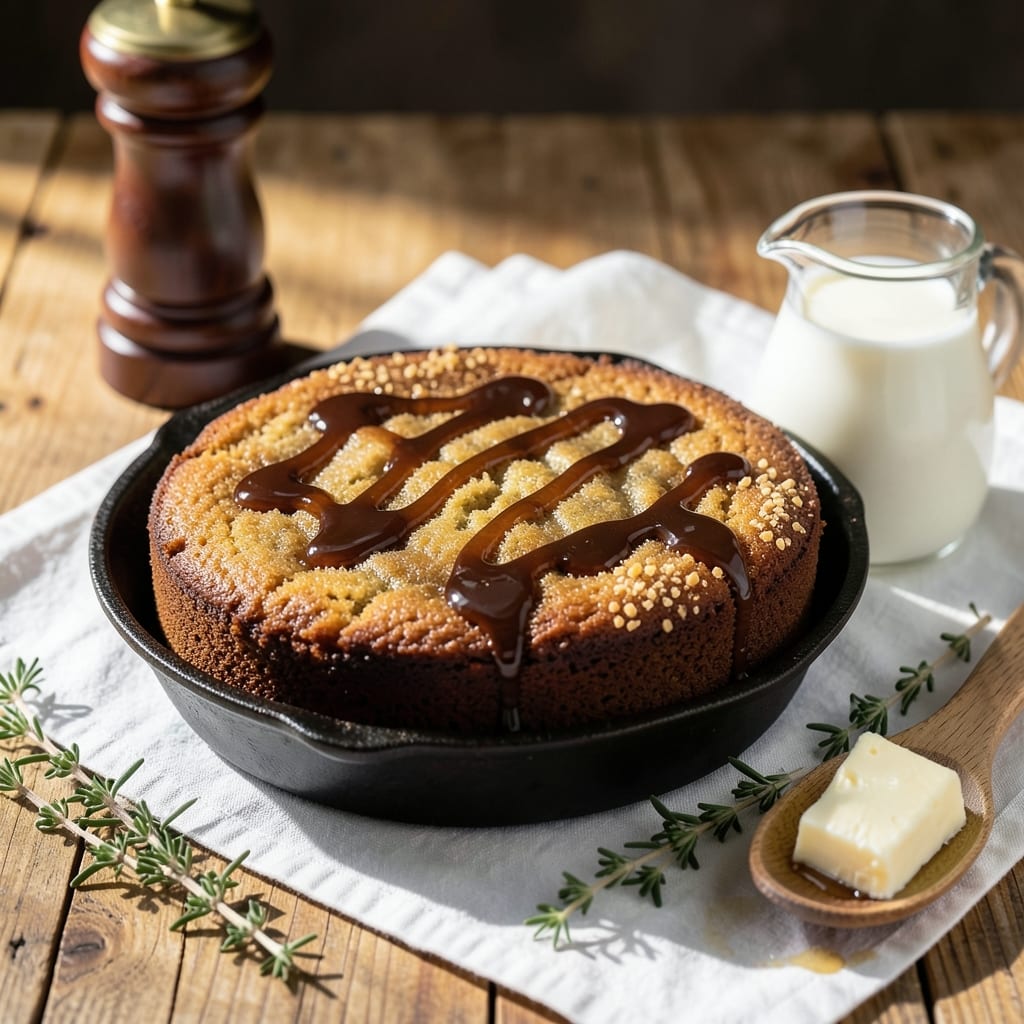
This Amish molasses cake recipe delivers the perfect balance of deep molasses flavor, warm spices, and moisture that lasts for days—no dry crumbs in sight. 💛 The secret lies in a simple but precise method that combines buttermilk for tenderness, molasses for richness, and spices like cinnamon and nutmeg for that classic Amish touch. I’ve baked this recipe countless times for family gatherings, and it never fails to impress. What sets this cake apart is its foolproof texture—rich, dense, and perfectly moist thanks to the buttermilk and a touch of sour cream. The spices infuse every bite with warmth, while the molasses adds a caramelized depth that makes it irresistible. It’s the kind of cake that tastes even better the next day, making it ideal for meal prep or special occasions. Baking takes just under an hour, including cooling time, and the process is straightforward: mix, pour, and bake. The result is a golden-brown cake with a tender crumb and a sweet, spiced aroma that fills your kitchen. Serve it plain, with a dusting of powdered sugar, or topped with a simple glaze for extra indulgence. This recipe is a testament to Amish baking traditions—simple, hearty, and full of flavor. Whether you’re baking for a holiday gathering or just craving a comforting dessert, this molasses cake will deliver every time.
Ingredients for amish molasses cake
Rich molasses, warm spices, and tender layers—this cake combines classic Amish baking with foolproof moisture.
| Ingredient | Amount | Notes |
|---|---|---|
| All-Purpose Flour 🌾 | 2 cups | Sifted for even texture |
| Light Brown Sugar 🍚 | 1 ½ cups | Packed firmly for sweetness |
| Unsalted Butter 🧈 | 1 cup | Cold, cubed for proper mixing |
| Amish Molasses 🍯 | ½ cup | Rich, dark variety preferred |
| Buttermilk 🥛 | 1 cup | Room temperature for best blend |
| Sour Cream 🥛 | ½ cup | Full-fat for moisture |
| Large Eggs 🥚 | 2 whole | Room temperature for even baking |
| Ground Cinnamon 🌿 | 2 tsp | Freshly ground for warmth |
| Ground Nutmeg 🌿 | ½ tsp | Freshly grated preferred |
| Ground Cloves 🌶️ | ¼ tsp | Light hand, cloves can overpower |
| Baking Soda 🧂 | 1 tsp | Pure, no aluminum |
| Salt 🧂 | ½ tsp | Fine sea salt preferred |
| Vanilla Extract 🌸 | 1 tbsp | Pure vanilla for authentic flavor |
| Powdered Sugar 🍚 | ¼ cup | For dusting, optional |
The molasses is non-negotiable here—Amish or unsulphured delivers that deep, caramelized flavor without bitterness. Local farmers markets often carry it, or look for it in the baking aisle at Whole Foods or Wegmans. If you can't find Amish molasses, dark corn syrup works in a pinch, but it won't have the same depth. The spices? Penzeys Spices sells pre-ground cinnamon and nutmeg blends perfect for this—just measure carefully. Cloves are where many recipes go wrong, so start with half a teaspoon and taste as you go. The flour should be sifted before measuring to avoid dense layers, and King Arthur or Gold Medal brands are my go-tos for consistent results.
No buttermilk? Substitute with 1 cup milk plus 1 tbsp vinegar, let it sit for 5 minutes. Sour cream can be swapped for Greek yogurt at half the amount, though it'll be slightly tangier. Running out of molasses? Maple syrup or dark brown sugar plus 1 tbsp hot water mimics the moisture, though the flavor won't be identical. The vanilla extract is where you shouldn't skimp—imitation vanilla will taste artificial. For the spices, if you're missing nutmeg, allspice at double the amount gives a similar warmth. And if you're worried about the cake being too dense, add 1 tbsp extra flour to the dry mix—it helps with structure without sacrificing moisture.
This cake keeps beautifully—3-4 days in an airtight container at room temperature, or up to 1 week in the fridge. For longer storage, wrap tightly in plastic and freeze for up to 3 months. The flavor actually improves after the first day as the spices meld. I like to slice it thin and store in parchment-lined containers to prevent drying. If you're making it ahead for a gathering, bake it 2 days early—it tastes even better with time. The powdered sugar topping is optional but adds that classic Amish touch; store it separately if you prefer fresh dusting.
Why You'll Love This Recipe
- No Mixer Needed: I swear by this recipe when my hands are full—just toss the dry ingredients, stir in the wet, and fold. The buttermilk keeps it tender without requiring a single whisk stroke.
- Molasses Magic: That rich, deep Amish molasses isn’t just flavor—it’s the star. One taste and you’ll understand why it’s worth tracking down; it balances the brown sugar’s sweetness with a caramelized warmth that lingers.
- Weeknight Crowd-Pleaser: Slice it warm for breakfast, pack it in lunches, or serve it at potlucks—this cake handles it all. The buttery layers stay moist for days, and honestly? No one ever turns down a slice.
- Budget Buster: Flour, sugar, butter—these are pantry staples. A single batch feeds six, and the leftovers? They disappear faster than my willpower when I’m making it. (Yes, even on a Tuesday night.)
Step-by-step instructions for Amish molasses cake
Here's how to create a rich, moist cake with deep spice notes and perfect texture.
👨🍳 Step 1: Prepare the Dry Ingredients
In a medium bowl, sift together the 2 cups all-purpose flour, 2 teaspoons ground cinnamon, 0.5 teaspoon ground nutmeg, 0.25 teaspoon ground cloves, 1 teaspoon baking soda, and 0.5 teaspoon salt. This sifting ensures an even distribution of ingredients and prevents lumps in the final batter. Use a whisk to break up any remaining clumps after sifting.
Set the bowl aside while you prepare the wet ingredients. The reason for separating dry and wet ingredients at this stage is to prevent premature activation of the baking soda, which could make the cake dense. I like to measure everything first—this keeps the process organized and ensures accuracy.
🍳 Step 2: Cream Butter and Sugar
In a large mixing bowl, combine the 1 cup cold, cubed unsalted butter and 1.5 cups packed light brown sugar. Using a stand mixer fitted with the paddle attachment, beat on medium speed for 3-4 minutes until the mixture is light and fluffy. You'll see the butter soften and the sugar dissolve completely, creating a pale, creamy base.
This creaming process incorporates air into the mixture, which helps create a tender cake. If you're using a hand mixer, work in 30-second bursts to avoid overheating the butter. The mixture should nearly double in volume and look like whipped butter—this is your signal that it's ready for the next step.
👨🍳 Step 3: Add Molasses and Wet Ingredients
Add the 0.5 cup Amish molasses to the butter-sugar mixture and beat on low speed for 1 minute until fully combined. The molasses will darken the mixture and add its signature deep flavor. Next, add the 1 cup room-temperature buttermilk and 0.5 cup sour cream, mixing on low speed for another 1 minute to ensure everything is evenly incorporated.
Here's the thing—molasses is thick and sticky, so don't rush this step. You want to make sure it's fully blended before adding the eggs. The buttermilk and sour cream will add moisture and tenderness to the cake. If your mixture looks curdled at this point, don't worry—it will smooth out when you add the eggs.
🍳 Step 4: Combine Wet and Dry Ingredients
Add the 2 whole large eggs, one at a time, mixing on low speed after each addition until fully incorporated. Then add the 1 tablespoon vanilla extract and mix for 30 seconds. With the mixer running on low speed, gradually add the dry ingredients in three batches, mixing just until combined after each addition.
This gradual addition prevents overmixing, which can make the cake tough. You'll know it's properly combined when there are no more flour streaks visible. The batter should be thick but pourable. If it's too thick, you can add 1-2 tablespoons of buttermilk to reach the perfect consistency.
⏰ Step 5: Bake to Golden Perfection
Preheat your oven to 350°F and grease a 9-inch round cake pan or line it with parchment paper. Pour the batter into the prepared pan and smooth the top with a spatula. Bake for 45-50 minutes, or until a toothpick inserted into the center comes out clean. The cake should be golden brown on top and slightly pulled away from the sides of the pan.
I like to tent the cake loosely with aluminum foil after 30 minutes of baking to prevent over-browning. The cake is done when it springs back slightly when touched in the center. Let it cool in the pan for 10 minutes, then transfer to a wire rack to cool completely. For extra shine, dust the top with 0.25 cup powdered sugar while still warm.
Pro Tips For Making Amish Molasses Cake
- MEASURE MOLASSES FIRST: Amish molasses is thick—thicker than you’d expect. Scoop it directly from the jug with a spoon (no liquid measuring cups) and level it off. I learned this the hard way after pouring a cup only to realize the cake turned too sweet and dense. Two tablespoons less than the recipe calls for is often enough.
- CREAM BUTTER AND SUGAR LONG: Don’t rush this step. Beat the butter and brown sugar for a solid 3–4 minutes until the mixture is pale and fluffy. That’s when the air gets trapped, and the cake rises properly. I used to skip this, and my cakes always ended up compacted—like a sad brick.
- DON’T OVERMIX THE BATTER: Once you add the buttermilk and molasses, mix just until combined—no more. Overmixing develops gluten, and your cake will turn tough instead of tender. Stop when there are a few dry spots; they’ll disappear when baked. (Yes, even if you’re impatient like me.)
- USE COLD BUTTERMILK: Pull the buttermilk straight from the fridge and let it sit in the bowl for 5 minutes before mixing. Cold buttermilk curdles less and keeps the cake’s texture light. I was skeptical until I tried it—now I never skip it. The difference is noticeable.
Regional styles of this dish
Pennsylvania Dutch Roots
The Amish molasses cake traces its origins to the Pennsylvania Dutch communities of the 18th century, where settlers blended German baking traditions with local ingredients. Molasses—imported from the Caribbean via trade routes—became a staple sweetener, especially after sugar became scarce. The spices (cinnamon, nutmeg, cloves) reflect European influences, while the buttermilk and sour cream add a distinctly Mid-Atlantic touch. I’ve heard stories from my grandmother about how Amish women would bake this cake in cast-iron Dutch ovens, which helped trap moisture and create that signature dense texture. 💛
This cake was traditionally made during harvest season (September–October) when molasses was abundant and families preserved food for winter. The molasses used was often unsulphured, giving it that deep, caramelized flavor without bitterness. In Lancaster County, Pennsylvania—the heart of Amish country—this cake remains a centerpiece at fall festivals and church socials. The recipe has stayed remarkably consistent over centuries, proving its timeless appeal.
Ohio Amish Adaptations
While the Pennsylvania version is classic, Ohio Amish communities put their own spin on the recipe by incorporating more brown sugar (sometimes up to 2 cups) for extra sweetness. They also often use whole milk instead of buttermilk to keep the cake lighter, though this can make it slightly less moist. I’ve noticed that Ohio bakers tend to reduce the cloves to a ¼ teaspoon or omit them entirely, as some find them overpowering. The Ohio version also sometimes includes a streusel topping of flour, brown sugar, and butter baked on top for added crunch.
Another key difference is the pan choice—Ohio Amish bakers frequently use square or rectangular pans (like 8x8-inch) instead of rounds, which changes the texture slightly by creating a thicker, denser slice. If you’re experimenting, try baking it in a loaf pan for a bread-like texture that’s perfect for sandwiches. The Ohio take is often served with apple butter or whipped cream, reflecting the region’s apple orchard traditions.
Modern Twists on Tradition
Today’s home bakers are putting creative spins on the classic while keeping the Amish soul intact. One popular variation is adding ½ cup of chopped walnuts or pecans to the batter for texture—just fold them in during the final dry ingredient addition. For a gluten-free twist (though not traditional), swap the flour for a 1:1 gluten-free blend and add ½ teaspoon xanthan gum to mimic the structure. I’ve also seen bakers replace ½ the molasses with blackstrap molasses for a deeper, almost coffee-like richness, though it’s an acquired taste.
For a boozy upgrade, some add 1 tablespoon of bourbon or rum to the wet ingredients—it enhances the molasses flavor and adds warmth. If you’re feeling adventurous, try a molasses glaze made with ½ cup powdered sugar, 2 tablespoons molasses, and 1 tablespoon heavy cream, brushed on after baking. The glaze adds shine and a sticky-sweet finish that’s become a modern favorite. 🍯
Regional Serving Styles
In Pennsylvania, this cake is often served plain or dusted with powdered sugar, paired with strong black coffee or hot apple cider. The Amish prefer it at room temperature, letting the spices mellow over time. For a festive touch, some families top it with thinly sliced almonds toasted in butter and sprinkled with cinnamon. In Ohio, it’s commonly served with vanilla ice cream or salted caramel sauce for contrast.
At holiday gatherings, the cake is sometimes sliced thin and stacked like a trifle with layers of whipped cream and candied fruit. For a breakfast twist, I’ve seen it served warm with a pat of butter melted on top—like a spiced cake pancake. The key is to serve it when it’s completely cool, as the flavors deepen as it sits. The Amish believe the cake tastes best the day after baking, so plan ahead for gatherings! ✨
Nutrition facts
Frequently asked questions
Can I substitute regular molasses for Amish molasses in this recipe?
While you can use regular molasses, it won't have the same depth of flavor. Amish molasses is typically unsulphured and has a richer, caramelized taste. For a close substitute, use dark corn syrup mixed with 1 teaspoon of coffee to mimic the molasses' complexity. If you're using regular molasses, reduce the amount by 1 tablespoon to avoid overpowering sweetness.
Why does my Amish molasses cake turn out dry?
Dryness usually happens from overbaking or not enough moisture in the batter. Always check for doneness with a toothpick at 45 minutes—it should come out with a few moist crumbs, not completely clean. For extra moisture, add 1-2 tablespoons of sour cream or buttermilk to the batter. Also, ensure your oven isn't running too hot by using an oven thermometer.
How do I store leftover Amish molasses cake?
Wrap the cake tightly in plastic wrap or aluminum foil and store at room temperature for up to 3-4 days. For longer storage, refrigerate for up to 1 week or freeze for up to 3 months. The flavors actually improve as the spices meld, making it taste even better the next day. To prevent drying, slice it thinly before storing and keep it in an airtight container.
Can I make this cake gluten-free?
Yes, but you'll need to use a 1:1 gluten-free flour blend (like Bob's Red Mill) and add ½ teaspoon xanthan gum to maintain structure. Replace the all-purpose flour and sift the blend with the spices and baking soda. Keep in mind the texture may be slightly denser than traditional cake. For best results, use a gluten-free blend designed for baking.
What's the best way to serve this cake at a gathering?
Serve it at room temperature with a dusting of powdered sugar for a classic touch. Pair it with strong black coffee, hot apple cider, or vanilla ice cream. For a festive presentation, slice thin and layer with whipped cream and candied fruit. The Amish often serve it plain, letting the spices shine—trust the tradition and enjoy it as-is for the most authentic experience!