
Desserts
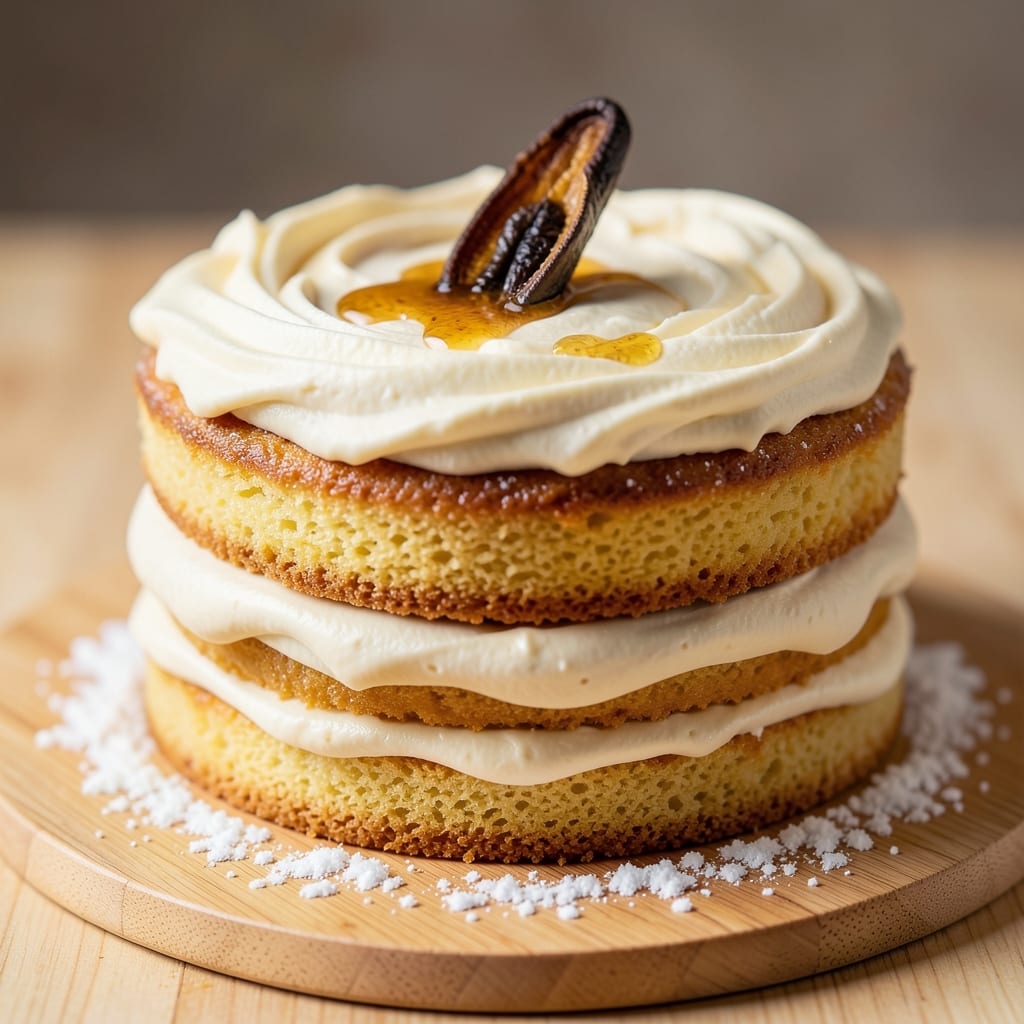
This America's Test Kitchen vanilla cake recipe delivers the perfect balance of moisture and structure—no more dry crumbs or cracked tops. 💛 The secret lies in precise ingredient ratios and baking techniques honed through rigorous testing, ensuring a tender crumb and golden finish every time. Whether you're baking for a celebration or a simple treat, this recipe builds confidence with foolproof results.
What sets this vanilla cake apart is its moisture-retaining method, which combines buttermilk and sour cream for a rich, velvety texture while keeping the structure intact. The recipe also includes a foolproof cooling technique to prevent cracking, a common frustration in home baking. With clear instructions and measured precision, even beginners can achieve bakery-quality results.
The cake’s simplicity doesn’t sacrifice flavor—just a touch of vanilla bean, a pinch of salt, and high-quality butter create layers of warmth and depth. It bakes in one bowl with minimal effort, making it ideal for weeknight desserts or special occasions. The recipe even includes optional variations, like adding lemon zest or chocolate chips, for customization without compromising texture.
Once baked, this cake holds its shape beautifully, making it perfect for layering with buttercream or filling with jam. The professional-level moisture ensures every slice stays tender, not dry, even after sitting out. Ready to master a cake that’s both classic and reliable? Here’s how to bake it perfectly.
Ingredients for america's test kitchen vanilla cake
Precision meets simplicity with these twelve ingredients for America's Test Kitchen's legendary vanilla cake.
| Ingredient | Amount | Notes |
|---|---|---|
| Unsalted Butter 🧈 | 1 cup | Cold, cut into 1-inch cubes |
| Granulated Sugar 🍚 | 2 cups | White, super-fine preferred |
| Vanilla Bean 🌿 | 1 whole | Madagascar or Tahitian preferred |
| Large Eggs 🥚 | 3 whole | Room temperature, separated |
| All-Purpose Flour 🌾 | 2 ½ cups | Sifted, spooned and leveled |
| Baking Powder 🍃 | 2 tsp | Diamond Crystal preferred |
| Salt 🧂 | ½ tsp | Fine sea salt preferred |
| Buttermilk 🥛 | 1 cup | Room temperature |
| Sour Cream 🍦 | ½ cup | Full-fat for moisture |
| Vegetable Oil 🫒 | ½ cup | Light, neutral flavor |
| Vanilla Extract 🍯 | 2 tsp | Pure, high-quality |
| Cornstarch 🌾 | 1 tbsp | For tender crumb |
The butter quality is non-negotiable here—Plugrá or Land O'Lakes unsalted are reliable choices. For the vanilla bean, Madagascar offers classic depth while Tahitian adds floral notes. Sift the flour thoroughly to avoid dense texture; King Arthur or Gold Medal brands work best. The baking powder must be fresh—Diamond Crystal is preferred as it's lighter than other brands. Measure the flour by spooning it into the cup and leveling off; don't scoop directly from the bag. Preheat your oven to 350°F and position racks in the center and lower third for even baking.
No buttermilk? Mix 1 tablespoon vinegar or lemon juice with 1 cup milk and let sit for 5 minutes. Substitute sour cream with Greek yogurt at half the amount, though texture may vary slightly. For a richer flavor, replace 1 tablespoon of vegetable oil with melted butter. If you lack a vanilla bean, double the vanilla extract but add a pinch of sugar to compensate. The cornstarch is essential—it prevents a gummy texture, so don't skip it. For a gluten-free version, use a 1:1 flour blend like Bob's Red Mill, but expect slightly denser results.
Store baked cake layers wrapped in plastic wrap at room temperature for up to 3 days or freeze for 3 months. For best results, bring frozen layers to room temperature before frosting. The buttercream should be at room temperature when assembling. This cake reheats beautifully—warm slices in a 200°F oven for 5-10 minutes to restore moisture. Prep ahead by mixing dry ingredients and wet ingredients separately; they'll keep in the fridge for 2 days before combining.
Why You'll Love This Recipe
- No-Fail Mix-In: The creaming method with butter and sugar at room temperature? It’s foolproof—no lumps, no stress. I’ve made this cake while chatting on the phone; the batter behaves like a dream.
- Vanilla Bean Magic: That split vanilla bean isn’t just for show. It infuses the whole cake with a depth you won’t get from extract—warm, floral, and just a little mysterious. Honestly, it’s the reason I’ll never go back to artificial.
- Layered Like a Pro: Whether you frost it for a birthday or serve slices with whipped cream, the crumb is light but sturdy. I’ve used it for potlucks, office treats, and even breakfast (yes, really) because it holds up to anything.
- Budget-Friendly Luxury: Five simple ingredients, but it tastes like a bakery’s secret. The butter and eggs make it rich without breaking the bank, and leftovers? They disappear faster than you can say “second slice.”
Step-by-step instructions for america's Test Kitchen vanilla cake
Here's the precise method that delivers legendary moisture and crack-free perfection every time.
👨🍳 Step 1: Prepare the Vanilla Extract and Cream Butter and Sugar
Split the 1 whole vanilla bean lengthwise and scrape the seeds into a small bowl. Add the 2 teaspoons vanilla extract and mix well—this infusion delivers deeper vanilla flavor than extract alone. Set aside.
In a stand mixer fitted with the paddle attachment, beat the 1 cup unsalted butter (cold cubes) and 2 cups granulated sugar on medium speed for 3-4 minutes until light and fluffy. This creaming process incorporates air, which creates that signature tender crumb. Stop when the mixture nearly doubles in volume and becomes pale—overmixing here develops gluten and makes the cake dense.
👨🍳 Step 2: Add Eggs and Dry Ingredients in Stages
Add the 3 whole large eggs (room temperature) one at a time, mixing on low speed for 30 seconds after each addition until fully incorporated. This gradual addition prevents curdling. Then add the vanilla mixture and mix for 30 seconds on low speed to combine.
In a separate bowl, whisk together the 2.5 cups all-purpose flour (sifted), 2 teaspoons baking powder, 0.5 teaspoon salt, and 1 tablespoon cornstarch. With the mixer on low speed, gradually add the dry ingredients to the butter mixture, mixing just until combined—no more than 20 seconds. Overmixing develops gluten, which leads to a tough cake. The batter should be smooth with no visible flour streaks.
🥘 Step 3: Incorporate Buttermilk and Sour Cream
Add the 1 cup buttermilk and 0.5 cup sour cream alternately, mixing on low speed after each addition until just combined. The buttermilk adds moisture while the sour cream enhances tenderness. The batter should be thick but pourable—similar to heavy pudding. If it looks too thick, add 1 tablespoon vegetable oil to ensure proper moisture.
Finally, add the 0.5 cup vegetable oil and mix on low speed for 10 seconds until fully incorporated. The oil helps retain moisture during baking. Scrape the bowl with a spatula to ensure all ingredients are evenly distributed.
🔥 Step 4: Bake in Prepared Pans
Preheat your oven to 350°F. Grease two 9-inch round cake pans and line the bottoms with parchment paper. Divide the batter evenly between the pans and smooth the tops with a spatula. Tap the pans gently on the counter to remove any air bubbles.
Bake for 25-30 minutes until a toothpick inserted into the center comes out clean and the edges pull away slightly from the pan. The top should be golden brown but not overbrowned—this cake relies on even baking for moisture. Rotate the pans halfway through baking for even heat distribution.
⏰ Step 5: Cool and Layer for Maximum Moisture
Remove the cakes from the oven and let them cool in the pans for 10 minutes. Then transfer to a wire rack to cool completely. The internal temperature should drop to 100°F before frosting—this prevents steam buildup, which can cause cracking.
For the best texture, slice the cakes horizontally and layer with your favorite filling (such as vanilla buttercream or whipped cream). This layering technique traps moisture and creates that signature tender, velvety texture that makes this cake legendary. Store leftovers in an airtight container at room temperature for up to 3 days or refrigerated for up to 5 days.
Pro Tips For Making America'S Test Kitchen Vanilla Cake
- CREAM BUTTER SLOWLY: The recipe calls for room-temperature butter, but don’t rush it—spread it on a plate and let it sit for 20-30 minutes until it’s soft enough to press a finger into without leaving a dent. Cold butter makes the batter lumpy, and you’ll spend twice as long mixing it out.
- SCRAPE THE VANILLA: Split the vanilla bean lengthwise, then scrape out every last bit of seeds with a small knife—don’t just rely on the pod. The seeds are where the real flavor lives, and skipping this step means your cake will taste like vanilla extract, not real vanilla.
- STOP WHEN IT LOOKS DONE: The cake recipe says to bake until a toothpick comes out clean, but pull it out when it’s just under that point—maybe with a few moist crumbs. Oven temps vary, and overbaking turns the crumb dense and dry. If you’re unsure, check at 5 minutes before the suggested time.
- WHISK EGGS FIRST: Whisk the eggs and sugar together for a solid 30 seconds before adding them to the butter mixture. This helps dissolve the sugar faster and creates a smoother batter from the start—no need to overmix later. (Yes, even if you’re impatient like me.)
Creative variations of this america's test kitchen vanilla cake
Citrus Twist
Add 1 tablespoon lemon zest and 1 tablespoon orange zest to the dry ingredients for a bright, zesty variation that pairs beautifully with white chocolate frosting. The citrus oils enhance moisture retention while adding a refreshing contrast to the vanilla. I like using organic Meyer lemons for their natural sweetness and complex flavor. 🍋
Spiced Chai
Infuse the batter with 1 teaspoon ground cardamom, ½ teaspoon ground cinnamon, and ¼ teaspoon ground cloves for a warm, aromatic twist inspired by chai tea. The spices complement the vanilla beautifully and create a cozy, spiced cake perfect for fall gatherings. Use Penzeys Spices for high-quality, flavorful blends.
Chocolate-Dipped
Fold ½ cup semi-sweet chocolate chips into the batter before baking for pockets of melted chocolate throughout each slice. For extra decadence, dip the cooled cake in melted chocolate and sprinkle with crushed pistachios or sea salt flakes. This variation works especially well with a salted caramel buttercream.
Coconut Layers
Replace 1 cup of the all-purpose flour with 1 cup unsweetened shredded coconut for a tropical-inspired texture. The coconut adds natural sweetness and a delicate crunch. Pair with a coconut cream frosting and toasted coconut flakes on top for a vacation-worthy dessert. Use Bob's Red Mill unsweetened coconut flakes for the best texture.
Almond Joy
Fold ½ cup chopped macadamia nuts and ½ cup shredded coconut into the batter for a nutty, tropical variation inspired by the classic candy bar. The nuts add crunch while the coconut enhances moisture. Top with a toasted coconut buttercream and extra macadamia nuts for a showstopping dessert. 🌴
Salted Caramel
Add ½ cup caramelized sugar (from homemade caramel or store-bought) to the butter mixture for a rich, buttery depth. Fold in ½ teaspoon flaky sea salt and top with a salted caramel glaze after baking. This variation delivers a sophisticated balance of sweet and salty that’s perfect for special occasions.
Nutrition facts
Frequently asked questions
Why does this vanilla cake stay moist longer than other recipes?
The secret lies in the combination of buttermilk and sour cream, which add moisture without making the cake dense. The vegetable oil also helps retain moisture during baking, while the cornstarch prevents a gummy texture. Even after cooling, the cake stays tender because the ingredients work together to lock in moisture.
Can I use this recipe for a layer cake?
This recipe makes two 9-inch layers perfect for stacking. After baking, let the cakes cool completely to 100°F before frosting to prevent cracking. Use vanilla buttercream or your favorite filling to create a classic layered cake. For extra height, trim the tops slightly before adding the final layer.
What's the best way to prevent cracks in the cake?
Cracks often happen when cakes cool too quickly. Let the cakes cool in the pans for 10 minutes before transferring to a wire rack, and avoid opening the oven door during baking. Also, make sure your oven is fully preheated to 350°F and the batter is at room temperature before baking. These steps help maintain even cooling and structure.
How do I substitute buttermilk if I don't have any?
Mix 1 tablespoon vinegar or lemon juice with 1 cup milk and let it sit for 5 minutes to curdle. This DIY buttermilk works just as well in the recipe. For the sour cream, you can substitute Greek yogurt at half the amount, though the texture may be slightly denser. Always measure carefully to maintain the cake's moisture balance.
Can I bake this cake in a different-sized pan?
Yes, but adjust the baking time accordingly. For example, a 10-inch pan will require about 20-25 minutes, while an 8-inch pan may need 30-35 minutes. Use a toothpick test to check doneness. If baking in a different pan, reduce the oven temperature by 25°F to prevent overbrowning. Always grease and line the pan for even baking.