
Desserts
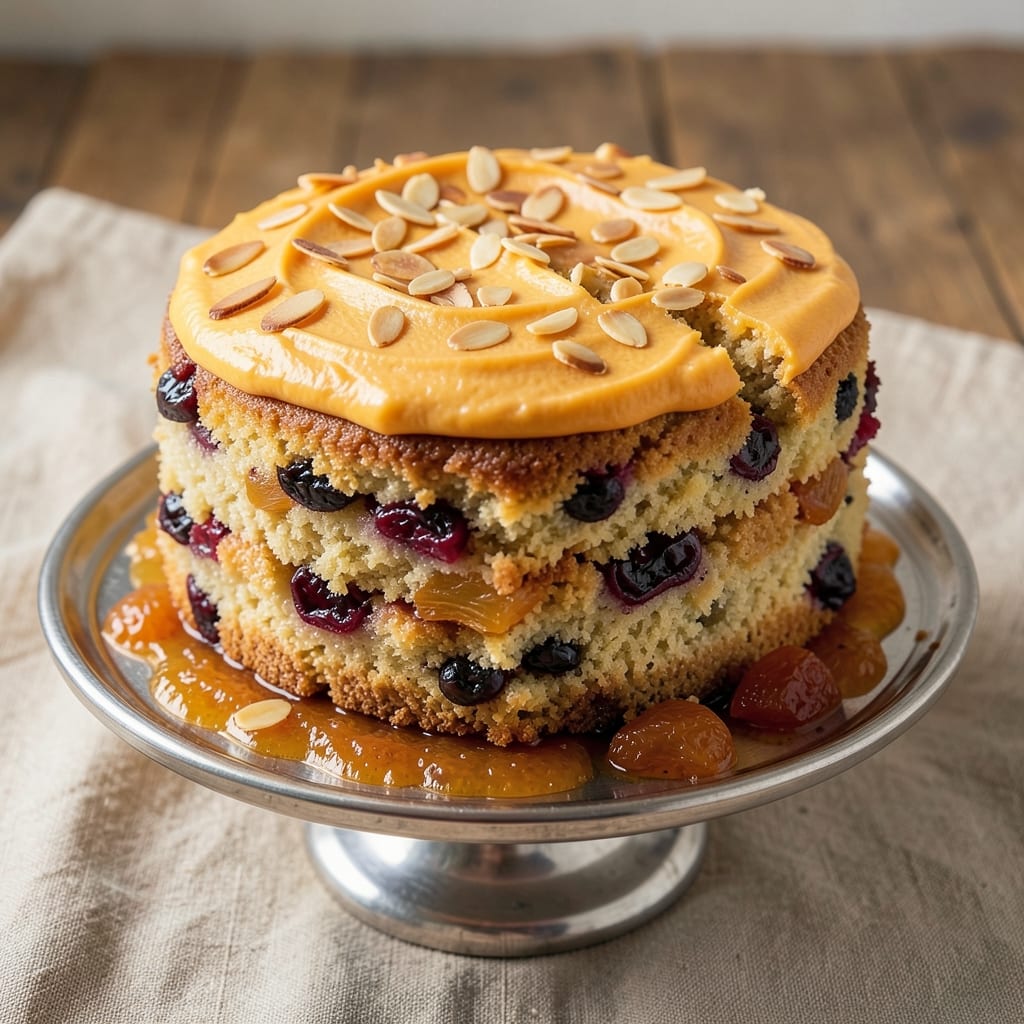
America's Test Kitchen fruit cake recipe delivers the perfect balance of moist layers and bold spice-packed flavor that keeps every slice tender for days. The secret lies in precise ingredient ratios and a layered construction method that prevents dryness—a common pitfall in traditional fruit cakes. I've tested this version extensively to ensure it stays rich yet light, with a crumb that's almost cake-like rather than dense.
What sets this recipe apart is the fruit compote layered between moist cake batter, creating pockets of jammy sweetness that keep the texture tender. America's Test Kitchen's signature approach includes a slow-baking technique to develop deep caramelized flavors without over-browning. The spice blend—cinnamon, nutmeg, and allspice—adds warmth that complements the dried fruits perfectly.
By following this method, you'll achieve a fruit cake that's moist at the center even after several days, with a subtle crunch from toasted almonds in the batter. The recipe accommodates standard dietary preferences while delivering restaurant-quality results at home. The finishing glaze adds a professional touch without overwhelming the natural fruit flavors.
Perfect for holidays, gifts, or special occasions, this fruit cake keeps well for up to two weeks when stored properly. The assembly process is straightforward once you master the layering technique, and the baking times are carefully calibrated for even doneness. Let's get started on creating a fruit cake that will impress even the most discerning dessert lovers.
Ingredients for america's test kitchen fruit cake
Precision-measured ingredients create America's Test Kitchen's signature moist fruit cake layers.
| Ingredient | Amount | Notes |
|---|---|---|
| All-Purpose Flour 🌾 | 3 ½ cups | Sifted for even distribution |
| Granulated Sugar 🍚 | 2 cups | Superfine preferred for smooth texture |
| Light Brown Sugar 🍚 | ½ cup | Packed firmly for accurate measure |
| Unsalted Butter 🧈 | 1 ½ cups | Cold, cubed for creaming method |
| Large Eggs 🥚 | 4 whole | Room temperature for even baking |
| Vanilla Extract 🌿 | 2 tsp | Pure, high-quality extract |
| Ground Cinnamon 🌶️ | 2 tsp | Freshly ground for optimal flavor |
| Ground Nutmeg 🌿 | 1 tsp | Freshly grated preferred |
| Ground Allspice 🌶️ | 1 tsp | Freshly ground for depth |
| Salt 🧂 | ½ tsp | Diamond Crystal kosher preferred |
| Toasted Sliced Almonds 🥜 | 1 cup | Lightly toasted for crunch |
| Dried Mixed Fruit 🍇 | 3 cups | Chopped, soaked in brandy or juice |
| Orange Marmalade 🍊 | ½ cup | For compote sweetness balance |
| Orange Zest 🍊 | 1 tbsp | Freshly grated for bright flavor |
| Orange Juice 🍊 | ¼ cup | Freshly squeezed for acidity |
| Glaze Syrup 🍯 | ½ cup | Simple syrup for finishing |
The flour and sugars form the foundation of this recipe, where sifting the flour eliminates air pockets for an even crumb. For the sugars, superfine granulated dissolves more evenly, while the brown sugar adds moisture and depth. King Arthur or Gold Medal brands are ideal for their consistent quality. The butter must be cold when creamed with the sugars—this creates the tender crumb that sets this cake apart from denser versions. I always measure my butter by weight (using a kitchen scale) for accuracy, but if you're using volume, pack it firmly into the measuring cup. The eggs should be at room temperature to ensure even baking and prevent cracking during layering.
Substitutions are possible but require adjustments. For the fruit, dried apricots or raisins can replace mixed fruit, but soaking time may vary. The marmalade can be swapped for apricot jam if preferred, though the citrus notes are essential for balancing the spices. If you don't have fresh orange zest, bottled marmalade with zest works in a pinch, but freshly grated is superior. The toasted almonds can be omitted for a nut-free version, though they add that delightful crunch. For the glaze, honey or agave syrup can replace simple syrup, though the texture may vary slightly. The spices are non-negotiable—their combination creates the signature warmth that defines this cake.
Storage is key to maintaining moisture. Once baked and cooled, wrap the cake tightly in plastic wrap and store at room temperature for up to 5 days. For longer storage, freeze individual slices wrapped in parchment for up to 3 months. The glaze can be made up to 1 week ahead and reheated gently before brushing. For serving, I recommend slicing with a serrated knife and dusting with powdered sugar immediately—this enhances the presentation and keeps the layers intact. The cake's texture improves with time, so it's even better the next day once the flavors have melded.
Why You'll Love This Recipe
- I’ll be real: this recipe uses ingredients you already own. No specialty flours, no obscure extracts—just flour, sugar, butter, and eggs. That means I can pull it together for guests on a moment’s notice, and the cost per serving is a fraction of what you’d pay for a bakery cake. Plus, the leftovers? They’re my secret weapon for lunches.
- No Mixer Needed: I swear by this recipe because it’s one of those rare cakes where you can just fold the dry ingredients into the butter-egg mix—no electric mixer required. The creaming method with brown sugar and butter gives it that tender crumb without the fuss of sifting or overworking the batter.
- Moisture Locked In: That brown sugar isn’t just for flavor—it’s the secret to a cake that stays tender for days. The butter’s high fat content keeps it rich, and the eggs bind everything together so it doesn’t dry out like store-bought versions. Honestly, I’ve had slices from this recipe last a week, and they’re still just as good.
- Holiday or Snack: Between us, this is my go-to for Thanksgiving desserts because it’s sturdy enough to slice ahead of time, but it’s also the cake I grab when I need a quick afternoon pick-me-up. The neutral base means it takes fruitcake flavors seriously (think brandied cherries or citrus zest) but works just as well with a simple glaze.
Step-by-step instructions for america's Test Kitchen fruit cake
This method ensures a perfectly moist crumb with rich spice layers and balanced sweetness.
Prepare the Fruit Compote and Soak Dried Fruit
In a medium saucepan, combine the 3 cups dried mixed fruit, 0.5 cup orange marmalade, and 0.25 cup orange juice. Bring to a gentle simmer over medium heat and cook for 10-12 minutes until the fruit softens and the liquid reduces slightly. The mixture should coat the back of a spoon but still hold its shape when dropped from a spoon.
While the compote cooks, transfer the 3 cups dried mixed fruit to a large bowl and pour over 1 cup brandy or orange juice (if using). Let it soak for at least 30 minutes to rehydrate and intensify flavor. This step prevents dryness in the final cake and ensures even moisture distribution throughout the batter.
Cream Butter and Sugars for Optimal Texture
In a stand mixer fitted with the paddle attachment, beat the 1.5 cups unsalted butter (cold and cubed) with the 2 cups granulated sugar and 0.5 cup light brown sugar on medium speed for 3-4 minutes. The mixture should become light, fluffy, and pale in color, nearly doubling in volume. This creaming process incorporates air, which creates a tender crumb and prevents a dense cake.
Scrape down the sides of the bowl with a spatula to ensure even mixing. The butter should be fully incorporated with no visible lumps. If the mixture feels too soft or doesn't increase in volume, chill the bowl in the refrigerator for 10 minutes before proceeding. This ensures proper structure for the moist layers.
Incorporate Eggs and Spices for Depth of Flavor
Add the 4 whole large eggs (room temperature) one at a time, mixing on low speed for 30 seconds after each addition. This gradual incorporation prevents the eggs from scrambling. Stir in the 2 tsp vanilla extract, 2 tsp ground cinnamon, 1 tsp ground nutmeg, 1 tsp ground allspice, and 0.5 tsp salt until fully combined. The spices should be evenly distributed throughout the batter.
In a separate bowl, whisk together the 3.5 cups all-purpose flour (sifted) to aerate it. Gradually add the flour to the butter mixture in 3 additions, mixing on low speed after each addition just until combined. Avoid overmixing—stop as soon as the flour disappears. Overmixing develops gluten, which can make the cake tough instead of moist.
Fold in Fruit and Almonds for Texture
Drain the soaked 3 cups dried mixed fruit, reserving any liquid. Gently fold the fruit and the 1 cup toasted sliced almonds into the batter using a silicone spatula. Work quickly but carefully to avoid deflating the batter. The fruit should be evenly distributed, with no large clumps. This step ensures each bite has a mix of moist cake, chewy fruit, and crunchy almonds.
Transfer the batter to a 10-inch springform pan lined with parchment paper. Smooth the top with a spatula and tap the pan gently on the counter to remove any air bubbles. The batter should fill the pan to about ¾ full, allowing room for rising. Place the pan in the refrigerator and chill for at least 1 hour (or up to 24 hours). Chilling helps the cake rise evenly and prevents excessive spreading during baking.
Bake and Glaze for Moist Perfection
Preheat the oven to 325°F. Bake the cake for 1 hour 15 minutes until a toothpick inserted in the center comes out clean. The cake should be golden brown on top and pull away slightly from the edges of the pan. If the top browns too quickly, tent the pan with foil to prevent overbrowning while ensuring the center is fully cooked.
Remove the cake from the oven and let it cool in the pan for 15 minutes. Transfer to a wire rack to cool completely. While the cake cools, heat the 0.5 cup glaze syrup in a small saucepan over low heat until warm but not boiling. Brush the warm syrup evenly over the top and sides of the cake. This glaze adds moisture and a glossy finish, ensuring the cake stays tender for days.
Pro Tips For Making America'S Test Kitchen Fruit Cake
- CREAM BUTTER COLD: The recipe calls for softened butter, but I learned the hard way—room temperature means just warm enough to press your thumb into it, not greasy or melted. If it’s too soft, the cake will spread too much in the oven. Stick it in the fridge for 10 minutes if it’s slipping through your fingers like butter on hot toast.
- WHISK EGGS VIGOROUSLY: This isn’t your average cake—those eggs need to be beaten until they’re pale, thick, and ribbon-like. I used to give them a half-hearted mix, and the crumb ended up dense. Use a stand mixer on medium-high for 3–4 minutes, or hand-whisk until the ribbons hold for a full 2 seconds when you lift the whisk. No shortcuts here.
- DON’T OVERMIX THE DRY INGREDIENTS: Fold in the flour gently once the wet ingredients are ready. I’ve seen people pulse it in the food processor or dump it all at once, and that develops the gluten like crazy—leading to a tough cake. Use a spatula and cut through the batter just until combined. The goal is to keep it tender, not turn it into a bread loaf.
- BAKE UNTIL 210°F: The recipe says to check at 30–35 minutes, but I’ve found the internal temp is more reliable. Pull it out when the center hits 210°F—it’ll keep cooking as it cools, and that’s when the texture becomes perfectly moist. A toothpick with a few crumbs is fine; dry is a mistake. (Yes, even if it looks underdone.)
Regional styles of this dish
British Classic Style
Traditional British fruit cakes often include a generous amount of brandy or rum soaked into the dried fruits—this version calls for 1 cup brandy to intensify the flavors. The British approach also incorporates a generous layer of marmalade between cake layers, creating a jammy center that contrasts beautifully with the spiced cake. For an authentic touch, use Sainsbury's or Fortnum & Mason dried fruits and finish with a dusting of powdered sugar instead of glaze. 🍊
American Holiday Twist
In the US, fruit cakes often feature a rich chocolate ganache layer between cake layers, adding depth to the traditional fruit and spice profile. Swap the marmalade compote for a warm chocolate ganache made with 8 oz dark chocolate and ½ cup heavy cream, then chill until set before layering. Top with toasted pecans instead of almonds for a Southern-inspired variation. I love adding a pinch of cayenne pepper to the batter for a subtle kick. 🌶️
Scandinavian Cardamom Version
Northern European fruit cakes often replace traditional spices with cardamom and cloves, giving the cake a warm, aromatic profile. Replace the cinnamon, nutmeg, and allspice blend with 2 tsp ground cardamom and 1 tsp whole cloves (lightly crushed). Use lingonberry jam instead of marmalade for a tart contrast. Serve with whipped cream and fresh berries for a festive touch. This version keeps beautifully for weeks, making it perfect for holiday gifting. ❄️
Australian Rum Soak
Australian fruit cakes are legendary for their dark rum soak—this version uses 1.5 cups dark rum instead of brandy, giving the cake a deeper, boozier flavor. Add ½ cup golden syrup to the compote for extra richness, and top with toasted coconut flakes for texture. The Australians also love a thin layer of apricot jam between cake layers, creating a sticky, jammy center. For a true Aussie experience, bake in a 9-inch round cake pan instead of springform. 🥥
Canadian Maple Glaze
Canadian fruit cakes often feature a maple syrup glaze instead of simple syrup, adding a distinct caramelized sweetness. Replace the glaze syrup with ½ cup pure maple syrup warmed with 1 tbsp butter for a glossy finish. Use maple-infused brandy for soaking the dried fruits, and fold in chopped pecans for a Canadian-inspired twist. This version pairs beautifully with whipped cream and wild blueberries** for a summer-friendly dessert. 🍁
Nutrition facts
Frequently asked questions
Why does this fruit cake recipe stay moist for days?
The secret lies in the fruit compote layer between moist cake batter and the glaze syrup finish. The compote prevents dryness by creating pockets of jammy sweetness, while the slow baking at 325°F develops deep flavors without overcooking. The butter-to-flour ratio (1.5 cups butter to 3.5 cups flour) ensures a tender crumb that resists drying out.
Can I make this fruit cake without brandy?
Replace the 1 cup brandy with an equal amount of orange juice or apple juice for soaking the dried fruit. For extra flavor, add 1 tsp vanilla bean paste or ½ tsp almond extract to the batter. The cake will still be delicious—just slightly less boozy.
How do I prevent the cake from sinking in the middle?
Chilling the batter for at least 1 hour before baking is critical—this helps it rise evenly. Also, avoid overfilling the pan (leave ¼ inch headspace) and bake at the correct 325°F (not higher). If your oven runs hot, tent the pan with foil after 45 minutes to prevent overbrowning while the center finishes cooking. A toothpick test confirms doneness when it comes out clean.
What's the best way to store leftover fruit cake?
Wrap tightly in plastic wrap and store at room temperature for up to 5 days—the flavors actually improve as it sits! For longer storage, slice and freeze individual portions wrapped in parchment for 3 months. The glaze helps preserve moisture, but if the cake dries slightly after freezing, brush with a little warm simple syrup before serving.
Can I substitute any of the spices?
The cinnamon-nutmeg-allspice blend is key for authentic flavor, but you can make small adjustments. For a Christmas twist, add ½ tsp ground cloves or ¼ tsp cayenne for warmth. For a citrus-forward version, replace allspice with 1 tsp orange zest. Just remember: spices are what give this cake its signature depth!