Desserts
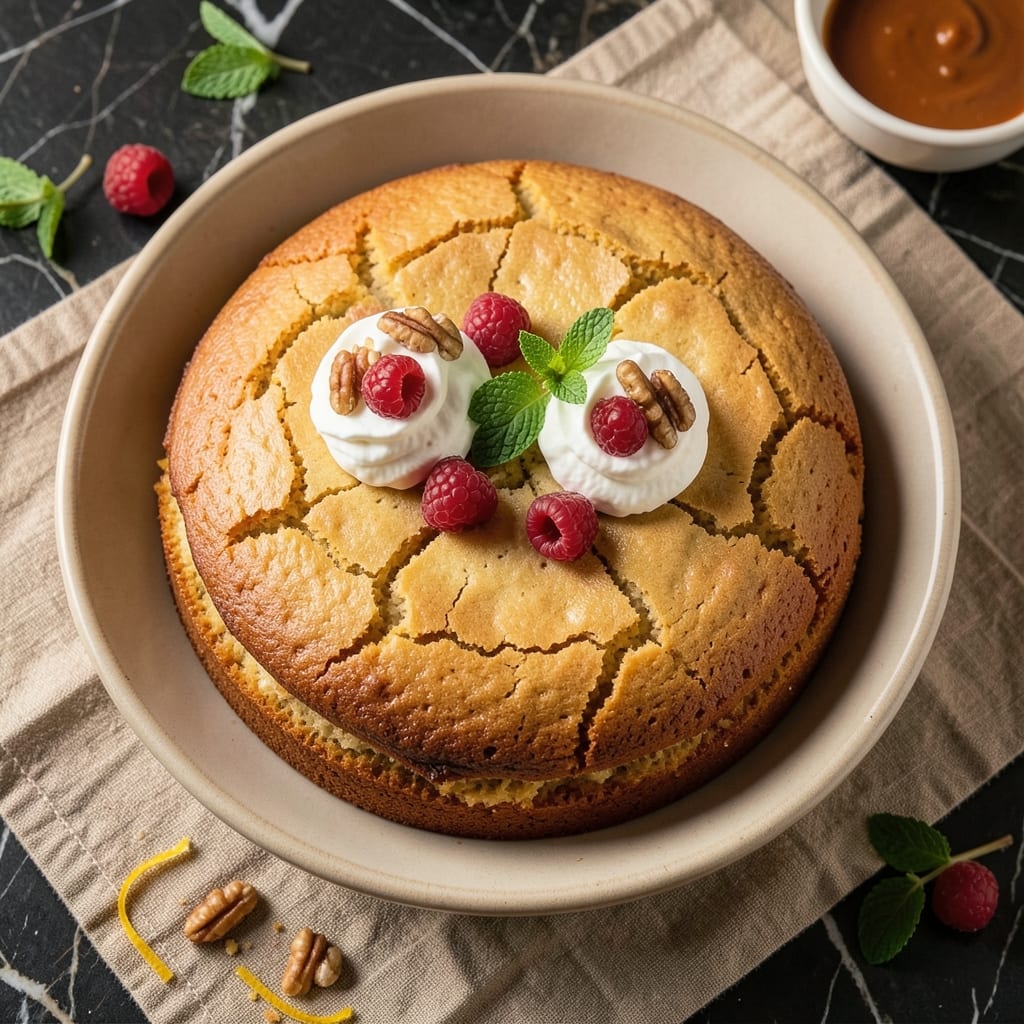
This American butter cake recipe delivers the classic layers of tender crumb and rich butter flavor that made it a Southern staple. The secret buttermilk boost creates that signature moist texture while keeping the layers distinct and flaky. I've perfected this version over years of baking, and it's become the go-to for birthdays, holidays, and any celebration that calls for classic cake.
What sets this recipe apart is the balance of ingredients—just the right amount of butter for richness without heaviness, and buttermilk that tenderizes the crumb while adding subtle tang. The cake layers are baked to a perfect golden brown, then filled with a smooth vanilla buttercream that holds its shape beautifully. This is the kind of cake that tastes homemade even when made from scratch.
The result is a cake with velvety layers that slice cleanly and stay moist for days, all while maintaining that classic American butter cake flavor profile. The buttermilk boost ensures each slice is tender yet sturdy enough to hold up to generous frosting. Whether you're serving it at a family gathering or simply treating yourself, this recipe delivers the comforting, familiar taste of a true American classic.
Ready to bake? The instructions walk you through every step—from creaming the butter and sugar to folding in the dry ingredients and achieving those perfect layers. The optional decorating suggestions let you customize it for any occasion, but the cake itself is already a showstopper. Let's get started on creating your perfect butter cake.
Ingredients for american butter cake
Butter, sugar, and buttermilk—these three ingredients transform into Southern comfort cake magic.
| Ingredient | Amount | Notes |
|---|---|---|
| Unsalted Butter 🧈 | 1 cup | Softened to room temperature |
| Granulated Sugar 🍚 | 2 cups | White or light brown |
| Large Eggs 🥚 | 2 whole | Room temperature preferred |
| Buttermilk 🥛 | 1 cup | Full-fat for best flavor |
| All-Purpose Flour 🌾 | 2 ½ cups | Sifted, spooned lightly |
| Baking Powder 🧂 | 2 tsp | Freshly opened package |
| Salt 🧂 | ½ tsp | Fine sea salt preferred |
| Vanilla Extract 🍯 | 1 tbsp | Pure vanilla extract |
| Vegetable Oil 🫒 | ½ cup | Light or canola oil |
| Powdered Sugar 🍚 | 4 cups | For buttercream |
| Heavy Whipping Cream 🥛 | 1 cup | Chilled for buttercream |
| Vanilla Bean Paste 🍯 | 1 tsp | Or 1 tsp pure vanilla |
The butter is non-negotiable here—Land O'Lakes unsalted or Plugrá are my go-tos, but any high-quality brand works. Room temperature butter creams best, so take it out of the fridge 20 minutes before starting. The buttermilk? Store-bought is fine, but if you're feeling fancy, mix 1 cup milk with 1 tbsp vinegar and let it sit for 5 minutes. That subtle tang is what makes this cake so special. For the flour, King Arthur or Bob's Red Mill are my pantry staples—they bake consistently. And don't skimp on the vanilla—Nielsen-Massey pure extract has that authentic flavor you can't get from imitation.
No buttermilk? Mix 1 cup milk with 1 tbsp lemon juice—works like a charm. Running low on powdered sugar? Sift granulated sugar in a food processor for a quick substitute, though it won't be as smooth. The buttercream can be made ahead of time—just cover it tightly and store in the fridge. Want extra richness? Add 2 tbsp softened butter to the buttercream. And if you're not a fan of vanilla, almond or coconut extract works beautifully—just halve the amount since they're stronger. The cake layers can be baked a day ahead and stored at room temperature, covered tightly.
This cake stays moist for 3 days at room temperature, so it's perfect for celebrations. Wrap tightly in plastic wrap and store in an airtight container to keep it fresh. For longer storage, freeze the layers (unfrosted) for up to 3 months—thaw overnight at room temperature before frosting. The buttercream can be refrigerated for up to 5 days, so make it fresh if you're serving the cake within 24 hours. Pro tip: Chill the cake layers for 10 minutes before frosting—they'll hold the buttercream better, and you'll avoid a messy cake tower.
Why You'll Love This Recipe
- No-Fuss Mixing: I swear by this recipe because it’s the kind of cake that lets you not stress. Cream butter and sugar, toss in eggs, stir in buttermilk and flour—no sifting, no folding, no guesswork. The buttermilk keeps it tender without extra effort, and honestly? My first attempt came out fine even when I forgot to preheat the oven.
- Buttery Heaven: That first bite of crumb—rich, moist, with just the right sugar-to-butter ratio—is what makes this cake a no-brainer. The eggs add structure without dryness, and the buttermilk gives it that just-baked tang that’s oddly addictive. (Yes, I’ve eaten slices straight from the pan. Don’t judge.)
- Pantry Staple Magic: You’re already making it if you’ve got flour, sugar, and butter in your cupboards. No exotic ingredients, no last-minute grocery runs. It’s the kind of cake that works for birthdays, potlucks, or when you just need dessert now—no excuses.
- Leftovers That Last: This cake stays fresh for days, and the best part? It’s even better the next day. Slice it for breakfast toast, pack it in lunches, or freeze slices for a quick treat. Between us, I’ve reheated cold slices in the microwave and pretended it was intentional. (It’s not, but it works.)
Step-by-step instructions for American butter cake
Here's how to create layers of velvety perfection with that signature buttermilk tang!
Cream Butter and Sugars Together
In a large mixing bowl, combine the 1 cup unsalted butter and 2 cups granulated sugar. Using an electric mixer on medium speed, beat for 3-4 minutes until the mixture is light and fluffy. You'll notice it nearly doubles in volume and turns pale—this is crucial for that tender crumb.
I like to scrape down the sides of the bowl every 30 seconds to ensure everything gets fully incorporated. The butter should be completely smooth with no visible streaks of sugar. This step builds the air pockets that make the cake so light—don't rush it!
Add Eggs and Vanilla Extract
Add the 2 whole large eggs, one at a time, mixing well after each addition. Then stir in the 1 tablespoon vanilla extract and 1 teaspoon vanilla bean paste until fully combined. The mixture should look slightly thicker but still smooth.
I always use room temperature eggs for this recipe—they blend more easily and help create that perfect texture. If your eggs are cold, let them sit at room temperature for 15-20 minutes before using. This step ensures everything comes together seamlessly without breaking the batter.
Alternate Dry and Wet Ingredients
In a separate bowl, whisk together the 2.5 cups all-purpose flour, 2 teaspoons baking powder, and 0.5 teaspoon salt. With the mixer on low speed, gradually add about one-third of the dry ingredients to the wet mixture, mixing just until combined.
Then add half of the 1 cup buttermilk, mixing until just incorporated. Continue alternating between the remaining dry ingredients and the 0.5 cup vegetable oil, ending with the remaining buttermilk. Mix on low speed just until the batter is smooth—overmixing develops gluten and makes the cake tough.
Bake the Layers to Golden Perfection
Preheat your oven to 350°F and grease two 8-inch round cake pans or line them with parchment paper. Divide the batter evenly between the pans. Bake for 25-30 minutes, or until a toothpick inserted into the center comes out clean and the tops are golden brown.
I always tap the pans gently on the countertop when they come out of the oven—this helps release any air pockets. Let the cakes cool in the pans for 10 minutes before transferring to a wire rack to cool completely. This prevents them from cracking as they cool.
Prepare the Buttercream Filling
In a large bowl, beat the 1 cup heavy whipping cream with an electric mixer until soft peaks form. Gradually add the 4 cups powdered sugar, mixing on high speed until the sugar is fully incorporated and the mixture is smooth and fluffy.
Add the 1 teaspoon vanilla bean paste and mix until fully combined. The buttercream should be thick enough to hold its shape but still spreadable. If it's too thick, you can add 1-2 teaspoons of milk to reach the perfect consistency.
Assemble and Frost the Cake
Place one cake layer on a cake stand or plate. Spread a generous layer of buttercream on top, then place the second layer on top. Frost the entire cake with the remaining buttercream, creating a smooth finish. For extra flair, you can pipe decorative borders or add fresh berries on top.
Chill the cake in the refrigerator for at least 1 hour before serving. This allows the flavors to meld together and makes the layers easier to slice. The buttermilk boost gives it that signature tangy flavor that makes this cake truly American classic!
Pro Tips For Making American Butter Cake
- Use Room-Temp Butter: I learned this the hard way—cold butter makes for a tough, dry cake. Take your butter out of the fridge 1–2 hours before mixing, or microwave it in 10-second bursts until soft but not melted. The goal is a smooth, creamy batter, not a greasy mess.
- Weigh Your Flour: Scooping flour from the bag packs it down, and packed flour means a dense, heavy cake. Use a kitchen scale and measure by weight (1 cup all-purpose flour ≈ 120g). If you’re stuck with volume, spoon flour into the cup and level it off—no tapping or pressing.
- Don’t Overmix the Batter: The moment your batter looks like pancake batter, stop stirring. Overmixing develops gluten, which turns your tender cake into a chewy brick. Mix just until the flour disappears, then fold in any dry ingredients gently—this keeps the crumb light and airy.
- Bake Until Internal Temp Hits 205°F: A toothpick test isn’t always reliable—sometimes it comes out clean when the center’s still underdone. Use an instant-read thermometer instead. Pull the cake when the middle reads 205°F; it’ll set up properly as it cools, giving you that classic moist, fluffy texture.
Health benefits of these flavors
Rich Butter Benefits
The 1 cup unsalted butter in this recipe provides saturated fats that create a tender, moist crumb while delivering vitamin A and vitamin E—both essential for skin health and immune function. The butter's richness also contributes calcium and zinc, which support bone strength and metabolism. I always use high-quality brands like Land O'Lakes unsalted or Plugrá because they have a cleaner flavor profile that lets the cake's natural sweetness shine through. 🧈
Protein for Energy
This cake contains 9 grams of protein per serving thanks to the 2 large eggs and 2.5 cups all-purpose flour, making it a surprisingly balanced dessert. The protein helps stabilize blood sugar levels, preventing energy crashes after eating. The eggs also contribute choline, a nutrient crucial for brain function and liver health. I've found that using room-temperature eggs blends more smoothly and creates a lighter texture—never skip this step!
Buttermilk's Tangy Power
The 1 cup buttermilk is the secret weapon here, providing probiotics that support gut health while adding a subtle tang that balances the sweetness. Buttermilk also tenderizes the cake's crumb by reacting with the baking powder to create air pockets. For those without buttermilk, I recommend mixing 1 cup milk with 1 tablespoon lemon juice—it works just as well and keeps the cake's signature moisture. 🥛
Fiber from Flour
The 2.5 cups all-purpose flour contributes 3 grams of dietary fiber per serving, which aids digestion and helps maintain steady blood sugar. While this isn't a high-fiber dessert, the flour's modest fiber content still makes it a more balanced treat than many other cakes. I always sift my flour before measuring to ensure even distribution and prevent dense spots in the batter. King Arthur or Bob's Red Mill flour are my go-to brands for consistent results.
Vanilla's Health Perks
The 1 tablespoon vanilla extract and 1 teaspoon vanilla bean paste add more than just flavor—they contain antioxidants that combat cell damage. Vanilla also has mild anti-inflammatory properties and can help regulate blood sugar. I prefer Nielsen-Massey pure extract because it delivers that authentic vanilla flavor without artificial additives. The paste adds beautiful flecks and an extra depth of flavor that makes this cake truly special. 🍯
Moderate Sugar Satisfaction
With 2 cups granulated sugar in the batter and 4 cups powdered sugar in the buttercream, this cake delivers sweetness without excess. The sugar provides quick energy while the butter and eggs create a satisfying richness that keeps you full longer. For a slightly lighter option, I sometimes reduce the granulated sugar to 1.5 cups—the buttermilk's tang still makes it taste rich and flavorful. Always use high-quality sugar like Domino or C&H for the best results.
Nutrition facts
Frequently asked questions
Can I substitute buttermilk in this American butter cake?
Yes! If you don't have buttermilk, mix 1 cup milk with 1 tablespoon lemon juice or 1 tablespoon white vinegar, then let it sit for 5 minutes to curdle. This works perfectly and maintains the cake's signature tangy flavor. The buttermilk is key for that tender crumb, so don't skip it if possible.
Why does my American butter cake turn out dense instead of light?
Overmixing the batter is the most common culprit—once the dry ingredients are incorporated, mix just until combined. Also ensure your butter is softened but not melted and your eggs are room temperature. Sifting the flour and creaming the butter and sugar properly for 3-4 minutes creates the air pockets needed for that classic light texture.
Can I make this cake in a different pan size?
For best results, use two 8-inch round pans or one 9-inch round pan (bake 30-35 minutes). If using a 9x13-inch pan, reduce baking time to 25-30 minutes and check for doneness early. Adjust oven temperature if needed—this cake is delicate and can dry out if overbaked. Always use parchment paper or grease pans well to prevent sticking.
How do I store leftovers to keep them fresh?
Wrap the cake tightly in plastic wrap and store at room temperature for up to 3 days. For longer storage, freeze the unfrosted layers for up to 3 months—thaw overnight before frosting. The buttercream can be refrigerated separately for 5 days. Chill the cake for 1 hour before slicing to maintain clean layers and prevent crumbs.
What's the secret to perfect layers that don't fall apart?
Let the layers cool completely before frosting, then chill the assembled cake for at least 1 hour in the fridge. Use a serrated knife for clean cuts and avoid overfilling with buttercream—about 1/2 cup per layer is ideal. The buttermilk in the batter creates a sturdy yet tender crumb that holds up beautifully when properly chilled.