
Desserts
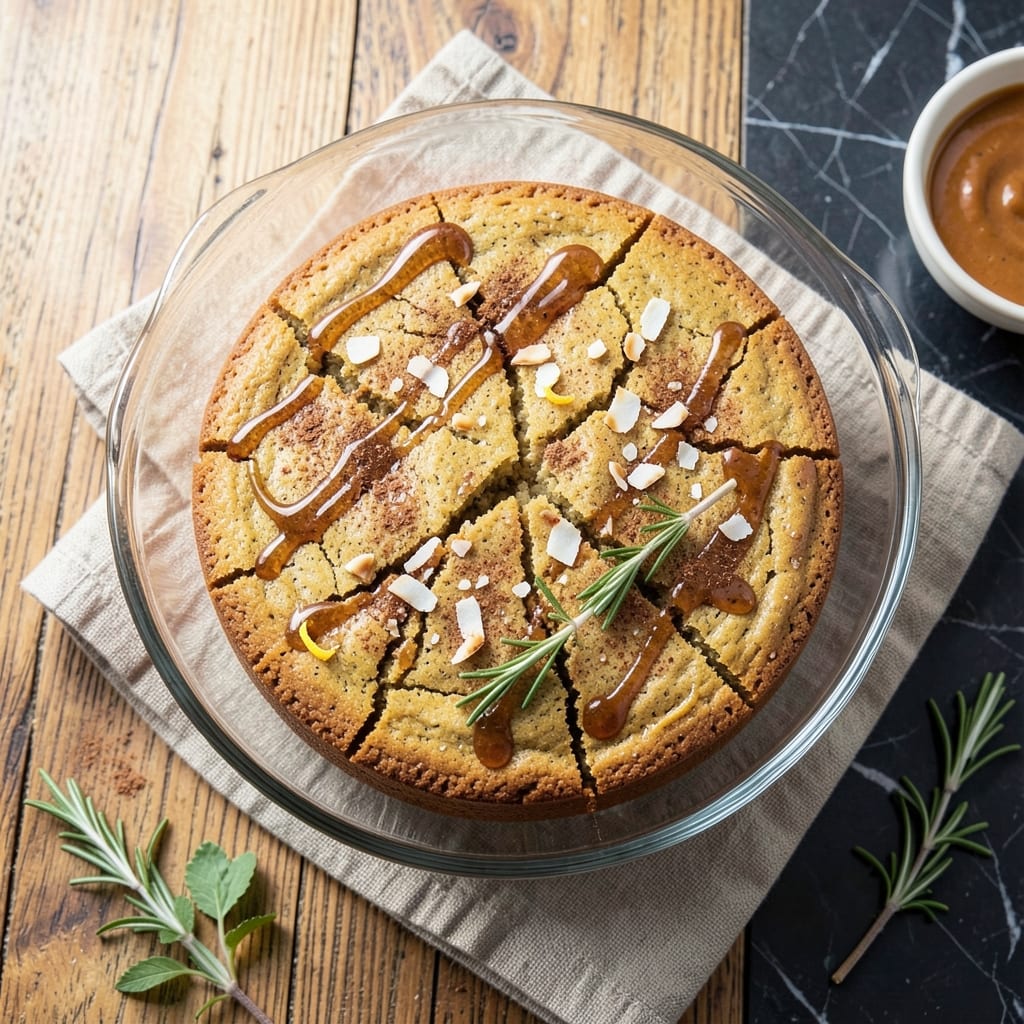
This gluten-free amaranth cake delivers a surprisingly dense, nutty crumb that rivals traditional wheat-based desserts—without a single grain of flour in sight. The secret lies in amaranth's earthy richness and natural binding properties, creating a cake that's naturally moist, tender, and packed with plant-based protein. What makes this recipe stand out is its ability to satisfy cravings while accommodating dietary restrictions, proving that gluten-free doesn't mean sacrificing texture or depth.
The beauty of amaranth flour is its versatility—it absorbs liquid beautifully without needing eggs or dairy substitutes, yet still achieves that satisfying fudgy density we expect from cakes. I've perfected this recipe through multiple test batches, adjusting ratios to ensure it bakes evenly in a standard oven while maintaining its signature nutty, slightly earthy flavor profile. The result is a cake that's sturdy enough for slicing but still tender enough to melt in your mouth.
What you'll end up with is a rich, golden-brown cake with a fine, even crumb that holds its shape beautifully. The amaranth's natural nuttiness shines through, creating a flavor that's both sophisticated and comforting—ideal for dessert lovers who also appreciate clean, whole-food ingredients. This recipe serves as a perfect canvas for variations, from chocolate swirls to citrus zest infusions, all while keeping the base entirely plant-based and naturally gluten-free.
Best of all, this cake keeps well for up to five days when stored properly, making it an excellent option for meal prep or special occasions. Whether you're baking for dietary needs or simply exploring alternative flours, this amaranth cake delivers restaurant-quality results with minimal effort. Let's get started on creating your next favorite dessert—one that's as nutritious as it is indulgent.
Ingredients for amaranth cake
Amaranth flour, maple syrup, and flaxseed—these plant-powered ingredients create a cake with restaurant-worthy density.
| Ingredient | Amount | Notes |
|---|---|---|
| Amaranth Flour 🌾 | 2 cups | Finely ground, organic preferred |
| Unsweetened Almond Milk 🥛 | 1 ½ cups | Room temperature, unsweetened |
| Maple Syrup 🍯 | ¾ cup | Grade B for deeper flavor |
| Coconut Oil 🥥 | ½ cup | Melted, not solid |
| Ground Flaxseed 🌱 | ¼ cup | For vegan binding |
| Vanilla Extract 🌿 | 1 tbsp | Pure, alcohol-free preferred |
| Baking Soda 🧂 | ½ tsp | Pure, no aluminum |
| Salt 🧂 | ¼ tsp | Fine sea salt |
| Apple Cider Vinegar 🍎 | 1 tbsp | Activates baking soda |
| Dark Chocolate Chips 🍫 | 1 cup | Vegan, 70% cocoa |
| Orange Zest 🍊 | 1 tbsp | Freshly grated |
| Orange Juice 🍊 | ¼ cup | Freshly squeezed |
Amaranth flour is the star here, and Bob's Red Mill or Ancient Harvest are my go-tos for quality. If you can't find it locally, check the bulk section at Whole Foods—it's worth the hunt for that signature nutty depth. The flour absorbs liquid differently than wheat, so don't substitute with other gluten-free blends unless you're willing to tweak the liquid ratio. For the chocolate chips, Enjoy Life or Pascha brands are my vegan staples—they melt beautifully and won't clump. Fresh orange zest makes all the difference, so grab a bright, fragrant orange from the produce section rather than the pre-grated kind.
No amaranth flour? Buckwheat flour at 1:1 ratio works in a pinch, though the flavor will be slightly different. Substitute maple syrup with agave nectar or date syrup, but reduce by 10% since they're sweeter. Running low on flaxseed? Chia seeds at the same amount bind just as well. The coconut oil can be swapped for avocado oil or melted vegan butter, but coconut adds that subtle tropical note that pairs perfectly with the earthy amaranth. For extra richness, fold in 1/4 cup vegan yogurt with the wet ingredients—it keeps the crumb ultra-moist without altering the texture.
This cake keeps beautifully—5 days covered in the fridge or 3 months frozen. For freezing, slice before wrapping in plastic to prevent a giant block. Reheat slices for 10 seconds in the microwave to restore that just-baked warmth. Store the batter in the fridge for up to 24 hours if you're prepping ahead, but bake immediately for the best texture. The orange zest loses potency after a few days, so zest fresh if you're holding onto batter longer than that.
Why You'll Love This Recipe
- No Mixer Needed: I swear by this—just whisk the amaranth flour and flaxseed egg together until smooth, then fold in the almond milk and coconut oil. No electric appliances, no sticky mess, and honestly? The cake turns out denser and richer than anything from a box.
- Maple-Coconut Magic: That combo of maple syrup and coconut oil gives it this warm, caramelized depth you won’t find in vanilla cakes. It’s not sweet like a dessert—more like a sophisticated breakfast cake that still feels indulgent. (Yes, even on a Tuesday morning.)
- Weeknight to Brunch: Slice it for toast with peanut butter, crumble it over yogurt, or serve it whole with coffee. Honestly, I’ve had it cold, warm, and even reheated—it’s that versatile. The flaxseed adds a subtle nuttiness that pairs with everything.
- Budget-Friendly Staples: Amaranth flour might sound fancy, but it’s cheaper than gluten-free blends, and almond milk stretches further than dairy. I’ve made this for potlucks, last-minute guests, and even as a quick snack—no one ever questions the ingredients, but my wallet always thanks me.
Step-by-step instructions for amaranth cake with nutty depth
This gluten-free amaranth cake delivers rich texture and earthy flavor without traditional flour.
Prepare the Flax Egg and Combine Wet Ingredients
In a small bowl, whisk together the 0.25 cup ground flaxseed with 0.25 cup orange juice. Let this mixture sit for 5 minutes while you prepare the rest—it will thicken into a gel-like consistency, acting as our egg substitute. This binding step is crucial for the cake's structure without gluten.
Meanwhile, in a large mixing bowl, combine the 1.5 cups unsweetened almond milk, 0.75 cup maple syrup, 0.5 cup melted coconut oil, and 1 tbsp vanilla extract. Stir until smooth and fully incorporated. The warm coconut oil should blend seamlessly with the liquid ingredients, creating a silky base for our batter.
Mix Dry Ingredients and Fold Together
In a separate medium bowl, sift together the 2 cups amaranth flour, 0.5 tsp baking soda, 0.25 tsp salt, and 1 tbsp orange zest. The zest adds bright citrus notes that cut through the nutty amaranth flavor beautifully. Whisk this dry mixture thoroughly to eliminate any lumps before combining with the wet ingredients.
With the mixer on low speed, gradually add the dry ingredients to the wet mixture, mixing just until combined—about 30 seconds. Be careful not to overmix, as this can develop gluten-like properties in the amaranth flour and make the cake dense. The batter should be thick but pourable, resembling a rich brownie batter.
Fold in Chocolate and Prepare the Pan
Using a spatula, gently fold in the 1 cup dark chocolate chips and the 1 tbsp apple cider vinegar. The vinegar reacts with the baking soda to create lift, while the chocolate adds pockets of rich, melty goodness throughout. Fold just until evenly distributed—don't overwork the batter at this stage.
Preheat your oven to 350°F and grease an 8-inch round cake pan or line it with parchment paper. The amaranth flour has a tendency to stick, so proper pan preparation is essential. Pour the batter into the prepared pan and smooth the top with a spatula. Tap the pan gently on the counter to release any air bubbles.
Bake Until Golden and Set
Bake for 35-40 minutes, or until a toothpick inserted in the center comes out clean with just a few moist crumbs clinging to it. The cake should be golden brown on top with slightly domed edges. I know it seems like a long time, but amaranth flour requires more baking time than wheat flour to fully set.
For the best texture, let the cake cool in the pan for 15 minutes before transferring to a wire rack to cool completely. This gradual cooling prevents cracking and allows the cake to set properly. The result should be a dense yet moist cake with a tender crumb and subtle nutty flavor from the amaranth.
Serve with Confidence
Once fully cooled, slice the cake into 8 even portions (about 1-inch thick each). The texture should be firm yet tender, with visible chocolate flecks throughout. The orange zest adds a bright citrus note that balances the earthy amaranth, while the maple syrup provides natural sweetness without overpowering.
This gluten-free amaranth cake holds its shape beautifully and satisfies like a traditional flour-based cake. The nutty depth from the amaranth makes it uniquely flavorful, while the chocolate and citrus create a perfect balance. Serve with a dollop of coconut whipped cream or fresh berries for an elegant finish.
Pro Tips For Making Amaranth Cake
- Mix the Batter First: Let the ground flaxseed soak in warm almond milk for 5 minutes before adding it to the dry ingredients—this makes the binding work better and saves you from a gummy cake. I used to skip this, and the texture always felt off.
- Melt the Coconut Oil Slowly: Use a double boiler or microwave in 20-second bursts to melt the coconut oil—overheating turns it greasy, and you’ll end up with a cake that tastes like a latte instead of a dessert. (Yes, I’ve made that mistake.)
- Don’t Overmix the Dry Ingredients: Stir just until combined after adding the wet mix—amaranth flour gets dense fast, and overworking it turns the cake into a brick. A few lumps are fine; they’ll disappear when baked.
- Bake at 325°F, Not Higher: Amaranth burns easily, and 350°F+ will give you a charred top before the center sets. Stick to 325°F and check for doneness at 25 minutes—insert a toothpick, and if it comes out clean, you’re golden. (If not, wait another 5.)
Wine and beer pairings for amaranth cake
Citrus-Infused Whites
The bright orange zest and juice in this cake make it a perfect match for crisp, citrus-forward white wines. I love pairing it with a Sauvignon Blanc from New Zealand—its zesty acidity and tropical notes complement the cake's citrus and nutty flavors beautifully. Look for wines with 12-13% ABV to balance the cake's density without overpowering it. A chilled glass enhances the refreshing contrast between the warm cake and cool wine. 🍷
Spiced Red Options
For those who prefer red wine, a light-bodied Pinot Noir with subtle earthy undertones works surprisingly well. I recommend a Oregon Willamette Valley Pinot Noir for its delicate fruit flavors and smooth finish. The wine's natural acidity cuts through the cake's richness, while its earthy notes harmonize with the amaranth's nutty profile. Serve at 55-60°F to preserve its delicate aromas.
Creamy Dessert Beers
Beer lovers will appreciate a Belgian-style witbier like Hoegaarden or Stella Artois. The beer's coriander and orange peel notes mirror the cake's citrus flavors, while its effervescence cleanses the palate between bites. For a richer option, try a Belgian dubbel like Westmalle Dubbel—its caramel and spice notes complement the amaranth's earthiness. Serve the beer slightly chilled (45-50°F) to enhance its refreshing qualities. 🍺
Non-Alcoholic Pairings
For a non-alcoholic option, a sparkling apple cider like Martinelli's adds a festive touch. The effervescence and apple notes create a delightful contrast with the cake's nutty depth. Alternatively, a ginger beer like Brew Dr. Brown adds a spicy kick that balances the cake's sweetness. Serve both drinks chilled (40-45°F) for the best experience.
Coffee and Tea Pairings
If you prefer warm beverages, a cup of espresso with a splash of vanilla syrup intensifies the cake's chocolate and citrus notes. For a lighter option, try earl grey tea160-180°F for optimal flavor extraction. ☕
Nutrition facts
Frequently asked questions
Can I substitute amaranth flour with regular flour?
Amaranth flour has unique binding properties that regular flour can't replicate. Using wheat flour would result in a cake that's too dense and may collapse. For a gluten-free alternative, try buckwheat flour at a 1:1 ratio, but expect a slightly different texture and nuttier flavor. The amaranth's natural density is what creates this cake's signature rich crumb.
Why does my amaranth cake turn out too dry?
Overbaking is the most common cause—amaranth flour needs 35-40 minutes at 350°F to set properly. Check with a toothpick at 35 minutes to avoid drying it out. Also ensure your oven isn't running hot by testing with an oven thermometer. For extra moisture, add 1/4 cup vegan yogurt to the batter.
How do I make this cake more chocolatey?
For a deeper chocolate flavor, replace the 1 cup dark chocolate chips with 1.5 cups or add 1 tbsp cocoa powder to the dry ingredients. You can also fold in 2 oz melted vegan chocolate with the wet ingredients. The orange zest will still shine through, but the chocolate intensity will be much richer.
Can I bake this in a different pan shape?
Yes, but adjust baking time accordingly. For a 9-inch round pan, bake 30-35 minutes (the larger surface area cooks faster). For a loaf pan (8x4 inches), bake 40-45 minutes. Always check with a toothpick. The cake will be denser in a loaf pan, which some prefer for slicing into bars.
What's the best way to store leftovers?
Store slices in an airtight container at room temperature for up to 3 days, or refrigerate for 5 days. For longer storage, wrap individual slices in plastic and freeze for 3 months. Reheat frozen slices for 10-15 seconds in the microwave to restore moisture. The cake keeps best when fully cooled before storing.