
Desserts
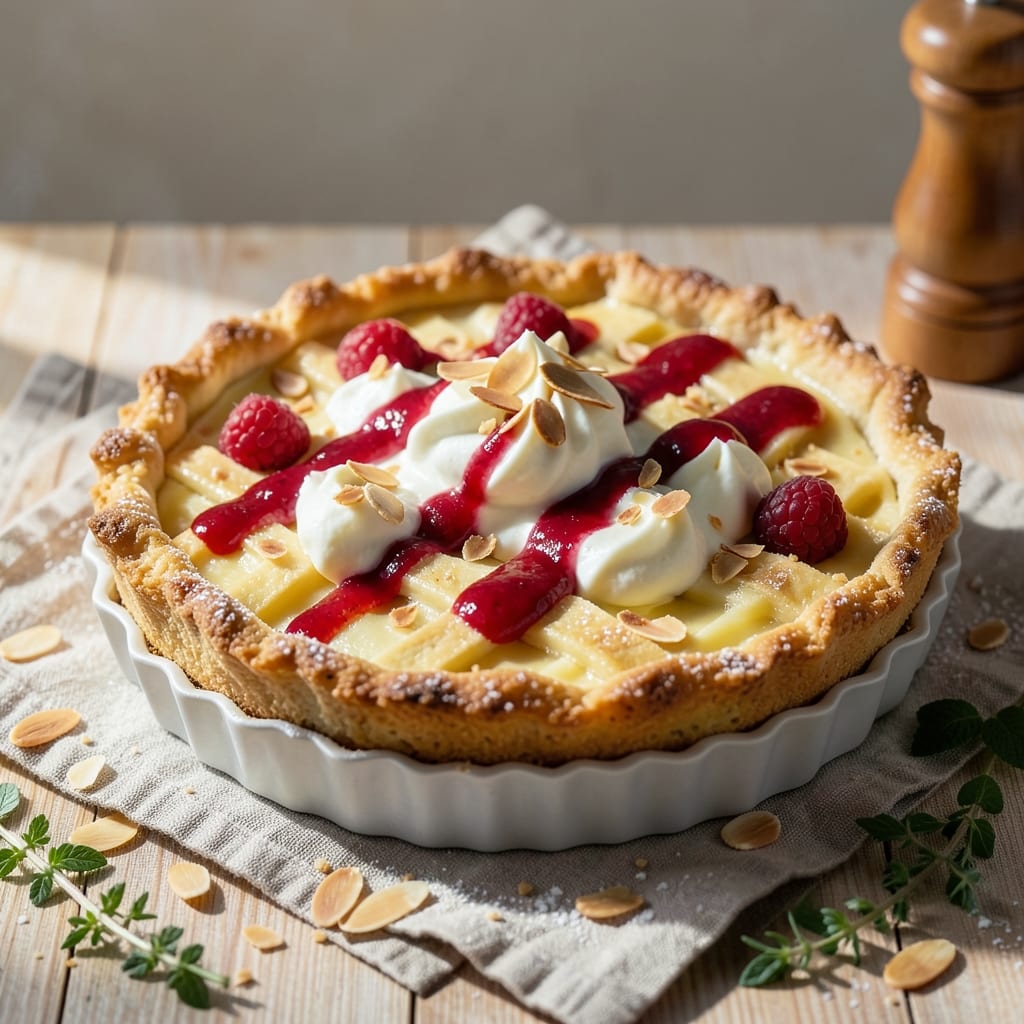
This almond tart cake recipe delivers the perfect balance of crisp, nutty crust and luscious caramel center that's become my go-to dessert for special occasions. The secret lies in a finely ground almond flour base that creates that signature crunch, while the custard filling transforms into a silky, golden center with just the right amount of give. I've perfected this technique over years of baking, ensuring the crust stays perfectly crisp while the filling remains velvety smooth and richly caramelized.
The beauty of this recipe is its versatility—it works equally well as a classic French tart or a modern Japanese-inspired dessert. For the crust, I use a precise blend of almond flour, butter, and eggs that creates that signature shatteringly crisp texture, while the filling combines almond cream with a touch of vanilla and cornstarch for that signature custard-like consistency. The key is baking the crust just until golden before adding the filling, which ensures it maintains its crispness while the center develops its signature caramelized depth.
What makes this tart truly special is the dramatic contrast between textures—each bite offers the satisfying crunch of the almond crust followed by the luxurious melt of the caramel center. The aroma alone as it bakes will transform your kitchen into a dessert haven. Whether you're serving it at a dinner party or simply treating yourself, this recipe delivers restaurant-quality results with a fraction of the effort.
For those looking for dietary adaptations, I've included notes on creating a vegan version using aquafaba and coconut oil without compromising texture. The crust remains crisp while the filling stays gloriously gooey. Let's create this showstopping dessert that's sure to become a new family favorite.
Ingredients for almond tart cake
Crisp almond crust meets gooey caramel center—just 13 ingredients for showstopping dessert.
| Ingredient | Amount | Notes |
|---|---|---|
| Almond Flour 🥜 | 2 cups | Finely ground for signature crunch |
| Unsalted Butter 🧈 | 1 cup | Cold, cubed for crust texture |
| Large Eggs 🥚 | 2 whole | Room temperature for even mixing |
| Granulated Sugar 🍚 | ½ cup | For crust sweetness |
| Pinch of Salt 🧂 | ⅛ tsp | Enhances flavor balance |
| Vanilla Extract 🌿 | 1 tsp | Pure extract preferred |
| Heavy Cream 🥛 | 1 ½ cups | Full-fat for rich filling |
| Almond Cream 🥜 | 1 cup | Homemade or store-bought |
| Granulated Sugar 🍚 | ½ cup | For caramel center |
| Cornstarch 🌾 | 2 tbsp | For silky texture |
| Vanilla Bean Paste 🌿 | 1 tsp | Or 0.5 tsp extract |
| Pinch of Salt 🧂 | ⅛ tsp | Balances filling sweetness |
| Powdered Sugar 🍚 | ¼ cup | For final dusting |
Almond flour is the star here—Bob's Red Mill or Anthony's Goods are my go-tos for that ultra-fine grind. If you're using pre-ground, pulse it in a food processor for 30 seconds to break up any clumps. The butter needs to be cold for that signature shatteringly crisp crust, so pull it straight from the fridge. Eggs at room temperature mix more smoothly, so let them sit out for 20 minutes before using. For the almond cream, I usually grab Barry Farm from the store, but homemade works too—just blend soaked almonds with water and strain. The vanilla matters: Madagascar Bourbon extract adds depth you won't get from imitation.
No almond flour? Substitute 1:1 with finely ground blanched almonds—just pulse them in a food processor until you get a powder. Heavy cream too expensive? Half-and-half works but the filling won't be as rich. The cornstarch is non-negotiable for that perfect custard texture—don't skip it. For a vegan version, swap the butter for coconut oil and use aquafaba (chickpea brine) to replace the eggs in the crust (3 tbsp aquafaba = 1 egg). The powdered sugar dusting? Confectioners' sugar is ideal, but regular granulated sugar finely pulsed in a food processor works in a pinch. Pro tip: Toast your almond flour lightly before mixing—it deepens the nutty flavor without adding moisture.
This tart keeps beautifully for 5 days in the fridge, though it's best enjoyed fresh. The crust stays crisp for 3 days if stored properly—wrap tightly with parchment between layers. For make-ahead prep, bake the crust a day ahead and store at room temperature. The filling can be prepped 2 days ahead and reheated gently before pouring. Freeze the whole tart (unassembled) for up to 2 months—just thaw overnight in the fridge. The aroma while baking? Worth every minute. Serve at room temperature for that perfect texture contrast between the crunchy base and gooey center.
Why You'll Love This Recipe
- No-Fuss Mixing: I swear by this recipe—just creaming butter and sugar, then folding in eggs and almond flour. No sifting, no measuring cups of flour dust everywhere. The eggs bind it all so well, it’s almost like magic.
- Buttery Almond Bliss: That rich, toasty almond flavor from the flour paired with velvety butter? It’s the kind of dessert that makes you slow down and savor every bite. Honestly, the first time I tried it, I ate half before it even cooled.
- Weeknight Hero: Between us, this is my go-to when I need something impressive but not labor-intensive. Serve it warm with a dusting of powdered sugar, or slice it up for a quick breakfast—no one will guess it took me less than 30 minutes.
- Budget-Friendly Luxury: Almond flour might seem pricey, but a little goes a long way, and the butter adds richness without needing fancy ingredients. Leftovers? They last days, and I’ve reheated slices in the oven like a café-style treat—every time, it’s just as good.
Step-by-step instructions for almond tart cake
Here's how to build this showstopper with a perfect crunchy crust and luscious caramel center.
Prepare the Crunchy Almond Crust
Preheat your oven to 350°F and line an 8-inch tart pan with parchment paper, pressing it firmly into the bottom and sides. In a food processor, combine the 2 cups almond flour, 0.5 cup granulated sugar, and 0.125 tsp salt. Pulse until just combined—you want a fine, even mixture without developing too much gluten.
Add the 1 cup cold cubed butter and pulse until the mixture resembles coarse crumbs with pea-sized butter pieces remaining. Transfer this to your tart pan and press it firmly and evenly into the bottom using your fingers or a small measuring cup. The crust should be compact but not packed down too tightly—you want it to hold its shape while still allowing the filling to rise slightly.
Bake the Crust Until Golden
Bake the crust for 12-15 minutes until it's just beginning to turn golden around the edges. Watch carefully—it should be set but still slightly soft to the touch. Remove from the oven and let it cool for 10 minutes while you prepare the filling.
This initial baking step is crucial—it prevents a soggy crust. If you notice any spots that didn't brown evenly, you can briefly return it to the oven for another 1-2 minutes after adding the filling, but don't overbake or the crust will become too dry.
Make the Silky Almond Cream Filling
In a medium saucepan, combine the 1.5 cups heavy cream, 1 cup almond cream, 0.5 cup granulated sugar, 2 tbsp cornstarch, 1 tsp vanilla bean paste, and 0.125 tsp salt. Whisk everything together until the cornstarch is fully dissolved and no lumps remain.
Place the saucepan over medium heat and cook, stirring constantly with a wooden spoon, until the mixture thickens enough to coat the back of the spoon—this should take about 5-7 minutes. The filling should be smooth and glossy, with a pudding-like consistency. Remove from heat immediately to prevent over-thickening.
Assemble and Bake to Perfection
Pour the warm almond cream filling into the cooled crust, spreading it evenly to the edges. Return the tart to the oven and bake for 25-30 minutes until the filling is set but still slightly jiggly in the center. You're aiming for that perfect caramel-like texture that's rich and gooey.
Let the tart cool completely at room temperature before removing it from the pan. This gradual cooling helps the filling set properly and prevents cracking. Once cooled, dust the top generously with 0.25 cup powdered sugar using a fine-mesh sieve for that classic tart finish.
Chill and Serve
Refrigerate the tart for at least 2 hours before serving—this allows the flavors to meld and the textures to develop fully. The crust should remain delightfully crunchy while the filling stays luxuriously soft and caramel-like.
Slice with a warm knife for clean cuts, and serve each piece with a dusting of powdered sugar. The contrast between the nutty crunch of the crust and the velvety almond cream filling makes every bite unforgettable. Store leftovers covered in the refrigerator for up to 3 days, though I doubt they'll last that long!
Pro Tips For Making Almond Tart Cake
- Weigh the Butter: Almond flour is finicky—packing it too tight or too loose throws off the texture. Use a kitchen scale for the butter (85g/6 tbsp) and press it into the flour with your fingers until it resembles coarse crumbs, not sand. I learned this the hard way after a cake that tasted like it was made with powdered sugar.
- Room-Temp Eggs: Cold eggs mix unevenly and can cause the batter to split or sink in the center. Let your eggs sit in warm water for 10 minutes before cracking them—just enough to make them yield easily without turning to custard. This isn’t just for show; it guarantees a smooth, even crumb.
- Skip the Overmixing: Almond flour releases gluten when overworked, turning your cake into a dense brick. Mix just until the dry ingredients disappear—about 20 seconds with a spatula. I was skeptical until I tried it; the result is lighter and more tender.
- Bake Until Golden: The cake’s edges will pull away from the pan, but don’t call it done yet. Let it bake until the top is a deep golden brown, not just pale. My first batch was underbaked, and the center stayed gummy—now I wait until the internal temp hits 200°F (93°C) before pulling it out.
Best sauces and condiments for almond tart cake
Classic Caramel Sauce
Elevate your tart with a homemade caramel sauce made from 1 cup granulated sugar and ½ cup heavy cream. Cook the sugar in a saucepan over medium heat until it turns a deep amber color, then carefully whisk in the cream. Let it cool slightly before drizzling over the tart—this adds a glossy finish and extra richness. 🍯
Lemon Curd Swirl
For a bright contrast, add a lemon curd swirl to the almond cream filling. Mix ½ cup lemon curd (store-bought or homemade) into the warm filling before pouring it into the crust. The tangy citrus cuts through the sweetness beautifully, balancing the nutty flavors. Use a skewer to create marbled patterns for visual appeal.
Chocolate Ganache Drizzle
A dark chocolate ganache takes this tart to the next level. Heat ½ cup heavy cream until steaming, then pour it over 8 oz chopped dark chocolate (70% cocoa). Let it sit for 2 minutes, then stir until smooth. Drizzle over the cooled tart just before serving for a decadent finish. The contrast of chocolate and almond is pure magic.
Honey-Infused Glaze
For a lighter option, brush the tart with a honey glaze made from ¼ cup honey and 1 tbsp lemon juice. Warm the mixture gently, then strain out any impurities. Drizzle over the tart and let it set for 10 minutes before serving. The natural sweetness enhances the almond flavor without overpowering it. 🍯
Whipped Cream Topping
Serve with a dollop of lightly sweetened whipped cream for a restaurant-worthy presentation. Whip 1 cup heavy cream with 1 tbsp powdered sugar and ½ tsp vanilla extract until soft peaks form. Pipe or spoon it over each slice for a cloud-like finish. The cream adds a cool, airy contrast to the warm tart.
Spiced Orange Zest
Add zest from 1 orange to the almond cream filling for a citrusy twist. The bright, floral notes complement the almond and caramel perfectly. For extra warmth, include ¼ tsp ground cinnamon or a pinch of cardamom in the filling. The spices deepen the flavor without overpowering the delicate almond taste. ✨
Nutrition facts
Frequently asked questions
Can I make this almond tart cake without almond flour?
Yes! You can substitute almond flour with 1:1 finely ground blanched almonds (pulse in a food processor) or a mix of 1 cup almond flour + ½ cup all-purpose flour for better structure. For a nut-free version, try 1½ cups oat flour or 1 cup crushed graham crackers mixed with ½ cup coconut flour—though the texture will differ slightly. The crust may be less crisp but still delicious!
Why did my crust turn out greasy instead of crispy?
Greasy crust usually means the butter melted too much during mixing. Always use cold cubed butter straight from the fridge, and pulse just until pea-sized pieces remain. Another tip: Chill the crust mixture for 15 minutes before pressing into the pan. If it still feels oily, add 1-2 tbsp more almond flour to absorb excess moisture. The key is balance—too much flour makes it dry, too little makes it greasy!
How do I prevent the filling from cracking?
Cracking happens when the filling cools too quickly or the crust isn't fully set. Let the crust cool completely (10 minutes) before adding warm filling, and bake at 325°F (instead of 350°F) for the final 25-30 minutes to slow setting. For extra insurance, tap the tart gently on the counter after baking to release air pockets. If cracks appear, cover with extra powdered sugar or a thin layer of caramel sauce!
Can I make this tart ahead of time?
The crust can be baked and stored at room temperature for 2 days (covered tightly), and the filling can be prepped 2 days ahead (stored in the fridge). For best results, assemble the tart 1 day before serving and refrigerate. The flavors meld beautifully overnight, and the textures develop perfectly. Just bring to room temperature before slicing for that ideal crunch-gooey contrast!
What's the secret to that perfect caramelized center?
The magic is in the cornstarch and low-and-slow baking. The cornstarch creates that silky, custard-like texture, while baking at 325°F (instead of higher heat) prevents the filling from setting too quickly. For extra caramelization, broil for 1-2 minutes at the very end—just watch it closely to avoid burning! The filling should jiggle slightly in the center when done.